
How to Choose the Right Nylon Zipper for Heavy-Duty Applications
Nylon zippers show up a lot in outdoor gear, luggage, work clothing, military kits, protective covers, and industrial products . People choose them for their lightweight and good protection from corrosion. However, a standard nylon zipper can fall short when a product sees high loads, frequent use, harsh environments, or mechanical stress.
Selecting the right heavy-duty nylon zipper takes real checking. You need to look at the zipper size, material quality, strength, design, and application requirements. The suitable zipper can help the product last longer and work more smoothly over time.
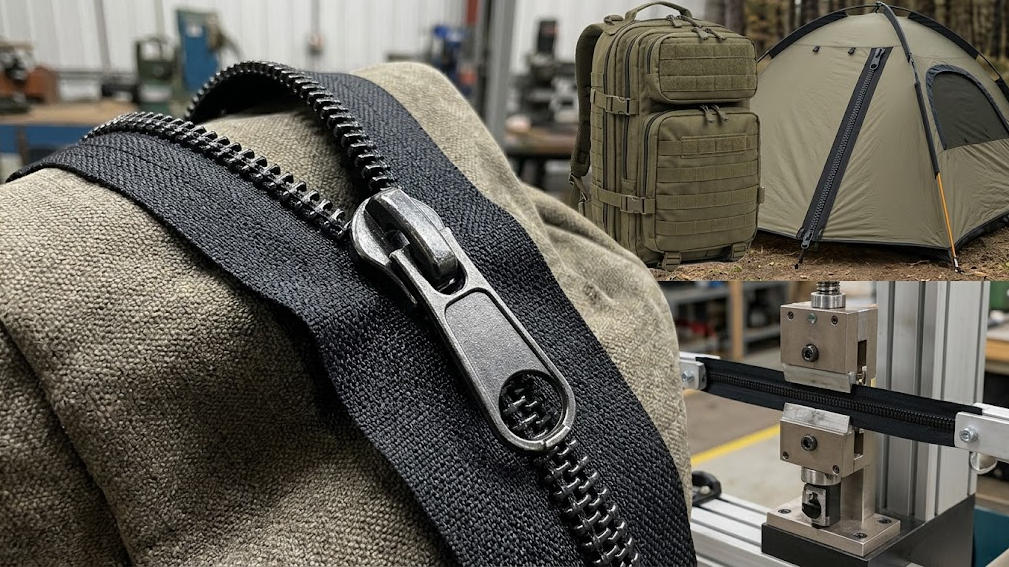
Table of Contents
Understanding Heavy-Duty Nylon Zippers
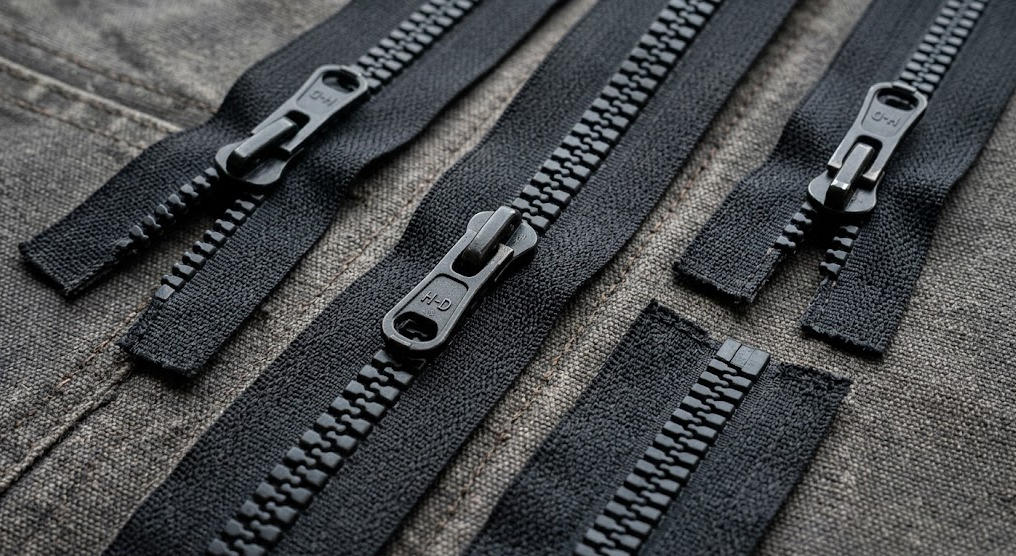
Heavy-duty nylon zippers are designed to take more pull force. They also handle repeated open-and-close use, plus tough daily conditions. In many cases, they have thicker zipper tape, sturdier coil parts, reinforced slider parts, and tighter stitching.
Unlike metal zippers, nylon coil zippers use plastic coil teeth that move easily. At the same time, they keep up better against rust, damp air, and general exposure to the outside. That is why they fit where you need both flexibility and long service life.
Key Considerations for Choosing the Right Nylon Zipper for Heavy-Duty Applications
1. Application Requirements
Start by mapping the area where the product will be used. Then match the zipper to the needs of that job. Some uses demand more strength. Others need extra flexibility or stronger barrier effects.
For instance, a hiking backpack needs a zipper that can deal with heavy packing and regular opening. A protective cover may need extra help against dust, water, and rubbing.
The following chart provides important application factors.
| Consideration | Influence on Nylon Zipper Selection |
| Frequency of use | Determines required durability and cycle performance |
| Product weight | Affects required zipper strength and size |
| Environmental exposure | Influences waterproofing and material selection |
| Installation method | Determines suitable tape structure and zipper design |
| Required lifespan | Helps select appropriate quality grade |
Understanding these requirements helps prevent zipper failure caused by selecting an unsuitable design.
2. Zipper Size and Load Requirements
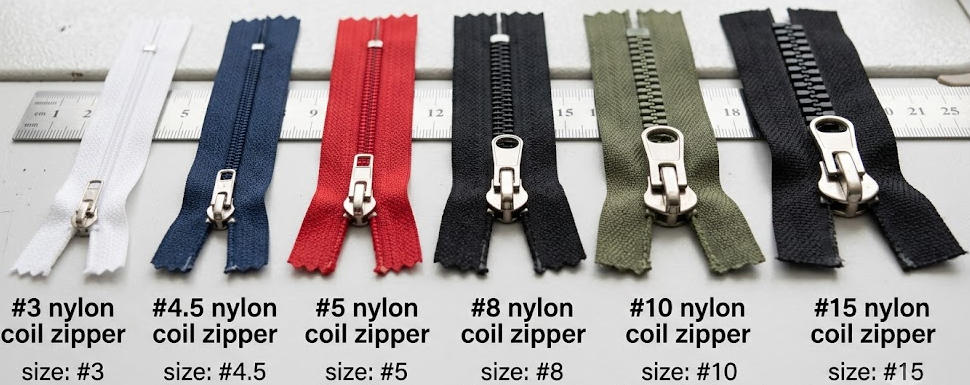
Zipper size matters when you want heavy-duty use. In general, a bigger size can offer more strength and more ability to handle load.
You may see nylon sizes like #3, #5, #8, #10, and also bigger industrial options. Smaller sizes often fit clothing and small bags. Heavy uses like backpacks, tents, protective cases, and industrial covers usually call for larger zipper sizes.
You should check the expected load, how often the zipper will be used, and the likely stress. If the zipper is too small, you can end up with tooth separation, slider harm, or early failure.
3. Nylon Coil Quality and Construction
The quality of the nylon coil directly affects zipper performance. High-quality nylon coils should have consistent tooth spacing, strong bonding with the zipper tape, and excellent resistance to deformation.
For heavy-duty applications, look for zippers with:
| Feature | Importance |
| Thick nylon coil | Provides higher strength and better wear resistance |
| Tight tooth alignment | Ensures smooth and reliable closing |
| Strong tape attachment | Prevents separation under heavy pulling force |
| Reinforced stitching | Improves overall zipper durability |
| Stable coil structure | Reduces damage from repeated use |
A well-manufactured nylon coil zipper can maintain smooth operation even after thousands of opening and closing cycles.
4. Right Zipper Tape Material
Zipper tape holds the coil parts in place. It also sends the pulling force into the fabric or other surrounding material. For tougher products, tape strength matters as much as the coil strength.
Tape is often made from polyester or nylon fabric. Polyester tape is common in industrial work. It tends to resist abrasion well, stays stable in shape, and holds up against moisture.
When choosing a zipper, think about:
- Tensile strength for the tape
- Stretch resistance
- Match with the product material
- Outdoor exposure limits
- Sewing or install approach
A sturdy zipper tape reduces ripping. It also extends the life of the finished item.
5. Right Slider Design
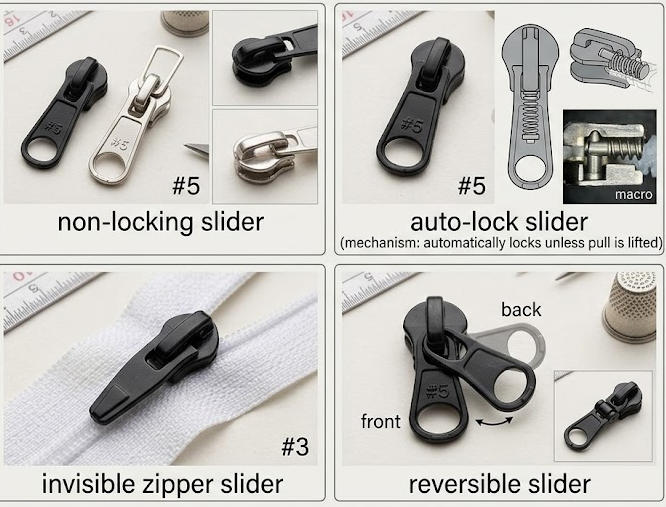
The zipper slider guides the travel of a product. It affects how it feels in use. It also matters for long-term wear. In heavy-duty use, the slider must handle repeated pulls and still run smoothly.
For products under high stress, reinforced sliders are a good fit. A firm body and a dependable pull tab help a lot. Locking sliders can be useful too. They are often chosen for luggage, outdoor gear, and protective cases. They can reduce the chance of accidental opening.
If the slider is low quality, trouble can start. You may see sticking, uneven motion, or separation. This can happen even when the coil and tape are solid.
6. Environmental Conditions
Heavy-duty nylon zippers are built for tough settings. Because of that, you should check environmental resistance before picking a zipper.
For outdoor items, the zipper often needs shielding. Rain, damp air, sun exposure, dust, and temperature swings all play a role. In many cases, water-resistant or waterproof nylon zippers are chosen when moisture protection is needed.
For marine and outdoor gear, corrosion resistance helps a lot. Flexibility across different temperatures is also a key benefit. In industrial settings, abrasion wear and dirt buildup can matter more than other factors.
Choose a zipper meant for the conditions it will face. That choice can improve how reliably the product performs.
7. Choosing Between Standard and Waterproof Nylon Zippers
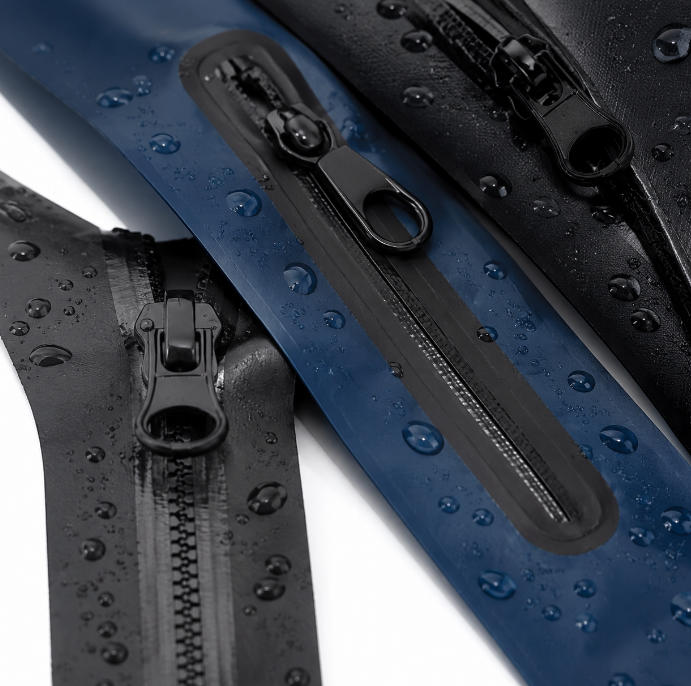
Heavy-duty applications may require additional protection against water and contaminants. Waterproof nylon zippers use special coatings or laminated structures to reduce water penetration.
The following chart provides standard vs. waterproof nylon zippers for heavy-duty Applications
| Comparison Factor | Standard Nylon Zippers | Waterproof Nylon Zippers |
| Construction Design | Built with reinforced nylon coil teeth, durable zipper tape, and heavy-duty sliders | Built with nylon coil teeth plus waterproof coatings, laminated layers, or sealed structures |
| Primary Purpose | Designed to provide strong, flexible, and reliable closure for high-load products | Designed to provide heavy-duty closure while preventing water and moisture penetration |
| Water Protection | Provides basic resistance against light moisture but cannot fully block water entry | Offers enhanced protection against rain, splashes, humidity, and wet environments |
| Load-Bearing Capacity | Suitable for heavy loads when using reinforced coils and strong tapes | Provides similar load capacity while adding moisture protection features |
| Flexibility | Higher flexibility, making it easier to bend and operate on curved products | Slightly reduced flexibility due to waterproof coatings or protective layers |
| Opening and Closing Performance | Smooth operation with lower pulling resistance | May require slightly more pulling force due to tighter sealing structures |
| Durability | Excellent wear resistance for frequent use in normal environments | Provides additional durability in harsh outdoor and wet conditions |
| Resistance to Environmental Factors | Handles abrasion, regular outdoor exposure, and daily use | Better resistance against water, humidity, dust, and extreme weather conditions |
| Weight | Lightweight design with fewer protective layers | Slightly heavier due to waterproof coatings or laminated materials |
| Maintenance Requirements | Easier cleaning and maintenance under standard conditions | Requires proper maintenance to preserve waterproof performance |
| Production Cost | More economical and suitable for large-volume production | Higher cost due to additional waterproof processing and materials |
| Common Applications | Heavy-duty backpacks, luggage, tactical bags, workwear, equipment cases | Waterproof backpacks, marine bags, rain gear, outdoor protective covers, emergency equipment bags |
| Best Operating Environment | Dry environments, indoor applications, and outdoor products with limited moisture exposure | Rainy, humid, marine, and high-moisture environments |
| Design Options | Available in various sizes, colors, sliders, and tape materials | Available with waterproof coatings, sealed designs, and specialized sliders |
| Main Advantages | Strong, flexible, lightweight, cost-effective, and easy to operate | Strong moisture protection, improved product sealing, suitable for demanding environments |
| Main Limitations | Limited protection against heavy rain or continuous water exposure | Higher price and slightly reduced flexibility compared with standard designs |
| Recommended Applications | Products requiring high strength and frequent operation without strict waterproof needs | Products requiring both heavy-duty performance and reliable water resistance |
The choice depends on whether water protection is a primary requirement or whether flexibility and ventilation are more important.
8. Customization Options
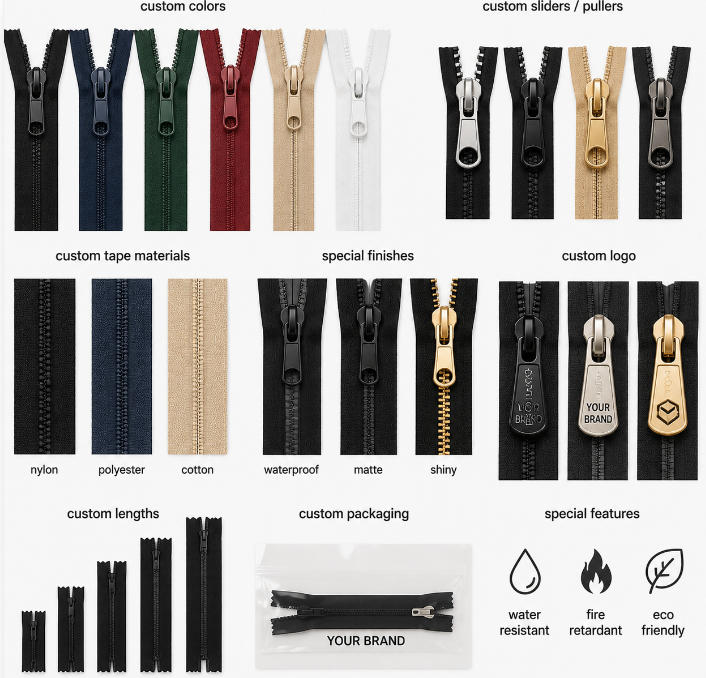
Many heavy-duty applications require customized zipper solutions. Manufacturers can provide options such as different sizes, colors, puller designs, tape materials, and special coatings.
The following chart provides the common customization options for heavy-duty applications.
| Custom Option | Application Benefit |
| Custom zipper length | Fits different product dimensions |
| Color matching | Maintains product appearance |
| Special pullers | Improves operation and branding |
| Custom tape design | Meets unique product requirements |
| Heavy-duty coil structure | Enhances strength and durability |
Customized nylon zippers allow manufacturers to achieve better compatibility with specialized products.
9. Reliable Manufacturing Quality
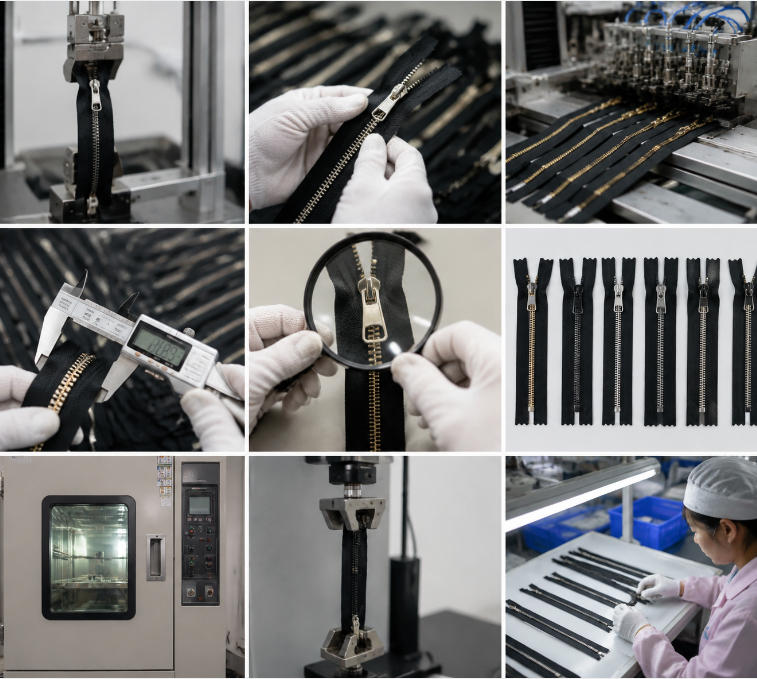
Quality control is important for heavy-duty nylon zippers. A good zipper manufacturer should review key performance points. Pull force matters. Slider motion matters. Coil alignment matters. Tape durability matters. Opening and closing behavior also matters.
Stable production routines reduce common faults. These include broken sliders, coil separation, and uneven zipper action. For high-volume runs, steady quality is even more critical. It helps keep product performance consistent.
Applications of Heavy-Duty Nylon Zippers
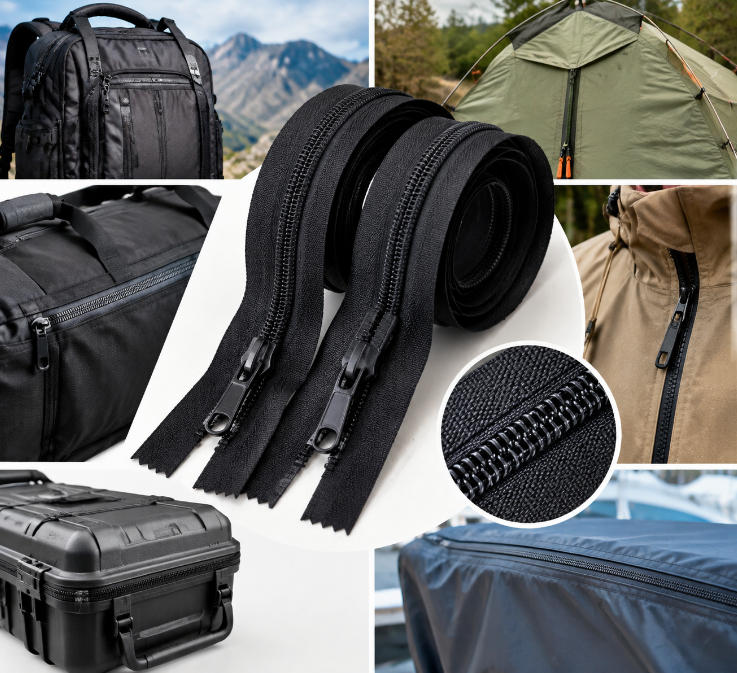
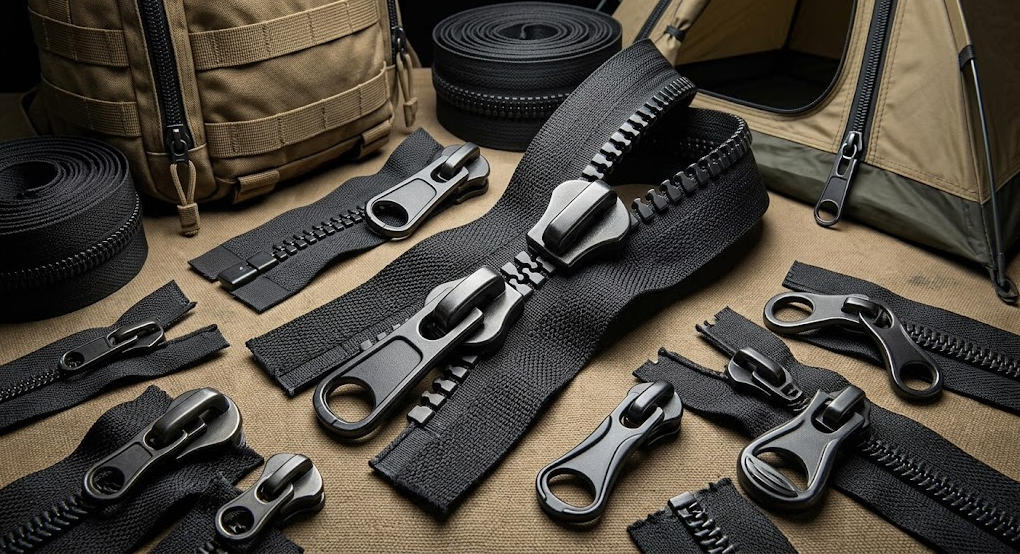
Heavy-duty nylon zippers appear in many fields. They are used because they are strong and flexible. They also hold up well against outdoor and harsh conditions. You will often see them on tents and sleeping bags. They show up on luggage and duffel bags too. They are also used on protective workwear, tactical gear, sports bags, marine products, and industrial covers.
Their lightweight construction and reliable performance make them an ideal choice for applications where traditional zipper solutions may not provide enough durability.
Final Words
Choosing the right nylon zipper for heavy-duty use by checking the size first. Then look at the coil strength and the tape quality. Also test how well the slider moves. Make sure it holds up in the real environment it will face. Finally, confirm any customization needs you have. When the nylon zipper is chosen well, it can keep working after many cycles. It also helps the full product last longer.
Manufacturers and designers can benefit from a nylon zipper supplier with hands-on experience. You get sturdy materials, steadier output and customized solutions that meet the requirements of demanding industrial and commercial applications.