
How to Manufacture Custom Zippers for Fashion Brands
Custom zippers are no longer just functional closures in garments and they kind of become a major design cue, that shows a fashion brand’s identity, quality level, and careful attention to detail. From luxury labels to streetwear startups, more and more brands are putting money into tailored zipper solutions to separate their products in a market that is, honestly, pretty crowded.
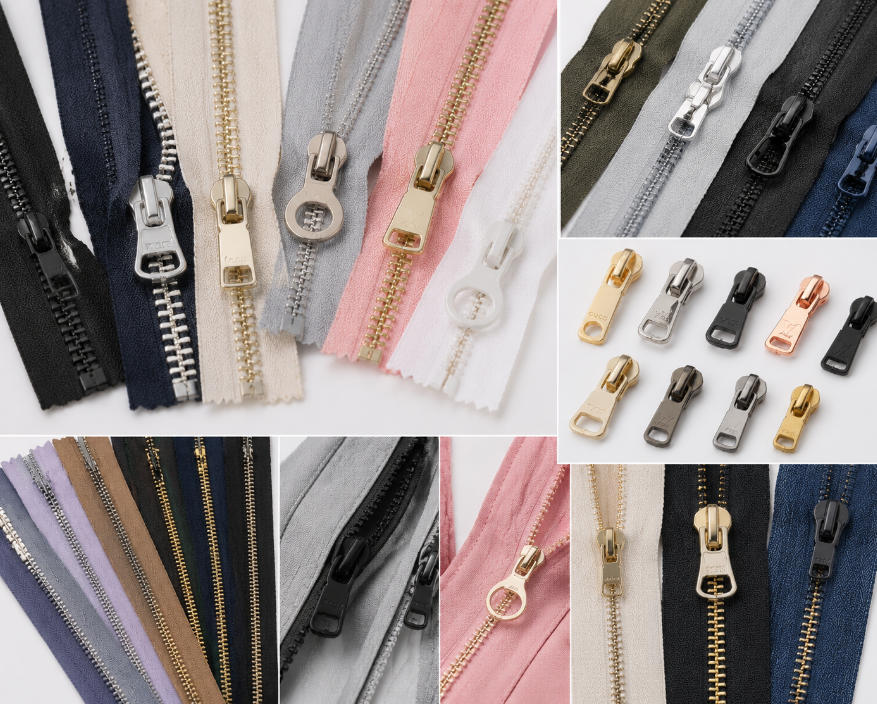
Table of Contents
The Role of Zippers in Fashion Design
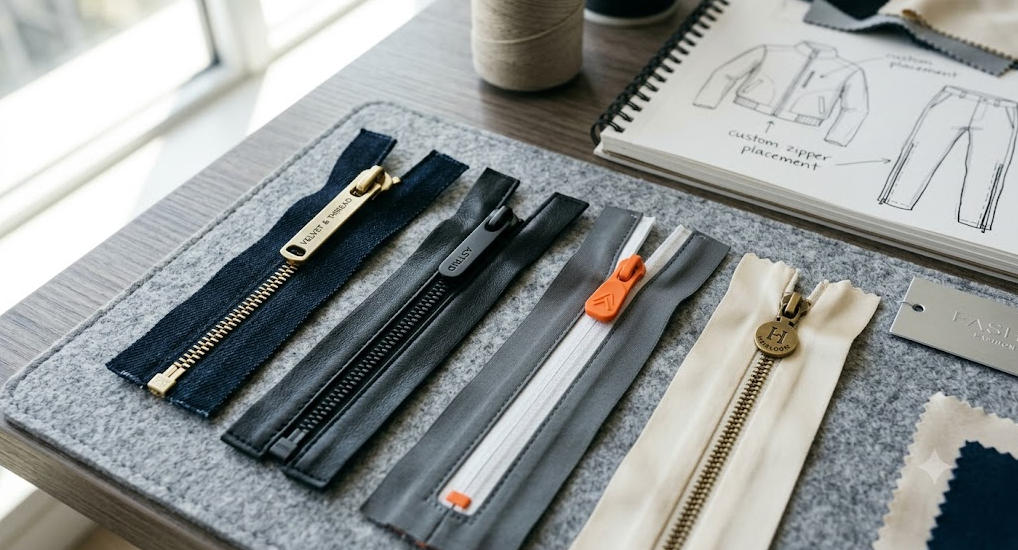
In today’s apparel, zippers do more than keep an opening closed. Sure, their main job is to secure openings and make getting dressed easier, but they also start to matter visually, as they belong to the garment’s overall “voice”. A well-made zipper can help shape the silhouette, bring in contrast, or support a quiet minimalist look, depending on how the finish looks and where it sits on the piece.
Fashion designers are increasingly treating zippers as customizable hardware, choosing specific colors, pull styles, tooth materials, and surface finishes that match seasonal collections—or even a brand signature. Because of that, zipper manufacturing has shifted from being a plain commodity thing to a specialized design collaboration, with more than one side involved.
Custom Zipper Options for Fashion Brands
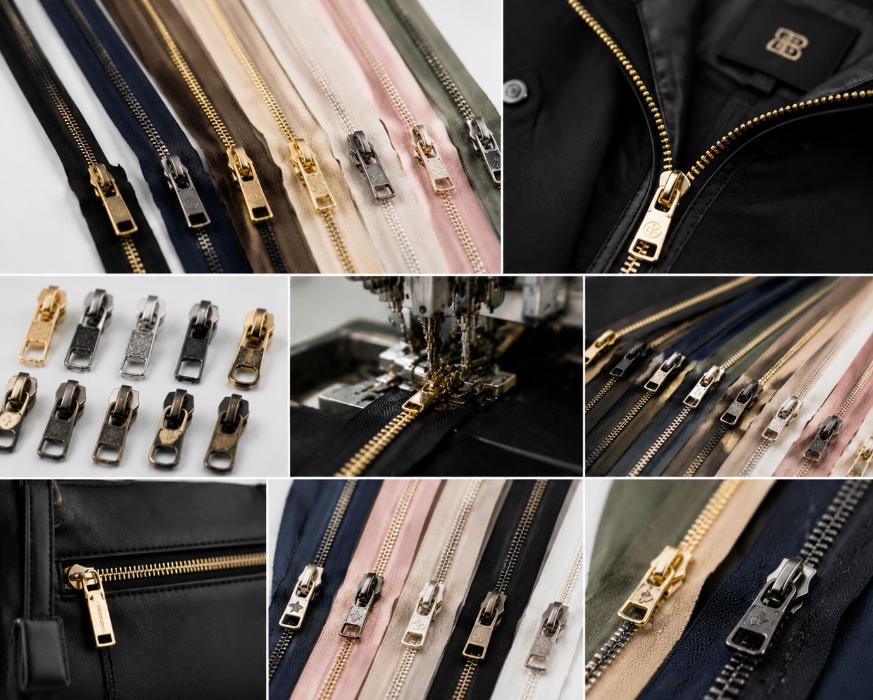
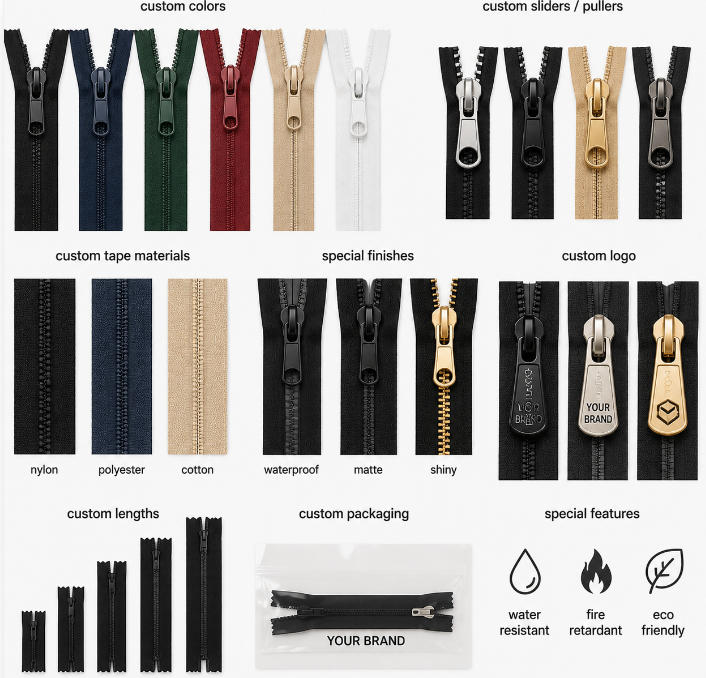
Customization is the defining feature of modern zipper manufacturing for fashion. Brands can tailor nearly every component of a zipper system.
| Custom Option | Description | Brand Application | Benefit |
| Zipper Type | Metal, nylon coil, molded plastic | Jackets, dresses, bags, sportswear | Matches garment function and style |
| Tape Color Customization | Dye-matched or contrast zipper tapes | Seasonal collections, branded designs | Enhances visual coordination |
| Slider & Puller Design | Custom shapes, logos, engraved pulls | Luxury fashion, streetwear branding | Strengthens brand identity |
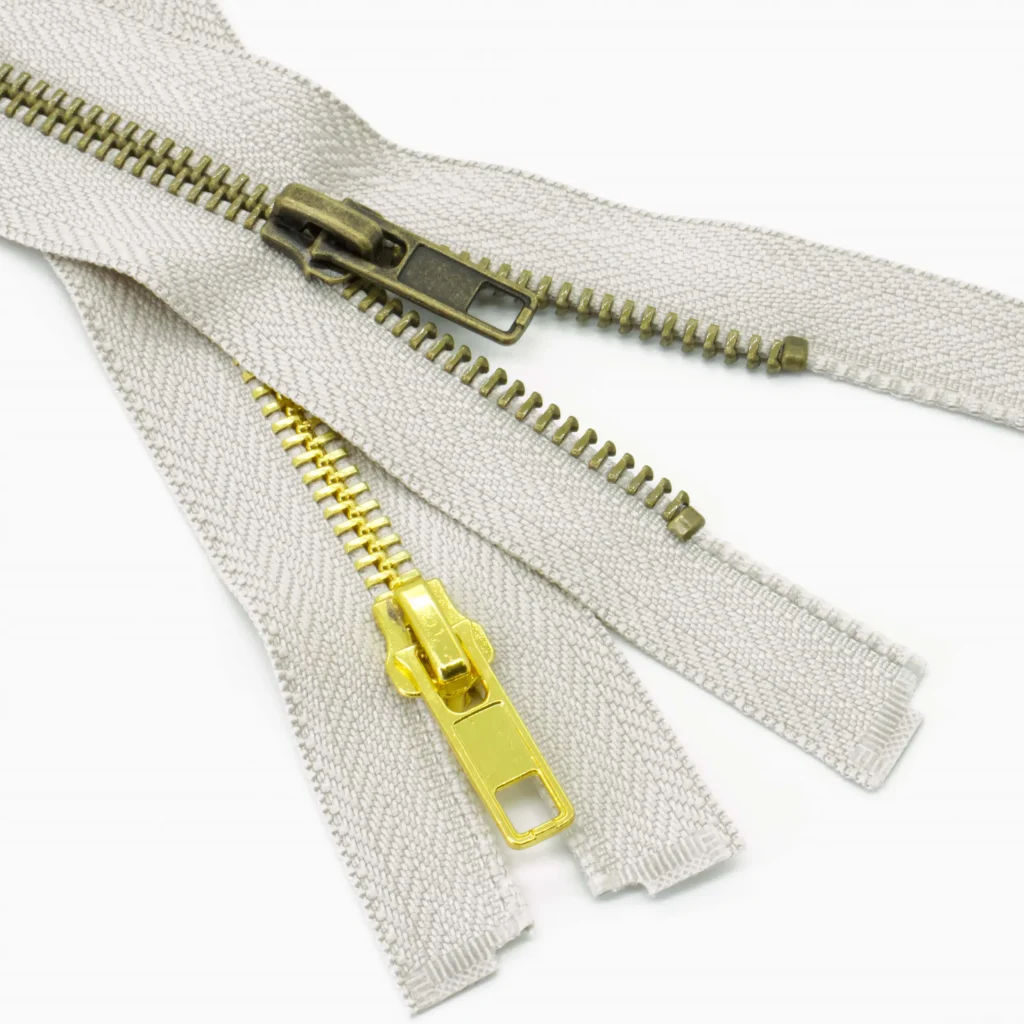
| Teeth Finish | Polished, matte, antique, coated | Premium and casual apparel | Adds aesthetic differentiation |
| Length & Size Customization | Tailored zipper lengths and gauges | Made-to-measure garments | Improves fit and functionality |
| Logo Branding | Embossed, printed, or laser-engraved logos | High-end fashion labels | Increases brand recognition |
| Eco-Friendly Options | Recycled materials, sustainable coatings | Sustainable fashion lines | Supports environmental branding |
| Special Functions | Waterproof, invisible, reversible zippers | Performance wear, technical garments | Enhances garment functionality |
Manufacturing Process and Quality Control for Custom Zippers
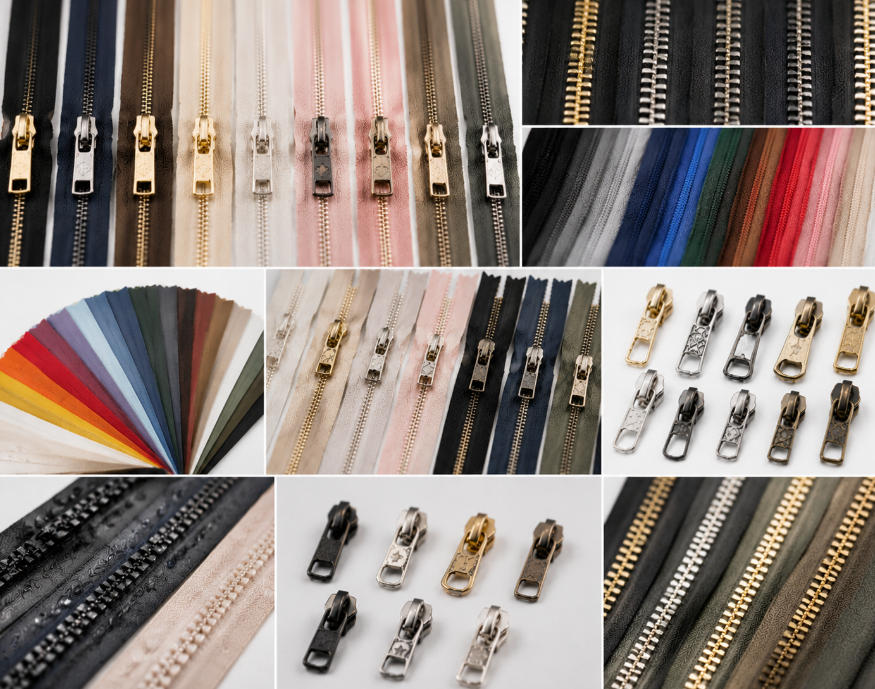
Custom zipper production for fashion brands is a pretty precise industrial process that mixes material engineering with mechanical forming, and also a strict quality check. Unlike standard mass-made zippers, custom versions need tighter tolerances, steady branding details, and more controlled finishing care, so the final piece matches what apparel designers want and what end users expect.
1. Material Preparation and Selection
The manufacturing process begins with selecting appropriate raw materials based on the intended application.
The following chart provides the key materials used in custom zipper production.
| Material Category | Description | Typical Use | Advantages |
| Metal (Brass, Aluminum, Nickel, Zinc Alloy) | Strong metal components used for zipper teeth and sliders | Jeans, jackets, leather goods, luxury fashion | High durability, premium appearance, strong load resistance |
| Nylon (Coil Zippers) | Continuous coiled filament forming flexible teeth | Dresses, sportswear, lightweight garments | Smooth operation, lightweight, flexible, cost-effective |
| Molded Plastic (Vislon-type) | Injected plastic teeth molded onto tape | Outdoor wear, bags, kidswear | Corrosion-resistant, colorful, weatherproof |
| Polyester Tape | Fabric base that holds zipper structure together | All zipper types | Strong, stable, easy to dye, compatible with multiple materials |
| Recycled/Sustainable Materials | Reprocessed plastics or metals used in zipper parts | Eco-friendly fashion collections | Reduced environmental impact, supports sustainability branding |
| Specialty Coatings & Finishes | Surface treatments for metal parts or sliders | Fashion branding, luxury items | Enhanced aesthetics, corrosion resistance, branding customization |
2. Formation of Zipper Components
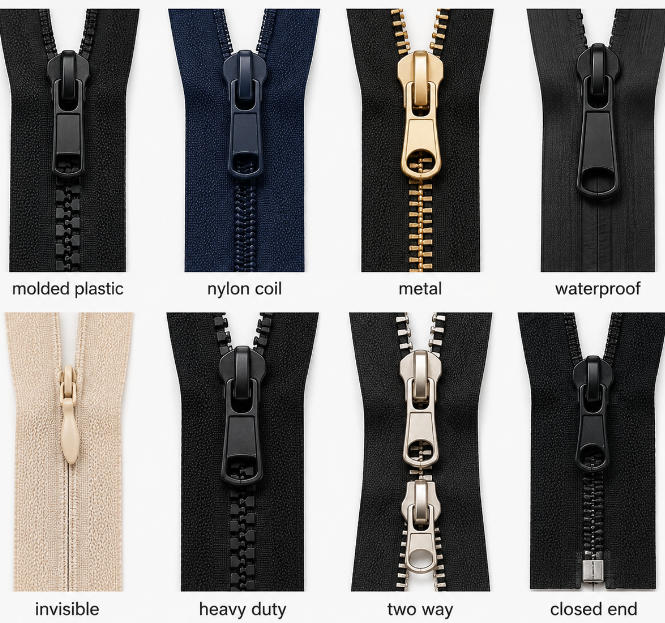
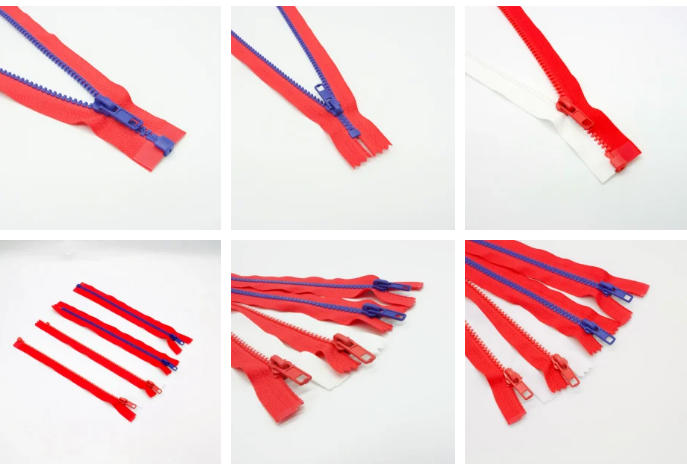
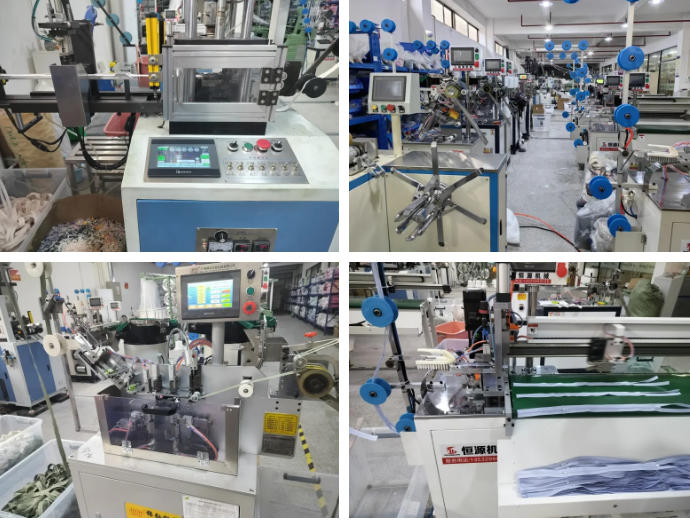
After the materials are ready, they get formed into functional parts. For metal zippers, precision cutting and stamping shape each tooth, then the teeth are carefully aligned and mounted onto the zipper tape. For nylon coil zippers, continuous filament is wound into a uniform spiral and stitched firmly onto the fabric base. For the work with molded plastic zipper, injection molding is used, molten polymer is shaped into interlocking tooth rows which lock together as they’re formed.
This stage demands tight mechanical control to ensure uniform spacing and alignment, as any deviation can lead to misalignment or sticking during operation.
3. Dyeing, Coating and Surface Treatment
After component formation, zipper tapes and the metal parts usually go through finishing processes. Fabric tapes are dyed so they match the specific Pantone colors requested by fashion brands, making sure the visual look stays consistent across garment collections. For metal components, they may be polished, brushed, or given protective coatings, which improves corrosion resistance and also boosts how the piece looks.
Special coatings can be used too, to reach matte, antique, or high-gloss finishes, based on design requirements and the overall concept. These treatments are not only visual in nature, but they also affect durability during washing, plus how the parts handle environmental exposure later.
4. Assembly and Integration
The assembly stage brings together all parts into a working zipper system, with teeth placed in order and connected to the slider, while the upper stops and lower stops are fitted to prevent separation. Pullers, usually tailored with logos or unusual contours, are attached around this moment.
Precision matters a lot during assembly, because even small misalignment can make the zipper movement feel less fluid. Automated machinery is often employed, but manual checking is still common, especially for personalized or luxury orders, so the small design details stay accurate, as they should.
5. Functional Testing and Mechanical Quality Control
Quality control in zipper manufacturing, starts right after assembly and continues throughout the whole production run. One of the biggest assessments is functional testing, where the zipper is opened and closed repeatedly to judge smoothness, the level of resistance, and overall durability. If there is any hint of snagging, an uneven slide, or poor alignment, the item is marked for correction.
Tensile strength testing is also done to check, that the zipper can stand up to pulling forces without coming apart. This is particularly key for outerwear and heavy-duty uses. Also, fatigue testing imitates long-term use by repeatedly cycling the zipper, thousands of times, in a controlled manner.
6. Environmental and Durability Testing
Past mechanical behavior, zippers still need to handle environmental stress. Manufacturers assess corrosion resistance, mainly on metal zippers that face humidity, sweat, or repeated washing. Colorfastness testing makes sure the dyed tapes do not fade or bleed when hit by water, detergents, or even sunlight.
For fashion brands that care about performance or outdoor wear, the evaluation may also include water resistance checks and temperature tolerance reviews. These checks help confirm the zipper works dependably in real-world situations.
7. Final inspection and Packaging Control
Before shipment, every batch gets a final inspection, and it’s not just a quick glance. There are visual checks for surface defects and also dimensional accuracy, plus branding consistency. If something looks off with the logo engraving, coating quality, or even tape alignment, it gets flagged and taken out of the production line, so the rest can keep going.
Packaging also matters because they try to stop deformation and contamination while the items are moved around. Zippers are commonly packed in standardized quantities, and they’re usually split by size and by type. This helps fashion manufacturers keep their garment production workflows easier.
Integration with Fashion Brand Identity
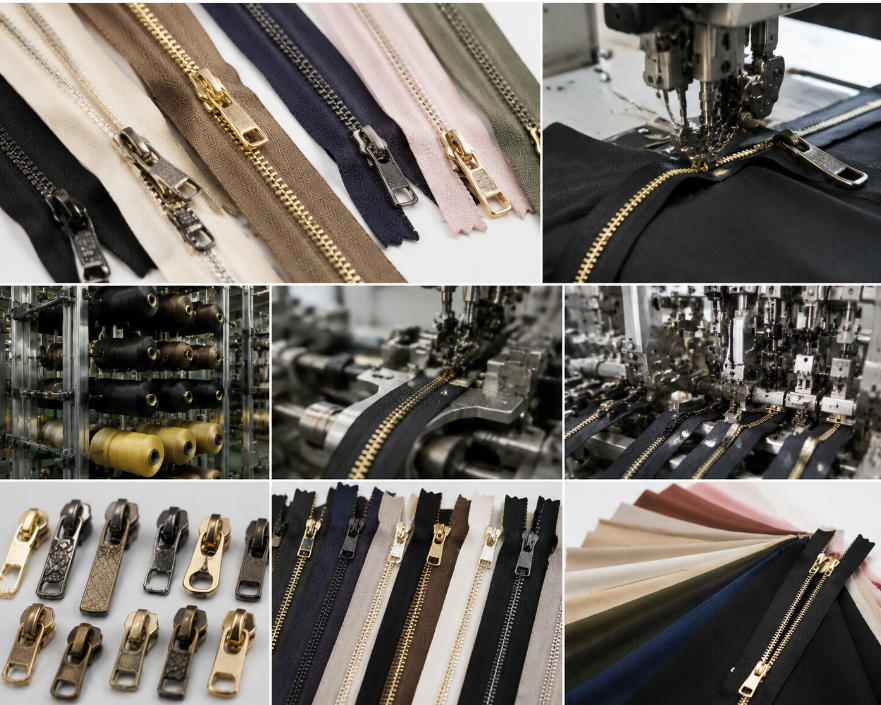
Custom zippers have basically become a small part of brand storytelling, even if it feels minor. Luxury brands often choose polished metal finishes, plus engraved logos to underline exclusivity. Streetwear brands, in contrast, may go with oversized pullers, vivid colors, or more experimental shapes that stand out.
Sustainability-focused brands are, for sure, pushing manufacturing trends too, by asking for recycled materials, eco-friendly coatings, and production methods that cut down waste. That also lines up hardware design with bigger environmental commitments in fashion.
So then zipper manufacturers are no longer only suppliers; they are design partners, helping shape the brand experience in a deeper way.
Challenges and Potential Solutions in Manufacturing Custom Zippers
The following chart provides the main challenges associated with custom zipper manufacturing together with the potential solutions.
| Challenge | Description | Potential Solution |
| High customization complexity | Multiple design variations (logo pulls, colors, finishes) increase production difficulty | Standardize modular components while allowing flexible customization options |
| Color matching inconsistency | Difficult to perfectly match zipper tape colors with fabric dyes | Use digital color management systems and Pantone-based calibration |
| High minimum order quantities (MOQs) | Custom tooling and setup often require large batch production | Adopt flexible manufacturing lines and shared tooling systems |
| Long lead times | Custom design, sampling, and testing extend production cycles | Improve automation and parallel processing in sampling and production |
| Quality variation between batches | Small deviations in materials or processes affect consistency | Implement stricter process control and real-time quality monitoring |
| Durability under stress | Zippers may fail under repeated use or heavy load | Enhance material selection and conduct advanced fatigue testing |
| Branding precision issues | Logo engraving or printing may be inconsistent | Use high-precision laser engraving and digital printing technologies |
| Environmental compliance pressure | Increasing demand for sustainable materials and processes | Switch to recycled materials and eco-friendly coatings |
Final Thoughts
Manufacturing custom zippers for fashion brands is a pretty specialized process; it mixes engineering accuracy with creative design decisions. Beyond their practical function, zippers now work like branding tools that affect garment performance and visual identity.