
What Determines the Quality of Zippers
Zippers are essential fastening components widely used in clothing, suitcases, shoes, outdoor gear, vehicle interiors, and other various industrial products. The zipper performance depends on a bunch of things, like material selection, manufacturing precision, component design, and quality control. A high-quality zipper should run smoothly, stay tough over time, handle weather and environmental stress well, and keep working reliably across its whole service life.
Understanding what determines zipper quality helps manufacturers select a proper fastening solution, while consumers can notice which zipper products feel like a better value and tend to last longer.
Understanding the Process of Zipper Production
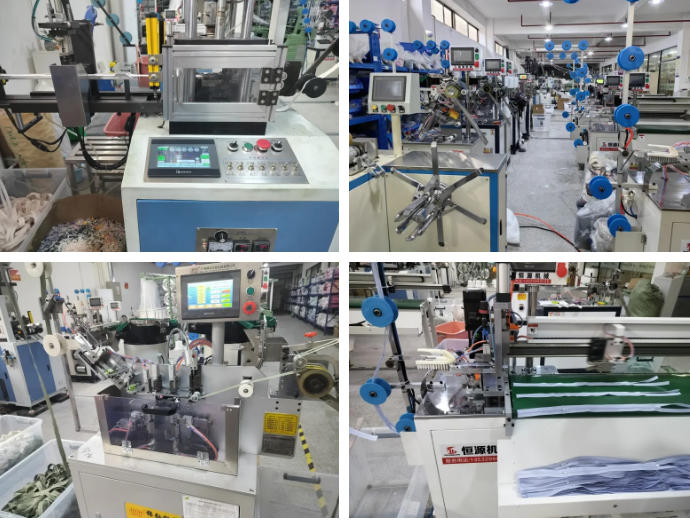
Zipper production involves several carefully controlled processes, from raw material preparation to final inspection.
| Production Stage | Key Activities |
| 1. Material Preparation | Choosing suitable nylon, polyester, plastic polymers, metal alloys, zipper tape fibers, and other components |
| 2. Zipper Tape Manufacturing | Producing strong fabric tapes with proper thickness, flexibility, and tensile strength |
| 3. Tooth Formation | Forming nylon teeth through molding, creating plastic teeth through injection molding, or producing metal teeth through stamping processes |
| 4. Tooth Attachment | Attaching teeth to both sides of the tape with precise spacing and alignment |
| 5. Slider Production and Installation | Producing sliders from metal or plastic materials and installing them onto the zipper chain |
| 6. Puller and Stop Installation | Installing pullers, top stops, and bottom stops to complete the zipper structure |
| 7. Surface Treatment and Finishing | Dyeing, coatng, polishing, waterproofing, or applying special finishes |
| 8. Cutting and Customization | Cutting zippers according to customer specifications and adding customized features |
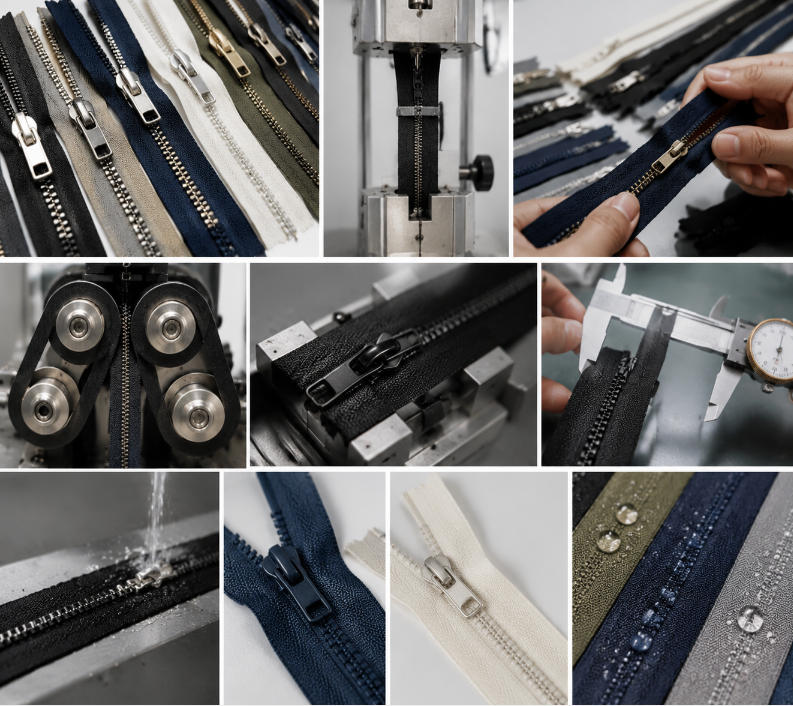
| 9. Quality Inspection and Testing | Testing zipper strength, slider movement, tooth alignment, durability, color stability, and environmental resistance |
| 10. Packaging and Delivery | Sorting, packaging, labeling, and shipping finished zipper products |
Key Factors Affecting the Quality of Zippers
Understanding these factors helps manufacturers and consumers choose zippers that keep working, smoothly, for a long time, and deliver dependable performance.
1. Quality of Zipper Materials
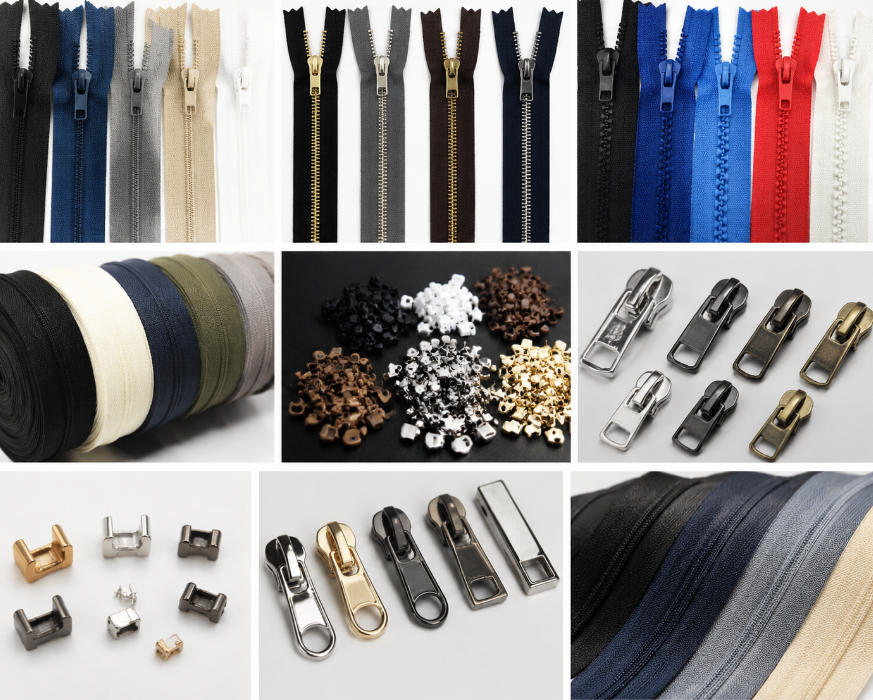
The materials used in zipper production are among the biggest drivers of overall quality. Different types of zippers such as nylon zippers, metal zippers, and plastic molded zippers, depend on different material choices to reach specific performance goals.
| Zipper Material | Key Quality Characteristics | Advantages | Common Applications |
| Nylon | High flexibility, lightweight, abrasion resistance, good chemical resistance | Soft operation, quiet movement, easy to bend, suitable for curved designs | Clothing, backpacks, sportswear, outdoor equipment |
| Polyester Tape/Fiber | High tensile strength, dimensional stability, resistance to stretching and moisture | Maintains shape, durable, good color retention | Garments, luggage, footwear, industrial products |
| Metal (Brass, Aluminum, Zinc Alloy) | High mechanical strength, wear resistance, solid structure | Premium appearance, strong durability, suitable for heavy loads | Jeans, leather products, bags, boots, heavy-duty equipment |
| Plastic Molded Polymer | Strong molded teeth, lightweight structure, corrosion resistance | Smooth operation, waterproof performance, resistant to rust | Outdoor clothing, marine products, sports equipment |
| Stainless Steel Components | Excellent corrosion resistance and high strength | Performs well in harsh environments and humid conditions | Marine equipment, industrial applications, protective gear |
| High-Quality Resin Coatings | Improved surface protection and weather resistance | Enhances durability, reduces friction, protects against moisture and chemicals | Waterproof zippers, outdoor gear, technical clothing |
| Reinforced Synthetic Fibers | High tear resistance, strong weaving structure, abrasion resistance | Improves zipper stability and service life | Luggage, tents, workwear, military and safety products |
In practice, zipper material quality comes down to strength, pliability, abrasion resistance, environmental durability, and fit with the intended application. When the right material combination is chosen, the zipper tends to operate with less resistance, lasts longer, and gives better long-term results.
2. Precision of Zipper Manufacturing
Manufacturing accuracy has a direct effect on how well a zipper works. During production the zipper parts have to be put together carefully, so that the teeth, the slider, the fabric tape, and the end stops all line up the right way, with no drift.
The spacing the teeth have, plus their shape and exact placement, really need to stay consistent. Even tiny production inaccuracies can lead to annoying results, like uneven motion, zipper jams, teeth that feel loose, or failure that shows up too early.
Advanced manufacturing tools, automated production machinery, and strong inspection routines help keep quality steady and lower the number of defects. With precision manufacturing the zipper can keep moving smoothly even after thousands of opening and closing cycles.
3. Strength and Durability of Zipper Teeth
Zipper teeth do the main job of forming the closure between the two sides, so their strength becomes a key requirement. Good zipper teeth must tolerate pulling forces, repeated sliding, and outside pressure without snapping, bending, or losing their alignment.
Different uses need different tooth design, and it can get confusing, because the right setup changes by job. Lighter clothing can use smaller teeth so the wearer gets more flexibility and comfort. But heavy-duty uses like luggage, protective gear, and outdoor equipment need teeth that are tougher and can take higher loads without giving up.
The durability of zipper teeth really depends on material strength, how accurately they were molded, and how the teeth are connected to the zipper tape.
4. Performance of the Zipper Slider
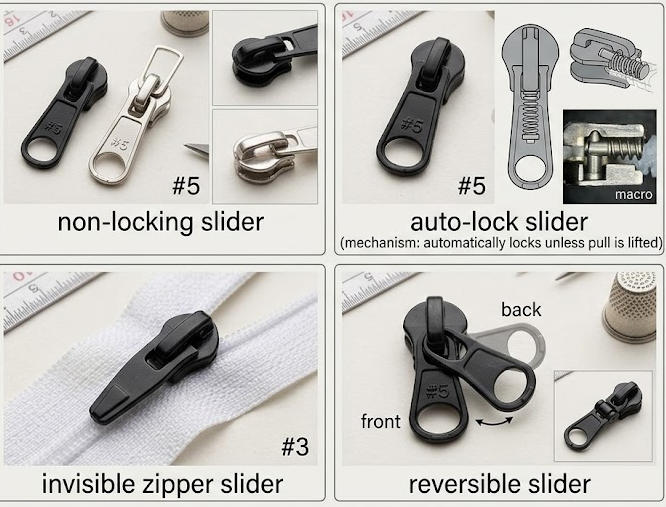
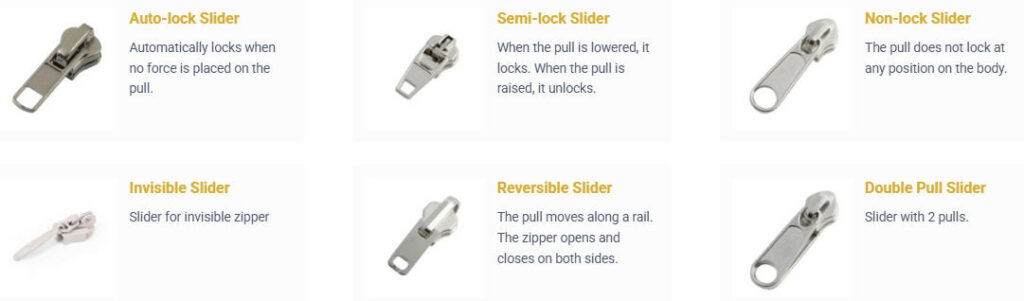
The zipper slider is one of the most critical parts, since it manages the whole opening and closing action. A good-quality slider should travel smoothly along the zipper teeth without too much drag, and without chewing up the teeth.
Key factors that shape slider performance include the slider’s material, internal layout, surface finishing, and how well it matches the zipper teeth. If the slider is poorly designed it may end up stuck, misalignment the teeth during motion, or wear out quite fast.
Reliable sliders are engineered to keep movement steady, and they are also built to handle repeated operation, which improves user experience and product durability too.
1. Strength and Quality of Zipper Tape
The zipper tape really does a lot, it gives backing to the teeth and it connects the zipper to the finished item. Its strength and flexibility have a big effect on how well the zipper works overall.
Good zipper tapes are made from strong woven fibers, they resist tearing, stretching, abrasion, and deformation. Also the tape should stay in its original form during washing, while bending, and through long term use.
For outdoor products, luggage, and industrial uses, zipper tape strength matters even more, because the zipper has to handle heavier loads and rougher conditions every day.
2. Quality of Zipper Pullers and Stops
Even small parts such as pullers, top stops, and bottom stops can affect zipper reliability. The zipper puller needs to withstand repeated tugging forces, and it should not break or come loose from the slider.
The upper and lower stops keep the slider from drifting past the proper range. If the stops were manufactured with less care they can loosen, or even fail, and then the zipper starts acting up a bit, in a very annoying way.
High-quality zippers rely on components that are fixed tightly in place so the performance stays dependable even with constant use.
3. Resistance against Environmental Factors
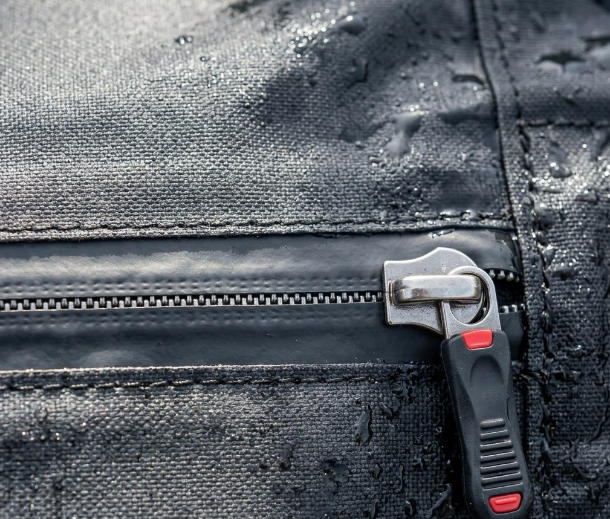
Many zippers end up working where moisture, direct sunlight, chemicals, temperature swings, and general mechanical strain are involved. Because of that, resistance to the surroundings is a key sign of whether a zipper is actually good.
For outdoor gear and marine use, people usually need zipper systems that handle water well, fight corrosion, resist UV radiation, and keep working in extreme temperatures. Protective coatings, specialized materials and refined production methods can improve how the zipper behaves in hard conditions.
A zipper that maintains its function under different environmental conditions provides better reliability and a longer service life.
4. Smooth Operation and User Experience
A quality zipper should deliver smooth and effortless operation. The slider needs to move easily, without demanding excessive force, while the teeth must latch securely, with no gaps or separation.
Smooth operation really comes down to how several parts work together, including the tooth design, slider structure, any lubrication, and the precision achieved during manufacturing.
For items like clothing and bags, good zipper action directly shapes user satisfaction. When a zipper jams often, or when it takes force to close, people tend to judge the entire product as lower quality.
5. Testing and Quality Control
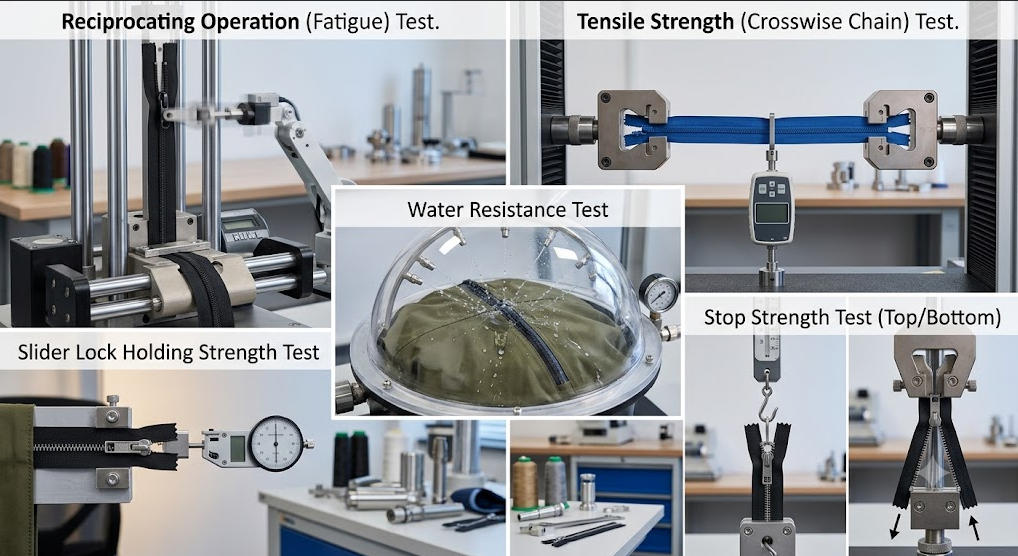
Strict quality control procedures of zippers are essential for keeping reliable performance. Professional manufacturers usually run multiple checks to confirm zipper strength, long-term durability and overall reliability.
Common zipper quality tests include:
| Testing Type | Purpose | Quality Factors Evaluated | Importance |
| Pull Strength Test | Measures the force a zipper can withstand when pulled from different directions | Tooth strength, tape strength, slider attachment strength | Ensures the zipper can handle daily pulling forces without breaking or separating |
| Top Stop Strength Test | Evaluates the durability of the upper stopper that prevents slider removal | Stopper attachment and resistance to impact | Prevents slider detachment and improves zipper reliability |
| Bottom Stop Strength Test | Tests the strength of the lower stopper during operation | Stopper stability and connection strength | Reduces zipper failure caused by excessive pulling or incorrect operation |
| Slider Fatigue Test | Checks slider performance after repeated opening and closing cycles | Slider durability, movement smoothness, wear resistance | Ensures consistent operation over long-term use |
| Opening and Closing Cycle Test | Simulates repeated daily use of the zipper | Overall durability and operational lifespan | Determines whether the zipper can maintain performance after thousands of uses |
| Tooth Engagement Test | Examines how well zipper teeth connect and separate | Tooth alignment, tooth shape, connection accuracy | Prevents issues such as zipper gaps, jamming, and accidental opening |
| Tape Strength Test | Measures the resistance of zipper tape to pulling and tearing | Fiber strength, weaving quality, dimensional stability | Ensures the zipper remains securely attached to the product |
| Slider Puller Strength Test | Evaluates the durability of the puller component | Puller material strength and attachment reliability | Prevents puller breakage during frequent operation |
| Abrasion Resistance Test | Tests resistance to friction and surface wear | Material durability and surface protection | Extends zipper lifespan in high-use applications |
| Color Fastness Test | Evaluates color stability after washing, rubbing, or exposure | Dye quality and finishing performance | Maintains appearance and prevents fading |
| Water Resistance Test | Measures protection against moisture penetration | Coating quality, sealing performance, material resistance | Ensures reliable performance for outdoor and waterproof applications |
| Temperature Resistance Test | Evaluates zipper performance under extreme temperatures | Material stability and flexibility | Ensures the zipper works properly in hot or cold environments |
| Corrosion Resistance Test | Tests resistance of metal components against rust and oxidation | Metal quality and protective coatings | Improves durability in humid or marine environments |
| Dimensional Accuracy Inspection | Checks zipper size and component consistency | Tooth spacing, tape width, slider compatibility | Ensures smooth assembly and reliable operation |
| Visual Quality Inspection | Identifies surface and manufacturing defects | Appearance, stitching quality, missing teeth, surface damage | Maintains product consistency and improves final product quality |
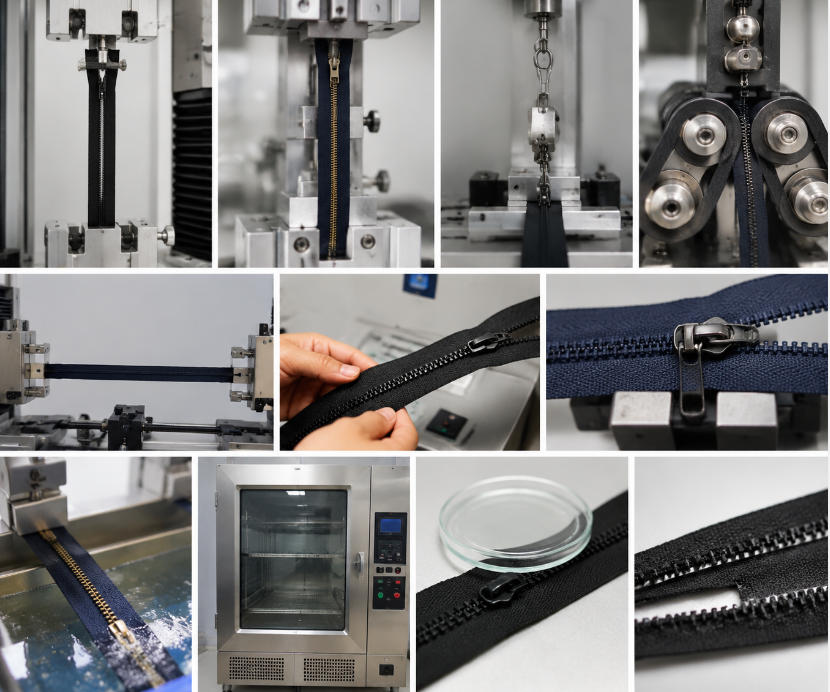
These tests help identify defects and make sure that zippers meet industry requirements before they are used in finished products. Zipper manufacturers who invest in advanced testing equipment and inspection systems can make more reliable and consistent zipper products, even when they are producing in volume.
6. Design Compatibility with Applications
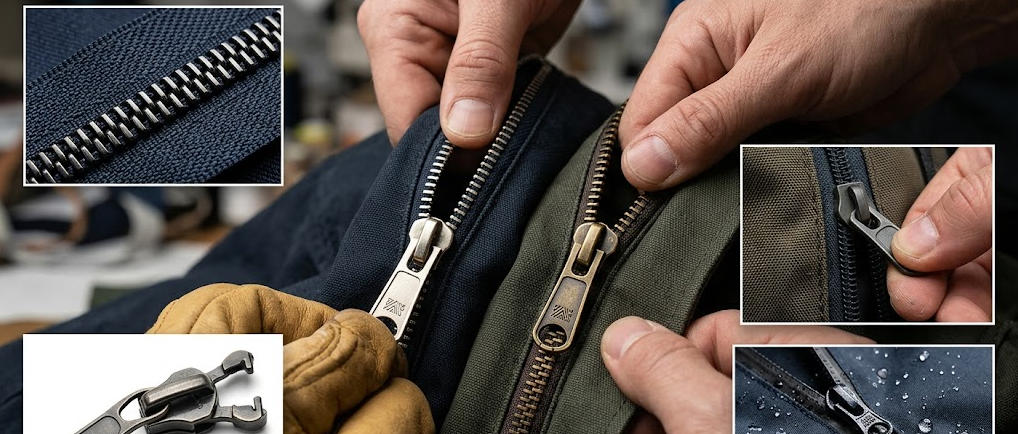
The overall quality of a zipper also depends on whether its design fits the intended use. Different products need different zipper sizes, layouts, and performance levels.
For example, fashion garments may favor a lightweight design and visual appeal, while backpacks, outdoor equipment, or bag assemblies require sturdier, wear-resistant zippers. Industrial products can need specialized zippers, with extra resistance to chemicals, moisture, or extreme conditions.
Selecting the right zipper type for each application supports better function and reduces the chance of early failure.
7. Finishing and Appearance Quality
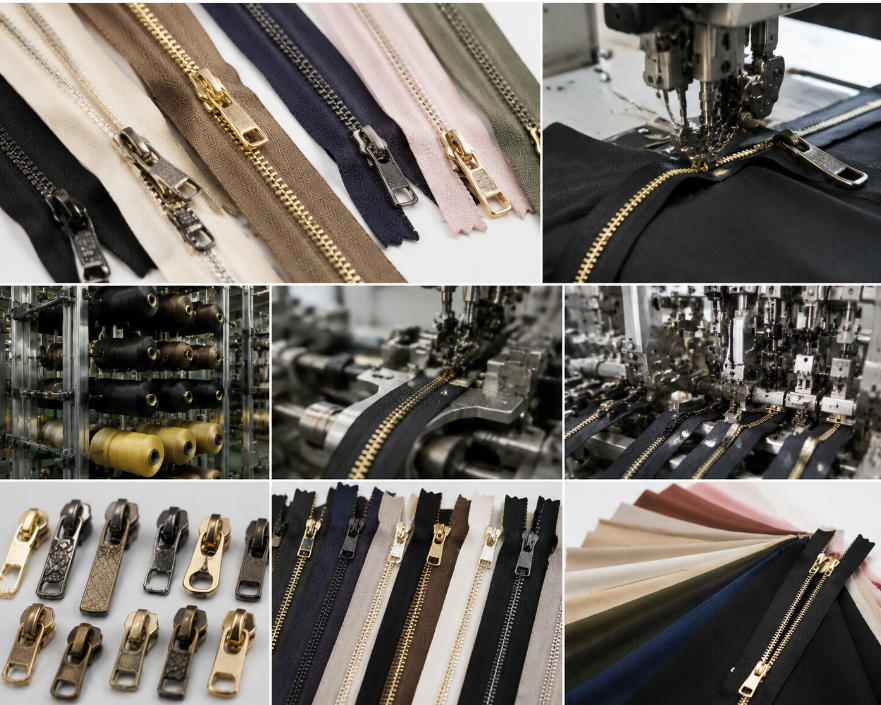
The way zippers are finished affects both the look and their durability. Generally, high-quality zippers show uniform colors, a smooth surface, neat stitching, and steady dimensions, without random changes.
When finishing is done correctly it helps stop things like discoloration , rough edges, loose threads, and surface damage before they become visible or annoying. In fashion and everyday consumer products, the visual outcome is especially important, since zippers take part in the overall design and the final visual appeal.
Why Selecting a Professional Zipper Manufacturer is Important
Choosing a professional zipper manufacturer is key for product quality, reliability, and long-run performance. A dependable producer usually brings broad industry experience, advanced production capabilities, strict quality control, and the flexibility to supply zippers that fit particular use cases, not just standard needs.
Working with a professional zipper manufacturer is a good way for businesses to end up with durable, steady, and high-performance zipper solutions across different industries, instead of having random results.
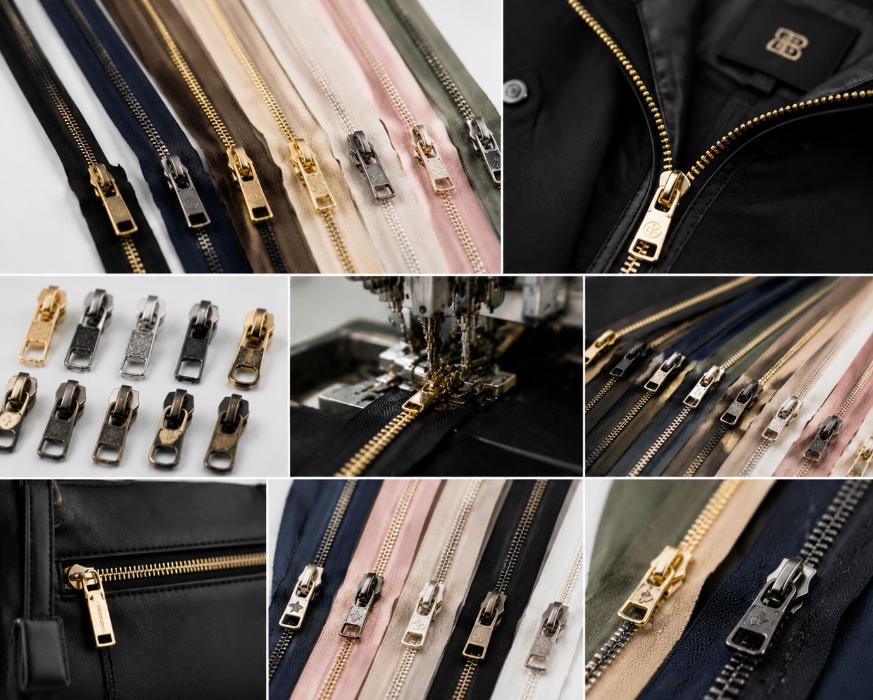
Luxzipper is a professional zipper manufacturer, focused on making top level zipper solutions for many uses, including clothing, bags, outdoor gear, and more. Luxzipper offers robust and tailored zippers that are made to match various performance needs, like smoother sliding or better sealing. With product innovation, precision manufacturing, and real professional service, Luxzipper supports customers in getting dependable fastening options, with great function and long-term reliability.
Summary
The quality of zippers, is decided by a mix of material choices, manufacturing accuracy, component strength, resistance to harsh conditions, and also quality control. When zippers are manufactured well they tend to glide smoothly, last longer, and perform in a dependable way, across different industrial applications.
Selecting a zipper with strong materials, careful production, and suitable testing helps the finished item deliver better functionality and an extended service life. As more industries request lighter fastening solutions, yet still stronger and more durable, the bar for zipper quality will keep rising.