
How to Choose Invisible Zippers for Different Clothing Types
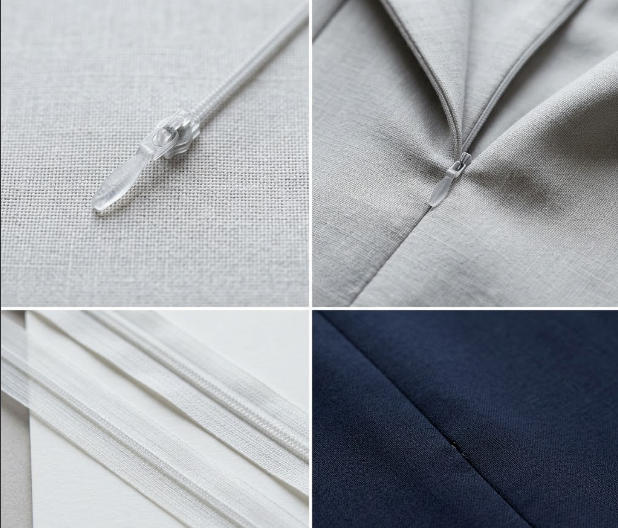
Invisible zippers are commonly used in clothing manufacturing today. They give a neat, elegant look but still work like a regular zipper. When the zipper is closed, the teeth sit hidden behind the fabric tape. From the outside, you usually can’t see them. Because of this, they fit well with dresses, skirts, trousers, formal outfits, and other garments where appearance is important.
Even so, selecting the right invisible zipper is not just about color. You have to think about the fabric weight, garment construction, zipper length, tooth size, durability, and how the garment will be used. When you understand these factors, manufacturers, designers, and sewing enthusiasts can select suitable invisible zippers for different clothing types.
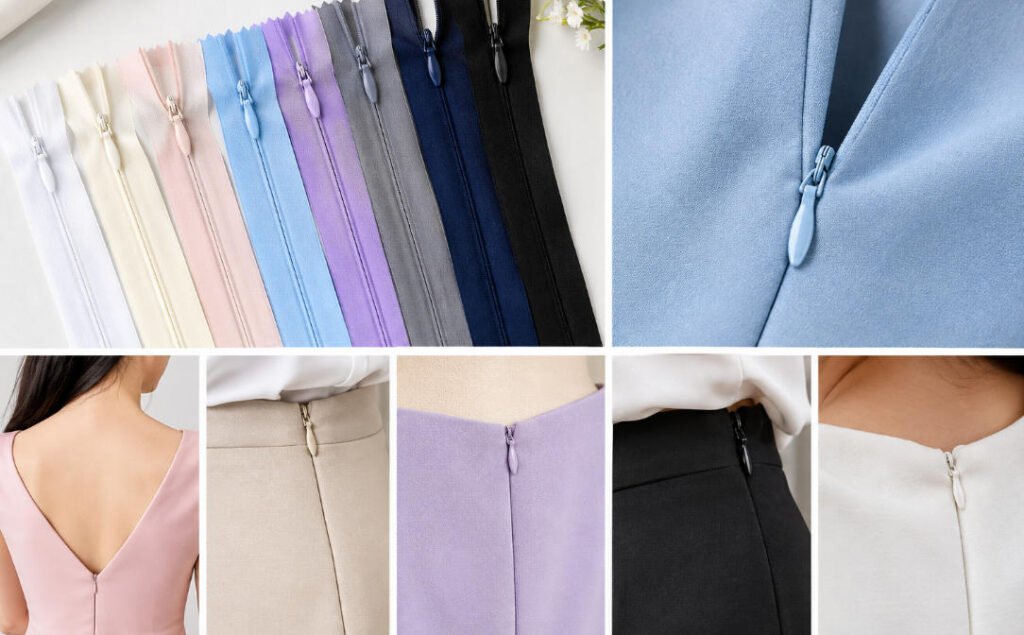
Table of Contents
Key Factors to Consider for Choosing the Right Zipper for Different Clothing Type
1. Fabric Weight and Thickness
Fabric weight matters a lot with invisible zippers. The zipper should match the fabric. If it is wrong, the garment can get bulky. It can also lose shape or the closure may not sit right.
For light fabrics like chiffon, silk, satin, and thin cotton, a fine invisible zipper is often the best match. These zippers look delicate. They also blend into thin material without leaving a big ridge. With delicate cloth, smooth opening and closing is important too. That helps lower the chance of snagging or tearing.
For medium fabrics, you have more options. Materials like polyester blends, crepe, rayon, and regular cotton usually take a fine or medium invisible zipper well. You can still get a clean finish while keeping good strength.
For heavier fabrics, extra care is needed. Examples include thick crepe, wool blends, and structured garment materials. Even though invisible zippers are often linked with lighter outfits, some models handle heavier cloth. You just need to use the right zipper spec and sew it with solid construction.
Try to match the zipper size and strength to how thick and flexible the fabric is. A zipper that is too light may fail if it is pulled often. A zipper that is too large can add bulk and make the finished garment look rough.
2. Different Garments
Different garments have different functional and aesthetic requirements. The zipper location, the opening style, and how often it will be opened can all affect the final result. Choosing based on these points can lead to a better fit and longer use.
Dresses
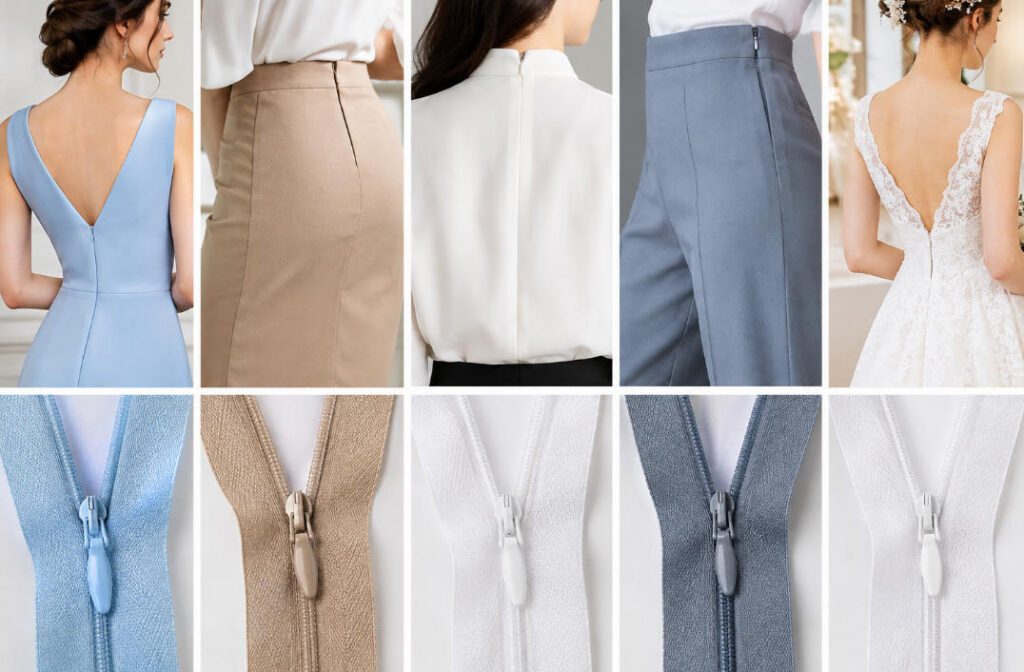
In dresses, invisible zippers show up a lot. They fit well into many styles where you do not want hardware to stand out. Evening gowns, bridesmaid dresses, cocktail dresses, and fitted looks often depend on this kind of hidden closure to keep the front looking clean.
If the fabric is satin, silk, chiffon, or crepe, a zipper that is fine and well-made can work well. The teeth stay out of sight. That helps the seam look smooth, and it keeps the design from getting interrupted.
When you pick an invisible zipper, look at how the dress is built and how it fits. Dresses that hug the body can stretch the seam more than you expect. This is common near the waist, hips, and bust. When that happens, you need a zipper with enough strength. You also need seams that are reinforced so they do not give up under strain.
Check the zipper length too. It has to let the wearer put the dress on and take it off without trouble. For longer dresses, the opening length depends on the pattern. It also depends on the dress shape and where the closure is placed.
Skirts
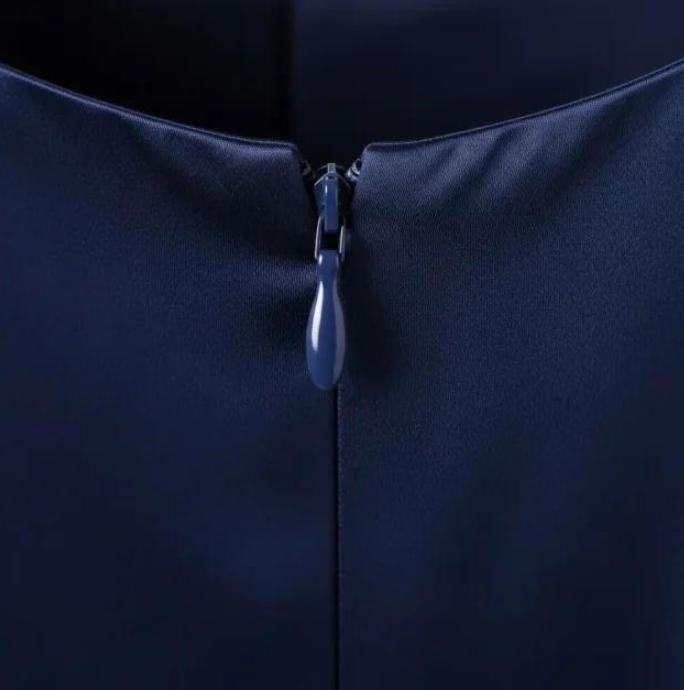
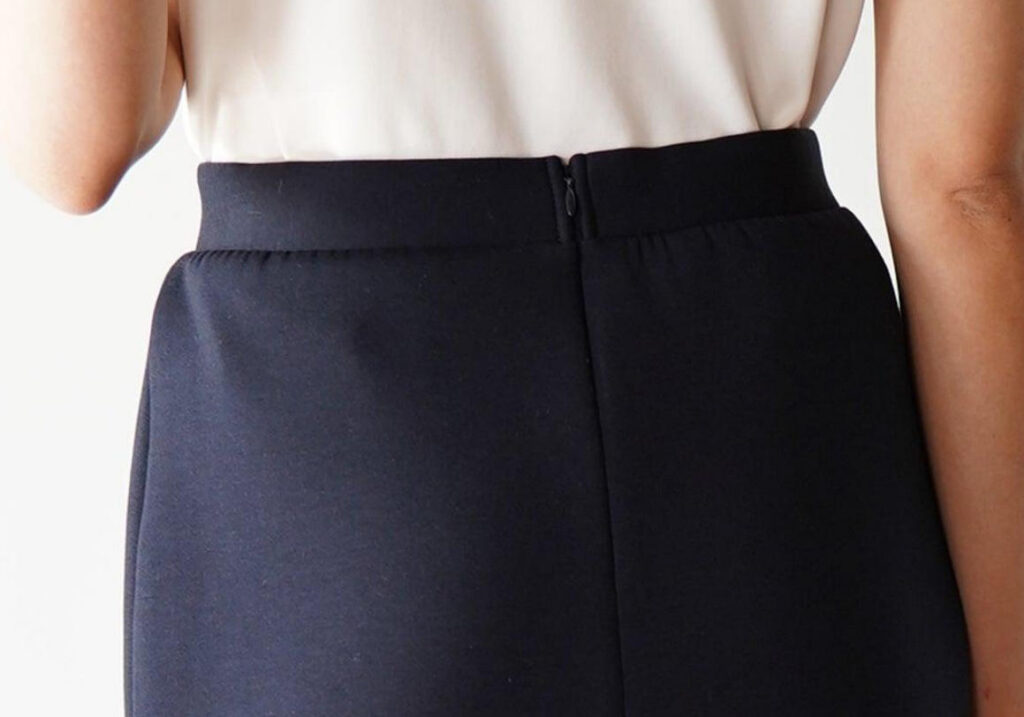
Invisible zippers are often used in pencil skirts and A-line skirts. They also show up in formal skirts and other fitted styles. The goal is a neat center back finish or a clean side seam. It should not break up the shape of the skirt.
For lighter fabrics, a fine invisible zipper can keep things discreet. It should not make the seam look thick. With thicker fabrics and a close fit, a stronger zipper may be needed. Reinforced seam work is also a good idea in those cases.
Band construction matters as well. If the zipper runs into the waistband, its length has to match the pattern. Placement should let the waistband open and close without resistance. The zipper also needs to line up with the waistband seam. When it lines up, the result looks finished and tidy.
Think about what the closure will face during daily movement. Sitting, walking, and bending can add stress. When the zipper is matched well to the fabric and fit, it helps limit seam warping. That can make the skirt feel better over time.
Trousers and Pants
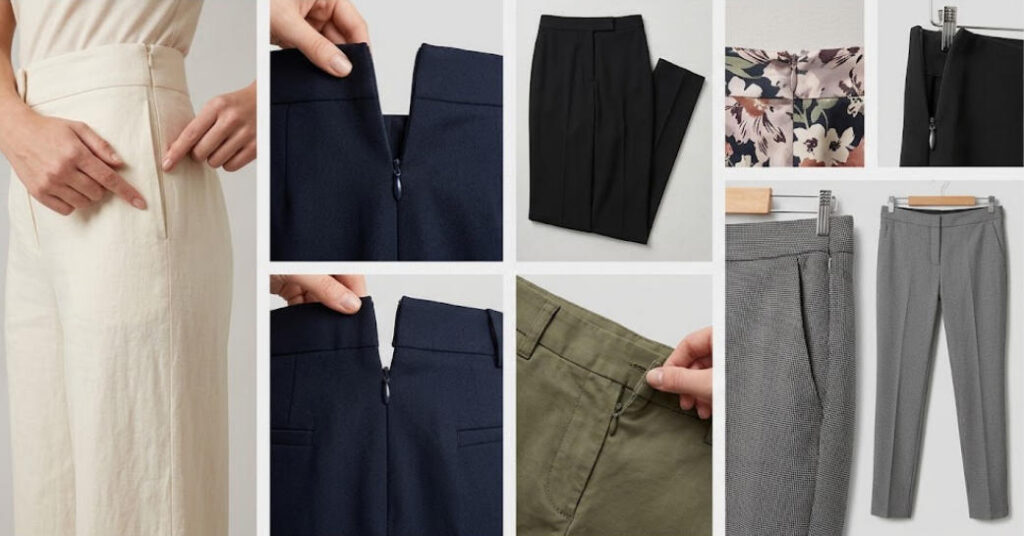
Invisible zippers can be used in women’s trousers and dress pants. You may also see them in some lighter or tailored designs. They are a good fit when the side seam should look clean. They also work when a small, low-profile closure is desired.
In fitted trousers, the zipper takes a lot of strain. It has to handle repeated movement. It also needs to stay attached and still work smoothly. Reinforcing the fabric around the seam can help stop pulling when the wearer moves.
Invisible zippers are generally less suitable for high-stress openings, such as traditional fly fronts, where a conventional trouser zipper is usually better suited to the construction. They are most appropriate when the garment’s design specifically accommodates a concealed side or back opening.
When selecting a zipper for trousers, pay attention to the opening length, waistband design, fabric stretch, and the amount of tension placed on the closure. These details are essential for both comfort and durability.
Blouses and Shirts
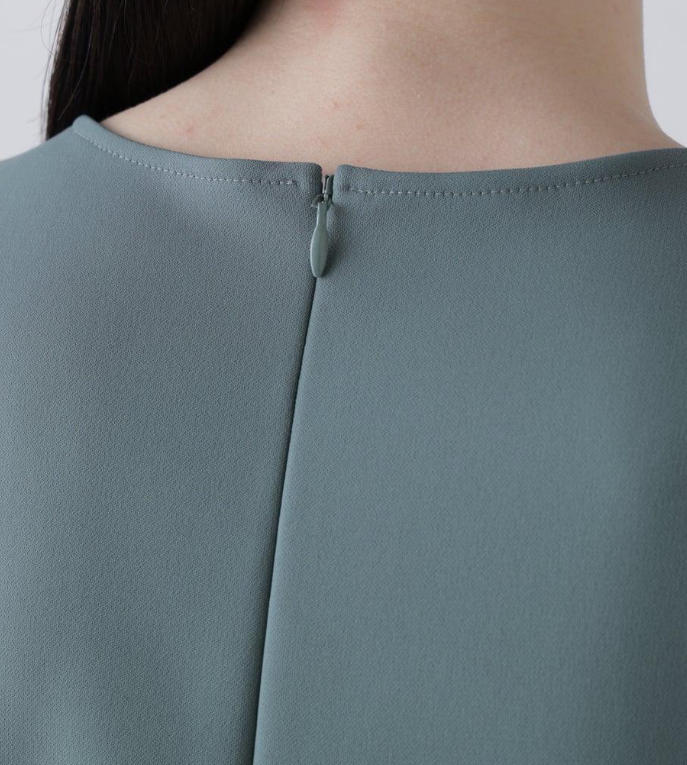
Blouses and dressy shirts often use hidden zippers. They help keep the look clean. This works well when the clothing uses delicate fabric, or when the design avoids buttons and other obvious fasteners.
For silk blouses, satin tops, chiffon items, and light polyester shirts, a thin invisible zipper is often the first choice. The zipper tape should feel soft. It also needs to stay flexible so the seam does not turn stiff or uneven.
Lightweight fabric can slide during sewing. It can also stretch a bit while you work. Because of that, careful setup matters. Adding interfacing or stay tape along the seam area can help keep the fabric lined up. It also helps reduce wrinkling.
Zipper placement is another key point. A back-neck or center-back zipper can fit a tailored blouse. A side-seam zipper can also help keep the front smooth and uninterrupted.
Wedding Dresses and Formalwear
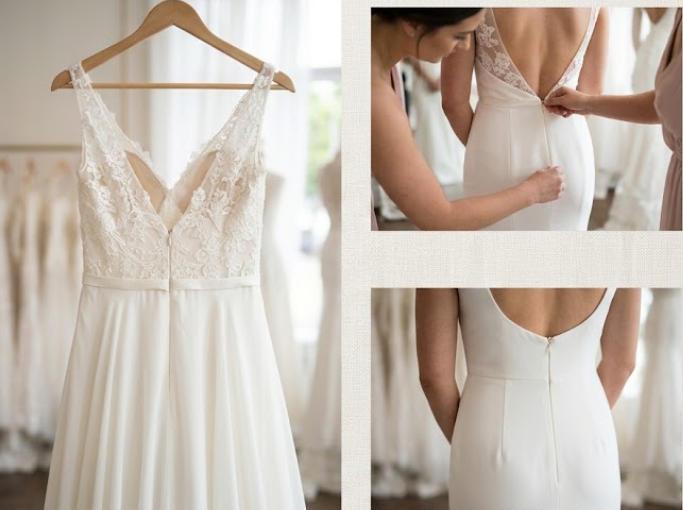
Wedding dresses, evening gowns, and formal pieces often need a neat look and steady function. A hidden zipper can keep the garment lines smooth. That is why it is common in styles where drape and decorative fabric are the focus.
For bridal fabrics, details in the zipper matter. Pick the zipper tape shade, check tooth visibility, and look at how the zipper moves. Also consider the final finish. The zipper should merge with the garment. It should not create a clear bump under satin, lace, or thin outer layers.
Some formal garments use several layers. They may also have lining, structured bodices, or a fitted waist section. These steps can add strain to the zipper area. Choosing the right zipper type and reinforcing the opening can support long-term reliability.
For higher-end or made-to-order garments, test the zipper on the real fabric. This is especially useful. It lets makers check appearance, operation, and seam results before they cut a full run.
Stretch Clothing
Hidden zippers can show up in some stretch garments too. This includes fitted skirts, dresses, and tops. Still, stretch fabric needs extra care. The fabric can move a lot, but the zipper itself does not stretch the same way.
For stretch knits, spandex blends, or elastic fabrics, the zipper should match the way the garment will move. A basic invisible zipper can work when the opening sits in a stable seam. It also helps when the fabric around it is well supported.
If the garment must stretch across the zipper, a standard invisible zipper can limit movement. It may also add too much force at the seam. When that happens, a closure made for stretch or a different zipper design can be a better fit.
Before choosing, manufacturers should look at stretch direction, recovery, overall fit, and where the closure sits.
3. Appropriate Zipper Length
Zipper length directly affects garment usability and construction quality. A zipper that is too short may make the garment difficult to put on, while an unnecessarily long zipper can complicate sewing and finishing.
The appropriate length depends on the garment type, the wearer’s measurements, the opening position, and the design. Dresses may require longer zippers than blouses, while skirts and trousers often need shorter openings determined by their waist and hip construction.
| Clothing Type | Typical Length | Recommended Placement | Key Selection Considerations |
| Evening Dresses | 40–60 cm (16–24 in) | Center back or side seam | Ensure a wide enough opening for easy dressing and a smooth finish. |
| Wedding Dresses | 50–70 cm (20–28 in) | Center back or side seam | Consider multiple fabric layers, fitted bodices, and overall garment structure. |
| Casual Dresses | 35–55 cm (14–22 in) | Center back or side seam | Match zipper length to the dress design and ease of wear. |
| Pencil Skirts | 18–25 cm (7–10 in) | Center back or side seam | Allow enough room to pass the hips and align with the waistband. |
| A-Line Skirts | 18–25 cm (7–10 in) | Center back or side seam | Consider waistband construction and the skirt’s opening requirements. |
| Blouses | 15–25 cm (6–10 in) | Center back or side seam | Use a suitable length for lightweight fabric and easy dressing. |
| Tailored Trousers | 15–20 cm (6–8 in) | Side seam or selected back opening | Check the waistband design and ensure sufficient access. |
| Jumpsuits | 40–60 cm (16–24 in) | Center back or side seam | A longer opening may be needed for easy entry and removal. |
| Stretch Dresses | 25–50 cm (10–20 in) | Side seam or back seam | Consider fabric stretch, recovery, and the need for seam reinforcement. |
| Formal Tops | 15–25 cm (6–10 in) | Center back or side seam | Prioritize discreet appearance and adequate opening length. |
These are common placement options rather than fixed requirements. The final zipper length should be determined by the garment pattern and fitting requirements.
Before production, manufacturers should confirm the opening length, zipper-stop position, and seam allowances to avoid unnecessary alterations or material waste.
4. Matching the Zipper Color to the Fabric
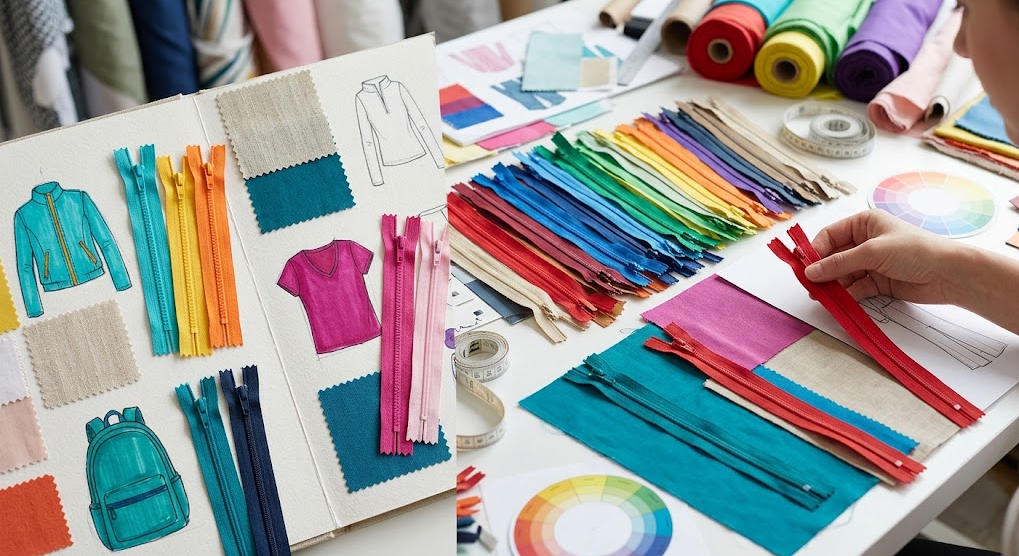
Color match matters a lot for invisible zippers since they are meant to stay hard to notice. When the zipper is closed, the teeth hide well. Still, the tape and the seam around it can show, mainly when the piece is open or made with thin fabric.
For colors like black, navy, white, and other common shades, picking a close zipper is often simple. With harder-to-match fabrics, you may need extra checks. Think of champagne satin, dull pastels, prints, and materials with texture.
It helps to compare the zipper with the actual fabric in the right light. A match that looks good under indoor lighting can shift in daylight.
For bigger orders, keep the color steady across lots. Asking for samples and confirming the color before you buy in bulk can prevent mismatches. It also helps keep the final look consistent.
5. Zipper Material and Construction Quality
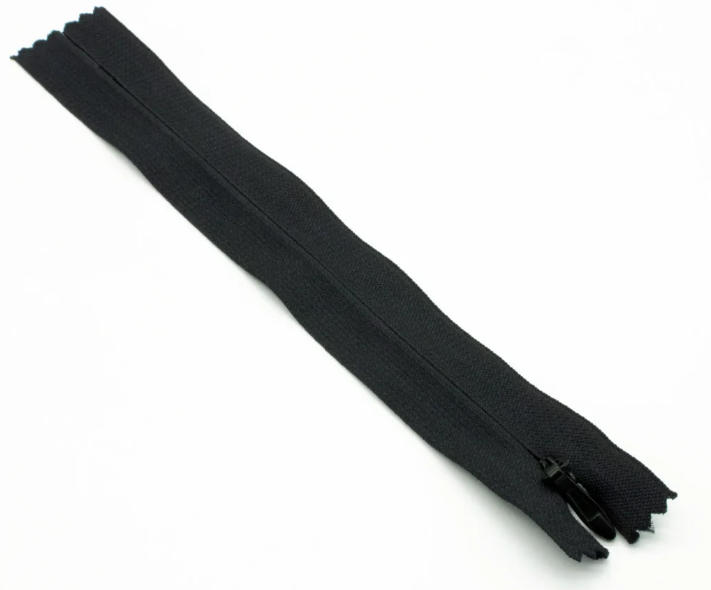
Invisible zippers usually have coil teeth. Most use polyester or nylon. The teeth are fixed to a fabric tape. How the parts are built affects how flexible it feels, how smoothly it runs, how strong it is, and how well it fits different garments.
A top-tier invisible zipper should have teeth that are formed evenly. The tape should be stitched on firmly. Stitching should look consistent. The slider should glide without stopping or snagging. When you open and close it, the zipper should stay lined up. The parts should also suit the garment it will go into.
Manufacturers should check several quality points, including:
- Smooth operation: The slider should move with little drag and not grab often.
- Tooth consistency: The coil should look uniform, with no clear gaps or odd spots.
- Tape stability: The tape should be made solidly and fit the garment fabric.
- Slider reliability: The slider should catch the teeth in a steady way and keep working after repeated use.
- Color consistency: The zipper tape should keep the same shade across the order.
- Dimensional accuracy: The zipper should match the needed length and build details.
Testing should match the way the garment will be worn. For instance, a zipper on an evening dress worn now and then will face different demands than a zipper on a skirt used often.
6. The Sewing and Installation Requirements
Even the right invisible zipper can still look wrong if it is sewn in carelessly. Correct sewing helps the zipper stay hidden, work smoothly, and avoid puckering or warping the fabric.
Using an invisible zipper foot can help place the stitching near the coil. This lets the teeth sit back during setup. The seam should be stitched in a steady way. Also, keep alignment tight and manage stitch tension carefully.
Stabilize the seam area on light fabrics. It can cut down on puckering and unwanted stretch. With fitted styles, add extra support around the zipper edge. That way stress spreads more evenly, and the seam is less likely to pull apart.
Before you close the final seam, test the zipper first. Open it and close it a few times. Watch for snagging, uneven fit, or a change in tension. If you spot issues early, you can still fix them before the garment is fully done.
If you make garments in large batches, use repeatable setup steps. Add checks during production. This helps keep results similar from one piece to the next.
Common Mistakes to Avoid When Choosing Invisible Zippers
Several common mistakes can affect garment appearance, functionality, and durability.
| Clothing Type | Common Mistake | Potential Problem | Recommended Solution |
| Evening Dresses | Choosing a zipper that is too thick | Creates visible ridges and affects the elegant appearance | Select a fine invisible zipper that matches the fabric weight. |
| Wedding Dresses | Ignoring zipper strength and construction | The zipper or surrounding seam may fail under tension | Choose a reliable zipper and reinforce stress-prone areas appropriately. |
| Casual Dresses | Selecting the wrong zipper length | Makes dressing difficult or creates unnecessary bulk | Determine the opening length from the garment pattern before purchasing. |
| Pencil Skirts | Choosing a zipper that is too weak | May fail when the garment is tight around the hips | Select a zipper suitable for the fabric and fit, and reinforce the seam when needed. |
| A-Line Skirts | Misaligning the zipper with the waistband | Creates uneven seams and an unprofessional finish | Match the zipper position carefully with the waistband and seam lines. |
| Blouses | Using a zipper that is too heavy | Causes puckering or distortion in lightweight fabrics | Choose a fine, flexible zipper and stabilize the seam if necessary. |
| Tailored Trousers | Using an invisible zipper for a high-stress fly opening | Can reduce durability and compromise garment construction | Use a conventional trouser zipper for standard fly fronts; reserve invisible zippers for suitable side or back openings. |
| Jumpsuits | Choosing an opening that is too short | Makes the garment difficult to put on or remove | Evaluate the full opening requirement and select an appropriate zipper length. |
| Stretch Dresses | Ignoring the fabric’s stretch properties | Restricts movement or places excessive tension on the zipper seam | Assess stretch and recovery, and consider a stretch-compatible closure where necessary. |
| Satin and Silk Garments | Selecting a zipper with unsuitable tape or rough operation | May cause snagging, puckering, or fabric damage | Test zipper smoothness and compatibility on a fabric sample before production. |
| Printed or Patterned Clothing | Ignoring color and visual matching | Makes the zipper tape or seam more noticeable | Match the tape color and align patterns where the design requires it. |
| All Clothing Types | Buying based on price alone | Leads to inconsistent quality or premature zipper failure | Evaluate construction quality, smooth operation, durability, and supplier consistency. |
| All Clothing Types | Skipping sample testing | Problems may only appear after bulk production begins | Test zipper installation, opening and closing, and seam appearance before mass production. |
| All Clothing Types | Ignoring installation requirements | Causes exposed teeth, uneven seams, or slider problems | Use suitable sewing equipment, correct stitch placement, and consistent quality inspections. |
The best invisible zipper should match the garment’s fabric, construction, fit, and intended use. Checking zipper length, strength, flexibility, color, and installation compatibility before production helps reduce defects and improve garment quality.
How Clothing Manufacturers Can Choose a Reliable Invisible Zipper Supplier
For clothing brands, the zipper supplier matters as much as the zipper specs. When quality stays steady, production runs smoother. It also lowers the chance of defects and helps keep customers satisfied.
A good supplier should carry many zipper lengths and colors. They should also cover different sizes. If customization is offered, that is a plus. For teams using the same garment design again and again, consistent supply is a key point.
Look at the supplier’s quality checks. Ask how they inspect their products. Request the needed specs or test notes when you need them.
Also review lead times and minimum order rules. Confirm sample options too. Fast, clear communication helps during planning and urgent runs. For ongoing orders, verify capacity and delivery expectations before production starts.
A supplier that understands garment making can simplify selection. You are more likely to match invisible zippers to fabric type, design needs, and production volume.
Luxzipper is an invisible zipper manufacturer that provides dependable zipper solutions. Their products work for dresses, skirts, blouses, formalwear, and other clothing items. The focus is on smooth use, strong build, tight measurements, and steady quality. Offering customizable zipper lengths, colors, and specifications, Luxzipper provides flexible, factory-direct solutions to meet diverse apparel production needs.
Final Words
Choosing an invisible zipper for different clothing types takes planning. Think about fabric weight, garment style, zipper length, color, construction quality, and installation requirements. Lighter invisible zippers often suit blouses and delicate dresses. For fitted skirts and tailored pieces, strength matters more, and seam reinforcement is often needed. For stretch fabrics, the zipper should keep working as the fabric moves.
Match the zipper to the garment’s specific requirements. Do a few tests on sample pieces before production. Clothing manufacturers can achieve a clean finish, reliable closure performance, and consistent product quality. Selecting a dependable zipper supplier can make production run more smoothly. It also helps make sure each garment reaches the target look and holds up as it should.