
Why Do Jeans Have A Tiny Pocket?
That tiny pocket inside the right front pocket of your jeans seems almost useless today. It is too small for a phone or wallet, and most people use it for coins, a lighter, or nothing at all.
But it was not added as decoration. The pocket dates back to the early days of jeans, when denim was made for workers rather than everyday fashion. At the time, that small pocket had a very specific job.
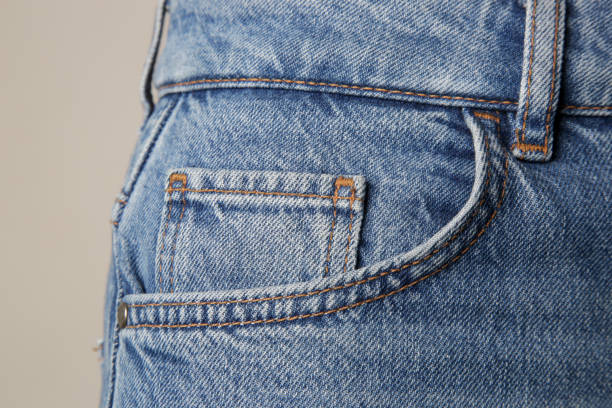
Table of Contents
It Began as a Watch Pocket
In 1873, Levi Strauss and tailor Jacob Davis received a patent for using copper rivets to reinforce stress points on work trousers. The rivets helped keep pockets and seams from tearing during heavy use. Early jeans also featured a small pocket on the front right side, designed to hold a pocket watch.
Pocket watches were common at the time, especially among miners, railroad workers, carpenters, and ranch hands. Because the watches had glass faces and were often carried on chains, they needed a pocket that would keep them from moving around too much. The small, narrow pocket provided a snug place to carry one while working.
The watch pocket was not standard on every early pair of jeans. It became a regular feature on Levi’s waist overalls in the 1890s and remained part of the design even as pocket watches gradually fell out of everyday use.
There is also a small naming twist. Early jeans had four pockets: two front pockets, one back pocket, and the watch pocket. The second back pocket was added around 1901. That means the tiny pocket existed before jeans had five pockets, even though it is often called the “fifth pocket” today.
Why the Design Survived
As wristwatches became more common in the early 20th century, fewer people needed a separate pocket for a pocket watch. Jeans manufacturers kept the small pocket anyway, and over time it became part of the familiar five-pocket design.
Even during World War II, when some metal details on jeans were reduced to conserve materials, the pocket itself remained. It continued to appear on jeans after the war and is still found on both workwear and fashion denim today.
The small pocket has also kept some of its original construction. Rivets at the corners help reinforce the opening and reduce tearing, just as they did on early work trousers. While few people use it for a watch anymore, the basic design has changed very little.
What Do People Put in It Now?
The pocket may have started as a place for a pocket watch, but people have found plenty of other uses for it.
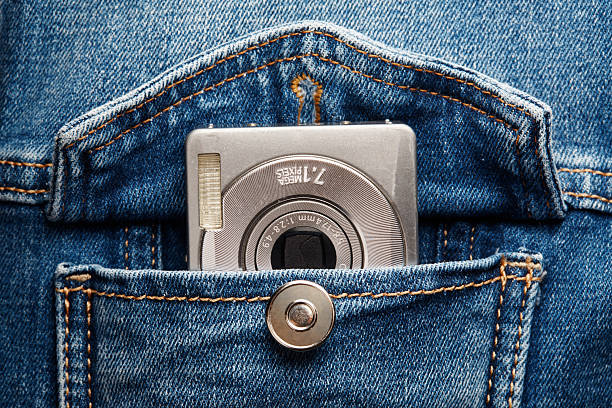
Coins are probably the most obvious one, which is why “coin pocket” is now another common name. Small keys, guitar picks, USB drives, folded bills, rings, lip balm, and other tiny items can fit in there too.
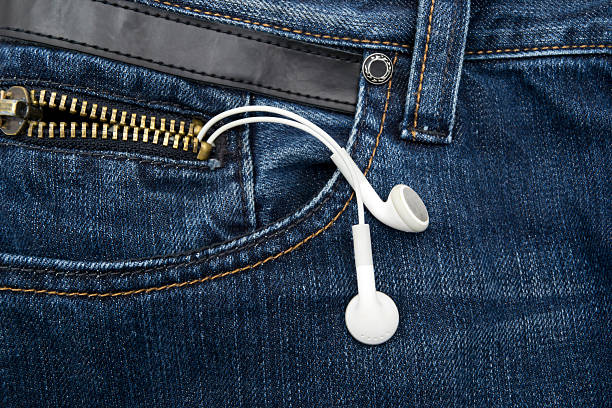
Some people use it for a Zippo-style lighter. Others put a single earbud or another small item inside so it does not get lost at the bottom of a larger pocket.
The little pocket even had a brief moment in the spotlight in 2005.
When Steve Jobs introduced the first iPod nano, he showed that the tiny music player could fit inside the watch pocket of his jeans. The nano was just 6.9 mm thick and weighed 42 grams, making the old pocket look surprisingly well suited to a piece of modern technology.
Of course, the jeans makers of the 1800s were not thinking about iPods. The watch pocket simply happened to be the right size for a new kind of small device more than a century later. Today, you can put almost anything small in it. Coins, keys, earbuds, and other little items all have a place there. It may no longer have one specific purpose, but that is part of what makes the tiny pocket so useful.
When the Tiny Pocket Gets a Zipper
The traditional watch pocket is open at the top, usually with visible rivets or reinforced stitching. Modern jeans do not always follow this design. Some fashion, travel, workwear, and utility jeans use a small zippered pocket instead.
The main difference is simple: an open pocket is easier to reach, while a zipper helps keep small items from falling out. This makes a zippered pocket useful for coins, keys, cards, and other small items that need to stay in place while the wearer is moving.
The same idea applies to the main fly. Metal zippers are still common on jeans because they work well with heavier denim and match the traditional look of the fabric. For lighter garments, designers may choose coil or other zipper types for a softer and more flexible construction.
The zipper also needs to match the garment itself. Its size, material, slider, tape, and finish should all suit the fabric and how the garment will be used.
A heavy pair of denim jeans, for example, may need a different zipper from a lightweight fashion garment.
Why Do Jeans Brands Still Keep the Tiny Pocket?
Modern jeans could easily be made without the tiny pocket. Many people rarely use it, and some may not even know what it was originally designed for.
Still, take it away from a classic pair of jeans and something can look slightly off. The pocket has become part of the familiar look of denim. Along with rivets, contrast stitching, the texture of the fabric, and the traditional five-pocket layout, it gives jeans the appearance people have come to expect.
The pocket was originally made for a pocket watch. The watch disappeared, but the pocket stayed. The same thing has happened with many other details in clothing. A feature may start with a practical purpose and later become part of a garment’s design. Pockets, buttons, rivets, and zippers all affect how a garment looks as well as how it works.
For garment brands and manufacturers, details such as pocket construction, buttons, rivets, and zippers should be considered as part of the garment rather than as an afterthought. The right zipper type, size, material, and finish can affect both everyday use and the overall appearance of the clothing.
If you are customizing zippers for jeans, metal zippers can provide the classic look associated with traditional denim, while nylon zippers offer a lighter and more flexible option. At Luxzipper, we produce high-quality nylon, metal, and specialty zippers with short lead times and consistent performance for denim and workwear applications.