
Two-way Separating vs. Two-way Closed-end Zippers: 7 Key Differences
Two-way zippers show up in clothing, luggage, backpacks, and outdoor gear. Featuring two sliders, these zippers allow users to adjust openings from different directions, improving convenience and functionality. Still, not all two-way zippers are designed in the same way. Two-way separating zippers and two-way closed-end zippers differ in end constructions, operating methods, and application requirements.
Knowing the differences between these two-way zipper types helps apparel designers, product developers, and purchasing professionals choose the right option for their products. The sections below compare structure, functional characteristics, benefits, common uses, and how to choose between them.
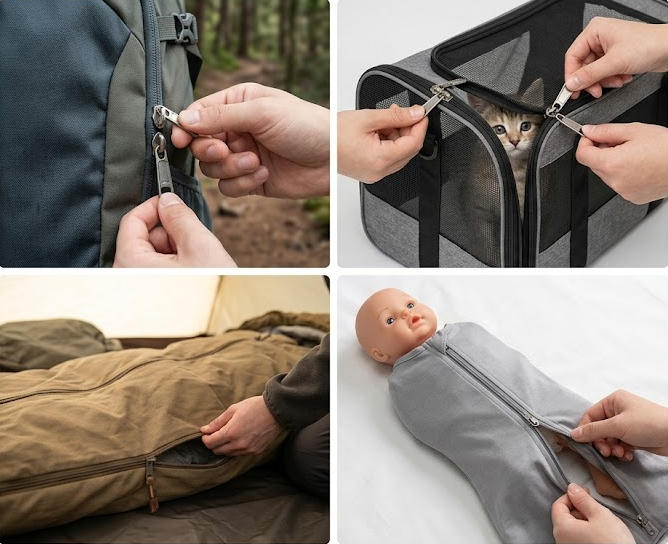
Table of Contents
Understanding Two-way Separating Zippers
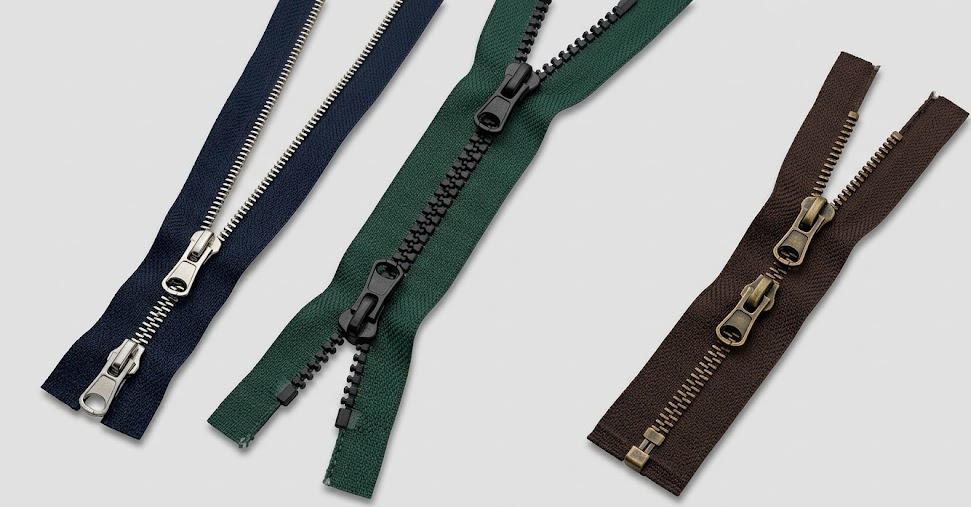
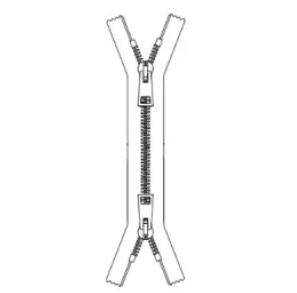
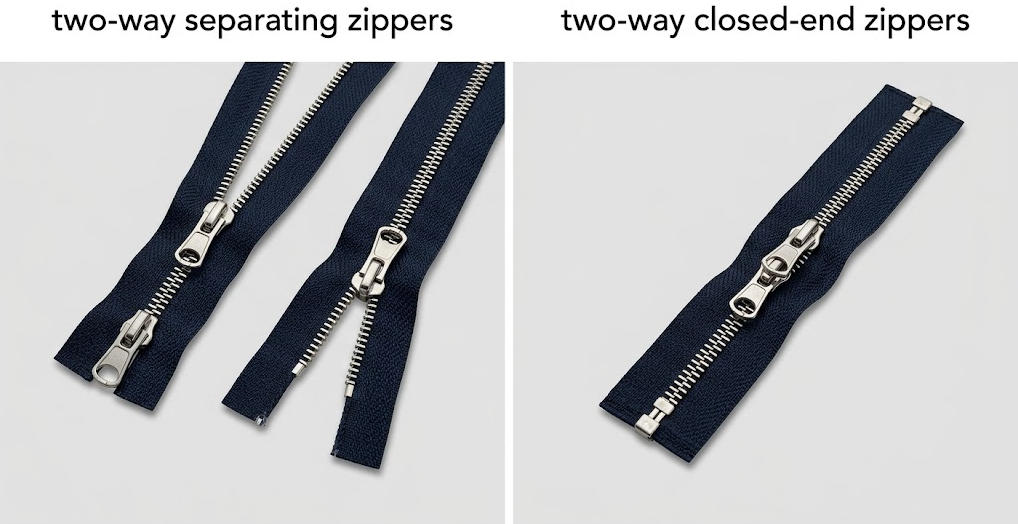
A two-way separating zipper has two sliders. It also has a release area at one end. When that end is released, the two zipper sides can come apart fully. This gives the user both two-way control and the option to open the garment completely.
With the zipper shut, the teeth line up and form one continuous closure. To adjust the opening, the user slides the two sliders in separate directions. If the end is released the right way, the two sides detach from each other all the way.
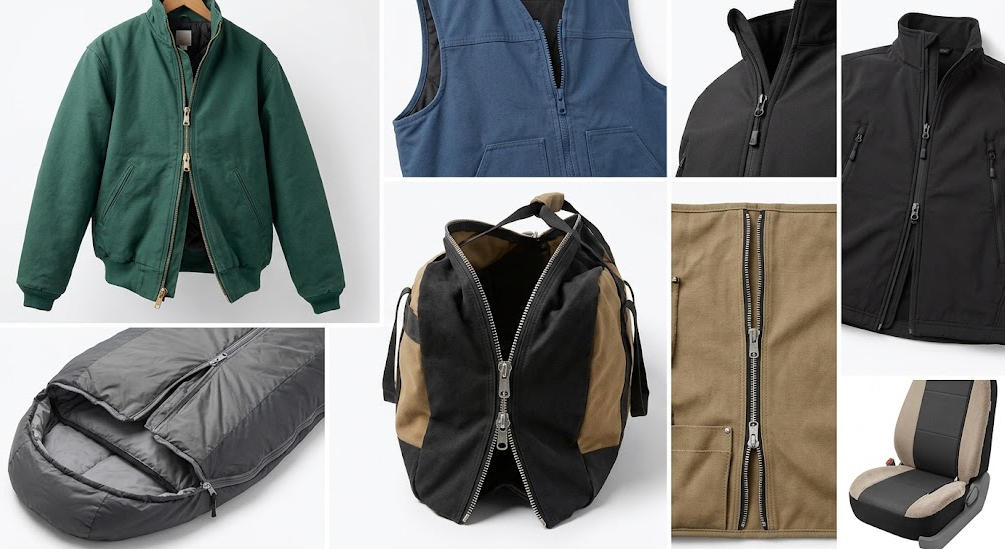
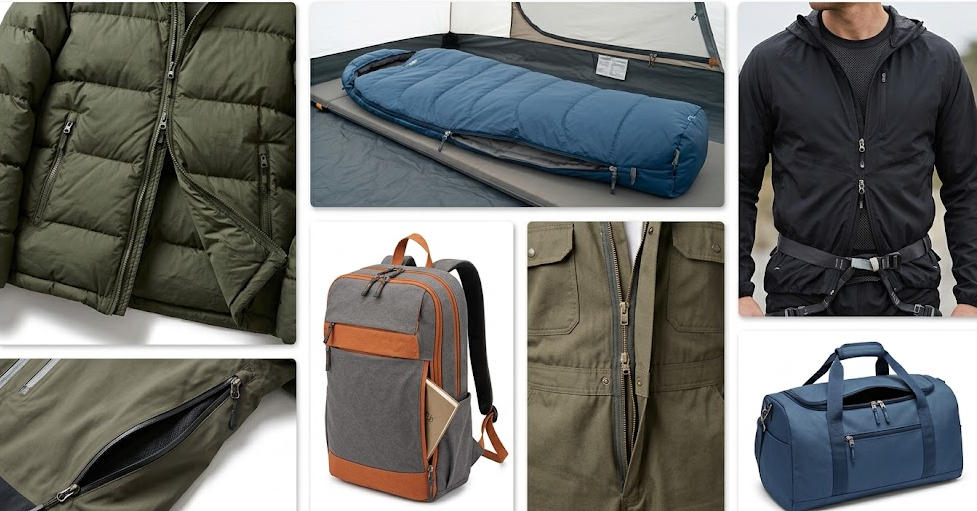
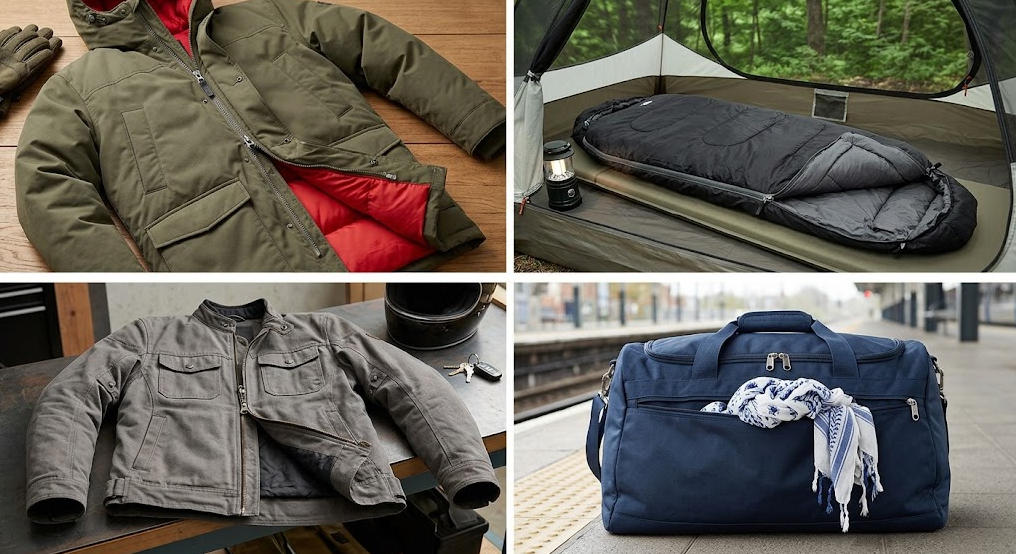
These zippers are often seen on long coats and winter jackets. They also appear on outdoor clothing and special garments. For example, a long coat may stay closed near the upper body. At the same time, the lower part can open for easier walking, biking, or sitting.
The main upside is the mix of a full opening option and flexible venting. It also supports freer movement when needed.
Understanding Two-way Closed-end Zippers
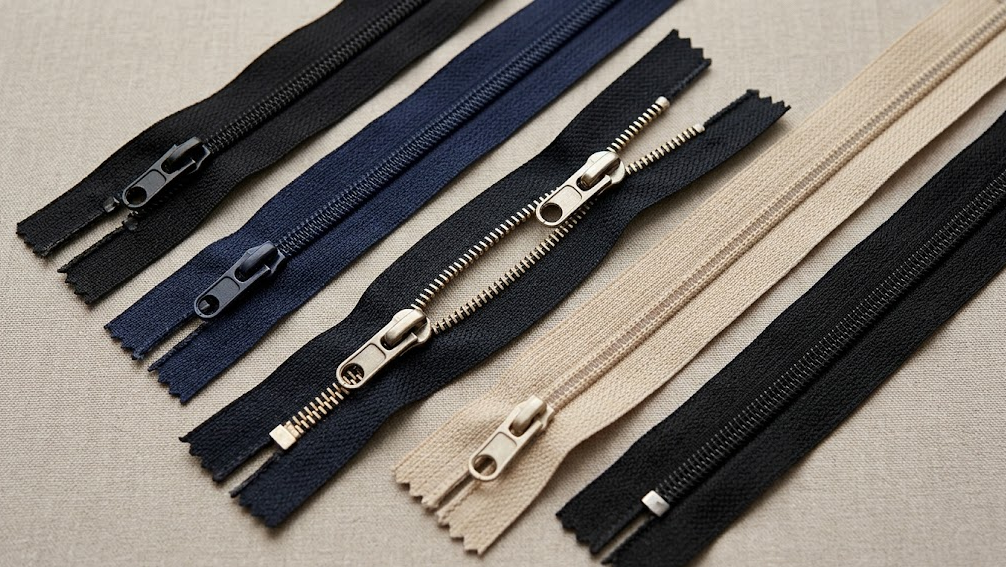
A two-way closed-end zipper also uses two sliders. But the ends are designed to keep the zipper chain joined. In normal use, the zipper sides do not fully separate.
Depending on the zipper build, the sliders can travel toward each other or move away. This can form an adjustable gap between them. That setup is useful when a product needs access in different spots while still keeping the zipper structure in one connected line.
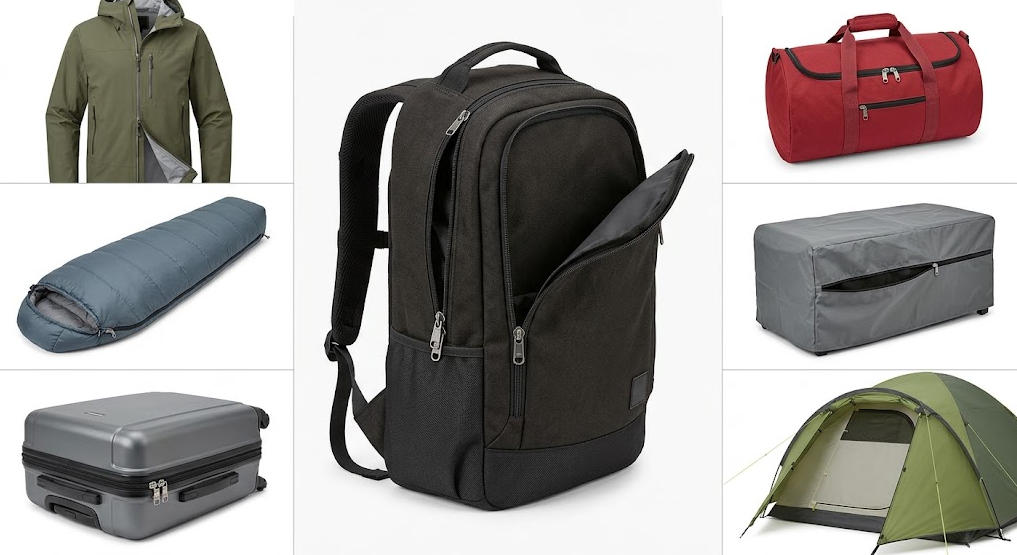
You can find two-way closed-end zippers on luggage and backpacks. They also fit on storage bags, tool cases, and other packs. These items need flexible access, but the zipper should stay connected.
For instance, a travel bag may use a two-way closed-end zipper to open one chosen area. Even when the user opens that section, the zipper chain stays linked at both ends.
Key Differences Between Two-way Separating and Two-way Closed-end Zippers
Even though both two-way zipper types use two sliders, the internal design changes how each one works and where it fits best. Those design choices shape product form, how people handle the item, and what makers must do during production.
1. Separating Mechanism vs. Fixed Ends
Two-way separating zippers include parts that let the zipper tape break apart at the marked separation end. Those parts have to line up well so the zipper can lock and then release when needed.
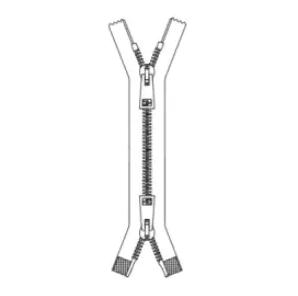
Two-way closed-end zippers are made so the chain stays joined at both ends. End stops and related finish parts help keep the closure in the right shape.
Because of this, the two styles do not always swap with each other. This can hold true even if length, tooth size, and materials look the same.
2. Slider Configuration
Both zipper types use two sliders, but the layout must match the way the zipper should open and close. The buyer should state if the sliders should point the same way or face opposite directions. They should also define how the sliders should meet and which zipper sections must open.
For separating two-way zippers, the slider layout also has to work with the separation parts. For closed-end zippers, the sliders must move smoothly and not bump into the fixed end parts.
3. Materials and Customization
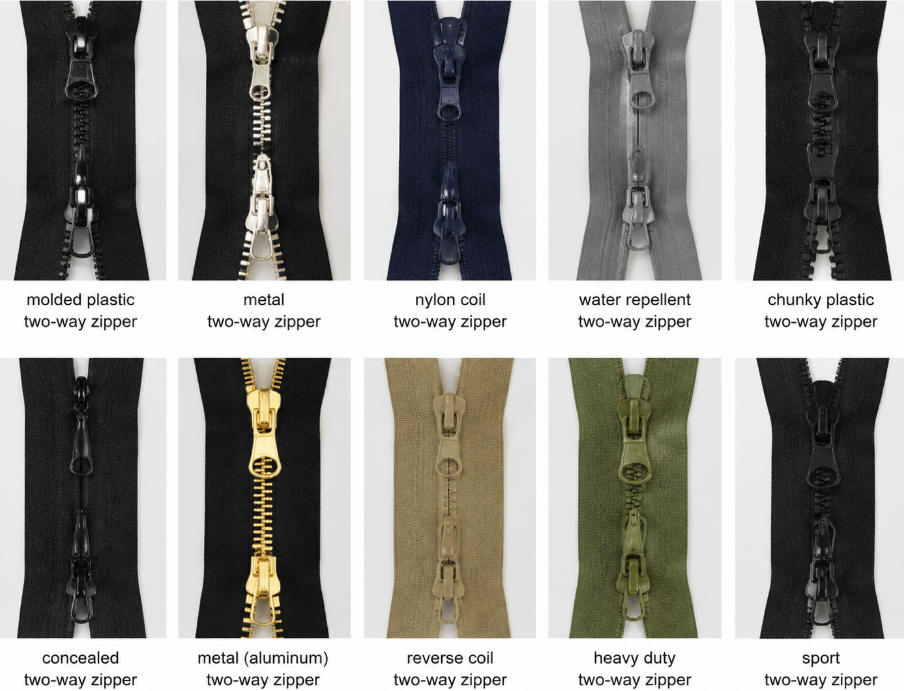
These zippers types made with different materials, include two-way nylon coil zippers, two-way molded plastic zippers, or metal teeth two-way zippers. The best pick depends on the product weight, needed wear life, look, flexibility, and the conditions during use.
There are also common options for length, color, tape type, slider form, puller design, and end finishing. Still, the end structure has to match the zipper style. The pieces must be compatible.
4. Mobility and Convenience
Two-way separating zippers work well on long items. When the lower part opens, it gives extra room for movement without needing to unzip the whole item. When it fully separates, it is also easier to put on and take off.
Two-way closed-end zippers are more about flexible access. With two sliders, a user can reach different spots on a bag or a compartment. The chain does not need to disconnect.
5. Closure Requirements
Separating zippers must connect firmly and then disconnect at the separation end. If parts do not line up, or if components are worn, the connection can get harder and may fail to work well.
Closed-end zippers must maintain a continuous closure and provide reliable slider movement. Their performance depends on the quality of the teeth, sliders, tape, and end construction.
6. Durability and Maintenance
Neither zipper type is guaranteed to last longer by default. Wear life depends on the chosen materials, tooth shape, component build, how well parts are made, and the strain placed on the zipper during use.
For heavy-duty use, check the zipper size first. Then look at the strength of the teeth, the slider build, and how well it holds up after many cycles. Simple upkeep also matters. Clean it when needed and do not force it during use.
7. Applications
| Application | Recommended Zipper Type | Main Reason |
| Long winter coats | Two-way separating zipper | Enables complete opening and adjustable bottom access |
| Outdoor jackets | Two-way separating zipper | Supports movement and flexible ventilation |
| Specialized workwear | Two-way separating zipper, when full opening is required | Makes dressing and removal more convenient |
| Travel luggage | Two-way closed-end zipper | Provides adjustable compartment access while maintaining connection |
| Backpacks | Two-way closed-end zipper | Allows users to access contents from different positions |
| Storage bags | Two-way closed-end zipper | Supports flexible opening without complete separation |
| Equipment cases | Two-way closed-end zipper, when continuous closure is needed | Keeps the zipper chain connected during use |
These recommendations are general guidelines. The actual choice should account for the product’s construction, opening direction, expected load, and end-user requirements.
Summary Comparison Table of Two-way Separating and Two-way Closed-end Zippers
| Comparison Factor | Two-way Separating Zippers | Two-way Closed-end Zippers |
| Basic Structure | Features two sliders and a separating mechanism at one end | Features two sliders with ends designed to keep the zipper chain connected |
| End Construction | Includes an insertion pin and retaining box or equivalent separating components | Uses closed-end stops or other end constructions that prevent normal separation |
| Separation Capability | Can completely separate into two halves | Cannot completely separate during normal operation |
| Opening Method | Opens from the top or bottom and can be fully detached | Allows access from different positions by moving the two sliders |
| Main Function | Provides complete opening and adjustable lower openings | Provides flexible access while maintaining a connected closure |
| User Convenience | Makes garments easier to put on and remove and improves mobility | Makes it easier to access selected areas of bags and compartments |
| Common Materials | Nylon coil, molded plastic, and metal | Nylon coil, molded plastic, and metal |
| Typical Applications | Long coats, winter jackets, outdoor clothing, and workwear | Luggage, backpacks, storage bags, and equipment cases |
| Design Advantages | Full opening, flexible movement, and convenient ventilation | Multiple access points and continuous closure |
| Manufacturing Requirements | Requires compatible separating components and correctly aligned sliders | Requires suitable end stops and compatible dual-slider construction |
| Quality Control | Test separation, reinsertion, slider movement, and tooth engagement | Test slider movement, closure integrity, end strength, and tooth engagement |
| Key Selection Consideration | Choose when complete separation is required | Choose when the zipper must remain connected at both ends |
How to Choose Between Two-way Separating and Two-way Closed-end Zippers
Selecting the right zipper involves more than comparing the number of sliders. Product structure, user requirements, material compatibility, and durability all influence the final decision.
1. Consider Whether Complete Separation is Necessary
Decide if the item must open into two detached sides. If the zipper is on a jacket that must open fully for removal, a two-way separating zipper is usually the better option. If the zipper must stay joined at both ends, a two-way closed-end zipper often fits best.
2. Evaluate the Product’s Main Function
For long coats, outdoor clothing, and garments meant for free movement, a separating zipper is useful. For bags, luggage, and storage sections, a closed-end zipper often gives the access you need without breaking the zipper chain.
3. Check Zipper Size and Load Requirements
Zipper size affects the overall appearance, operating feel, and suitability for different applications. Larger teeth may be appropriate for heavy-duty products, while smaller sizes can work well for lightweight garments and accessories. Buyers should evaluate expected loads and ensure that the teeth, sliders, tapes, and end components are compatible.
4. Confirm Slider Configuration and Manufacturing Quality
A two-way zipper must have the correct slider orientation and compatible components. Buyers should verify whether the sliders face in the same or opposite directions, how they meet, and whether the zipper opens as intended.
Quality checks should include smooth slider movement, secure tooth engagement, consistent tape dimensions, reliable end construction, and resistance to repeated opening and closing.
5. Work With an Experienced Zipper Manufacturer
An experienced zipper manufacturer can help buyers confirm the correct construction, select compatible components, and customize specifications. Providing a product sample, technical drawing, required dimensions, and intended application can reduce the risk of ordering an unsuitable zipper.
Summary
- Two-way separating zippers are ideal for garments that require complete opening and adjustable bottom access.
- Two-way closed-end zippers are better suited to bags, luggage, and equipment compartments that need flexible access while keeping the zipper chain connected.
Common Mistakes When Selecting Between Two-way Separating and Two-way Closed-end Zippers
A common mistake is that any two-way zipper will fully open. But the number of sliders alone does not tell you if it is a separating model or a closed-end style.
Another mistake is picking a zipper just by tooth material or by size. Two zippers can look alike. Still, the way the ends are built and how the sliders are set up can make one a poor fit for the same kind of item.
People also miss details about where the zipper will be used. Outerwear often needs give and protection against wet conditions. Bags and luggage zippers may need to handle daily pulling and bumps.
To avoid these problems, spell out what you need before production starts. Confirm the zipper style, whether it must separate, the slider layout, the zipper length, the material, and the expected use conditions.
Final Thoughts
Two-way separating and two-way closed-end zippers both let users work with two sliders. Yet they are designed for different needs. When manufacturers and buyers compare construction, operation, performance, and application of the two zippers, they can make better choices. Selecting the right zipper type can improve how the product works, how it feels to use, and how long it lasts.