
What Is the Difference Between a Zipper Slider and a Pull?
When you look at a zipper, the small part you grab is usually the first thing you notice. But what is it actually called? Is it the zipper slider, the zipper pull, or both?
They are not the same part. The slider is the component that moves along the zipper teeth and opens or closes the zipper. The pull, also called a pull tab, is the part you hold to move the slider.
The two work together, but they have different jobs. Understanding the difference makes it easier to identify zipper parts, replace a damaged component, or choose the right zipper for a particular product.
What Is a Zipper Slider?
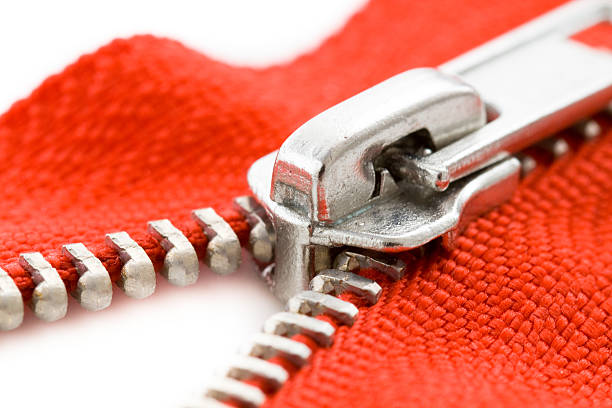
The zipper slider is the small component that travels along the two sides of the zipper. Its main job is to bring the zipper elements together or separate them as it moves.
According to YKK’s explanation of zipper structure, a zipper consists mainly of the elements, slider, and tape. The elements are the teeth or other interlocking parts on both sides, while the slider controls how they engage and separate.
Inside the slider is a shaped passage that guides the two sides of the zipper. When you move the slider in one direction, the elements come together and the zipper closes. Move it in the opposite direction, and the elements separate.
So, if a zipper stops closing properly, the problem may not be with the teeth themselves. A worn or damaged slider can also affect how well the two sides engage.
What does a zipper slider look like?
A typical slider has several parts, including the body, crown or tab holder, and the point where the pull tab is attached. The exact design varies according to the zipper type and application.
Sliders can also have different functions. Some are non-lock sliders, while others have locking mechanisms that prevent the zipper from moving unintentionally. This is common on clothing such as jeans.
What Is a Zipper Pull?
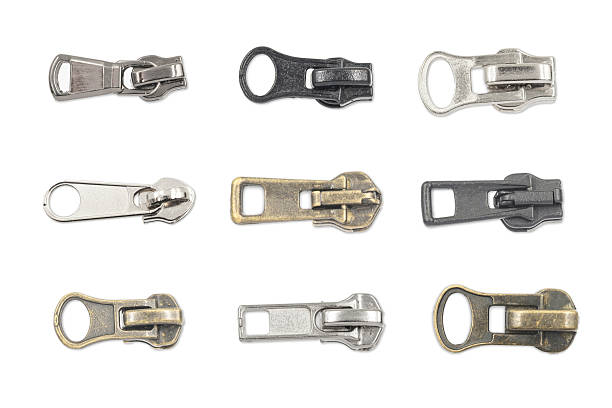
The zipper pull is the part you hold with your fingers. It may also be called a pull tab, depending on the zipper design.
Its basic purpose is simple: it gives you something to grip so you can move the slider.
A pull can take many forms. It might be a small metal tab on a jacket, a fabric loop on a bag, a cord on outdoor equipment, or a larger decorative piece on luggage. Some pulls are designed mainly for appearance, while others are made larger to make the zipper easier to operate.
You may also notice a hole in some metal pull tabs. This is not just a design choice. YKK notes that the opening can make the pull easier to grip and lighter, and it can also be used to attach decorative straps or other items.
The pull itself does not normally control the zipper teeth directly. Instead, it is attached to the slider. When you move the pull, the slider moves with it.
Zipper Slider vs. Zipper Pull: What’s the Difference?
The easiest way to remember the difference is this:
The slider moves the zipper teeth. The pull is what you hold to move the slider.
- The slider is the working component. It travels along the zipper and controls whether the elements engage or separate.
- The pull is the handling component. It gives you a convenient place to apply force and move the slider.
For example, when you close a jacket, you normally grab the pull and move it upward. The pull moves the slider, and the slider guides the two sides of the zipper elements together.
| Zipper Slider | Zipper Pull | |
| Definition & Position | The component that moves along the zipper teeth or elements. It is attached directly to the zipper chain. | The part attached to the slider that you hold with your fingers. It extends outward from the slider. |
| Functional Role | Controls the opening and closing of the zipper by bringing the two sides of the zipper elements together or separating them. | Provides a grip that allows you to move the slider more easily. |
| Can It Be Replaced Separately? | Sometimes. A damaged slider can often be replaced, but the new slider must match the zipper type and size. | Often, yes. A broken or missing pull can sometimes be replaced without changing the slider. |
| Effect on Zipper Performance | Directly affects how the zipper operates. A worn, bent, or incompatible slider can cause sticking, separation, or difficulty closing the zipper. | Usually has little effect on the zipper mechanism itself. However, a poorly designed pull can make the zipper harder or less comfortable to use. |
| Common Misuse | Often incorrectly called the “zipper pull” because it is the part that moves when you pull the zipper. | Often used as a general name for the entire moving zipper component, even though the pull is only the part you actually grip. |
| Material & Design Flexibility | More limited because its dimensions and internal structure need to match the zipper elements. | More flexible in shape, size, material, and appearance. It can be made from metal, plastic, cord, fabric, or other materials depending on the product. |
How Do the Zipper Slider and Pull Work Together?
The zipper pull and slider work together, but they perform different jobs. When you pull the tab, the movement is transferred to the slider, which travels along the zipper elements. The slider’s internal shape guides the two sides together or apart, allowing the zipper to close or open.
Some sliders also have a locking mechanism, such as an auto-lock slider. In these designs, the position of the pull can control the locking function. Moving the pull allows the slider to travel, while releasing it can engage the locking mechanism and keep the slider in place. This type of slider is commonly used on garments such as jeans, trousers, and jackets.
The difference becomes more important when a zipper needs repair. If the pull is broken but the slider still works properly, replacing the pull may be enough. If the slider is bent, worn, stuck, or no longer keeps the zipper closed, replacing the pull will not solve the problem. The slider needs to match the zipper type and size.
You can find the same basic mechanism in clothing, bags, luggage, tents, and outdoor gear. The pull may change in size, shape, or material depending on the product, but its basic purpose remains the same: it gives you a way to move the slider, while the slider handles the actual opening and closing of the zipper.
Can You Replace a Zipper Pull Without Replacing the Slider?
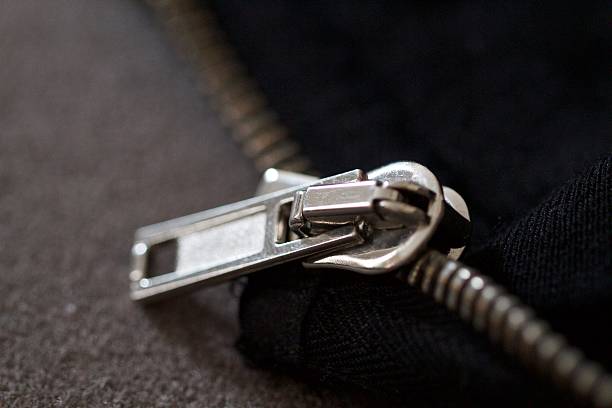
Sometimes you can replace the zipper pull without changing the slider. If the zipper still works normally but the pull is broken, missing, or simply hard to hold, replacing the pull may be all you need. Some zipper designs also use interchangeable or clip-on pulls, which makes the replacement fairly straightforward.
The situation changes when the slider is the part causing the problem. If the zipper opens again after being closed, gets stuck in the same area, or moves along the teeth without joining them properly, the slider may be worn or damaged. A cracked, bent, or visibly worn slider is another clear sign that the pull is not the main issue.
In these cases, changing the pull will not fix the zipper. The replacement slider also needs to match the zipper’s type and size. Two sliders may look almost identical but work differently with different zipper elements, so appearance alone is not a reliable way to choose a replacement.
Does the Zipper Pull Affect How a Zipper Works?
The pull itself usually does not affect whether the zipper teeth engage properly. What it changes is how the zipper feels to use. Its size and shape can make a noticeable difference, especially when you need to open or close the zipper repeatedly.
A small pull is often enough for lightweight clothing. Larger pulls are generally easier to grip on backpacks, suitcases, workwear, and outdoor gear. The material can vary as well, with metal, plastic, fabric, and cord all commonly used for different product designs.
The slider plays a more important role in the actual movement of the zipper. Its size, construction, locking mechanism, and fit with the zipper elements all need to match.
So, although the pull and slider may look like simple, separate parts, they are not always interchangeable. The components need to work together with the rest of the zipper to ensure smooth and reliable operation.
How to Choose the Right Zipper Pull or Slider
If you are replacing a zipper component or developing a product, start with the zipper itself rather than choosing a pull or slider based only on its appearance.
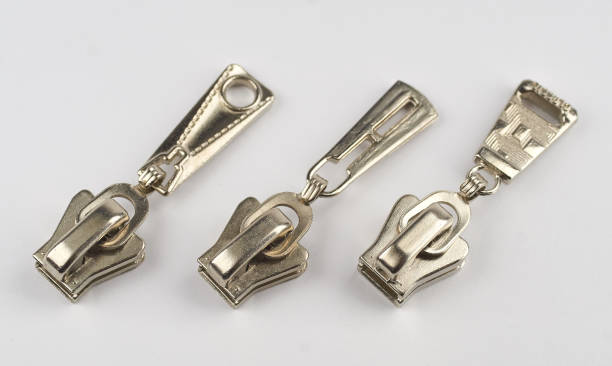
For a zipper pull, consider how the finished product will be used. A clothing zipper may need a compact pull, while luggage, bags, workwear, or outdoor products may benefit from a larger and easier-to-grip design.
For a slider, compatibility is more important. The slider needs to match the zipper type, size, and element construction. Metal, coil, and molded plastic zippers use different constructions, so the right slider depends on the zipper system rather than appearance alone.
The intended application also matters. A slider for a pair of jeans may need a locking function, while other products may use a non-lock slider. If you are unsure which pull or slider is suitable, working with a zipper manufacturer such as Luxzipper can help you match the components to the zipper type and the final application from the beginning.
Frequently Asked Questions
Is a zipper slider the same as a zipper pull?
No. The slider is the component that moves along the zipper elements and opens or closes the zipper. The pull is the part you hold to move the slider.
What part of a zipper do you pull?
You pull the zipper pull or pull tab. It is attached to the slider and allows you to move the slider along the zipper.
Can you replace just the zipper pull?
In many cases, yes, particularly when the slider still works properly. However, the replacement method depends on the zipper construction and how the pull is attached.
What is the part that moves along the zipper teeth?
The zipper slider moves along the zipper teeth or elements. It guides the two sides together or apart as the zipper opens and closes.
Final Thoughts
A zipper pull and a zipper slider may look like one small unit, but they have different jobs. The pull is the part you hold, while the slider is the part that moves along the zipper and controls the zipper elements.Once you understand this distinction, terms such as zipper pull, pull tab, slider, and zipper elements become much easier to follow. It also helps when you need to identify a damaged zipper part or select compatible components for clothing, bags, luggage, outdoor gear, and other products.