
What Is the Hole in a Zipper Pull Used For? Hidden Uses and Practical Tips
Have you ever looked closely at a zipper pull and noticed the small hole in it? It is easy to assume that the hole is simply part of the design. In fact, it can serve several practical purposes.
From securing luggage and attaching pull cords to providing a quick fix when a zipper pull breaks, this small detail can be surprisingly useful. Here is what the hole in a zipper pull is for and how you can make use of it in everyday situations.
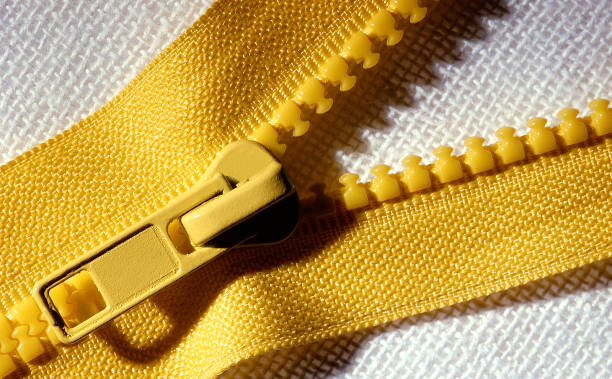
Table of Contents
What Is the Hole in a Zipper Pull Used For?
The hole in a zipper pull is not always just decorative. Depending on the zipper design and application, it can make the pull easier to secure, customize, or use.
1. Locking Two Zipper Pulls Together
One of the most familiar uses is securing luggage, backpacks, and travel bags.
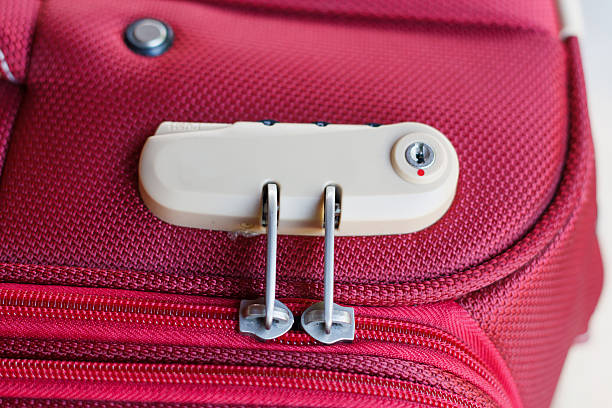
Many bags use two zipper sliders that meet in the middle. If both zipper pulls have holes, a small padlock, combination lock, or compatible luggage lock can be passed through them to keep the zipper pulls together.
This does not make a soft-sided bag completely theft-proof, but it can prevent the zipper from being opened casually and adds another layer of security while traveling.
For luggage used on international trips, travelers often choose TSA-recognized locks when appropriate for their destination and travel arrangements.
2. Attaching a Cord, Ring, or Zipper Pull Extension
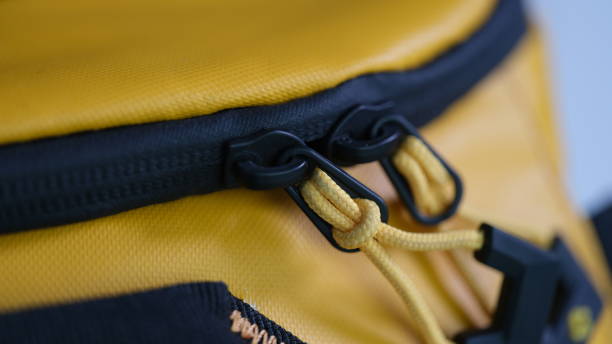
Small zipper pulls are not always easy to grip, particularly when wearing gloves or handling outdoor equipment. The hole provides a convenient attachment point for a cord, key ring, zipper pull extension, or decorative accessory.
Adding a larger pull can make a zipper easier to locate and operate. This can be particularly useful on jackets, backpacks, tents, outdoor gear, and children’s clothing.
It is also handy when a zipper pull becomes difficult to reach. For example, if the pull on a pair of jeans slips deep into the fly, a small cord or ring attached through the hole can make it easier to pull back out.
3. Making a Temporary Zipper Pull
A broken zipper pull does not necessarily mean that the entire zipper is unusable.
If the original pull tab breaks off but the slider and its attachment point are still intact, a paper clip, key ring, piece of cord, or shoelace can sometimes serve as a temporary replacement.
Simply thread the item through the available opening and use it as a makeshift pull. It may not look perfect, but it can keep the zipper usable until the pull or slider can be properly repaired or replaced.
4. Supporting Different Zipper Pull Designs
From a manufacturing perspective, holes and openings in zipper pulls can also be incorporated into the structure and styling of the component. Their exact purpose depends on the pull design, material, production method, and intended application.
For brands, a hole can also provide more flexibility when developing custom zipper pulls. It can be designed for attaching cords, decorative elements, branding accessories, or locking mechanisms.
However, not every zipper pull has a hole. Some are solid, while others use completely different shapes or attachment structures. Holes are particularly common where an additional attachment or locking function is useful.
Practical Ways to Use the Hole in a Zipper Pull
Once you know what the hole can do, there are several simple ways to put it to use.
Secure Luggage While Traveling
For luggage with two compatible zipper pulls, bring the pulls together and pass a suitable luggage lock through both holes.
The size of the holes matters. Before buying a lock, check whether its shackle or cable is thin enough to fit through both zipper pulls without forcing them.
Remember that locking zipper pulls together mainly helps prevent casual opening. The security of the bag still depends on the zipper, fabric, seams, and overall construction.
Make Clothing Zippers Easier to Grip
If a zipper pull is too small, thread a short cord or small ring through the hole. This creates a larger gripping point and can make the zipper easier to operate.
This simple modification can be helpful for children’s clothing, gloves, jackets, boots, backpacks, and other products where the zipper needs to be opened frequently.
Fix a Broken Pull in an Emergency
If the pull tab breaks while you are away from home, a few common objects can provide a temporary solution.
A paper clip can be opened slightly, passed through the attachment point, and bent back into place. A small key ring is usually more durable and can be attached in the same way. A short piece of shoelace or cord can also work: thread it through the opening and tie the ends securely.
These fixes are temporary, but they can keep the zipper functional until you can replace the damaged part.
Improve Zipper Use on Outdoor Gear
Zippers can become difficult to operate when you are wearing thick gloves. This is why jackets, backpacks, tents, and other outdoor products often use extended zipper pulls.
Adding a short cord through the hole creates a larger target for your fingers and makes the zipper easier to find and operate without removing your gloves.
A Small Detail That Can Make a Zipper More Useful
The hole in a zipper pull is a good example of how a small design feature can add practical value. Depending on the product, it can provide an attachment point for a lock, improve grip, accommodate accessories, or help users improvise a temporary pull when something breaks.
For brands developing clothing, bags, outdoor equipment, or other textile products, zipper pull design can also be adapted to the intended application.
Luxzipper is a China-based zipper manufacturer providing OEM and ODM zipper solutions for different product requirements. Its product range includes nylon, plastic, metal, waterproof, and other specialty zippers. Custom zipper pull options can be developed according to requirements for shape, size, color, surface finish, branding, and functional features such as holes for cords or compatible locking designs.
For brands, considering these details during product development can be more effective than treating the zipper as a purely standard component. A well-designed pull should suit both the appearance of the product and the way the end user will actually handle it.
Frequently Asked Questions
Do All Zipper Pulls Have Holes?
No. Zipper pulls come in many different shapes and constructions. Some have obvious holes or openings, while others use solid or specially shaped designs. The choice usually depends on the zipper type, product design, and intended function.
Does a Hole Make a Zipper Pull Weaker?
Not necessarily. A properly designed zipper pull takes the opening, material, thickness, and intended load into account. Durability depends on the complete design and manufacturing quality rather than the presence of a hole alone.
How Can I Lock a Zipper Without a Hole in the Pull?
Depending on the bag design, you may be able to attach small rings or use a locking accessory designed for zipper pulls. However, this is usually less convenient than using pulls that were designed with suitable locking points from the beginning.
What Should Brands Consider When Customizing Zipper Pulls With Holes?
Start with the intended use. Luggage and travel bags may need openings that accommodate suitable locks, while jackets and outdoor gear may benefit from holes designed for pull cords. Size, material, strength, surface finish, appearance, and compatibility with the zipper slider should all be considered before finalizing the design.