
How to Select the Right Two-way Zipper for Jackets
Choosing the right two-way zipper for a jacket is important in creating outerwear that combines functionality, comfort, durability, and visual appeal. A two-way zipper has two sliders. These sliders let the jacket open from more than one end. So the wearer can adjust the fit without fully unzipping. A standard one-way zipper opens from one side only. Two-way models open from the top and from the bottom because each slider can move along the same track. With that setup, people get easier movement. Long jackets also feel easier to handle, since the hem area can be opened when needed. Ventilation is improved too, especially when conditions change.
Two-way zippers show up in many types of outerwear. You will see them on winter coats, parkas, outdoor jackets, sports clothing, leather jackets, and more. However, not every zipper is suitable for every jacket. The choice depends on several factors. You should look at zipper material, size, tooth construction, slider performance, weather resistance and customization options, which all influence the final selection.
For apparel manufacturers and brands, it helps to know these factors. When you understand them, you can pick a zipper that fits the jacket’s functional requirements and design expectations.
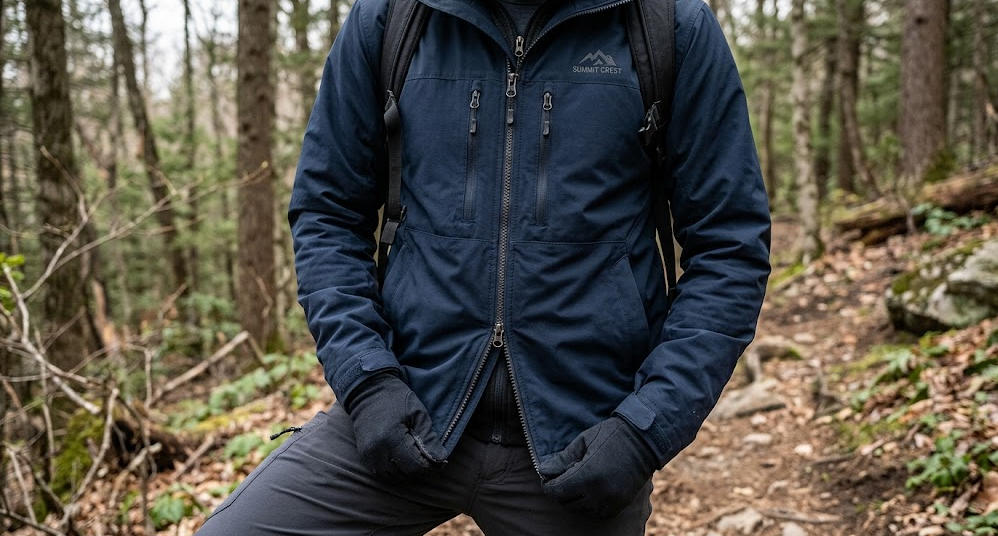
Table of Contents
How Two-way Zippers Work for Jackets
A two-way zipper uses two sliders that travel on the same zipper length. Depending on the zipper setup, the wearer can open the jacket near the top, near the bottom, or both. That means the jacket can be controlled in more than one way.
In jacket use, the upper slider usually manages the opening closer to the neck. The lower slider controls the bottom section. This lower opening is useful on long jackets. When you sit, bend, walk, or cycle, the hem area can open. That reduces the tugging and tight feeling that can happen when the jacket stays fully closed.
It is also useful to tell apart a two-way zipper and a fully separating zipper. A two-way zipper mainly refers to how the two sliders work. A separating zipper refers to whether the zipper can fully come apart at the lower end. Many jackets use a two-way separating zipper, but the precise configuration depends on the garment design.
Understand the Benefits of Two-way Zippers for Jackets
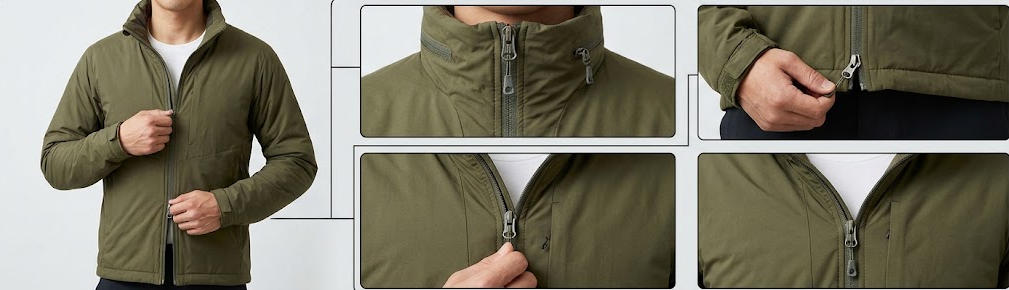
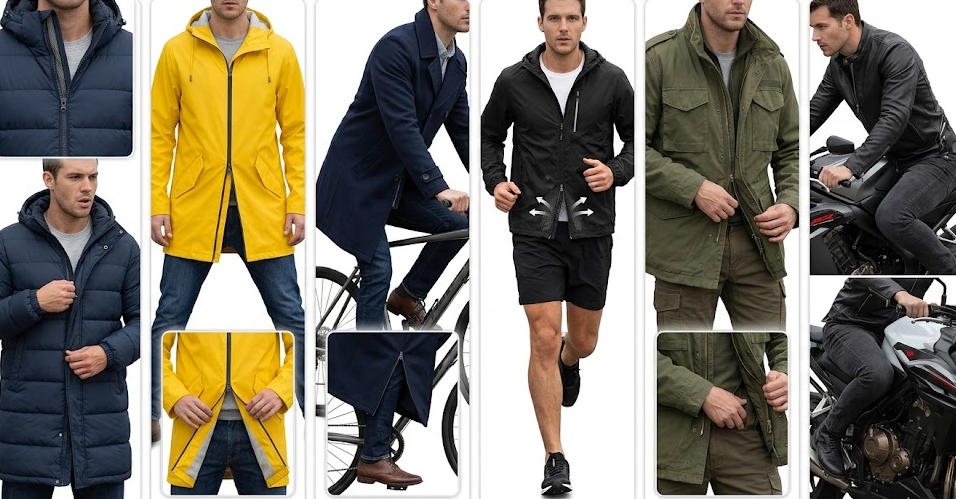
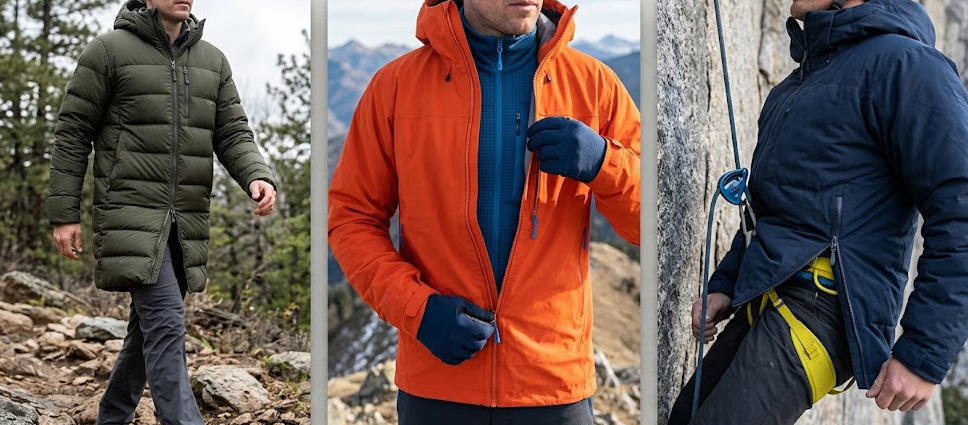
Before you pick a zipper, think about why two-way designs are chosen for various type of jackets. The biggest reason is mobility. A long coat can be opened from the bottom. Then a person can sit, walk, use stairs, or ride a bike with less hassle. They do not have to fully remove the jacket.
Another benefit is ventilation control. People can open the lower part to get airflow. At the same time, they can keep the upper section closed to stay warm. This is handy for coats made for shifting weather.
From a design view, two-way zippers help long shapes function better. They can make the jacket feel more flexible in daily use. That is why they show up in fashion outerwear, technical coats, travel clothing, and protective garments.
A Step-by-Step Guide to Choosing the Right Two-way Zipper for Jackets
Step 1. Determine the Jacket’s Intended Application
The first step in selecting a two-way zipper is identifying the jacket’s intended purpose. Different applications require different levels of strength, flexibility, weather resistance, and aesthetic quality.
| Jacket Type | Intended Application | Key Selection Considerations |
| Winter Jackets | Daily wear in cold weather | Durability, smooth operation, compatibility with thick fabrics, and cold-weather performance |
| Long Coats and Parkas | Outdoor activities, commuting, and travel | Reliable bottom separation, sufficient strength, and ease of movement when sitting or walking |
| Outdoor and Hiking Jackets | Hiking, camping, and trekking | Flexibility, resistance to environmental exposure, and dependable operation |
| Rain Jackets | Rainy weather and wet environments | Moisture protection, compatible garment construction, and reliable slider movement |
| Sports Jackets | Running, cycling, and other active pursuits | Low weight, flexibility, comfort, and freedom of movement |
| Leather Jackets | Fashion, riding, and everyday wear | Tooth strength, abrasion resistance, finish quality, and compatibility with thick leather |
| Denim Jackets | Casual wear and streetwear | Durable construction, suitable tooth size, and coordination with denim fabric |
| Lightweight Fashion Jackets | Daily wear and seasonal styling | Appearance, color matching, lightweight construction, and smooth operation |
| Workwear Jackets | Industrial work and outdoor jobs | Resistance to wear, repeated operation, and exposure to workplace conditions |
| Ski and Snowboard Jackets | Snow sports and cold-weather activities | Cold-weather operation, moisture protection, glove-friendly pullers, and compatibility with protective flaps |
By defining the application first, manufacturers can narrow the available options and avoid choosing a zipper that is either insufficiently durable or unnecessarily expensive.
Step 2. Choose the Right Zipper Material
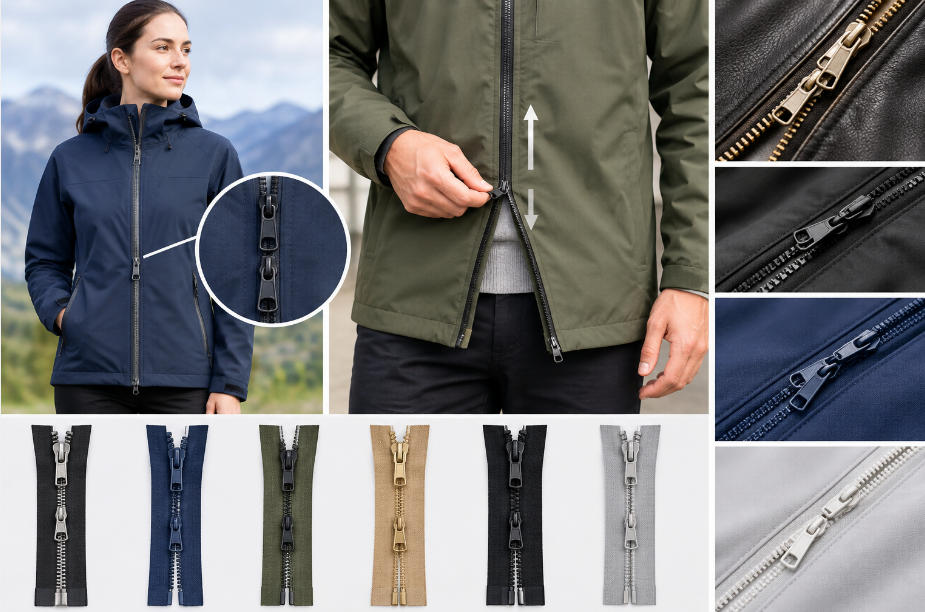
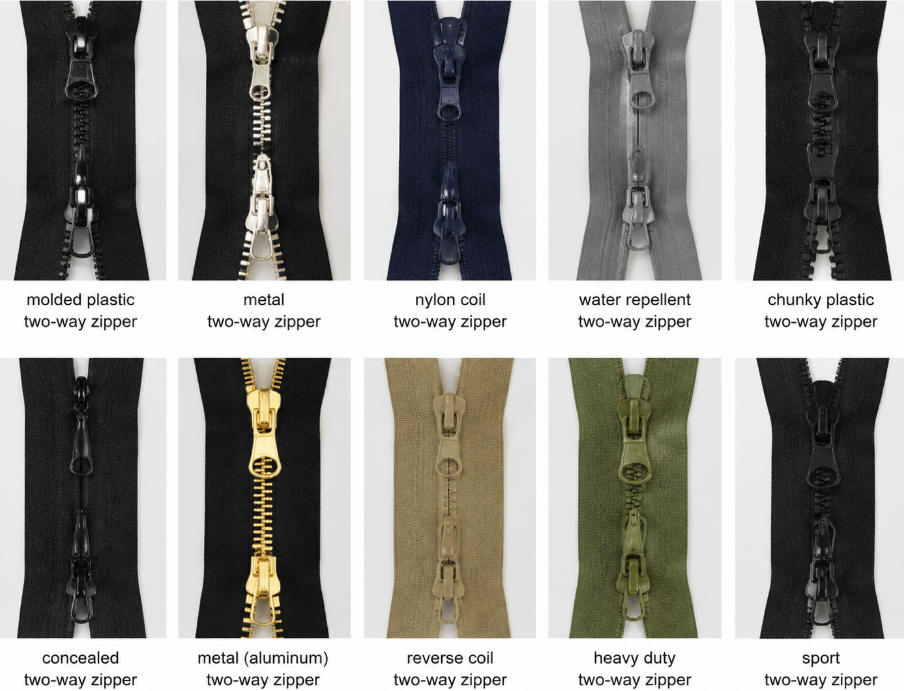
Material selection affects the zipper’s weight, strength, flexibility, appearance, and resistance to environmental conditions. The three common choices for jacket applications are metal, nylon coil, and molded plastic zippers.
| Two-Way Zipper Type | Material | Suitable Jacket Types | Main Benefits | Key Considerations |
| Metal Two-Way Zipper | Brass, aluminum, or other metal-alloy teeth | Leather jackets, denim jackets, fashion coats | Durable construction, distinctive appearance, multiple finishes | Consider weight, corrosion resistance, and fabric thickness |
| Nylon Coil Two-Way Zipper | Flexible nylon coils attached to zipper tape | Windbreakers, sports jackets, lightweight outdoor jackets | Lightweight, flexible, smooth operation | Check coil strength, slider compatibility, and wear resistance |
| Molded Plastic Two-Way Zipper | Individually molded plastic teeth | Casual jackets, parkas, outdoor apparel | Versatile design, relatively low weight, suitable durability | Evaluate tooth strength and performance in cold conditions |
How to Choose the Right Material
| Jacket Requirement | Suggested Material | Selection Advice |
| Heavy-duty fastening | Brass or a suitably engineered metal alloy | Verify tooth strength, slider performance, and garment load requirements |
| Lightweight construction | Nylon coil or lightweight molded plastic | Balance low weight with the required durability |
| Flexible sportswear | Nylon coil | Prioritize smooth operation and flexibility during movement |
| Premium fashion appearance | Brass, aluminum, or other finished metal teeth | Match the finish to the garment’s design and hardware |
| Outdoor use | Suitable nylon coil or molded plastic; metal where appropriate | Evaluate moisture, abrasion, temperature, and maintenance requirements |
| Color coordination | Nylon coil, molded plastic, and customizable tape materials | Confirm color consistency with the actual jacket fabric |
Manufacturers should assess tooth strength, slider movement, cold-weather performance, and impact resistance before selecting this type of zipper for specialized outerwear.
Step 3. Select the Correct Zipper Size
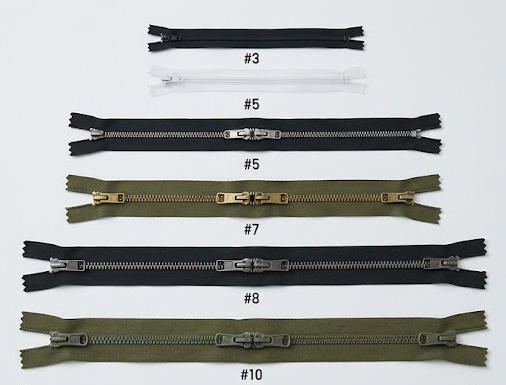
Zipper size influences the fastening system’s appearance, strength, and compatibility with the jacket’s construction. Common nominal sizes include #3, #5, #8, and #10, although availability and specifications vary among manufacturers.
| Zipper Size | Typical Jacket Applications | Key Advantages | Selection Considerations |
| #3 Two-Way Zipper | Lightweight jackets, thin fashion coats, lightweight sportswear | Lightweight, discreet appearance, suitable for fine fabrics | Best for garments with low fastening loads; verify strength for two-way use |
| #5 Two-Way Zipper | Casual jackets, windbreakers, lightweight outdoor jackets | Balanced size, weight, and functionality | A versatile option for everyday jackets; check fabric thickness and expected use |
| #8 Two-Way Zipper | Heavy winter jackets, parkas, outdoor coats | More substantial construction, suitable for demanding applications | Check slider compatibility, tooth strength, and overall garment weight |
| #10 Two-Way Zipper | Heavy-duty outerwear, oversized coats, specialized protective jackets | Robust appearance and potential for higher-load applications | Confirm that the zipper’s actual strength meets the garment’s requirements |
However, the size number alone does not guarantee a particular load capacity. Tooth material, chain design, slider construction, and manufacturing quality also affect performance.
Buyers should consider the jacket’s fabric thickness, garment weight, expected loading, and overall design. The zipper should be strong enough for its intended application without adding unnecessary bulk or creating an unbalanced appearance.
Step 4. Evaluate the Two-Way Zipper Structure
A two-way zipper should work well from either end. Before choosing one, the maker needs to look closely at the slider design and the bottom parts.
Many jackets use two sliders on a separating zipper. One slider is for the top opening. The other slider lets the wearer open the lower section without taking the whole jacket off.
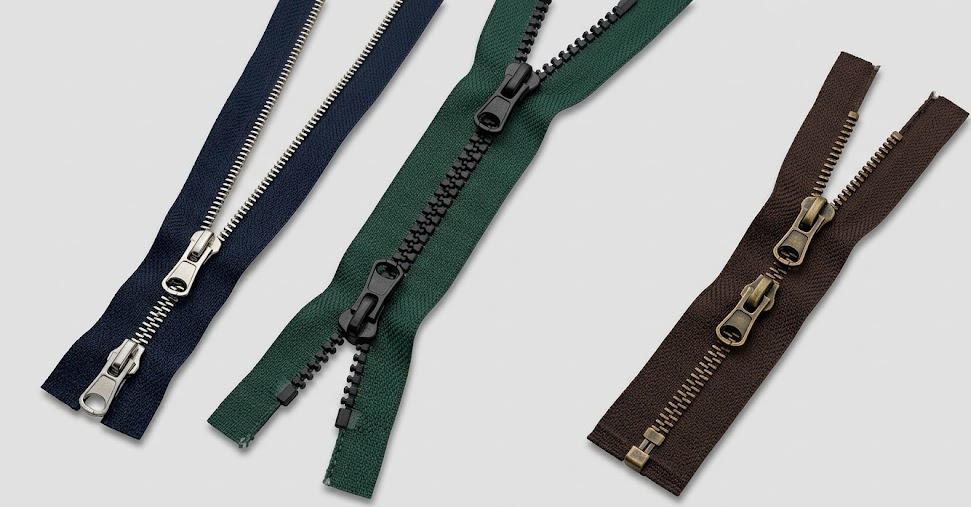
This setup works well on long coats. A lower opening can give more freedom when walking, sitting, or climbing stairs. It can also help airflow while the top stays shut.
Still, not all two-way zippers are built the same. The split system can be different, and the slider layout can change too. Buyers should check if the zipper fully separates at the bottom. They should also confirm how the insertion pin and retainer box work. Finally, they should verify that each slider matches the direction it is meant to move.
The sliders should run smoothly. They should also lock with the teeth in a steady way. Test a sample zipper on the real garment or on a fabric setup that matches the build. This helps spot interference with lining, seams, or protective flaps.
Step 5. Consider Durability and Zipper Strength
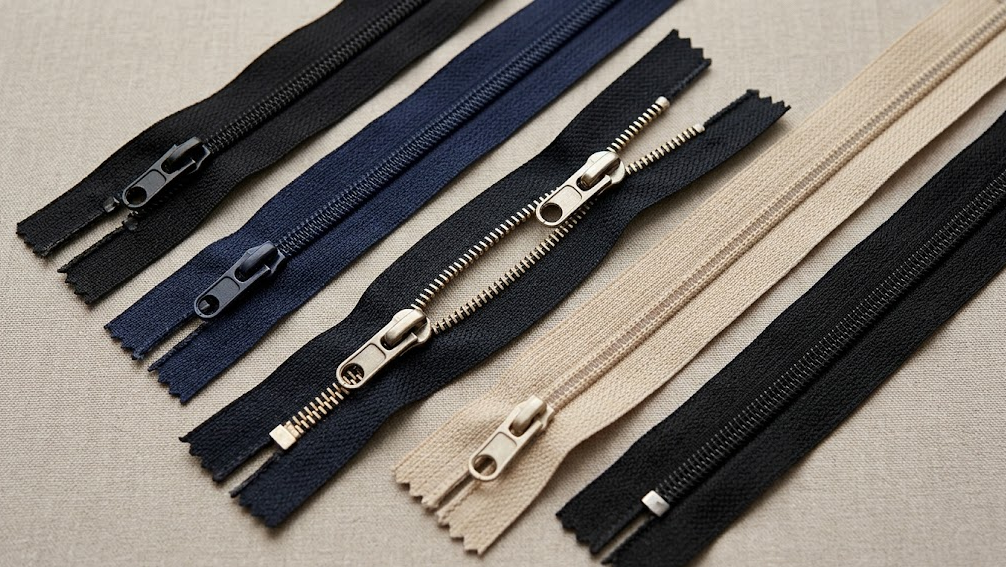
Durability matters because jackets get opened and closed many times over their life. If a zipper fails early, it can lower garment quality. It can also lead to more replacements or warranty issues.
Tooth or coil engagement is a key feature. The fastening should stay joined when the garment is under normal strain. It should not pop apart in daily use.
Slider build quality also matters. A bad slider can make the zipper hard to move. It can cause uneven locking or early wear. For two-way zippers, both sliders must stay dependable across the full chain.
Zipper tape must handle the sewing process, pulling, rubbing, and repeated motion. If the tape is weak or bent, it can shift the zipper line. That can cause trouble even if the teeth are still fine.
Manufacturers should request samples and conduct appropriate performance tests, including repeated opening and closing, transverse strength testing, slider strength testing, and inspections after washing or environmental exposure where relevant.
The acceptance criteria should reflect the jacket’s intended use rather than relying exclusively on general supplier claims.
Step 6. Check Weather Resistance and Environmental Compatibility
For outdoor jackets, weather resistance can decide the choice. Rain jackets, ski jackets, and winter coats may need zippers that still work in wet conditions, cold weather, or other tough settings.
A zipper is not automatically waterproof just because it has synthetic parts. Water resistance depends on more than one piece. It can include the chain, the tape, any coating, the slider design, and any membrane or backing.
Jackets that need stronger water protection may use coated or laminated zipper builds. Some designs also add storm flaps for better coverage. If the buyer asks for a specific water resistance target, the full garment should be tested at that same target level.
Cold weather checks matter too. In freezing use, the fabric can stiffen. The slider movement may change. Ice buildup is another concern that can slow down operation.
For workwear and technical outerwear, the setup often faces more than water. It may need resistance to abrasion, dust, oils, or certain chemicals. The zipper choice should follow the real exposure conditions and the product needs for that item.
Step 7. Match the Zipper Design to the Jacket’s Appearance
The zipper shows on the outside, so it affects how the jacket looks. Color, surface finish, overall size, and the puller style should fit the jacket design.
With minimalist jackets, using zipper tape and fabric tones that blend can look clean. For fashion and sports lines, some teams want contrast. They may choose a different color, a distinct puller, or a metal finish that stands out as a design detail.
Metal zippers can come in multiple finishes. Nylon coil and molded plastic types also allow many color matches. Custom pull tabs and branded parts can support a brand’s look.
When making large batches, color match becomes critical. Manufacturers should review samples next to the actual jacket fabric in the same lighting setup. Bulk approval should not happen without that check.
The zipper finish should also fit the care routine and the expected service conditions. A zipper that looks good at first is only the right option if it still looks acceptable after normal use.
Step 8. Consider Customization Requirements
Customization can support two-way zippers that fit specific jacket designs. What is possible depends on the supplier. Typical options can include custom lengths, tape colors, tooth type, slider settings, puller shapes, and surface finishes.
For premium or standout outerwear, custom pullers can create a recognizable look. Tape matched to the fabric can keep the visual feel consistent. Certain zipper constructions can also be chosen to solve specific performance needs.
Length is a key point for two-way zippers. The front opening and the lower end construction must align well. Buyers should confirm how measurements are taken and what tolerances apply before placing an order.
It helps to talk about customization early in the product phase. Special parts and finishes can affect minimum order quantities, sample sign-off timing, production lead times, and costs.
Before mass production, the manufacturer should approve a full zipper sample. They should also check fit, operation, look, and how well it matches the final garment.
Step 9. Assess Supplier Quality and Manufacturing Capabilities
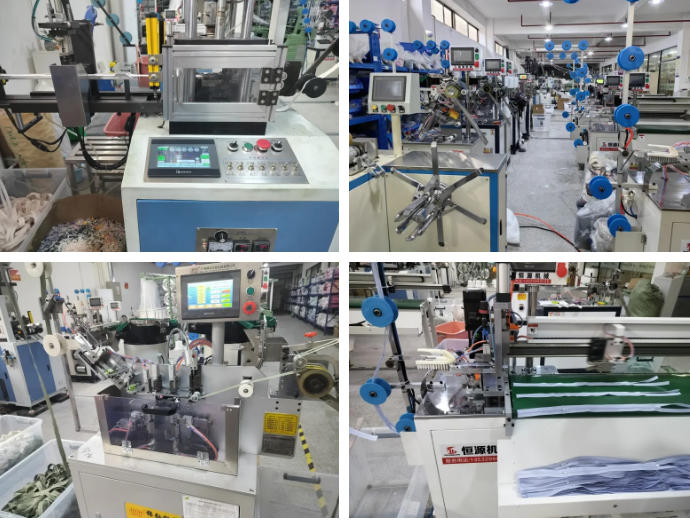
Picking the right zipper manufacturer matters if you want the same results in each batch. Even when two zipper styles share the same size label and similar materials, differences can show up in tooth alignment, tape strength, slider feel, and how well each unit is put together.
A good supplier should share precise specs. They should also spell out what materials are offered, which sizes and finishes are available, and the two-way setup options. It also helps if they can provide sample zippers and stay available while you test and evaluate the product.
Quality checks are just as important. Buyers should ask what tests the maker uses for zipper width and length, how they verify slider movement, how they check tooth engagement, how they confirm color match, and how they judge overall durability after use.
For large-volume orders, clear written specs and inspection steps reduce unwanted drift in production. Buyers should also look at minimum order amounts, on-time delivery, customization options, and how steady the supplier is during the development phase.
Partnering with an experienced zipper supplier can make sourcing easier. It can also help apparel teams find a workable fit between product performance, design options, and the costs of making the garment.
Step 10. Balance Cost and Long-Term Value
Cost matters when choosing a zipper. Still, the lowest unit cost is not always the best deal.
A zipper that jams often or separates can cause garment flaws. That can lead to customer complaints, returns, extra rework, and added time spent on inspections. Those expenses can cancel out any savings from choosing the cheaper option.
At the same time, you may not need a top-tier zipper for every jacket. A simple fashion jacket might not call for stronger weather features or heavy-duty build quality.
So the goal is to match the zipper details to what the garment is meant to be. Consider the target customer tier, expected retail price, how long you plan the garment to last, and the functional needs the jacket must handle.
When you compare suppliers, look beyond unit price. You should also review how steady quality stays, how often defects occur, lead times, extra fees for custom work, and how reliable the product has been. A wider comparison helps support smarter buying and helps protect the finished jacket quality.
Summary
Choosing the right two-way zipper for jackets takes more than picking a style. You need to review the use case, material, size, slider setup, durability, weather performance, design needs, and supplier capabilities.
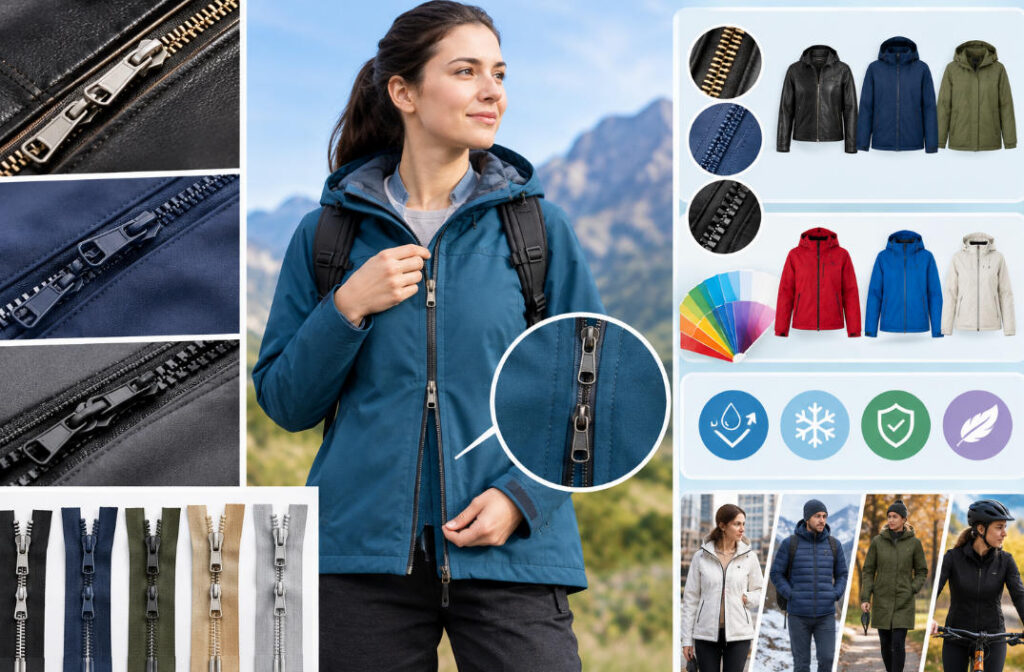
Metal two-way zippers can work well for leather jackets and tough outerwear. Nylon two-way zippers can fit lighter garments where flexibility matters. Plastic two-way zippers are another common option for casual and outdoor jackets. The right choice depends on the jacket’s construction, intended use, and required performance.
Apparel manufacturers and clothing brands need to test sample items before they order large quantities. They also check the technical details and confirm the specs are right. On top of that, they review the supplier’s quality. In the end, they weigh several factors at once, which include functionality, appearance, durability, and cost. After that, they can choose two-way zippers, which have improved wearing experience and long-term quality.