
Why Two-way Zippers are More and More Used
Two-way zippers are specialized zippers, made with two sliders that can drift independently along one and the same chain. Unlike traditional one-way zippers which tend to open and close from a single point. With two-way zippers, the closure can be handled from both ends, which gives more flexibility, comfort, and overall functionality. Because of that, this design gets used in apparel, outdoor equipment, luggage, automotive items, and industrial applications. With people wanting practical, rugged fasteners more and more, two-way zippers have become an essential component of products that need better access, airflow, and easier movement.
Understanding the Basics of Two-way Zippers
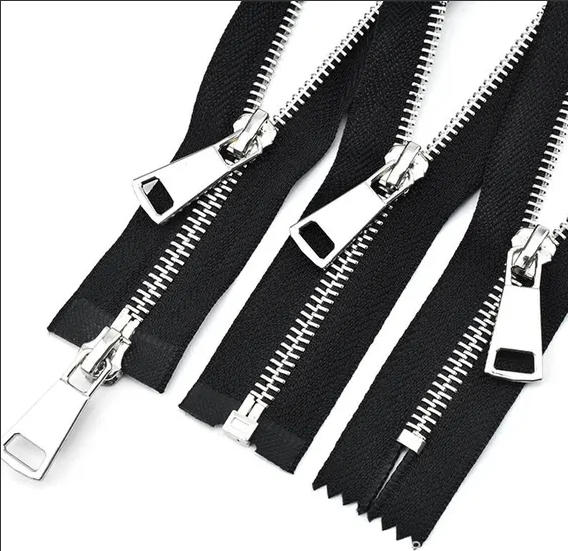
A two-way zipper, also known as a double-slider zipper, comes with a zipper chain, two sliders, stops, and a pull tab system. Each slider can travel on its own, in opposite ways, so the closure can be unfastened from the top, the bottom, or both ends at the same time, without needing extra steps.
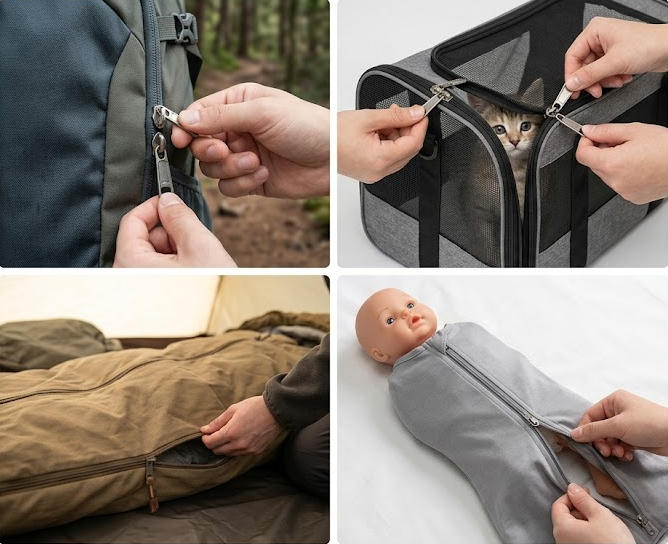
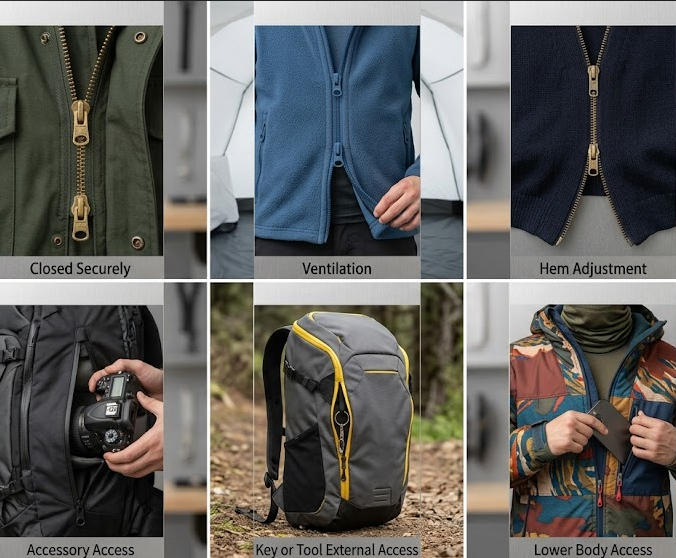
For instance, a jacket that uses a two-way zipper can be fully sealed for warmth. At the same time, the lower slider can stay eased open just a little, which gives better space when you sit, walk, or drive. Likewise, luggage with a two-way zipper can be opened from either side, so packing or reaching items is more convenient, and you do not have to rearrange everything first.
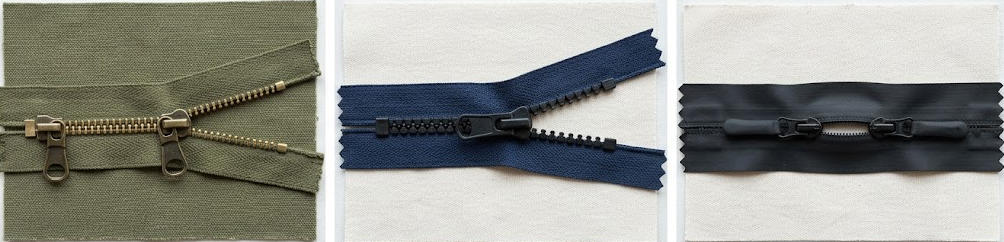
Two-way zipper are available in different materials, such as metal, plastic, and nylon coil types, so zipper manufacturers can choose what matches the needed durability, appearance, and the real application requirements, more precisely than a single style.
Design Advantages of Two-way Zippers
1. Improved Flexibility and Comfort
One of the main advantages of two-way zippers is that they give a more adjustable way to open. People can set the zipper location to fit what they need instead of sticking with one fixed opening point, which is… less flexible for real life.
In clothing use, especially on jackets, coats, and outdoor wear, the lower slider can be opened so the person has better mobility. It also helps reduce pressure around the waist and hips. That is why two-way zippers are a strong pick for long coats, winter jackets, and performance clothing where movement matters.
2. Enhanced Ventilation Control
Two-way zippers let you open part of the zipper from either side, so controlling airflow becomes easier. Outdoor lovers, athletes, and workers can fine-tune ventilation without taking the whole garment off.
For example, hikers in waterproof jackets might open the lower zipper section a little during intense steps, so heat can escape. At the same time they keep protection from wind and rain.
3. Easier Access and Operation
Traditional zippers can become a little inconvenient when people need speedy access to different areas of a product. Two-way zippers handle this by enabling multiple opening directions, so the user does not have to wrestle with the one-path closure all the time.
In luggage and travel bags, the dual-slider arrangement helps users reach stored items with less hesitation and more efficiency. In protective gear or workwear, it also brings better comfort during putting on or removing clothing, because the opening behavior is more flexible.
4. Better Weight Distribution and Durability
Two-way zippers can spread the pulling forces across two sliders, which means less stress concentrates at a single zipper point. If the design is handled well and the manufacturing is consistent, this can raise zipper durability and extend the usable lifespan of the whole product.
Premium two-way zippers often include reinforced teeth, a sturdy slider structure, and corrosion-resistant materials. Those choices help the zipper stay reliable even in demanding environments with frequent use.
Common Types of Two-way Zippers
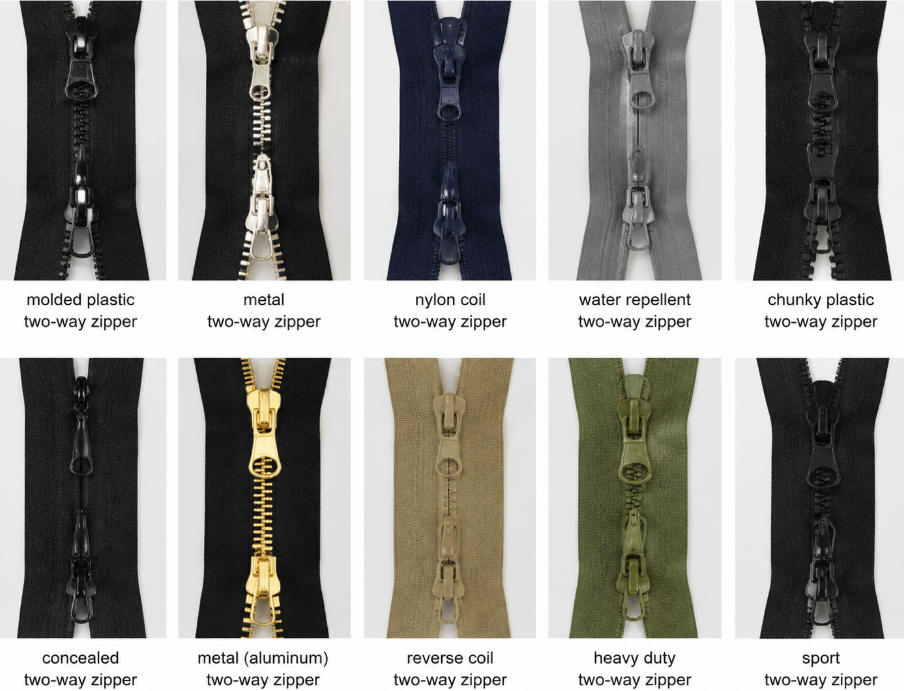
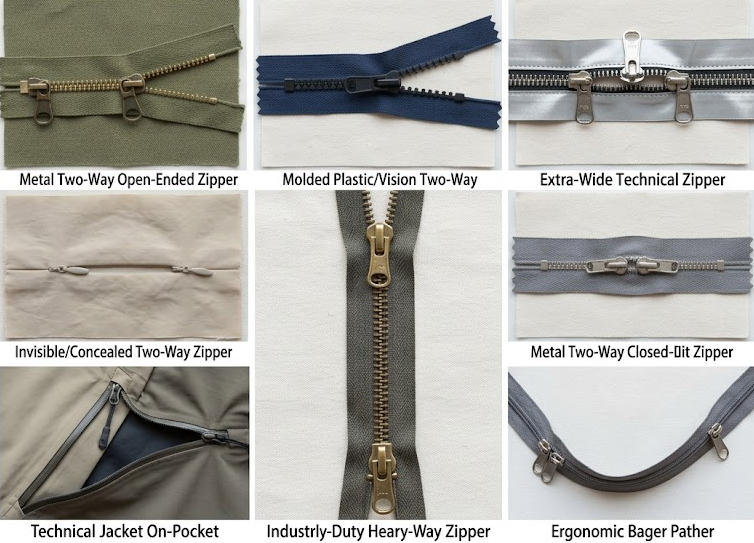
Two-way zippers are available in various designs to meet different performance requirements.
| Type of Two-way Zipper | Design Features | Advantages |
| Metal Two-way Zippers | Uses metal teeth such as aluminum, brass, or zinc alloy; provides a strong and durable structure | High strength, excellent wear resistance, premium appearance, long service life |
| Plastic Molded Two-way Zippers | Made with molded plastic teeth attached to zipper tape; lightweight and corrosion-resistant | Lightweight, flexible, waterproof-friendly, suitable for outdoor environments |
| Coil Two-way Zippers | Uses spiral-shaped polyester or nylon coils instead of rigid teeth | Smooth operation, lightweight design, good flexibility, quiet movement |
| Waterproof Two-way Zippers | Features coated zipper tape and specially designed teeth or sealing structures to reduce water penetration | Excellent moisture resistance, protects internal contents, suitable for harsh conditions |
| Heavy-duty Two-way Zippers | Designed with larger teeth, reinforced tape, and stronger sliders for demanding applications | High load capacity, improved durability, withstands frequent operation |
| Invisible Two-way Zippers | Designed with concealed teeth and sliders for a cleaner appearance | Provides a smooth, aesthetic finish while maintaining dual opening functions |
| Reverse Two-way Zippers | Zipper components are arranged with the backside facing outward for special design requirements | Improved appearance, added protection, unique styling options |
| Locking Slider Two-way Zippers | Equipped with sliders that lock into position to prevent accidental opening | Enhanced security, stable closure, improved user safety |
Wide Applications of Two-way Zippers
The unique design of two-way zippers provides better flexibility, comfort, airflow, and access, and that is why they get used widely across multiple industries.
1. Apparel and Fashion
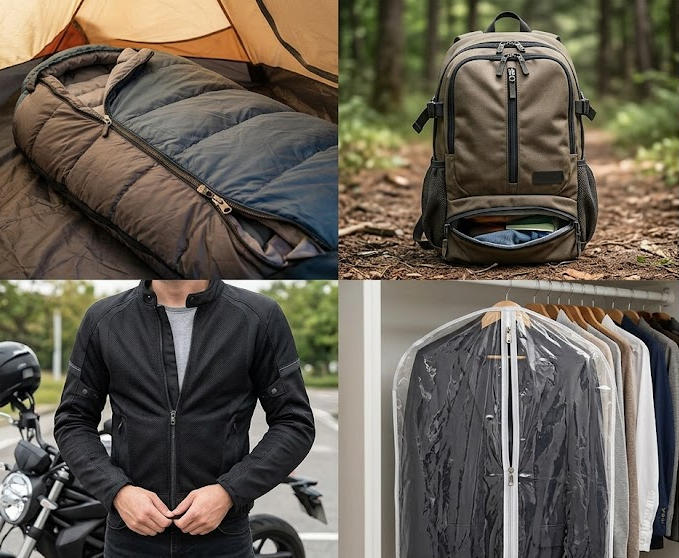
In the apparel world, two-way zippers are one of the biggest application zones. You will see them on jackets, coats, sweaters, uniforms, and performance clothing. The reason is simple: they help the fabric move, and they feel more comfortable than standard zippers, especially during daily wear.
In long jackets and winter coats, a two-way zipper lets a person open the lower section while the upper part stays closed. That means less restriction when sitting or walking, also when cycling, or when driving. As a result, comfort improves, because the garment can respond to different body motions without feeling overly tight.
Outdoor and technical clothing manufacturers often settle on two-way zippers because they help with temperature regulation. In practice, users can unzip partially starting from the bottom, so more airflow comes through while the garment still blocks wind, and keeps cold weather out, too.
In fashion design, two-way zippers bring extra visual benefits. Designers are able to fine-tune the shape, and they can try distinctive opening styles which add both functional value and decorative value to the same garment.
2. Outdoor Clothing and Sports Equipment
Outdoor pursuits need gear that can handle shifting conditions, plus heavy use. Two-way zippers are commonly used in hiking jackets, ski wear, climbing clothing, camping gear, and tactical apparel.
For outdoor enthusiasts, controlling ventilation is essential, at least in practice. A two-way zipper lets users adjust the clothing openings based on activity intensity, and on changing environmental conditions. When climbing or hiking, leaving the lower section open helps reduce heat buildup without having to take off the entire jacket.
Water-resistant and waterproof two-way zippers are especially valuable for outdoor use. These versions help block moisture penetration while keeping the zipper easy to operate during rain, snow, and other harsh weather moments.
Sportswear manufacturers also rely on two-way zippers in training jackets and athletic clothing because they offer a range of motion, plus quick access when needed.
3. Luggage and Travel Bags
Two-way zippers show up in suitcases, backpacks, duffel bags, and travel cases. Their dual-slider setup makes packing smoother and helps retrieve items faster, particularly in large storage compartments.
In suitcases, two-way zippers let travelers open the luggage from different sides without fully taking apart the zipper track. That makes things easier, especially when arranging clothing, electronics and personal belongings, you can reach what you need without unzipping everything.
For backpacks and equipment bags, two-way zippers give quicker entry to frequently used items. People can place the sliders in the exact opening location they like, which makes them handy for travelers, students, and professionals.
Heavy-duty two-way zippers are commonly chosen for travel goods, because they manage repeated open, close cycles during long-term use, even when the bag gets handled often.
4. Marine and Water-resistant Equipment
Marine settings demand zippers that can handle dampness, saltwater and rough weather. Two-way zippers show up in boat covers, marine cushions, protective covers, waterproof bags, and other outdoor marine accessories.
Waterproof two-way zippers make a secure seal while keeping internal components away from wet exposure. The corrosion-resistant materials are a big advantage, so these zippers work well in products used near oceans, lakes and other damp surroundings.
In marine seating and protective equipment, two-way zippers also make care easier. Covers can be unfastened and opened from more than one direction, so cleaning or replacement is less of a hassle.
5. Automotive Interior Applications
The automotive industry leans on two-way zippers for a range of inside and shielding uses. You can see them in seat covers, convertible roof covers, storage compartments, protective upholstery covers and vehicle accessories.
Two-way zippers offer comfortable entry to removable covers, while helping manufacturers create a flexible cabin style. For vehicle seat covers, being able to open the zipper from both sides makes the whole process smoother, including installation, takedown, and fine adjustment.
In recreational vehicles and outdoor vehicles, durable two-way zippers are frequently used in protective covers and storage solutions, where reliability matters, but ease of operation is also a big concern. When people are moving around and using the gear regularly, a strong zipper helps keep everything in place, even if it gets handled roughly sometimes.
6. Industrial and Protective Equipment
Industrial settings usually demand fastening systems that can tolerate constant, repeated use plus harsh conditions. Two-way zippers are commonly built into workwear, protective suits, cleanroom clothing, tool bags, and a lot of equipment covers.
In protective clothing, two-way zippers let workers get into and out of garments more quickly, which is helpful when time is tight. They also make it possible to use adjustable openings, so comfort improves during long shifts.
For industrial covers and storage equipment, heavy-duty two-way zippers provide solid closure performance while still supporting fast access to internal components, so the maintenance part is less complicated.
7. Medical and Specialized Clothing
Two-way zippers show up in specialized garments where access and comfort really matter. Medical clothing, rehab garments, and pro uniforms may use two-way zipper systems, because it makes putting things on a bit more straightforward, and the adjustment feels less annoying.
Being able to open the garment from different sides is helpful for users, and for caregivers. In more focused uses, the zipper design is often tuned to match specific functional needs, and the usual off-the-shelf options may not be enough.
8. Military and Tactical Gear
For military and tactical equipment, the components need to be durable, reliable, and simple to handle when conditions are harsh. Two-way zippers are commonly found in tactical jackets, backpacks, protective wear, and equipment carriers, since quick access is often required.
Heavy duty two-way zippers give fast opening to interior compartments while still keeping a secure closure. Their strength, along with a certain flexibility, makes them a good match for field equipment that gets handled often and has to deal with rough
9. Furniture and Home Products
Even though two-way zippers are less common than clothing and outdoor uses, you will still see them in furniture covers, cushions, storage items, and everyday household accessories.
When it comes to removable sofa covers, outdoor cushions, and protective cases, two-way zippers are pretty helpful for installation plus cleaning. People can open the cover from different directions, which makes the whole removal and then replacement part easier.
Factors to Consider When Choosing Two-way Zippers
| Factor | Description | Why It is Critical | Recommended Applications |
| Zipper Material | Two-way zippers are available in metal, plastic molded, nylon coil, and waterproof materials | Determines strength, flexibility, corrosion resistance, and overall performance | Metal for fashion and heavy-duty products; plastic or coil for outdoor clothing and lightweight items |
| Zipper Size | Refers to the width of the zipper teeth, commonly ranging from small sizes for garments to larger sizes for heavy-duty products | Affects load capacity, durability, and ease of operation | Small sizes for clothing and accessories; larger sizes for luggage, workwear, and industrial products |
| Application Environment | Considers exposure to moisture, dust, chemicals, temperature changes, and outdoor conditions | Ensures the zipper can maintain performance in specific environments | Waterproof zippers for marine and outdoor use; corrosion-resistant zippers for harsh conditions |
| Durability Requirements | Depends on how frequently the zipper will be opened, closed, and subjected to stress | Helps prevent zipper failure and extends product lifespan | Heavy-duty zippers for workwear, equipment bags, and frequently used products |
| Slider Quality and Design | Includes slider strength, smooth movement, locking function, and resistance to wear | A high-quality zipper slider improves reliability and prevents accidental opening | Locking sliders for luggage, protective gear, and safety equipment |
| Opening Direction and Flexibility | Determines how easily the zipper can be adjusted from the top, bottom, or both ends | Provides better comfort, ventilation, and accessibility | Jackets, long coats, sportswear, and travel products |
| Water and Moisture Resistance | Evaluates whether the zipper can prevent water penetration through coatings or sealed structures | Protects products and improves performance in wet environments | Rainwear, diving equipment, marine covers, outdoor gear |
| Color and Appearance | Includes zipper tape color, tooth finish, and overall design compatibility | Influences product aesthetics and brand appearance | Fashion clothing, luxury bags, and customized products |
| Ease of Maintenance | Considers cleaning requirements, lubrication needs, and resistance to dirt accumulation | Helps maintain smooth operation and extends service life | Outdoor equipment, uniforms, luggage, and industrial products |
| Cost and Manufacturing Requirements | Includes material cost, production process, and customization options | Helps balance performance needs with budget limitations | Large-scale apparel production, customized products, and industrial applications |
Final Thoughts
Two-way zippers provide benefits compared with traditional zipper designs; they bring more flexibility, comfort, better access, and more precise control. Because they can be opened from both sides, they fit many different uses, from apparel and outdoor gear to luggage, automotive items and industrial solutions.