
How Waterproof Zippers are Used for Marine Equipment
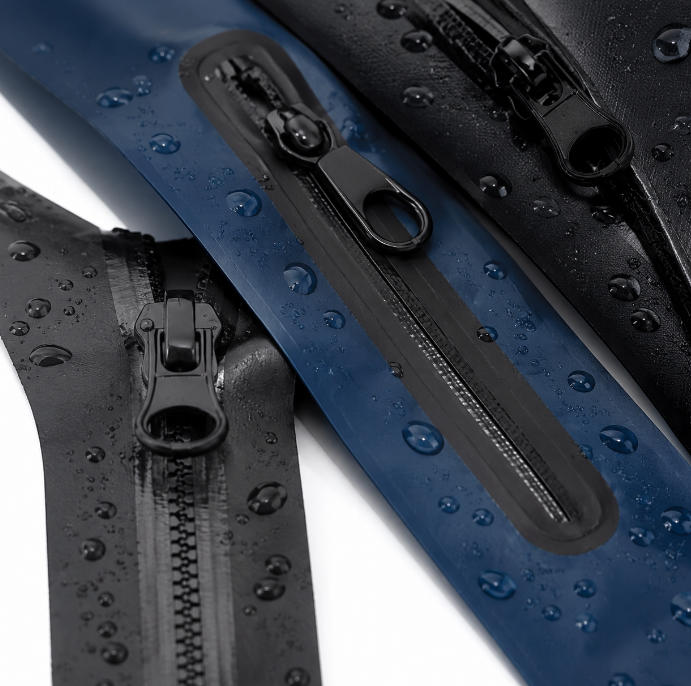
Marine equipment operates in some of the harshest environments, where constant exposure to seawater, humidity, rain, and extreme weather conditions can quickly damage ordinary materials. To improve protection and reliability, waterproof zippers have become an important component in a wide range of marine applications, such as diving equipment, boat covers, dry bags, protective cases, etc. These specialized zippers provide strong water resistance while maintaining flexibility, durability, and ease of operation.
Why Waterproof Zippers are Important in Marine Applications
Water is one of the biggest challenges in marine environments. Saltwater can penetrate small gaps, damage sensitive equipment, and accelerate corrosion of metal components. Traditional zippers often allow water to pass through the spaces between teeth or through the fabric tape, making them unsuitable for marine use.
Waterproof zippers solve this problem by creating a sealed closure system. They help prevent water intrusion, protect internal components, and extend the service life of marine equipment. For professionals working in offshore operations, diving, and boating activities, reliable waterproof closures are essential for safety and equipment performance.
Structure and Design of Waterproof Zippers for Marine Equipment
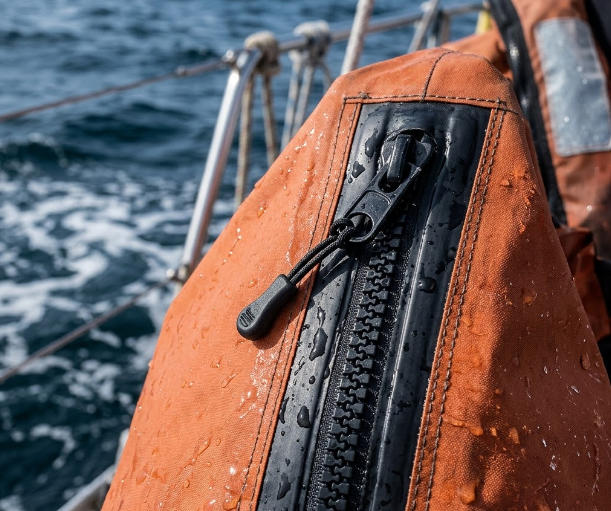
Waterproof zippers are engineered differently from standard zippers. Their design includes multiple layers that work together to create a water-resistant barrier.
| Component | Structure and Design Features | Function in Marine Equipment |
| Waterproof Zipper Teeth | Designed with tightly interlocking elements to minimize gaps between teeth; commonly made from TPU, nylon, or corrosion-resistant metals | Creates a strong sealing barrier to reduce water penetration and maintain reliable closure performance |
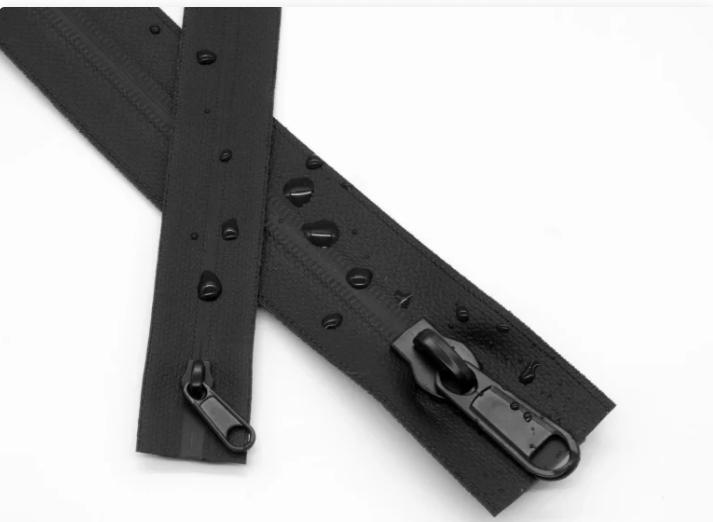
| Waterproof Zipper Tape | Fabric tape is laminated or coated with waterproof materials such as TPU or polyurethane films | Prevents water from passing through the fabric edges and improves resistance to moisture, saltwater, and UV exposure |
| Slider System | Engineered with precise dimensions and controlled pressure to ensure smooth movement while maintaining tooth engagement | Compresses and locks the zipper structure together to achieve waterproof sealing during operation |
| Protective Coating Layer | Uses abrasion-resistant and water-repellent coatings on zipper surfaces | Protects the zipper from seawater, chemicals, friction, and environmental damage in marine conditions |
| Sealing Film Layer | A flexible waterproof membrane is bonded to the zipper surface to create an additional protective barrier | Blocks water intrusion and improves overall waterproof performance in wet environments |
| Reinforced End Stops | Strong stopper structures are added at both ends of the zipper track | Prevents slider overrun and maintains structural stability during repeated use |
| Corrosion-Resistant Materials | Uses stainless steel, engineered plastics, or treated metal components to withstand saltwater exposure | Reduces rusting and ensures long service life in marine environments |
| Flexible Zipper Construction | Combines elastic materials and optimized tooth design to allow bending and movement | Allows use on curved marine equipment such as diving suits, boat covers, and protective gear |
| High-Strength Stitching or Bonding | Uses reinforced sewing, heat bonding, or adhesive lamination between zipper components and fabric | Improves connection strength and prevents leakage around attachment areas |
| Ergonomic Pull Tab Design | Designed for easy operation even when users wear gloves or work in wet conditions | Provides quick and reliable access to marine equipment while maintaining waterproof protection |
Materials Used in Marine Waterproof Zippers
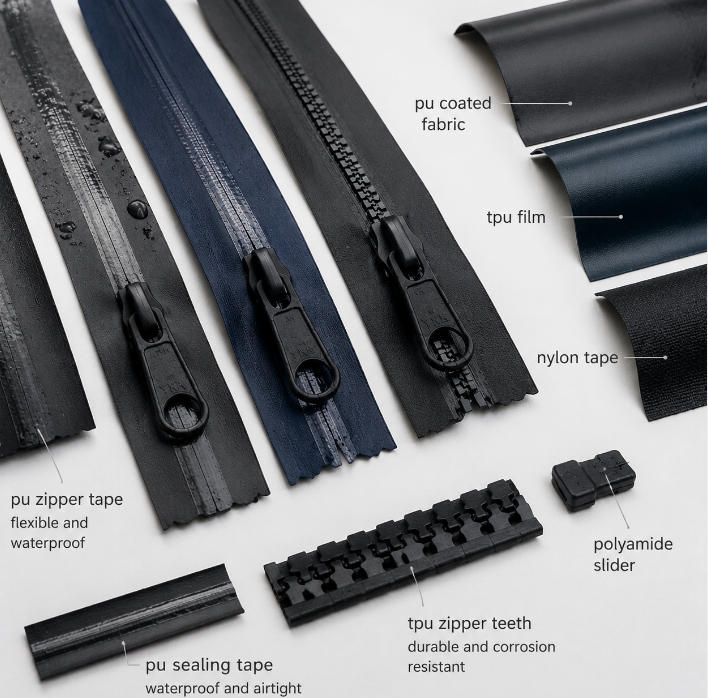
Material selection plays a critical role in the performance of waterproof zippers. Marine applications require materials that can withstand corrosion, mechanical stress, and environmental exposure. The combination of different materials in zipper teeth, tapes, coatings, and sliders allows manufacturers to balance strength, flexibility, and waterproof performance.
1. Thermoplastic Polyurethane (TPU)
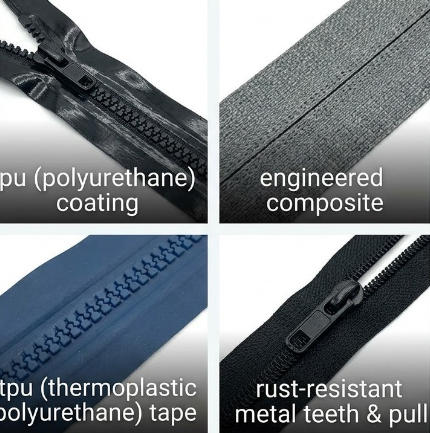
Thermoplastic polyurethane (TPU) is one of the most widely used materials in waterproof zippers for marine equipment. It is commonly applied as a coating or laminated film on zipper tapes to create a waterproof barrier.
TPU offers excellent flexibility, allowing the zipper to bend and move without cracking or losing its sealing performance. This feature is especially important for applications such as diving suits and inflatable marine equipment, where materials must follow body or equipment movement.
In addition, TPU provides strong resistance to abrasion, oils, chemicals, and UV exposure. These properties make it suitable for long-term use in marine environments where equipment is frequently exposed to seawater and sunlight.
2. Nylon Materials
Nylon is another important material used in waterproof zipper manufacturing. The features of nylon zippers are lightweight, strong, and naturally resistant to corrosion, making them suitable for many marine applications.
Compared with traditional metal components, nylon materials do not rust when exposed to saltwater. They also provide smooth operation and reduce the overall weight of marine equipment. This makes nylon waterproof zippers popular for diving gear, waterproof bags, and portable marine accessories.
Advanced nylon materials can also be modified to improve impact resistance and wear resistance, allowing zippers to maintain reliable performance after repeated use.
3. Polyester Fabric for Waterproof Zipper Tapes
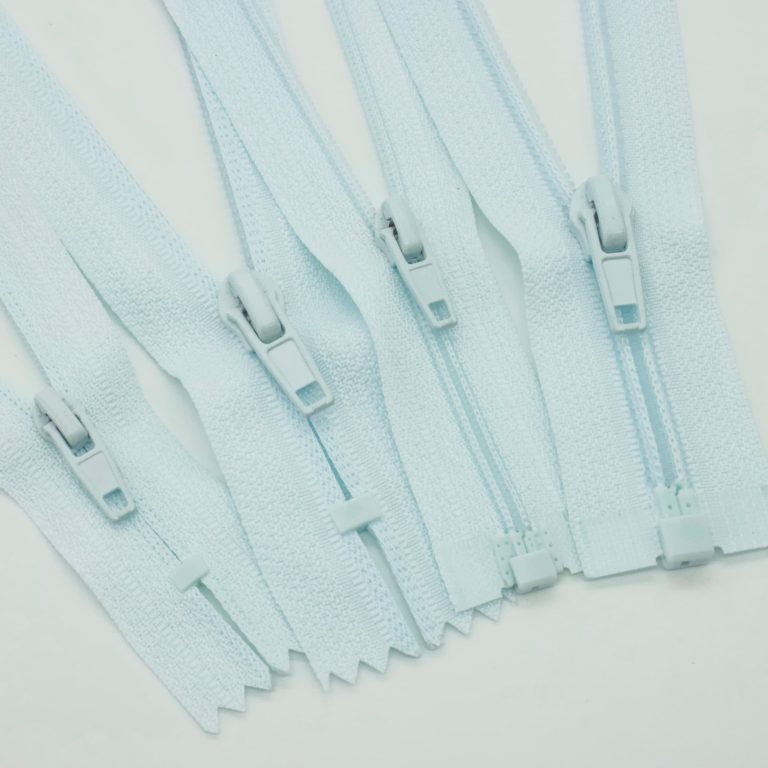
The zipper tape is a critical part of waterproof zipper construction because it connects the zipper system to the surrounding fabric or equipment structure. Polyester is commonly selected as a base material for zipper tapes due to its strength, dimensional stability, and resistance to environmental conditions.
Polyester fibers absorb very little moisture compared with many natural fibers, helping the zipper tape maintain its shape and strength in wet environments. When combined with waterproof coatings such as TPU or polyurethane, polyester tapes provide excellent protection against water penetration.
For marine equipment, polyester tapes also offer good resistance to stretching and abrasion, which helps maintain zipper alignment during frequent operation.
4. Corrosion-Resistant Metal Materials
Some heavy-duty marine waterproof zippers use metal components, especially when high mechanical strength is required. However, ordinary metals are unsuitable for marine environments because saltwater can quickly cause corrosion.
To overcome this problem, manufacturers use corrosion-resistant materials such as stainless steel or specially treated metal alloys. These materials provide strong mechanical performance while reducing the risk of rust and surface degradation.
Metal waterproof zippers are often used in demanding applications where durability and strength are critical, such as offshore equipment covers and professional marine protective gear.
5. Polyurethane Coatings
Polyurethane coatings are widely used in waterproof zipper systems because they create a flexible and durable protective layer. These coatings prevent water from passing through the zipper tape and improve resistance against environmental damage.
Polyurethane provides excellent adhesion to fabric materials, allowing manufacturers to create a strong bond between the zipper tape and waterproof membrane. It also maintains flexibility in changing temperatures, which is important for marine equipment used in different climates.
The combination of polyurethane coatings and high-strength fabrics creates a reliable waterproof structure suitable for long-term marine exposure.
6. Engineering Plastics
Modern waterproof zippers often use engineering plastics for sliders, stops, and supporting components. These materials provide high strength while remaining lightweight and resistant to corrosion.
Engineering plastics such as reinforced polymers can withstand mechanical stress, repeated operation, and exposure to chemicals commonly found in marine environments. They also reduce the dependence on metal parts, improving overall corrosion resistance.
For equipment that requires frequent handling, plastic components help ensure smooth movement and reduce maintenance requirements.
7. Rubber and Elastomer Materials
In some waterproof zipper designs, flexible rubber materials, and elastomers too, are used to strengthen the sealing behavior. When the zipper is closed, those materials can compress, so small gaps get filled and the water barrier feels more secure.
Elastomer materials also bring strong flexibility and good rebound traits. That means the zipper keeps its sealing quality even after being bent again and again, or when it moves during use. This is why they show up in diving equipment and in other settings where flexibility is not optional.
8. Advanced Composite Materials
As marine equipment technology keeps moving forward, composite materials are taking on a bigger role in waterproof zipper production. They bring together benefits from different material types, like polymer strength, alongside the pliancy you get from elastomers.
Advanced composites can offer better abrasion resistance, stronger performance during temperature swings, and improved tolerance to chemical contact while also lowering mass. They can even help enable more environmentally friendly waterproof zippers by using recyclable, or other sustainable materials.
Getting a handle on these difficulties helps manufacturers design more dependable zipper solutions for dive gear, boat add-ons, offshore hardware, and other marine uses.
Applications of Waterproof Zippers in Marine Equipment
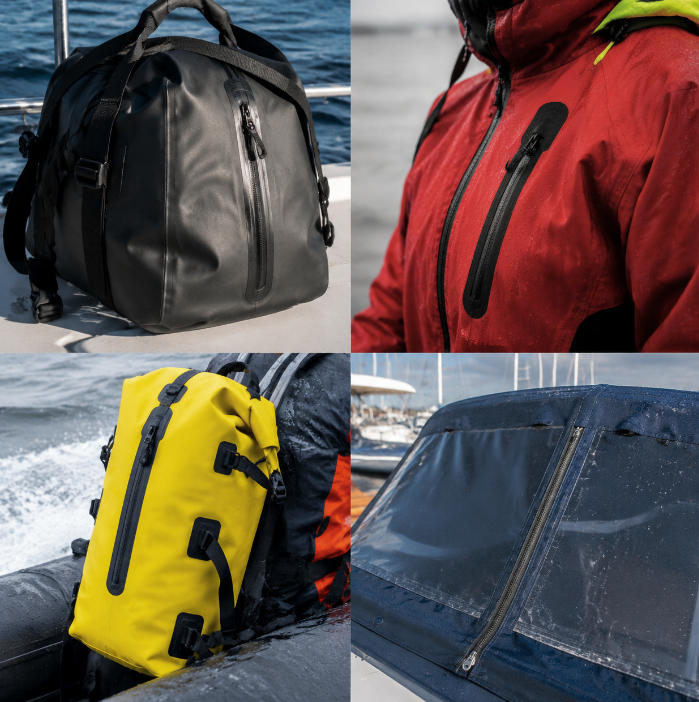
Waterproof zippers are used in many types of marine products because they provide reliable protection without adding excessive weight or complexity.
| Marine Equipment Application | How Waterproof Zippers Are Used | Benefits |
| Diving Suits and Dry Suits | Installed as main closures on dry suits and diving gear to prevent water from entering during underwater activities | Provides reliable waterproof sealing, improves diver comfort, and helps maintain thermal protection |
| Diving Equipment Bags | Used in storage bags for masks, regulators, cameras, and other underwater accessories | Protects valuable equipment from seawater, moisture, and sand contamination |
| Boat Covers | Integrated into boat covers and protective enclosures to create secure openings while blocking rain and spray | Prevents water accumulation, protects boat components, and improves cover durability |
| Marine Storage Bags | Applied to waterproof bags used for storing clothing, electronics, documents, and emergency supplies | Keeps stored items dry and provides convenient access compared with traditional closures |
| Inflatable Boat Equipment | Used in inflatable boat accessories, protective covers, and storage compartments | Maintains waterproof protection while allowing flexible movement of inflatable materials |
| Life Jackets and Personal Flotation Devices | Installed on pockets and accessory compartments of safety equipment | Protects emergency tools and personal items while allowing quick access in wet conditions |
| Marine Protective Cases | Used in equipment cases for navigation devices, cameras, communication tools, and sensitive instruments | Prevents moisture damage and improves protection in harsh marine environments |
| Offshore Workwear | Applied to waterproof jackets, protective clothing, and gear used by offshore workers | Provides comfortable operation while protecting users from rain, waves, and seawater exposure |
| Sail Covers and Yacht Accessories | Used in covers and storage solutions for sails, ropes, and onboard equipment | Improves weather resistance and extends the service life of marine accessories |
| Underwater Equipment Containers | Used for specialized containers that store tools and instruments for underwater operations | Maintains internal dryness and protects equipment from pressure, moisture, and corrosion |
| Emergency and Rescue Equipment | Used in rescue bags, flotation equipment, and survival gear exposed to marine conditions | Ensures critical equipment remains protected and accessible during emergencies |
| Fishing Equipment Bags | Installed in waterproof fishing bags and tackle storage systems | Prevents water intrusion and protects fishing tools from corrosion and damage |
Challenges in Using Waterproof Zippers for Marine Equipment
Understanding these difficulties helps zipper manufacturers develop more reliable zipper solutions for diving gear, boat accessories, offshore equipment, and other marine applications.
1. Maintaining Reliable Waterproof Sealing Performance
The main issue with waterproof zippers is keeping a steady seal across varying marine conditions. Unlike everyday surroundings, marine equipment is often hit by waves, water pressure, rainfall, and persistent high humidity. Even tiny openings from misalignment, material distortion, or gradual wear may still let water seep in.
To get reliable waterproof results, manufacturers have to keep tight control over how the zipper teeth are made, the coating thickness, and the whole sealing layer arrangement. The zipper really needs to stay watertight even after many rounds of opening and closing, flexing during use, and repeated mechanical strain.
2. Balancing Waterproof Protection and Smooth Operation
A waterproof zipper should form a dependable barrier while also remaining pleasant to use. If the sealing pressure goes up, water resistance often improves, but friction tends to rise too. That can make the zipper harder to open or harder to close, in plain terms, it feels more stubborn.
For marine work, people usually have to reach the gear fast, sometimes while wearing gloves or when everything is wet. Because of that, zipper makers must juggle sealing strength with the slider movement, making sure you still get safety and convenience at the same time.
3. Resisting Saltwater Corrosion
Saltwater is one of the more damaging factors messing with marine equipment. Metal parts that are not properly protected may corrode, and then zipper teeth, sliders, or other pieces start to feel stiff, or simply fail.
Choosing corrosion-resistant materials is a big challenge for producers. They need to rely on treated metals, stainless steel, or high-performance polymers, so the components can handle long-term exposure to seawater and still keep mechanical strength.
4. Preventing Damage from Sand and Contaminants
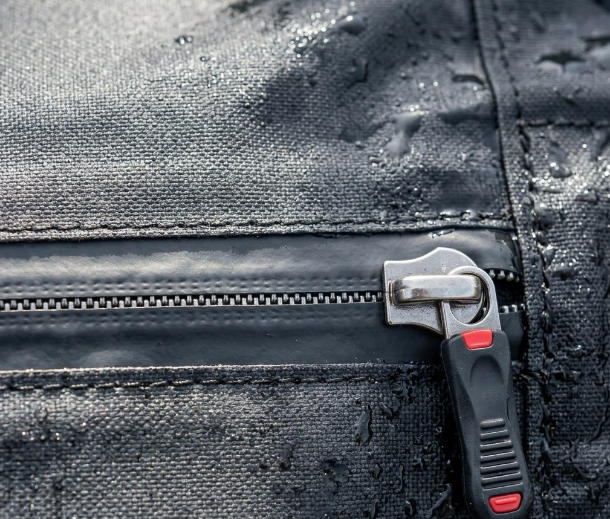
In marine settings there is usually sand, dirt, and other gritty particles that can interfere with zipper performance. Even small fragments can get caught between zipper teeth or slip into the slider mechanism, raising friction, and making the zipper harder to operate.
For beaches, diving, and boating, waterproof zippers need designs that reduce the contamination risk. They also benefit from easy-clean structures and durable surface coatings, which help limit the performance setbacks caused by outside particles.
5. Ensuring Long-Term Material Durability
Marine waterproof zippers have to keep working even when theyre continuously in rough circumstances. Over time, the zipper components can lose quality because of UV radiation, shifting temperatures, chemical contact, and repeated mechanical movement.
For instance, waterproof coatings can gradually wear away from friction, and polymer materials may become less flexible after extended environmental exposure. Choosing more robust materials and upgrading coating technologies is essential if you want to extend the service life of the zipper.
6. Managing Pressure Differences in Underwater Applications
Diving gear brings extra difficulties because marine waterproof zippers can be working right under underwater pressure. Dry suits, and even underwater containers, need zippers that still hold a reliable seal when pressure changes occur.
The zipper system has to spread the pressure fairly across the sealing region. If the design is weak or the materials are not sturdy enough, leakage can happen when the equipment operates at larger depths.
7. Reducing Maintenance Requirements
Marine equipment is often used in remote or demanding locations where frequent maintenance is difficult. Waterproof zippers must therefore be designed for reliability with minimal servicing.
However, salt deposits, dirt buildup, and mechanical wear can gradually affect performance. Regular cleaning and lubrication are still necessary, creating a challenge for users who require low-maintenance equipment.
8. Achieving Cost-Effective Manufacturing
High-performance waterproof zippers depend on advanced materials, accurate manufacturing steps, and tight quality assurance. All of these push the production expense higher than with regular zipper systems
Manufacturers have to find some balance between performance needs and production efficiency, because if you miss one, the other can fall apart, you know. For commercial marine products, cost control really matters, and at the same time, you still have to guarantee trustworthy waterproof protection.
9. Improving Environmental Sustainability
As industries keep leaning into environmental responsibility, waterproof zipper manufacturers run into the real challenge of building sustainable materials, without dragging down performance.
Traditional coatings and synthetic materials may raise environmental concerns during production and later disposal. Going forward, waterproof zipper designs should investigate recyclable polymers, greener coatings, and manufacturing processes that are more sustainable overall.
Final Thoughts
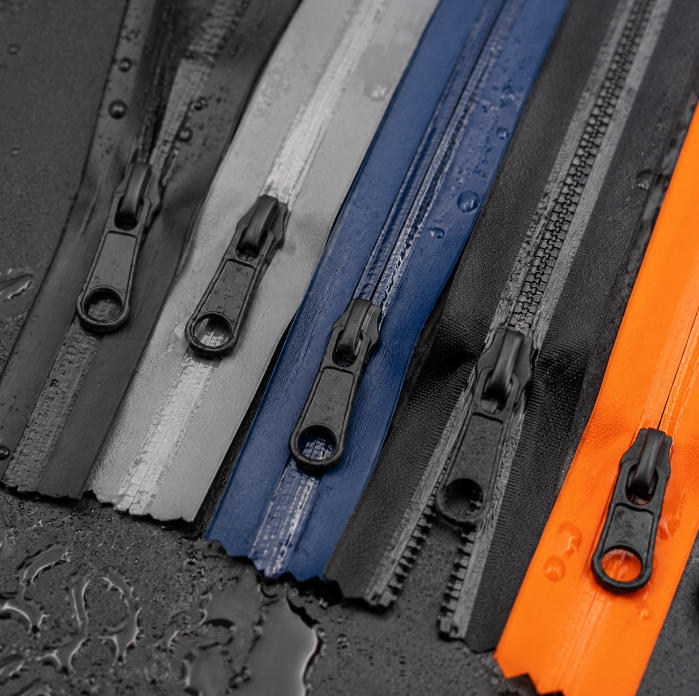
Waterproof zippers provides reliable protection against water, salt, and harsh environmental conditions. Through advanced materials, sealed structures, corrosion-resistant designs, etc, they can help improve the durability and performance of diving gear, boat accessories, protective covers, and offshore equipment.