
How to Prevent Fabric From Getting Caught in a Zipper
Fabric getting caught in a zipper is a common problem, especially when a piece of lining, a loose thread, or the edge of a thin garment gets into the zipper path. Once the fabric is caught, the slider may stop halfway or become difficult to move. Pulling harder can tear the fabric, damage the zipper teeth, or make the slider even harder to release.
Most zipper snags can be avoided with a few simple habits. The way you pull the zipper matters, but so does keeping loose fabric and threads away from the zipper. Regular cleaning and a good-quality zipper can also reduce the risk of snagging.
If fabric often gets caught in your zippers, these simple tips can help prevent it from happening.
Table of Contents
Why Fabric Gets Caught in a Zipper
A zipper works best when the area around it is clear. If fabric, loose threads, lint, or other material gets into the zipper path, it can get caught between the slider and the teeth or coils.
Loose and lightweight fabrics are easier to catch. Jacket linings, dress fabric, sleeping bag material, and bag fabric can fold toward the zipper as you pull the slider. Loose threads and frayed seams can cause the same problem.
The condition of the zipper also matters. Dirt and lint can build up around the teeth or coils and make the slider harder to move. Bent or damaged teeth, a worn slider, or poor alignment can add even more resistance.
The way you use the zipper can make a difference too. If you pull quickly while the fabric is bunched up, you may not notice that part of it has moved into the zipper path. Once the slider catches the fabric, pulling harder can make the snag worse.
In most cases, the problem comes down to three things: fabric getting into the zipper path, a zipper that is dirty or damaged, and pulling the slider without checking the surrounding fabric.
How to Prevent Fabric From Getting Caught in a Zipper
1. Use the Correct Zipping Technique
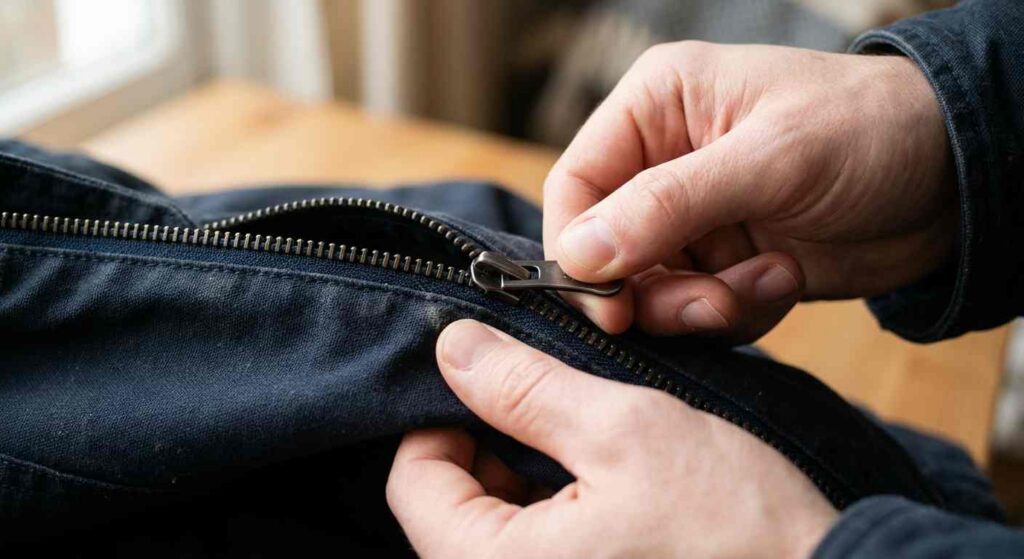
Before pulling the zipper, check that the fabric around it is flat and out of the way. Pay special attention to the lining behind the zipper, as it can get caught even when everything looks fine from the outside.
Hold the fabric away from the zipper with one hand and move the slider with the other. Pull the slider slowly and steadily instead of forcing it through.
If you feel resistance, stop and check the zipper. A zipper that is working properly should move without much force. If the slider gets stuck, pull it back slightly and look for fabric, thread, or another obstruction. Do not keep pulling, as this can push more fabric into the slider.
For separating zippers on jackets and similar garments, make sure the insertion pin is fully pushed into the retainer box before moving the slider up. If the pin is not properly inserted, the zipper may not align correctly and can be difficult to close.
2. Trim Loose Threads and Keep the Fabric Flat
Sometimes the zipper is fine, but the fabric around it is causing the problem. Check the zipper area from time to time for loose threads, frayed edges, or damaged lining. Trim loose threads carefully instead of pulling them, as pulling can loosen the stitching.
If the lining keeps folding into the zipper path, it may need to be stitched back into place. This is common with older jackets, bags, cushion covers, and other frequently used items.
Wrinkled fabric can also get caught more easily. If the care label allows ironing, gently press the fabric around the zipper to keep it flat. Follow the recommended temperature, especially for synthetic fabrics.
3. Clean and Lubricate the Zipper When Needed
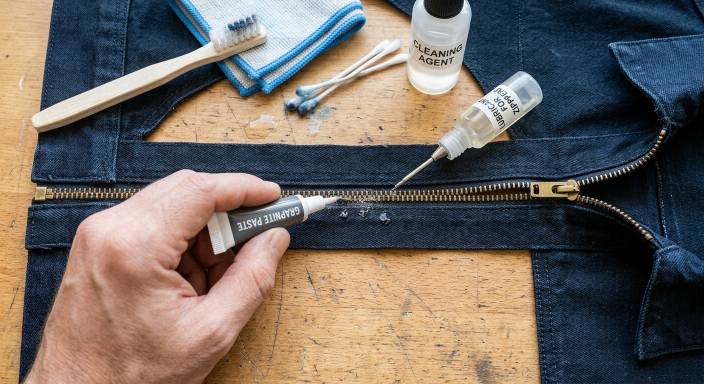
Zippers can collect dust, lint, sand, dried mud, and small fibers over time. Some of this debris can get between the teeth or coils and make the slider harder to move.
Start by brushing away visible debris with a soft brush. An old, clean toothbrush works well. Do not scrub too hard, especially on lightweight coil zippers.
If the zipper is still stiff after cleaning, a suitable lubricant can help. Zipper wax and commercial zipper lubricants are good options. For some metal zippers, you can also rub a pencil lightly over the teeth to reduce friction.
Be careful with household products such as soap, wax, or lip balm. Some can leave oily or colored marks on the fabric, and they may not work well with every type of zipper. If you use one, apply a small amount to the zipper and test it on a hidden area first.
4. Pay Attention to Washing and Storage
A few simple habits can also help protect the zipper during washing and storage. For many garments, closing the zipper before washing can prevent the teeth or slider from catching on other clothes in the machine. Always follow the care label, as washing instructions vary between products.
Do not force a zipper closed when a bag, suitcase, cushion cover, or garment is too full. When the product is overfilled, the fabric is pushed against the zipper and puts extra pressure on the slider and teeth.
Storage can affect the zipper as well. Avoid keeping a zipper tightly folded or compressed for long periods when possible. Keeping the zipper area flat helps prevent the zipper from becoming distorted and reduces the chance of fabric getting caught when you use it again.
5. Choose a Well-Made Zipper
Good zipper construction can also reduce the risk of fabric getting caught. Look for a zipper with evenly spaced teeth or coils, good alignment, and a slider that moves smoothly. The zipper should also be suitable for the product. A lightweight zipper designed for clothing may not be strong enough for luggage, workwear, or outdoor equipment.
For clothing and bag manufacturers, zipper selection should be part of the product development process. Testing the zipper with the actual fabric, lining, seams, and finished product can help identify snagging or alignment problems before production.
LuxZipper supplies nylon, metal, plastic, and waterproof zippers for garments, bags, outdoor products, and other textile applications. OEM and ODM options are also available. Choosing the right zipper type, size, slider, and construction for the finished product can help improve smooth operation and reduce fabric snagging.
6. Watch the Fabric as You Zip
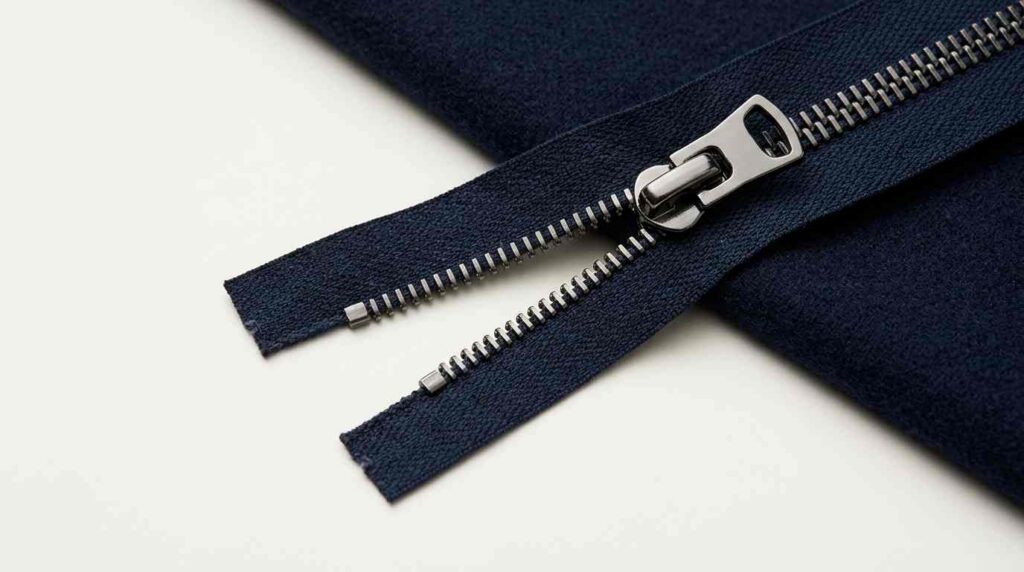
Puffer jackets and sleeping bags are more likely to catch fabric because they have soft outer materials and bulky insulation. When closing them, keep the fabric away from the zipper path and guide the slider slowly.
The same applies to bags with soft linings and garments made from thin or flowing fabrics. Check the area around the zipper before and while closing it, especially where the fabric tends to fold.
It is also a good idea to check the zipper occasionally. A loose slider, misaligned teeth or coils, or damaged stitching can make the zipper more likely to jam. Fixing these problems early can prevent a small issue from becoming a bigger one.
What to Do If Fabric Gets Stuck in the Zipper
If fabric gets caught, stop pulling the zipper. Forcing the slider can tear the fabric or damage the zipper.
Hold the fabric close to the snag and gently pull it away from the slider. At the same time, move the slider back a little. For small threads or pieces of lining, fine tweezers can make them easier to remove.
Once the fabric is free, check the zipper before using it again. If the slider feels stiff, apply a small amount of suitable zipper lubricant and move it back and forth slowly.
If the teeth are bent, the slider is damaged, or the zipper no longer stays aligned, it may need to be repaired or replaced.
Conclusion
Most zipper snags are easy to prevent. Keep loose fabric and threads away from the zipper, pull the slider slowly, and clean the zipper when dirt or lint starts to build up. Checking the zipper regularly can also help you spot loose stitching, damaged teeth, or other problems before they cause a jam.
For manufacturers, choosing the right zipper is just as important. The zipper should match the fabric, product, and intended use. LuxZipper supplies nylon, metal, plastic, and waterproof zippers for garments, bags, outdoor products, and other textile applications, with OEM and ODM customization available.
Frequently Asked Questions
Does rubbing a pencil on the zipper leave marks on fabric?
Graphite from a standard pencil is a dry lubricant and rarely transfers noticeably when applied only to the teeth. Wipe any excess with a clean cloth if concerned.
Can the same lubricants be used on plastic and metal zippers?
Yes, but graphite works especially well on metal. Soap or specialized zipper wax suits both types. Always use a small amount and clean away residue.
How can the risk of fabric catching be reduced from the beginning?
Select zippers with precise tooth formation and smooth sliders. Manufacturers that control production quality, including options available through LuxZipper, help limit the problem at the source.
When should a zipper be replaced rather than repaired?
If multiple teeth are missing or badly bent, or if the slider no longer grips the teeth properly after cleaning and lubrication, replacement is usually the more reliable long-term solution.