
Why Two-way Zippers Become Popular in Luggage and Travel Bags
Travel has become a bigger part of daily life. Because of that, people want luggage and travel bags that feel easy to use, hold up over time, stay secure, and fit different needs. Even small things matter. The fabric, the handle layout, and the zipper system all shape how a trip goes. In this area, two-way zippers stand out and become a popular choice for many types of luggage and travel bags. They help users reach what they need faster, pack with less hassle, and match practical bag layouts.
With a two-way zipper, there are two sliders. They travel along the same zipper track. Depending on the zipper build, the bag can be opened from either end, or the opening can be changed to fit the situation. The idea is simple, but it works well. That is why two-way zippers are widely used for suitcases, duffel bags, backpacks, travel organizers, and other kinds of luggage.
For luggage manufacturers, designers, and buyers, understanding why two-way zippers are gaining popularity they can select suitable zipper options that fit the product. It can also guide better choices during design.
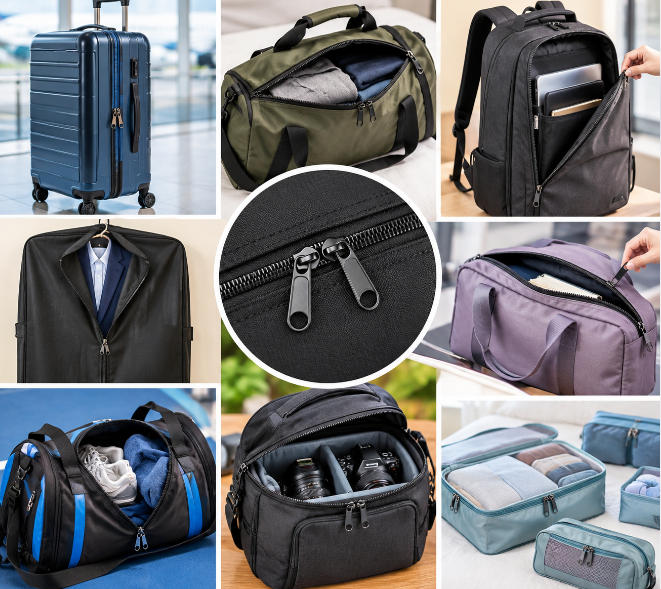
Table of Contents
Key Reasons for the Growing Popularity of Two-way Zippers for Luggage and Travel Bags
1. Greater Flexibility and Convenience
A main reason people like two-way zippers is the extra control. Since there are two sliders, a user can set the opening size and position. The opening can match where items are stored and how much access is needed.
For instance, a traveler may open only the top part of a duffel bag to grab a jacket. Another option is to slide both parts toward the center to form a more useful opening. This means you do not have to fully unzip the bag each time you need something.
This kind of access is also helpful for larger suitcases and travel bags. It makes it easier to reach belongings with less effort. It also fits products made for regular trips, work travel, and trips outdoors.
2. Easier Access to Packed Items
Packing takes time, so travelers want a zipper system that saves effort. A good zipper design helps people sort items and find what they need without pulling out everything.
Two-way zippers let users change where the opening starts and stops. This matters a lot for travel bags with more than one section or deep storage areas. A traveler can open just one part to reach items that are used often. The rest can stay in place with less disturbance.
In backpacks and carry-on bags, two-way zippers can make it easier to reach phones, chargers, papers, toiletries, and other daily essentials. For designers, this feature can improve real use without forcing a complex opening system.
3. Better Suitability for Different Luggage Designs
Two-way zippers work with many types of luggage and travel bags. Because they follow the same core idea, makers can keep the zipper system consistent while changing bag size, shape, and purpose.
For big suitcases, two-way zippers let a person deal with a long opening without struggling. For duffel bags, they make it easier to reach the main space. For travel backpacks, they can fit different pocket layouts and help with getting items out faster.
You can also find them on garment bags, camera bags, sports cases, and travel organizers. In these setups, having controlled access can make day-to-day use feel smoother.
This flexibility gives luggage brands more room to design for different buyers. That can mean business
4. Improved Packing and Storage Efficiency
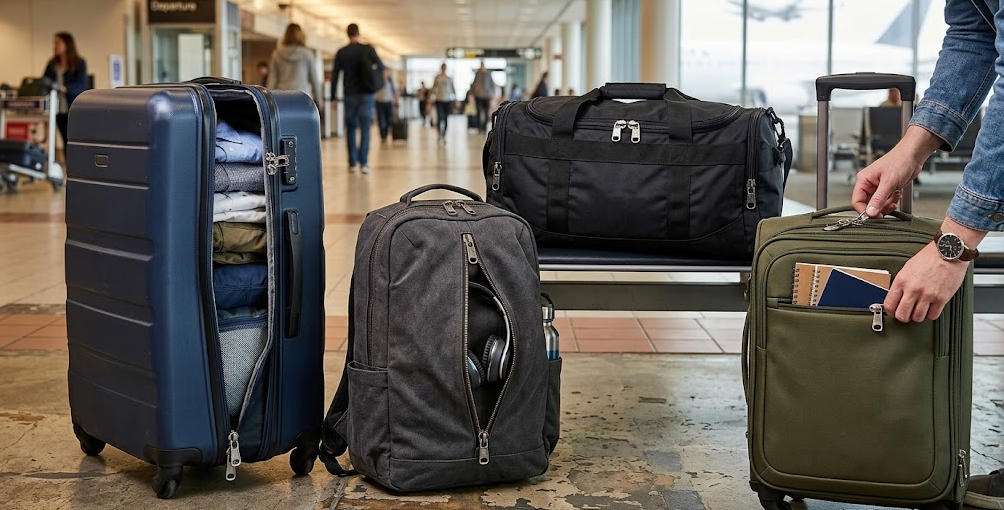
Two-way zippers can make packing easier, mainly when items are not all the same size. A user can set the opening to fit bulkier clothing, shoes, small gear, or travel supplies.
For instance, when someone packs a duffel bag, they may want a wider opening for large items. When they come back for small accessories, a smaller opening can be enough. Two-way sliders help with that change, without needing to open the full zipper again and again.
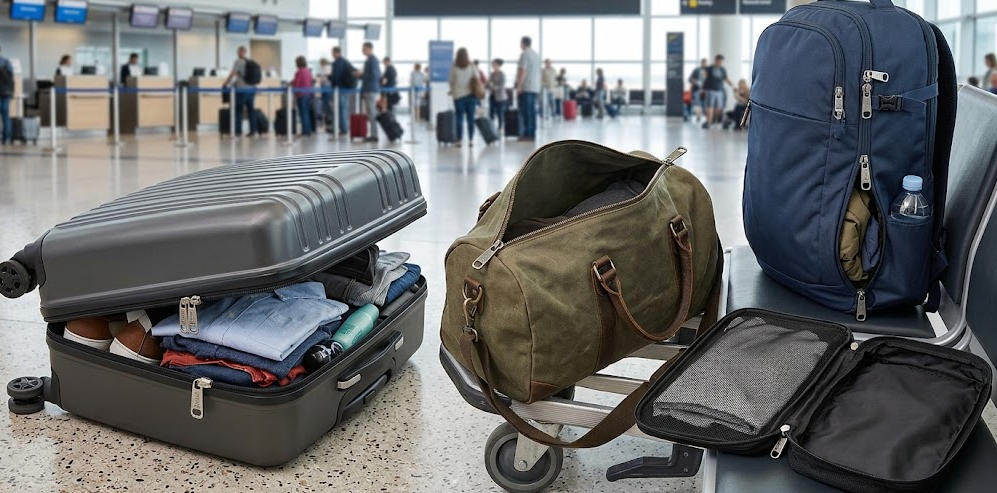
If the bag has separate sections, two-way zippers can also support quicker access. With compression straps, internal dividers, and built-in pockets, the whole setup can feel more organized and practical.
Still, zipper choice does not add more physical space inside the bag. Its main benefit is that the stored area is easier to reach and manage.
5. Enhanced User Experience During Travel
Travel often includes moments where convenience matters. Examples include moving through airports, getting on trains, checking into hotels, or grabbing items during a road trip. A zipper that is simple to use can lower the stress in these moments.
Two-way zippers give travelers more options for opening. Instead of sliding one part across the entire track, a person can open from either end. They can also adjust the opening to reach a chosen part.
This can matter when a suitcase is wedged into a tight area. It is also useful when a travel bag is packed tightly. In those cases, users can pick an opening position that fits the situation.
For premium luggage brands, these practical details can also contribute to a perception of thoughtful design and improved product quality.
6. Potential Benefits for Durability and Long-Term Use
Luggage and travel bags face frequent strain. There are pulling forces, repeated open-and-close cycles, rough handling, and weather changes. Because of this, zipper durability is an important part of overall product performance.
Two-way zippers can work well, yet how long they last depends on several parts. The zipper chain, the sliders, the teeth or the coil, the stops, and the way it is installed all matter. If the zipper is built well and uses the right materials, it can handle regular use during trips where bags get treated roughly.
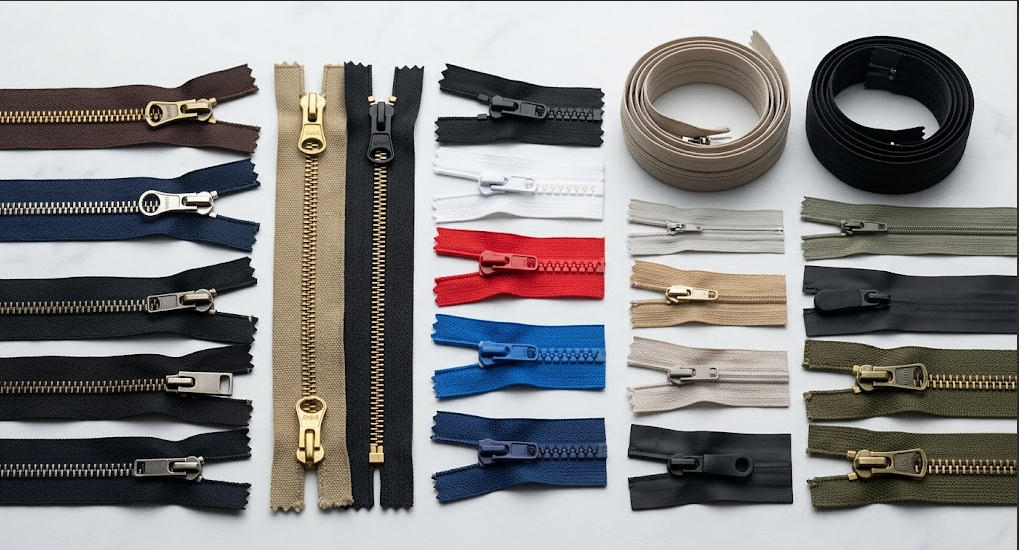
Different makers pick different zipper chains for different bags. Some use metal. Others use molded plastic or nylon coil. Metal can feel firm and look clear and sharp. Molded plastic can fit lighter luggage. Nylon coil is often picked because it can move easily and still work when the zipper runs along a curved path.
Adding a second slider does not always mean the zipper will last longer. The two sliders should match the chain. The whole unit should be checked to confirm it closes smoothly, resists wear, and seals well every time.
7. Greater Design Opportunities for Luggage Manufacturers
When luggage brands try to stand out, they focus on features that users notice right away. Zip layouts are now part of early product planning. With two-way zippers, designers can build new opening layouts and adjust how compartments are arranged.
A brand might use them in a large main pocket. It can also use them in expandable sections. They fit travel backpacks too, and they can work on duffel bags with more than one compartment. By moving where the sliders sit, the zipper can match the bag shape, the opening length, and how the bag will be used.
Two-way zippers can also pair with extra details. Lockable zipper pulls are one option. Reinforced zipper tape is another. Some designs add waterproof or water-resistant builds. Others use pull tabs that feel easier to grip. With these choices, brands can aim for specific buyer needs.
For brands that sell into different markets, the right zipper setup can help separate product lines. At the same time, it keeps a steady level of comfort in use and a familiar look.
8. Compatibility with Different Materials and Styles
Travel bags and luggage are made from many kinds of materials. This includes polyester, nylon, canvas, leather, coated cloth, and both rigid and semi-rigid builds. Two-way zippers can go into many soft-sided designs. The zipper type and installation have to fit the bag design.
Nylon coil two-way zippers are common on lighter backpacks and flexible travel bags. Molded plastic two-way zippers can fit sporty looks or designs that want larger zipper parts. Metal two-way zippers can suit bags that need a more solid feel or a more styled appearance.
The zipper size and chain type should match the bag. Slider style and tape features should also match. Designers should think about the bag weight, the size of openings, and how the bag will be loaded. They also need to check fabric thickness, stitching strength, and whether the zipper route is straight or bends.
A wide set of options helps two-way zippers work well for manufacturers who need to handle function, looks, and factory needs at the same time.
Common Applications of Two-way Zippers for Luggage and Travel Bags
| Application | Typical Use | Key Benefits of Two-way Zippers |
| Suitcases | Main compartments and expandable sections | Flexible opening, easier packing, convenient access |
| Duffel Bags | Large main compartments | Wide adjustable opening and easier loading |
| Travel Backpacks | Main storage compartments | Convenient access from different positions |
| Garment Bags | Long clothing compartments | Partial opening and easy access to garments |
| Carry-on Bags | Main and secondary compartments | Quick access in airports and other tight spaces |
| Sports Travel Bags | Clothing and sports equipment storage | Flexible access and convenient organization |
| Camera Travel Bags | Equipment compartments | Controlled opening and quick equipment access |
| Laptop Travel Bags | Computer and accessory compartments | Easy access while keeping other sections closed |
| Toiletry Bags | Large or multi-compartment organizers | Adjustable opening and improved visibility |
| Packing Organizers | Clothing, accessories, and personal items | Convenient opening and efficient item retrieval |
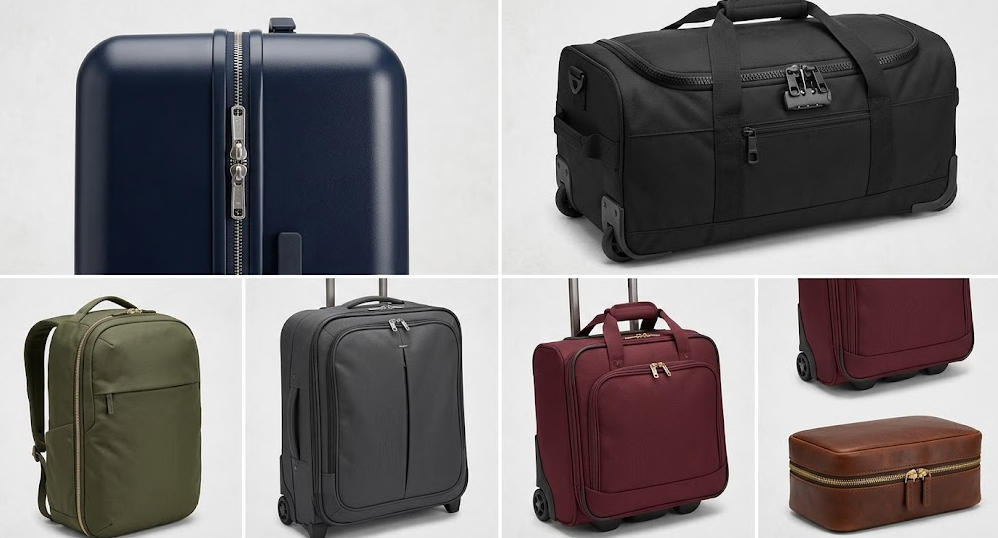
Two-way Zippers vs. Single Zippers for Luggage and Travel Bags
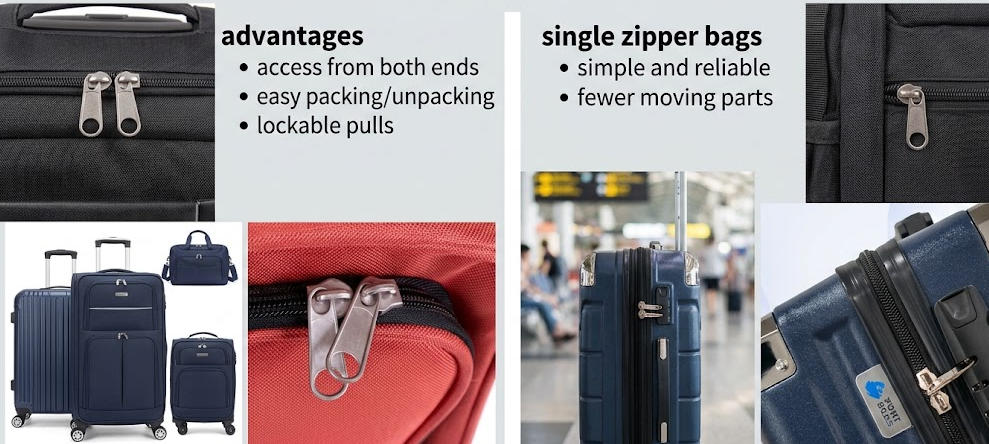
The main difference between two-way and single zippers is the number of sliders and the flexibility of access.
| Comparison Factor | Two-way Zippers | Single Zippers |
| Number of Sliders | Two sliders | One slider |
| Opening Direction | Can be opened and adjusted from both ends | Opens in one direction |
| Access Flexibility | High; opening position can be adjusted | Standard; fixed opening direction |
| Packing Convenience | Excellent for large or deep compartments | Suitable for simple compartments |
| Item Retrieval | Allows partial opening for quick access | May require opening a larger section |
| Large Suitcases | Highly suitable | Suitable for simpler designs |
| Duffel Bags | Excellent for wide main openings | Suitable for basic designs |
| Travel Backpacks | Useful for large compartments | Suitable for smaller compartments |
| Garment Bags | Convenient for long openings | Functional but less flexible |
| Operation in Tight Spaces | More flexible because the opening can be positioned conveniently | Less flexible |
| Design Flexibility | Supports more complex and functional bag designs | Simpler construction and design |
| Weight & Components | Usually slightly more components due to the second slider | Fewer components |
| Manufacturing Complexity | Generally more complex | Generally simpler |
| Cost Consideration | Typically higher due to additional components | Typically lower |
| Best For | Large luggage, travel bags, duffel bags, and products requiring flexible access | Simple luggage, pouches, organizers, and basic travel bags |
Therefore, the choice depends on the bag’s structure and intended use. Two-way zippers are generally more advantageous when convenient access and opening flexibility are important priorities.
Important Considerations for Choosing Two-way Zippers for Luggage and Travel Bags
Two-way zippers are useful, but they are not always the top pick for every bag. Before choosing, manufacturers should look at what the zipper will do in that specific product.
Start with zipper size and strength. Bigger suitcases and tough travel bags may need a wider chain and stronger sliders. A zipper on a full bag has to handle pressure and pull during normal use.
Next, check slider fit. Both sliders should glide along the chain with the same feel. When the opening is closed, they should meet and lock in a steady way. If the parts do not match, the zipper can snag, move unevenly, or wear out faster.
Material matters too. Nylon coil, molded plastic, and metal zippers each bring their own balance of bend, weight, look, and drive force. When corrosion or wear is a concern, zipper manufacturers should also test how the product holds up after repeated openings and closings.
Finally, plan quality checks. Review slider travel, tooth or coil contact, zipper alignment, stitch strength, and how well the closure holds. For items made for trips and frequent handling, durability trials under real loads and normal motion can reveal weak spots before large orders.
Final Thoughts
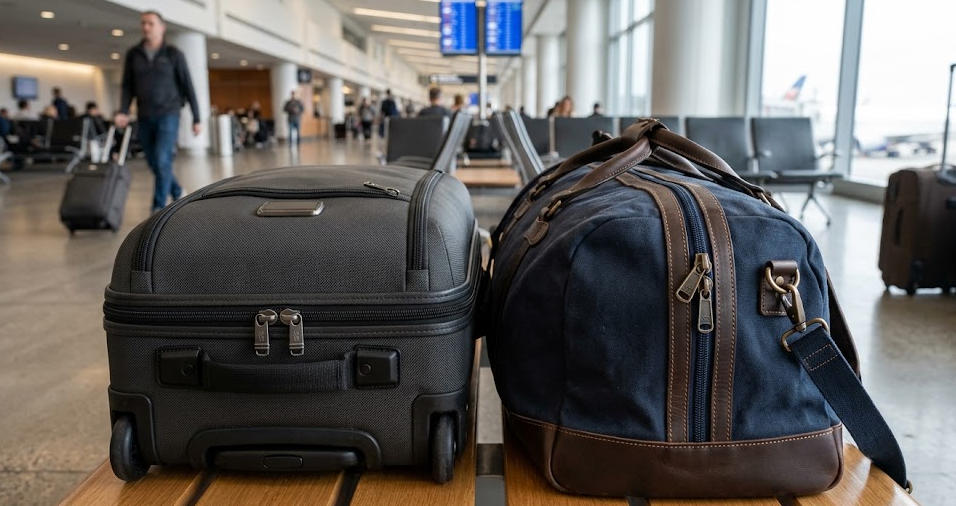
Two-way zippers are widely used in luggage and travel bags because they support easy access and help with packing. They also give designers room for different styles and practical use. With two sliders, a person can decide how the bag opens and where the opening stops. That makes them fit for suitcases, duffel bags, backpacks, and other travel items.
For luggage manufacturers, these zippers can support new layouts and more useful designs across different materials and customer needs. Nevertheless, the results depend on choosing the right zipper parts and installing them correctly so they perform as expected.