
How to Choose the Right Waterproof Zipper for Different Products
Waterproof zippers have several unique characteristics that set them apart from conventional zippers. They are engineered to stop water from getting through the zipper chain. This protection is accomplished by applying a protective film to the zipper tape, adding a sealing structure, or employing a zipper chain construction that is resistant to water. There are many uses for waterproof zippers, especially in protective gear and clothing, sportswear, luggage, marine equipment, and various industrial products.
However, not all waterproof zippers offer the same level of protection or performance. Different products require different materials, waterproofing technologies, zipper structures, and functional characteristics. Improper selection of waterproof zippers results in zipper chains that are difficult to use, provide inadequate protection from the elements, and wear out sooner.
So, how can manufacturers and product designers choose the right waterproof zipper for different products? This article focuses on the key factors to consider for selecting suitable waterproof zippers for various applications.
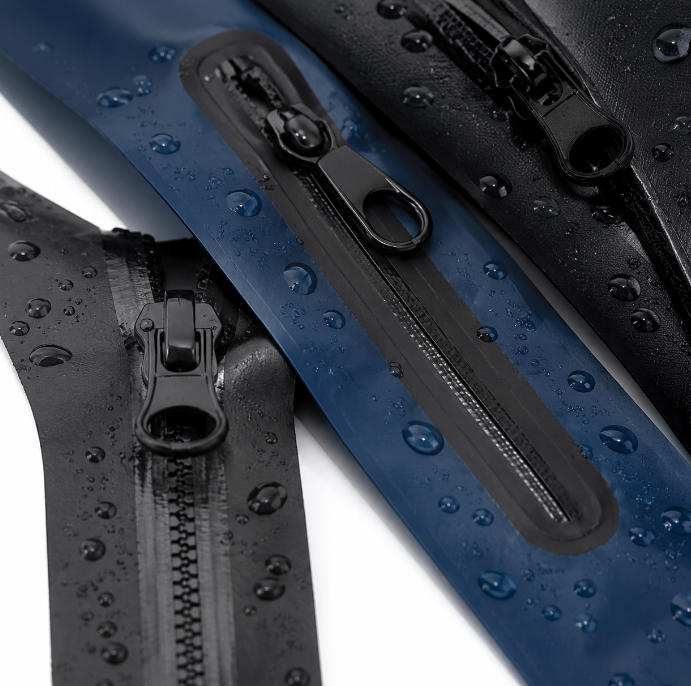
Table of Contents
Understand the Different Types of Waterproof Zippers
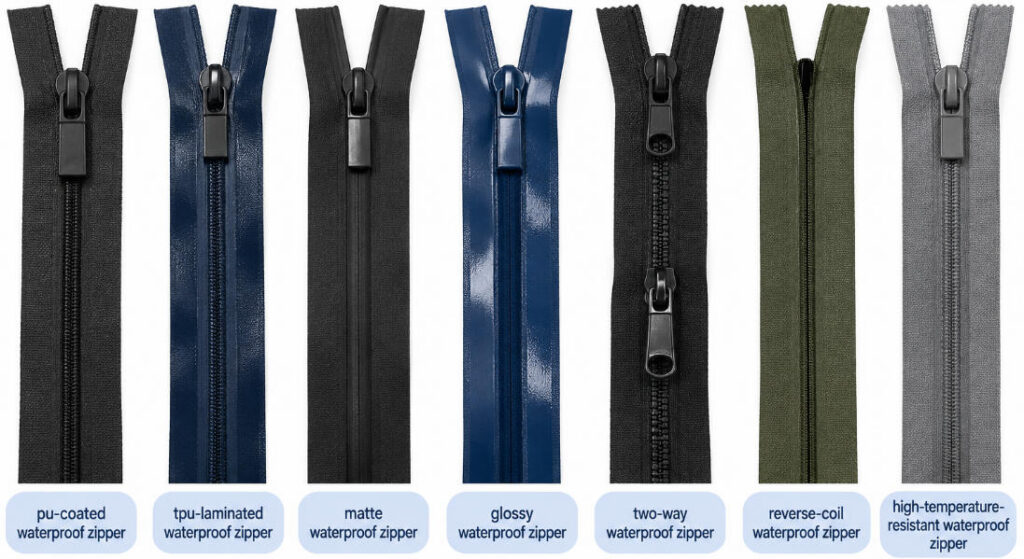
Before selecting a waterproof zipper, it is important to understand the main types available on the market. Different waterproof zipper constructions provide different levels of flexibility, durability, appearance, and water resistance.
| Type of Waterproof Zipper | Main Material | Key Characteristics | Common Applications |
| PU-Coated Waterproof Zipper | Polyurethane (PU) coating | Flexible, lightweight, smooth surface, good water resistance | Rain jackets, outdoor clothing, backpacks, sportswear |
| TPU-Laminated Waterproof Zipper | Thermoplastic polyurethane (TPU) film | Excellent flexibility, abrasion resistance, and durability | Outdoor equipment, waterproof bags, sportswear, protective clothing |
| Matte Waterproof Zipper | PU or TPU with matte surface finish | Non-glossy appearance, modern design, reduced visual reflection | Premium jackets, outdoor apparel, backpacks, luggage |
| Glossy Waterproof Zipper | PU or TPU with glossy surface finish | Smooth, shiny appearance, attractive finish, available in different colors | Fashion jackets, raincoats, sportswear, travel bags |
| High-Temperature-Resistant Waterproof Zipper | Specialized coating or laminated materials | Designed to maintain performance under specified elevated temperatures | Industrial protective clothing, specialized outdoor equipment |
| Two-Way Waterproof Zipper | Waterproof zipper chain with two sliders | Opens from either end, offers flexible access and ventilation | Waterproof jackets, outdoor suits, luggage, specialized equipment |
| Reverse-Coil Waterproof Zipper | Reverse-mounted coil chain with waterproof coating or film | Clean exterior appearance, concealed zipper teeth, modern design | Sportswear, technical jackets, outdoor clothing |
These types can overlap. For example, a waterproof zipper can be both TPU-laminated and matte-finished, or use a reverse-coil structure with a PU coating. Actual waterproof performance depends on the complete zipper construction, slider, end sealing, and product assembly.
Key Factors to Consider for Choosing the Right Waterproof Zipper for Different Products
1. Waterproof Performance Requirements
One of the most important factors when choosing a waterproof zipper is the required level of water protection.
Consider the products being designed. Do they need to protect a user against light rain or heavy rain? A light rain jacket may only need zippers that provide adequate protection from light rain. A diving bag, on the other hand, needs to provide much greater water protection.
The designer of the product should assess what level of water protection a product needs. They should look at different forms of water, including splashing, pressure, humidity, rain, and submersion.
A water-resistant product and a truly waterproof product should not be considered one and the same. Some products may be protected from water in light rain, but not under greater water pressure or extended submersion.
A zipper’s waterproof performance relies on numerous factors. They include coating thickness, the material of the film, zipper chain design, slider design, end stops, and the sealing design of the product in its finished form.
If high-level waterproof performance is required for your design, you should consider acquiring data from the zipper manufacturer’s tests and assess the zipper as a whole while under the conditions of your design’s actual use.
2. Zipper Material and Coating Type
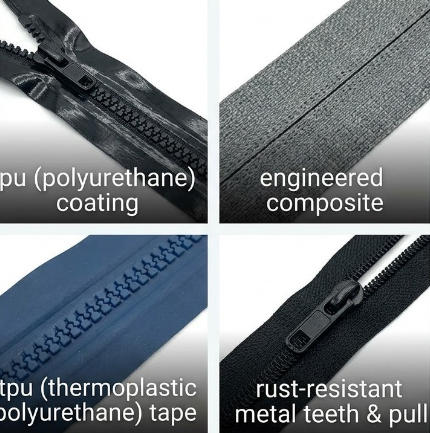
Choosing the materials to use with the waterproof zipper will determine the flexibility, durability, and how well it can withstand wear and tear. Two popular materials to use for waterproof zippers are PU and TPU.
For waterproof zippers coated with PU, there is a layer of polyurethane coating on the zipper tape that stops water from entering. These zippers are quite flexible and can be used on many waterproof applications on a daily basis. You can commonly see them used on rain gear and jackets, activewear, and even some styles of backpacks.
TPU film laminated waterproof zippers provide flexibility, durability, and a smooth zipper opening/closing experience, among other benefits. For these reasons, TPU laminated zippers are excellent for higher-end, more demanding applications.
PU vs TPU: The decision to choose between PU or TPU in waterproof zippers depends on a number of factors, including budget, intended use, environmental conditions, and service life. There isn’t a single best choice, and the optimal selection for a given zipper application is largely determined by these factors.
3. Application Environment and Operating Conditions
It is beneficial for manufacturers to know the functional requirements of different industries. Knowledge of the application environment assists manufacturers in determining what kind of zipper will meet their waterproof performance requirements, and helps determine the best material and structural design for their zipper.
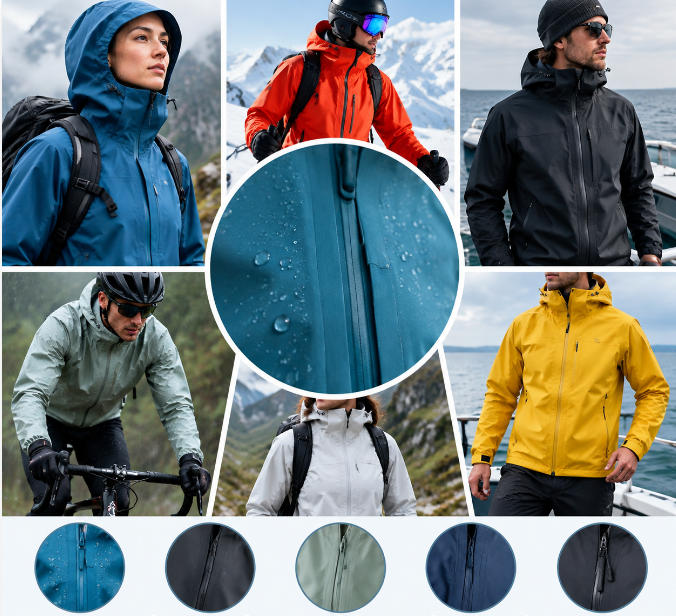
Outdoor Clothing
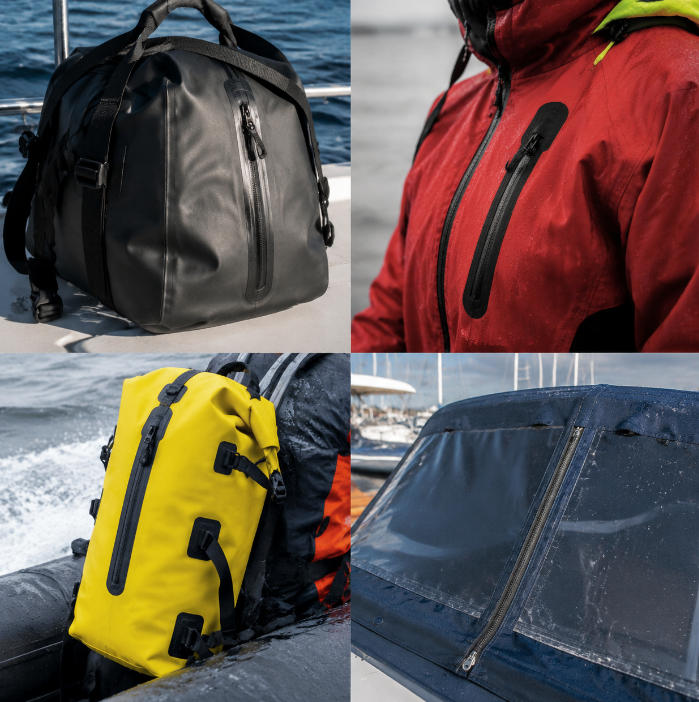
Outdoor clothing features many openings that would allow moisture, such as rain, to enter. Many of these items use waterproof zippers.
Outdoor clothing also calls for construction that is lightweight, flexible, and comfortable.
For these reasons, PU-coated waterproof zippers and TPU-laminated zippers, work well in outdoor clothing. They often have matte finishes, which coordinate well with the modern look of most outdoor apparel.
Outdoor apparel manufacturers need to take the following factors into account when choosing zippers for their garments:
- Flexibility: Flexibility is a major concern. Zippers should not make clothing rigid.
- Lightweight: To help keep clothing comfortable, lightweight zippers are better.
- Abrasion Resistance: Coatings should have high levels of abrasion resistance.
- Smooth Operation: A well-designed zipper will not have sliders that damage the coating during operation.
- Weather Resistance: Zippers should perform well in various climates, regardless of rain or wind.
Backpacks and Luggage
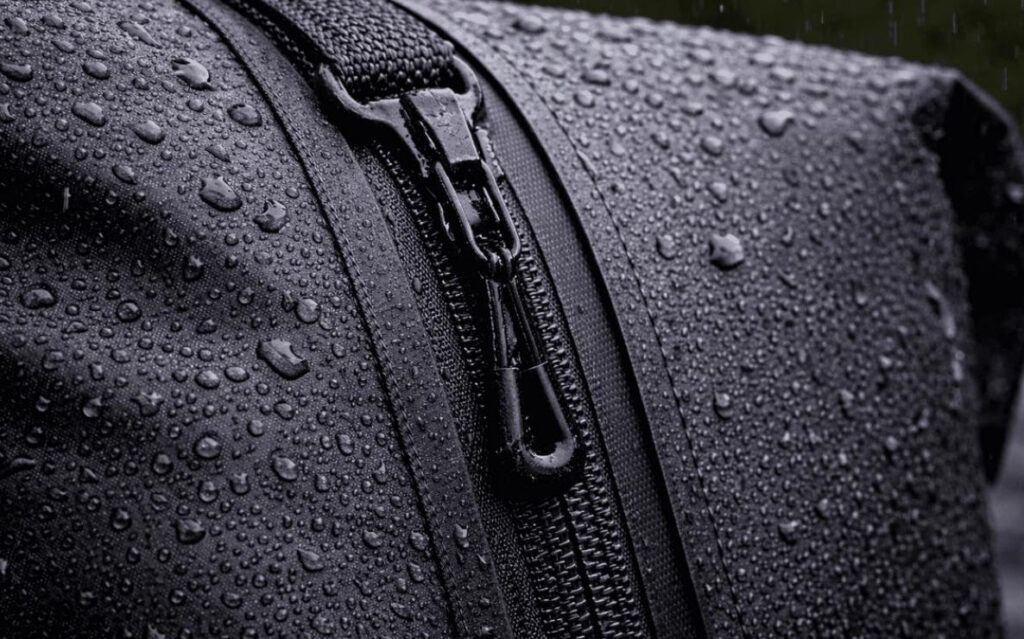
Rain, splashes, dust, and general friction are common in the transportation of luggage and backpacks. Waterproof zippers offer protection for stored clothing, electronic goods, important travel documents, and other items.
Waterproof zippers designed for backpacks and luggage may need to incorporate heavier zipper chains and stronger surface materials to address the demands of these types of products.
TPU waterproof zippers are well suited for backpacks and luggage because they are tough and abrasion-resistant.
Waterproof zipper manufacturers should keep the following considerations in mind for bags and luggage:
- Durability: Waterproof zippers should hold up to frequent opening and closing.
- Abrasion Resistance: Surfaces should be able to resist scratches and friction.
- Load Bearing Compatibility: The zippers should have appropriate strength for the construction of the bag and the items it will contain.
- Water Protection: The zippers should be sufficient to protect contents from rain and water splashes.
- Appearance: Glossy or matte finishes can be selected to match different bag designs.
Sportswear
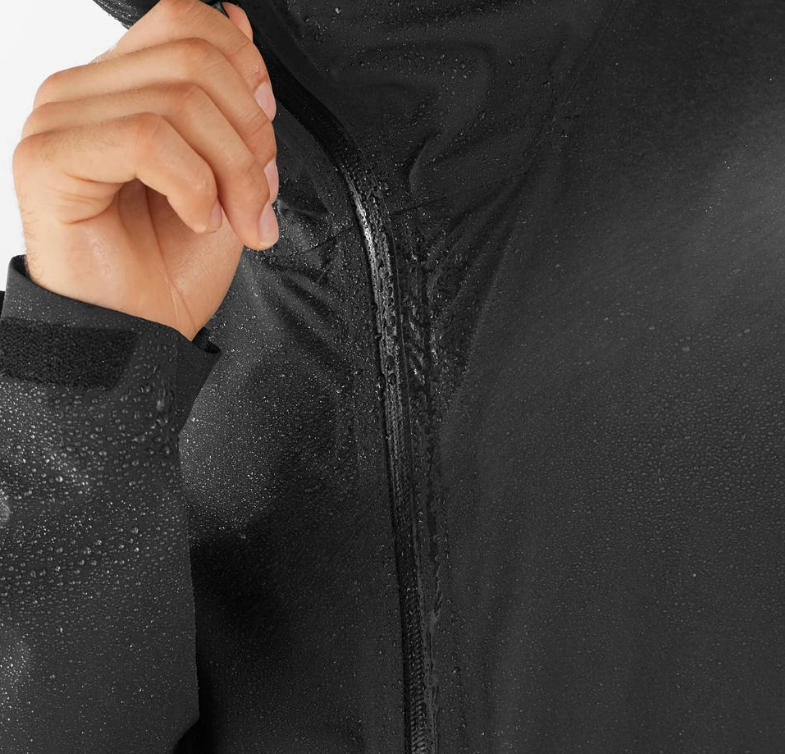
Running, cycling, ski and other activewear needs zippers that are flexible, lightweight, and durable.
Because athletes will move, stretch and bend during their sports, flexibility and smooth operation of the zipper is very important.
Double-sealed TPU-laminated waterproof zippers work best for high-end activewear, while PU-coated zippers work best for lower-end activewear.
Manufacturers need to prioritize flexibility, sweat resistance, abrasion resistance and activewear fabric compatibility.
Marine Equipment
Marine Equipment gets regularly wet and used in very high humidity environments, high salt spray and harsh outdoor conditions. Waterproof zippers are commonly used in different marine equipment, such as dry bags, marine storage bags, protective covers, and specialized boating equipment..
Most marine products need to meet stricter requirements for waterproofing and corrosion.
Marine products need to be made using materials that can withstand the expected marine environment. The zipper slider and other parts need to be resistant to the marine environment.
For significant pressure or immersion, standard waterproof zippers will likely not suffice. Specialized watertight closure designs and application-specific tests might need to be implemented.
Protective Clothing
Protective clothing provides a defense barrier from the elements such as moisture, dust and chemicals.
Waterproof zippers used in protective garments should not only be waterproof but compatible with the fabric and design of the protective garment.
Some applications might require chemical, thermal and durability considerations, as well as more specialized zipper designs.
Waterproof zippers alone do not guarantee protection from the elements, as the protective fabric, seams, construction and design all work together to provide protection.
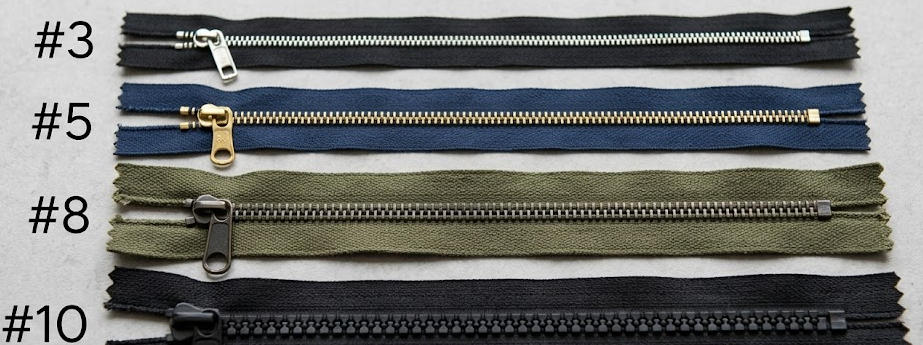
4. Zipper Size and Strength
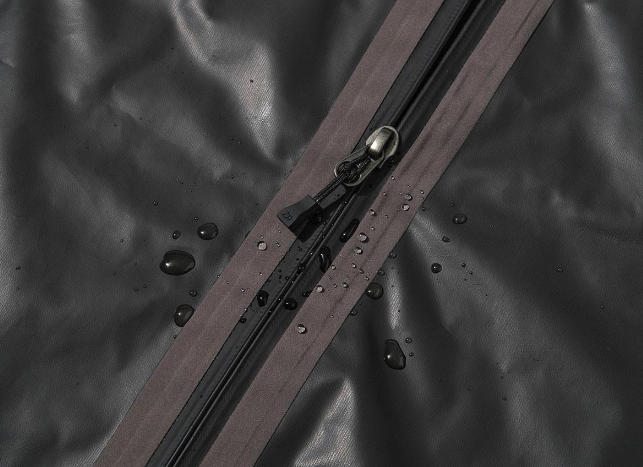
In addition to appearance, zipper size plays a key role in product strength and utility.
A #3 or #5 waterproof zipper is used for lightweight jackets, sportswear and smaller accessories.
For items with a heavier design and higher strength requirements, a #8 or #10 waterproof zipper is more appropriate, including backpacks, luggage, etc.
However, zipper size shouldn’t just be based on the dimensions. The weight and thickness of the material being used and the intended product usage need to be considered. Frequency of opening and other mechanical stresses need to be evaluated as well.
The sizing of a zipper involves balancing several competing design factors including zipper stress during use, overall product weight, and flexibility.
A too small zipper will experience more stress than it should during operation and may have reduced functionality. An unnecessarily large zipper will result in a heavy product, reduced design flexibility, and a more expensive product.
5. Flexibility and Ease of Operation
Flexibility is a major factor to consider for waterproof zippers.
This is particularly true for outdoor jackets, cycling wear, running wear, and similar apparel that need a flexible zipper.
Most clothing with zippers in these applications needs flexible zippers. A stiff zipper will reduce comfort when wearing and opening and closing of the garment.
Backpacks and luggage have different requirements. While flexibility is still a concern, the ability of the zipper to open and close smoothly in a repetitive motion, along with the mechanical strength of the zipper, are usually the higher design goals.
Slider design is important for ease of operation. The ideal slider should open and close the zipper chain without excessive stress. A poorly designed slider may damage the zipper’s waterproof coating.
Zipper opening and closing should be tested. Manufacturers should observe potential issues like jamming, uneven zipper movement, coating degradation, and zipper separation.
6. Abrasion Resistance and Durability
Mechanical stress (e.g., bending, pulling, and rubbing) often occurs with waterproof zippers. Therefore, abrasion resistance and durability must be evaluated.
Consider a zipper on the outside of a backpack or luggage. While being transported or used on a daily basis, zipper surfaces may be repeatedly exposed to contact with various materials. This can be problematic if the zipper has inadequate abrasion resistance. Once a coating is damaged, the protective layer can be stripped off, and the zipper’s waterproof qualities can be negatively impacted.
It is advised for manufacturers to evaluate coating adhesion, zipper chain and slider wear and durability, etc.
TPU (thermoplastic polyurethane) is known to have good abrasion resistance, while other constructions may use polyurethane. Either way, for less strenuous applications, polyurethane may work fine.
It is advised to rely on actual testing and intended use scenarios to determine the final construction.
7. Slider Design and Sealing Structure
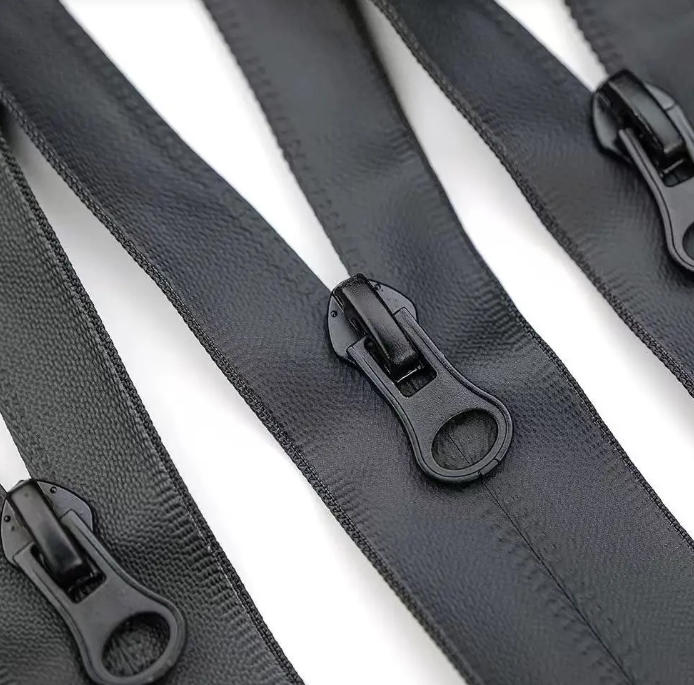
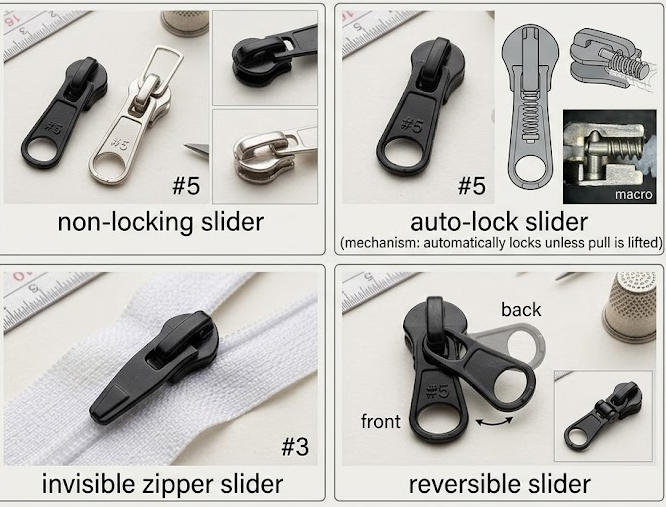
The slider plays a key role in operating the zipper. As the slider moves, the chain of zipper teeth is engaged and disengaged to open and close the zipper.
For each specific use of the waterproof zipper, a different type of slider might be optimal. There are many options when it comes to the design of zipper sliders, as well as auxiliary features and structures for greater levels of protection.
It is necessary to carefully design the ends of the zipper as well. As mentioned before, the end stops can be poorly designed or open, allowing water to penetrate the zipper, even if the rest of the zipper has excellent waterproof properties.
Depending on the specific item, there might be features such as specialized sliders, garages, end treatments, or sealants.
Waterproof integrity of a closure system depends on a variety of design elements including zipper tape, slider, chain, stops, seam, and the closure installation system.
8. Surface Finish and Appearance
As important as zippers are for functionality, designers consider looks when choosing zippers for waterproof applications.
Certain types of finishes are available and each can contribute to how a zipper integrates with the product design.
One common zipper style is the matte style zipper which is designed to have a dull surface. This style of zipper is common in high quality outdoor apparel and technical designs such as technical jackets and modern bags.
Glossy style waterproof zippers have a highly reflective surface and give products a more striking design. These zippers are popular in rain jackets and casual or athletic wear.
A variety of zipper colors is important. Sometimes manufacturers need custom colors for zippers to complement other design features and requirements.
However, looks should not be the sole criteria when choosing a style of zipper. The finish must still adhere to the requirements of the conditions in which the zipper will be exposed.
9. Customization and Product Compatibility
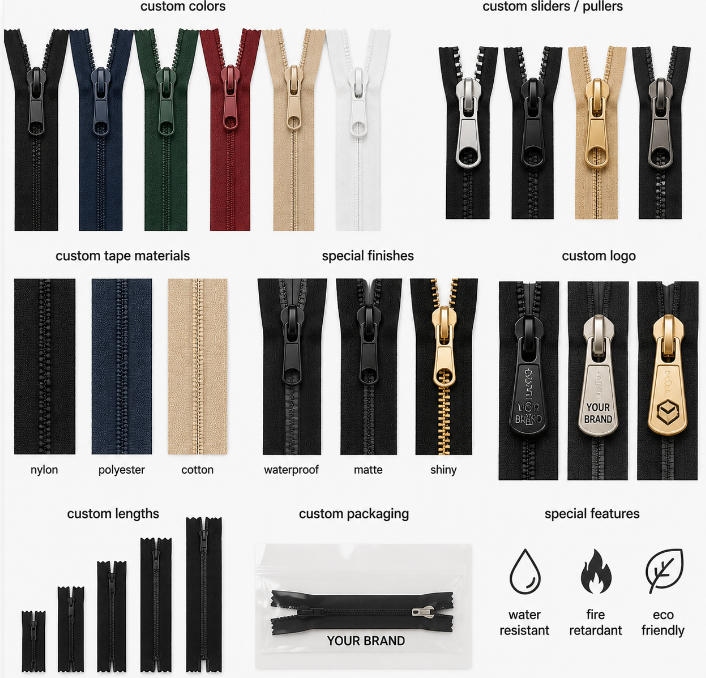
Different products have different design requirements, so customization is often necessary when purchasing waterproof zippers.
Professional waterproof zipper manufacturers can provide various customization options to help customers achieve the desired appearance and functional performance.
Common Customization Options in Waterproof Zippers
| Customization Option | Available Choices | Key Features |
| Material Customization | PU coating, TPU lamination, polyester tape, nylon tape | Provides different levels of flexibility, durability, and waterproof performance |
| Zipper Size | #3, #5, #8, #10, and other specifications | Matches different product structures and strength requirements |
| Zipper Length | Custom short, standard, and long lengths | Ensures compatibility with different product dimensions and designs |
| Color Customization | Black, white, gray, navy, red, and customized colors | Matches fabric colors, brand identity, and product designs |
| Surface Finish | Matte, glossy, and other specified finishes | Creates different visual effects and improves product appearance |
| Waterproof Coating | PU-coated, TPU-laminated, customized coating specifications | Helps achieve the required water resistance and surface protection |
| Slider Customization | Standard sliders, specialized sliders, customized pullers | Improves operating convenience and matches product requirements |
| Puller Design | Metal pullers, plastic pullers, rubber pullers, customized shapes | Enhances grip, functionality, and brand appearance |
| Zipper Structure | Closed-end, open-end, two-way, reverse-coil designs | Provides different opening methods and functional performance |
| Tape Width | Standard or customized tape widths | Improves compatibility with fabrics and product construction |
| Packaging Customization | Individual packaging, bulk packaging, customized rolls and labels | Supports transportation, storage, and production requirements |
Before placing a bulk order, manufacturers should request samples and confirm that the customized zipper meets their product requirements.
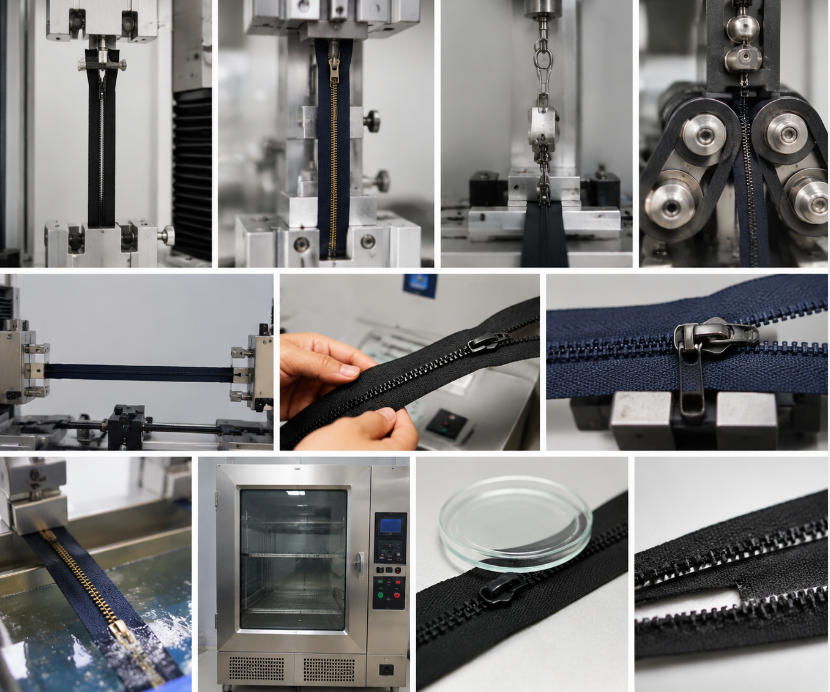
10. Testing and Quality Control
Zipper design should involve an evaluation for the application and should also consider what testing is necessary.
As a best practice for mass production, manufacturers should perform their own tests to identify potential quality issues.
Water leakage tests assess zipper integrity against the intrusion of water under certain conditions. Repeating opening and closing tests can reveal mechanical issues.
Additional useful tests include tensile, abrasion, coating adhesion, and temperature and environment-based tests.
Marine and other industrial zipper applications may require testing related to saltwater, chemicals, and other environmental exposures.
Coating uniformity, surface, and dimensional checks, as well as slider testing should all be part of batch inspections.
Most importantly, you should perform a waterproof test on the fully completed item after installing the zipper. Your final design will determine the product’s overall waterproof integrity.
How to Choose a Reliable Waterproof Zipper Manufacturer
Selecting a reliable waterproof zipper manufacturer is an important step in ensuring consistent product quality.
An experienced supplier will offer variety. Size, finish, color, and customization options are important.
When conducting their due diligence on zipper suppliers, businesses should evaluate production capacities, quality control programs, material sourcing, sample prototyping, and supply chain reliability.
It is also beneficial to work with a zipper manufacturer that understands the requirements of different industries. For example, waterproof zippers for outdoor jackets have different priorities from those used in marine equipment bags or industrial protective clothing.
A professional manufacturer should be able to recommend suitable zipper constructions based on the customer’s application, environmental conditions, and budget.
In addition, consistent quality control is essential for bulk orders. Customers should confirm that the supplier can maintain stable coating quality, zipper dimensions, slider performance, and waterproof characteristics across production batches.
Summary
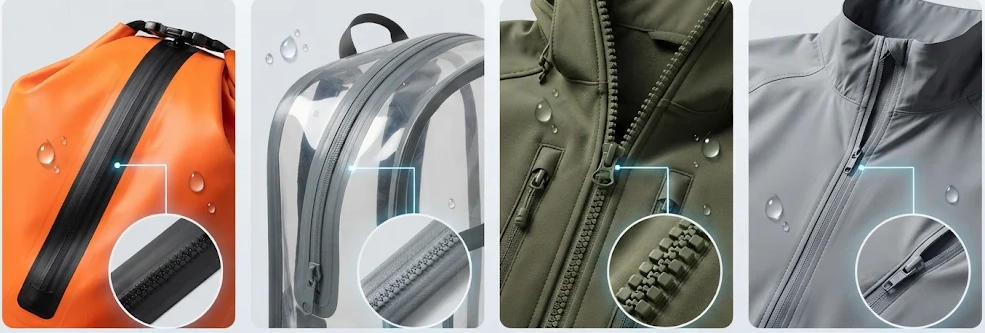
Choosing the right waterproof zipper requires careful consideration of application requirements, waterproof performance, material characteristics, zipper size, structural design, and customization options, etc.
For outdoor clothing, flexibility and lightweight construction are important. For backpacks and luggage, abrasion resistance and durability deserve greater attention. Sportswear requires comfortable operation and movement flexibility, while marine equipment and protective clothing may demand more specialized waterproofing and environmental resistance.
No zipper fits all uses. Therefore, manufacturers must test options for specific use environments. Work with a knowledgeable supplier; they should determine the optimal combination of performance, durability, appearance, and cost-effectiveness for the intended use.
Well-selected waterproof zippers contribute significantly to improved product quality, enhanced user experience and reliable performance in different environments, even in extreme conditions.