
Custom vs. Standard Invisible Zippers: What are the Key Differences
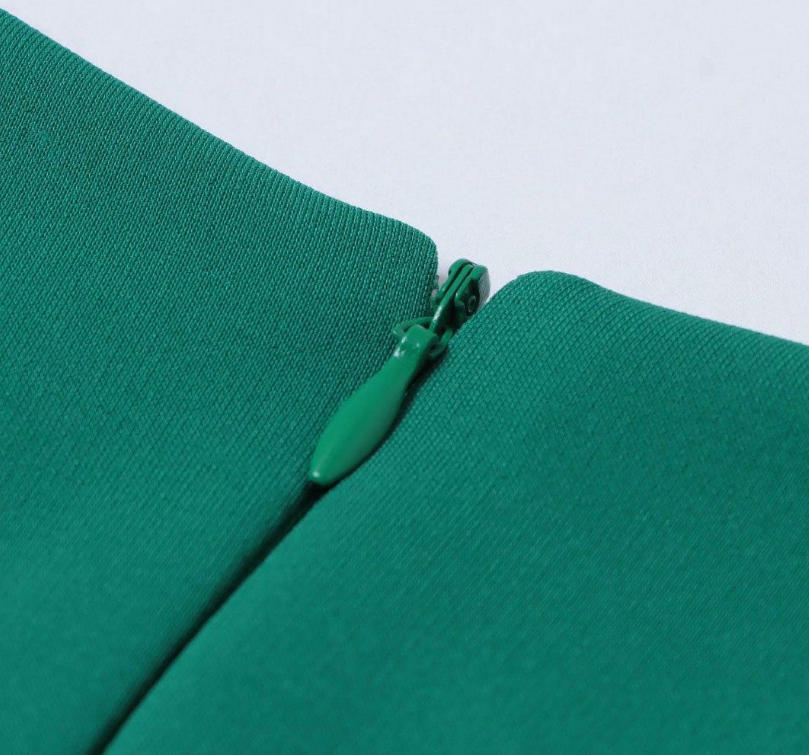
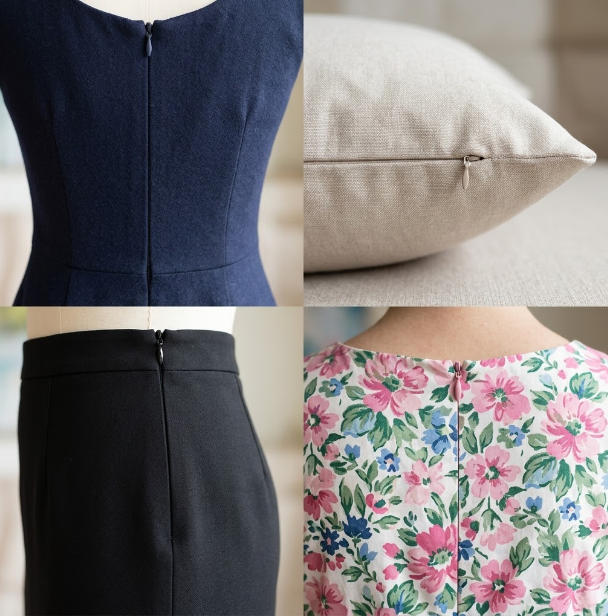
Invisible zippers are important fastening components widely used in both apparel and home textiles. They have their zipper teeth concealed, so there are no exposed teeth as there are with traditional zippers. They have many uses including clothing such as dresses, skirts, trousers, wedding gowns, and cushions other products where appearance and functionality are equally important.
When purchasing invisible zippers, manufacturers and buyers often need to choose between custom and standard options. Standard invisible zippers are pre-made according to specifications, and custom invisible zippers are tailored to meet requirements of size, color, design, material, and packaging.
While the zipper functionality is the same in both cases, custom and standard invisible zippers differ significantly with regard to customization flexibility, production methods, costs, lead times and application suitability. Understanding these differences is vital for manufacturers, fashion brands, and wholesalers to select the right zipper solution for their products.
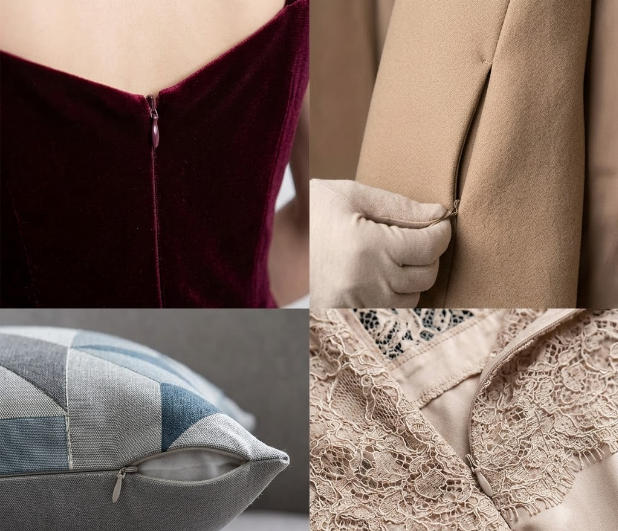
Table of Contents
Understanding the Basics of Standard Invisible Zippers
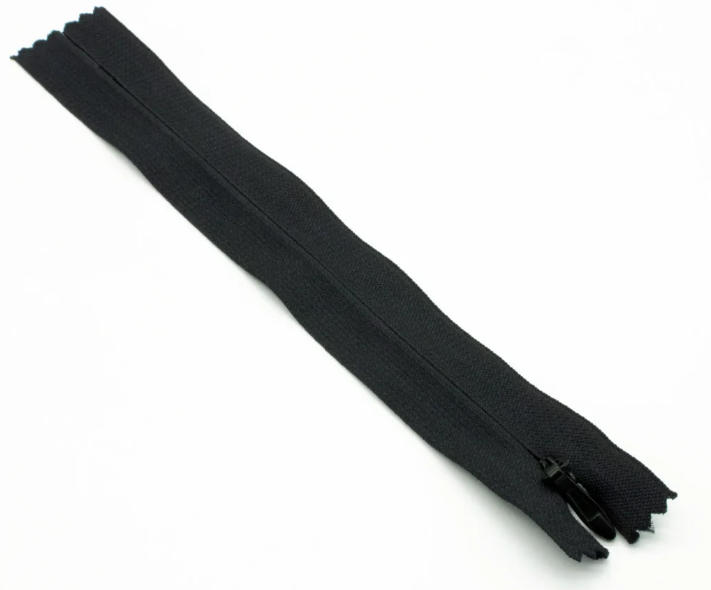
Standard invisible zippers are readily available pre-made zipper products and are built according to popular industry specifications. They are typically offered in common sizes, standard lengths, and standard colors, and use popular materials.
The zipper teeth of a standard invisible zipper are located on the reverse side of the zipper tape and remain concealed when installed. Therefore, they work great in apparel where a seamless and clean looking zipper closure is needed.
Standard invisible zippers are a frequent choice for clothing that is manufactured in bulk. These are zippers that manufacturers produce ahead of time, allowing them to stock these zippers for customers to order as needed.
These products are a great option for those with regular and straightforward needs.
Understanding the Basics of Custom Invisible Zippers
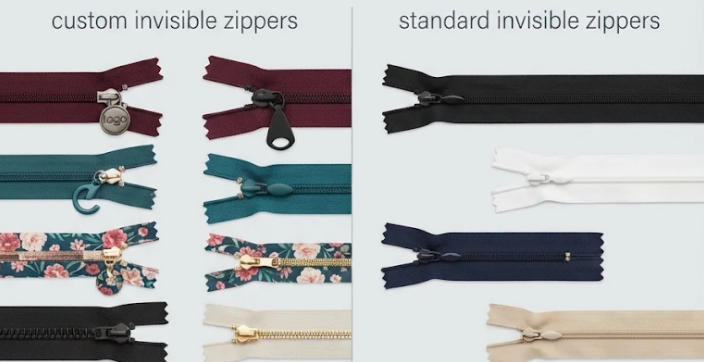
These products give customers more freedom to craft a fastener to meet their needs. Unlike standard zippers, custom zippers can have variations in tape color, zipper lengths, material, slider type, etc.
For fashion designers and manufacturers who use specialized fabrics, colors or even have functional needs in their clothing, this option is much more desirable.
Take the luxury dress example; they may require an invisible zipper that has a matching fabric tape, and even may need a color match as well. Or consider the outdoor apparel designers, who may need their zippers to be a more durable product due to regular use.
A manufacturer may even develop the custom zippers with their branding or specialized sliders.
Customized manufacturing means more time and more initial investment. It can help businesses with special needs in the long run.
Key Differences Between Custom and Standard Invisible Zippers
1. Materials and Construction
Invisible zipper design and materials used to build them help in deciding performance and the appearance of the zipper.
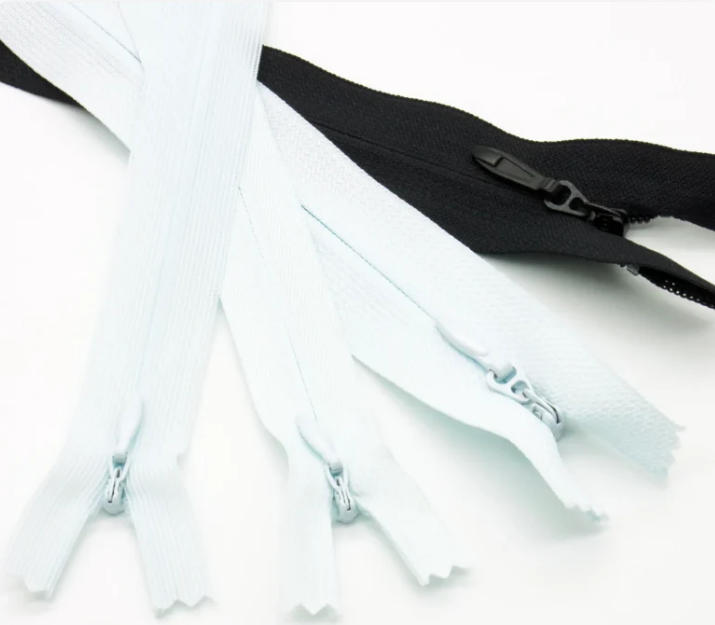
Standard zippers use common materials for polyester tapes and other materials used in zipper elements. Polyester zipper tapes and materials used in other elements work for almost all garment designs and textiles.
With custom zippers, you have more choices to play around with materials used in the zipper. With zippers, it starts with choosing materials for tape, zipper elements, and sliders. You can also customize zipper elements for closing construction.
For instance, lighter materials may need flexible zipper tape and lighter zipper elements to reduce bulkiness. Opening and closing designs with more stress on zippers will need a more durable construction with better materials.
However, customization doesn’t mean better quality. Both types of products should go through rigorous quality inspections to make sure zippers are working smoothly and there’s no gap between elements, and that the zipper is not going to fail.
2. Size and Length Differences
The size and length of an invisible zipper play an important role in design, particularly garment designs and textile products.
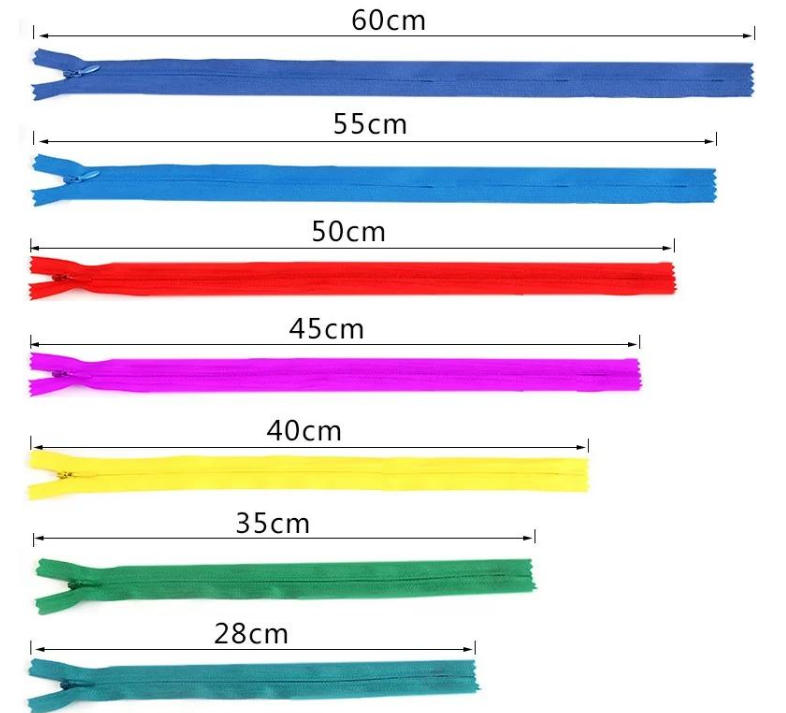
Standard invisible zippers come in popular sizes and lengths and fit easily into conventional patterns. The zippers are convenient to order since many inventories stock them and use of standard zippers can eliminate or at least significantly reduce the design work.
In the same way, the flexibility afforded by custom length invisible zippers makes them attractive for designers, even the highly innovative ones. In addition, unique designs that employ unconventional openings and customized sizes can help create unique collections, maintaining consistent design specifications.
Let’s consider a common skirt design. An ordinary invisible zipper will fit the need of this design, but a designer piece that features a back opening that is somewhat unique would be better served with a customized zipper length.
It’s also important for buyers to clearly communicate the required length and the method of measurement to avoid design flaws while manufacturing.
3. Color and Appearance
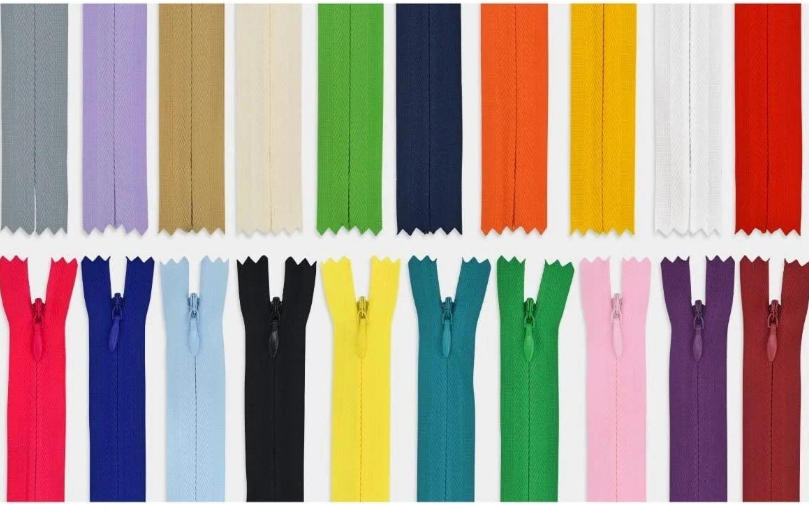
The primary role of an invisible zipper is to hide or camouflage the zipper with the fabric. Because of that, color matching is extremely important for these zippers.
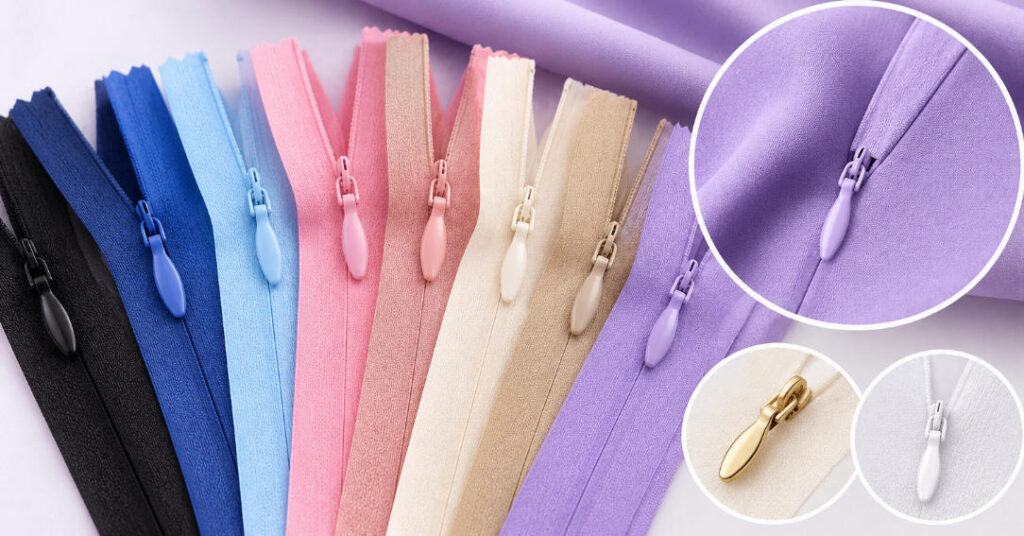
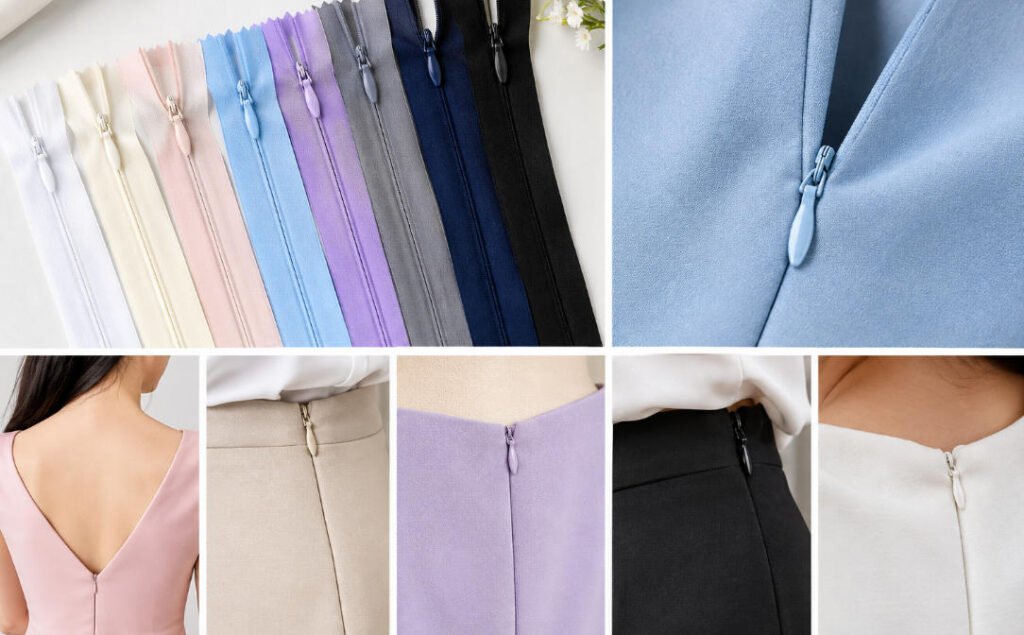
Typically, standard invisible zippers are available in popular colors including black, white, beige, navy and others. Most manufacturers tend to use these colors and they would likely work for most fabrics and products.
There is a lot more flexibility in color selection for custom invisible zippers. Clients are able to request any color to match their fabrics and/or their product designs.
The differences include:
| Color Factor | Custom Invisible Zippers | Standard Invisible Zippers |
| Color selection | Customized colors | Common colors |
| Fabric matching | More precise matching options | Depends on available shades |
| Special colors | Can be requested | May not be available |
| Brand consistency | Supports specific brand color requirements | Limited by inventory |
| Development | May require color sampling | Usually no additional development |
For luxury fashion brands, wedding dress manufacturers, and premium garment producers, color customization can help create a more professional and consistent finished appearance.
4. Slider Design and Functional Options
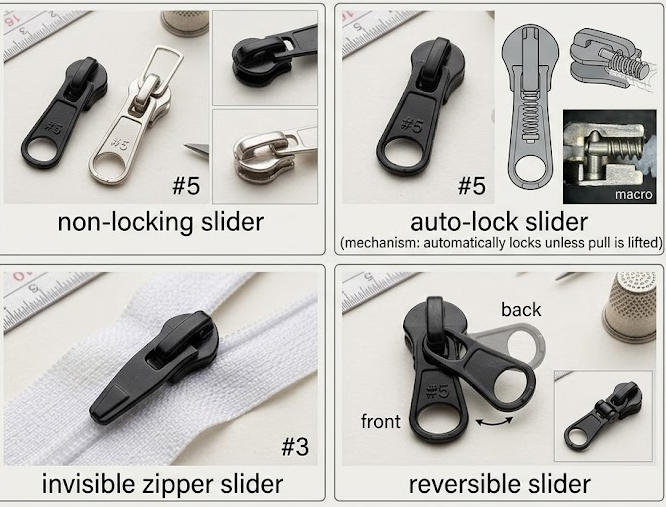
The slider of the invisible zipper plays an essential role as it controls the opening and closing of the zipper.
The designs for zipper sliders are standard and are widely available. You will see these designs in standard invisible zippers.
Manufacturers will fulfill custom invisible zipper orders by providing sliders that match customer design specifications. Buyers can negotiate sliders on design features such as shapes, finishes, puller styles and more.
| Feature | Custom Invisible Zippers | Standard Invisible Zippers |
| Slider shape | Special designs may be requested | Conventional designs |
| Puller style | Custom options may be available | Standard pullers |
| Surface finish | Specific finishes can be discussed | Regular finishes |
| Branding | Customized puller branding may be possible | Usually unbranded or standard |
| Functionality | Can be adjusted to application needs | Standard functionality |
For example, a fashion brand may prefer a distinctive slider appearance that complements its garment design, while a general clothing manufacturer may find standard sliders perfectly adequate.
5. Production Process and Manufacturing Flexibility
Manufacturing processes also distinguish custom from standard invisible zippers.
Manufacturers will follow established production steps for standard invisible zippers. These steps make the manufacturing of invisible zippers efficient. Manufacturers will use the steps to produce the zippers in larger quantities for regular customers.
Custom invisible zippers take longer to produce because customers will have to go back and forth with manufacturers on the designs and production specifications. Depending on how complicated an order is, custom invisible zippers can take as long as the production of a prototype, and the customer may even have to approve the zipper design, colors and the manufacturing specs before the zippers are made.
The typical steps in the production of a custom invisible zipper include:
- Requirement confirmation: The buyer provides zipper dimensions, colors, material preferences, and other specifications.
- Technical evaluation: The manufacturer evaluates whether the requested specifications are feasible.
- Sample development: Samples are produced for inspection and approval when necessary.
- Sample confirmation: The buyer checks dimensions, color, slider performance, and overall quality.
- Mass production: The manufacturer produces the customized invisible zippers.
- Quality inspection: Finished products are checked for consistency and performance.
- Packaging and delivery: Products are packed according to the agreed requirements.
Standard products generally require fewer preparation steps because their specifications have already been established. Custom invisible zippers take more time to develop and provide customers, due to the additional processes of designing and checking to order.
6. Cost and Minimum Order Quantity(MOQ)
Cost is another important factor when choosing between custom and standard invisible zippers.
Standard invisible zippers are generally more affordable because they benefit from standardized manufacturing and larger production batches. Buyers can also avoid additional development expenses when selecting products from existing inventory.
Custom invisible zippers may involve additional costs associated with material adjustments, special color matching, sampling, production setup, and customized packaging.
MOQ may also differ. Standard products may be available in smaller quantities, especially when suppliers maintain sufficient stock. Custom products may require larger orders to make specialized production economically practical.
| Cost Factor | Custom Invisible Zippers | Standard Invisible Zippers |
| Unit price | May be higher | Generally lower |
| Development cost | May apply | Usually unnecessary |
| Sampling cost | May apply | Usually unnecessary |
| MOQ | Often higher | Often lower for stocked products |
| Bulk purchasing | Depends on specifications and volume | Benefits from standardized production |
| Long-term value | Good for recurring specialized orders | Good for conventional products |
Buyers should compare the total purchasing cost rather than focusing exclusively on the unit price. Product consistency, inventory requirements, production efficiency, and potential material waste should also be considered.
7. Delivery Time and Supply Availability
Delivery time can influence production schedules, inventory planning, and order fulfillment.
Standard invisible zippers are usually easier to obtain because manufacturers often maintain ready-made inventory or regularly produce common specifications.
As opposed to standard invisible zippers, custom invisible zippers will always take more time. There are additional steps to complete before mass production can begin, and all requests have to be carefully analyzed to make sure they can be fulfilled.
| Delivery Factor | Custom Invisible Zippers | Standard Invisible Zippers |
| Production preparation | Requires specification confirmation | Established procedures |
| Sample approval | Often necessary | Usually unnecessary |
| Production lead time | Generally longer | Generally shorter |
| Inventory availability | Usually made to order | May be available in stock |
| Urgent orders | Depends on customization complexity | Usually easier to arrange |
| Repeat orders | Efficient once specifications are established | Generally straightforward |
For businesses working with seasonal collections or strict delivery deadlines, standard invisible zippers may be a more convenient option.
However, businesses with stable, recurring customized requirements can improve future ordering efficiency by confirming specifications and planning orders in advance.
8. Applications
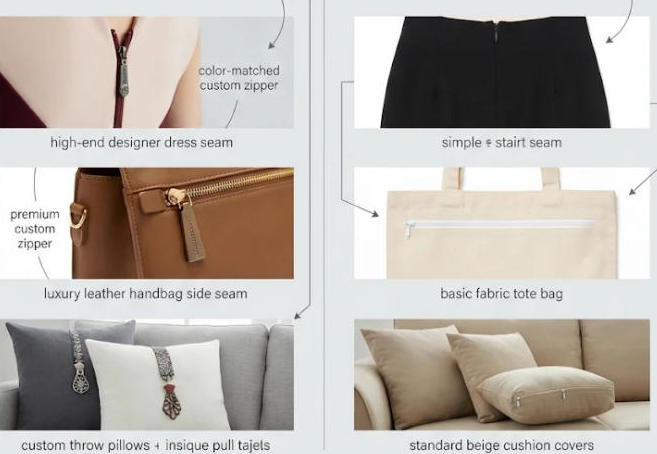
Custom and standard invisible zippers serve different manufacturing needs. Their suitability depends on product design, fabric characteristics, purchasing volume, and appearance requirements.
| Application | Recommended Type | Main Reason |
| Everyday dresses | Standard invisible zippers | Common sizes and colors are usually sufficient |
| Skirts | Standard invisible zippers | Suitable for conventional garment construction |
| Wedding gowns | Custom invisible zippers | Better color and design coordination |
| Evening dresses | Custom invisible zippers | Supports specialized fashion designs |
| Casual trousers | Standard invisible zippers | Economical for regular production |
| Designer clothing | Custom invisible zippers | Meets brand-specific specifications |
| Cushions and pillow covers | Standard or custom | Depends on fabric and length requirements |
| Uniforms | Standard or custom | Depends on production volume and design |
| Premium fashion collections | Custom invisible zippers | Supports distinctive product requirements |
| Mass-produced apparel | Standard invisible zippers | Convenient and cost-effective sourcing |
The choice of invisible zippers for different applications should be based on the actual requirements of the finished product rather than assuming that customized products are always the better choice.
Summary Comparison Table of Custom and Standard Invisible Zippers
| Comparison Factor | Custom Invisible Zippers | Standard Invisible Zippers |
| Product Specifications | Manufactured according to specific customer requirements | Produced according to fixed industry specifications |
| Size Options | Special sizes can be customized | Available in common standard sizes |
| Zipper Length | Flexible lengths based on garment designs | Predetermined lengths |
| Color Selection | Customized colors and fabric matching available | Limited to common colors |
| Tape Material | More flexible material selection | Conventional material options |
| Zipper Teeth | Specifications can be adjusted according to requirements | Standardized construction |
| Slider Design | Customized slider shapes and finishes may be available | Standard slider designs |
| Puller Style | Special puller designs may be requested | Conventional puller styles |
| Branding | Customized branding options may be available | Usually standard or unbranded |
| Packaging | Customized packaging and labeling | Standard packaging |
| Production Method | Made-to-order manufacturing | Standardized mass production |
| Minimum Order Quantity | May require a higher MOQ | Often lower for stocked products |
| Production Cost | May involve additional customization costs | Generally more economical |
| Lead Time | Usually longer due to sampling and customization | Usually shorter due to existing specifications |
| Quality Control | Inspected against customized specifications | Inspected against standard specifications |
| Design Flexibility | High flexibility for specialized products | Limited flexibility |
| Inventory Availability | Generally produced after order confirmation | Often available from existing inventory |
| Best Applications | Wedding gowns, designer clothing, premium fashion, specialized garments | Everyday dresses, skirts, trousers, and mass-produced apparel |
| Main Advantage | Meets specific product and brand requirements | Convenient, affordable, and readily available |
Comparison of Purchasing Considerations
| Purchasing Consideration | Custom Invisible Zippers | Standard Invisible Zippers |
| Initial Investment | Potentially higher | Generally lower |
| Sample Development | Often required | Usually unnecessary |
| Color Matching | Customized | Limited to available colors |
| Order Flexibility | Depends on customization and MOQ | Often more flexible for stocked items |
| Repeat Orders | Convenient after specifications are established | Easy to reorder standard products |
| Supply Planning | Requires advance planning | Easier for urgent requirements |
| Long-term Value | Suitable for specialized recurring orders | Suitable for conventional bulk purchases |
How to Choose Between Custom and Standard Invisible Zippers
Selecting the right invisible zipper requires evaluating the specific needs of your products and production operations.
1. Consider Your Product Design
If you use more basic fabrics and styles, standard invisible zippers are most likely the best option for your design. However, unique garments call for unique zipper designs and features.
2. Evaluate Your Production Volume
Companies with larger volumes should seriously consider custom invisible zippers to allow for consistent and standard design specifications for mass production. However, small companies should avoid this due to the added costs and lower volumes.
3. Check Color-matching Requirement
In instances where the zipper tape is intended to match the fabric of a garment, custom colors can help to maintain a more consistent look.
4. Compare Purchasing Costs
Take into account everything, including design costs, transportation costs, customization costs, sampling costs, etc.
5. Confirm Quality Requirements
Look closely at the smoothness of the zippers and slider, tooth alignment, and tape consistency of all the zippers.
6. Discuss Production Capabilities with Suppliers
The zipper manufacturer will provide consultation services about the best route to take to reach your requirements based on current available zippers or a new custom production run.
Summary
- Standard invisible zippers offer affordability, convenient availability, and reliable performance for conventional applications.
- Custom invisible zippers provide greater flexibility in size, length, color, materials, slider design, and packaging, making them suitable for specialized products and brand-specific requirements.
- If your business prioritizes convenience and cost efficiency, standard invisible zippers are a practical option.
- If your products require precise color matching, special dimensions, or distinctive design details, custom invisible zippers may be the better investment.
Why Working with a Reliable Invisible Zipper Manufacturer is Important
An experienced manufacturer ensures that your zipper needs and wants are always met with consistent, high-quality products.
Manufacturers will not only offer a standard selection of invisible zippers, but they will provide you with options based on your design and requirements.
Professional suppliers should also offer clear specifications on the product, advise on materials, offer color-matching, sample production, and quality control during production.
With custom orders, clarity is key. Buyers should check slider requirements, tape colors, dimensions, quantity of mass production, packaging requirements, and so on.
Working with a professional zipper manufacturer that offer flexible customization and have consistent production can help decrease the overall difficulty of your supply chain and provide more consistent finished products.
Final Thoughts
Invisible zippers come with unique benefits in clothing and textile production. Clothing producers and fashion businesses look to find the sweet spot between a variety of factors such as product specifications, production volume, budget, and delivery schedule.
Working with an experienced zipper manufacturer can simplify the purchasing process. A trustworthy zipper supplier will offer high-quality standard products, accommodate orders that require customization, ensure consistent quality control and provide excellent customer service throughout the ordering process.