
The Growing Popularity of Invisible Zippers
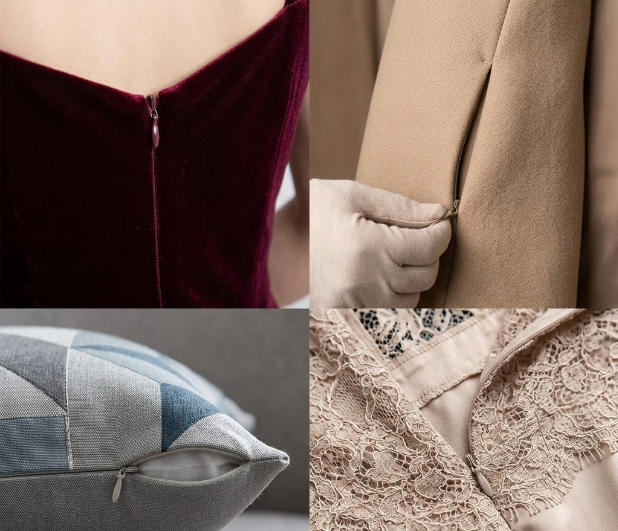
Invisible zippers have been gaining a lot of attention lately, mainly because they deliver a clean look, are kinda elegant, and feel seamless, even when you look twice. Unlike the traditional zipper that stays visible on the outside of a piece, invisible zippers are designed to merge into the fabric itself. This way, the surface looks smooth and continuous, while still working properly. You can see them everywhere now, from formal evening dresses and higher-end clothing to cushions, pouches, and small accessories. Designers and manufacturers across the world keep choosing them, and honestly, it shows.
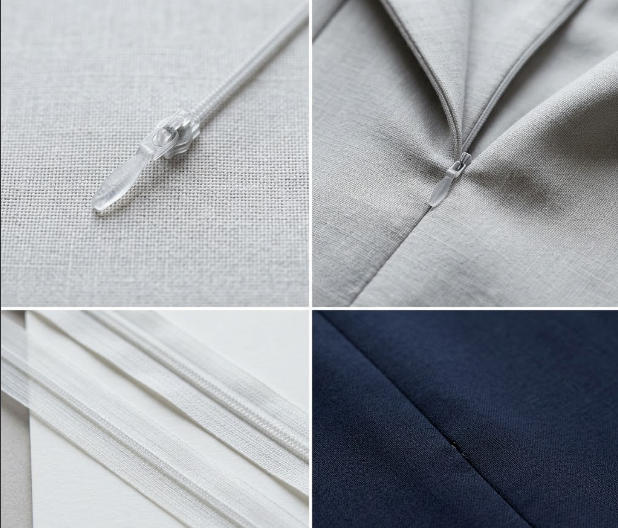
Table of Contents
Understanding the Basics of Invisible Zippers
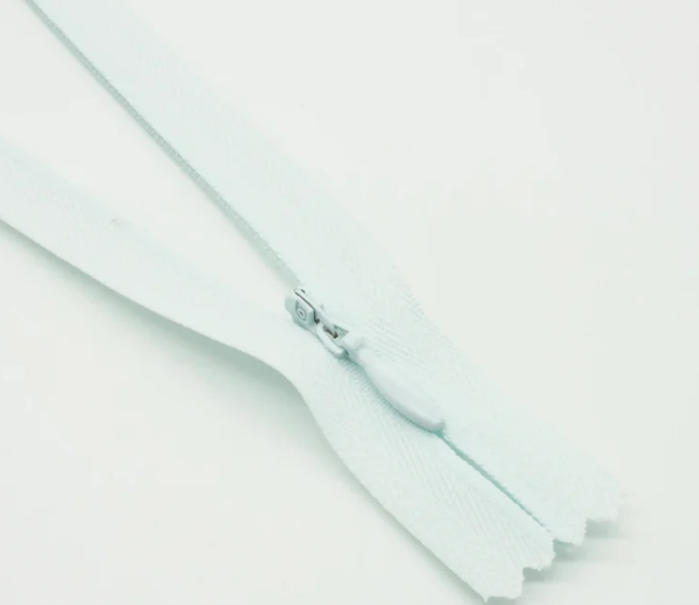
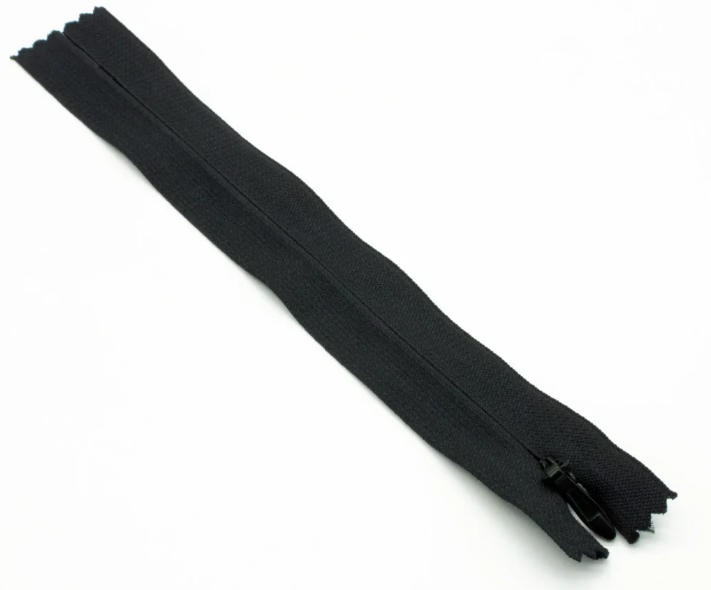
An invisible zipper is a zipper type that is made so that the teeth and the stitching remain out of sight once the zipper is closed. The coil sits on the reverse side of the tape, so the front area appears uninterrupted, like nothing is there. During sewing, a special zipper foot is usually used, so the zipper can be placed near to the fabric edge, with better steadiness and control.
Unlike conventional zippers where the teeth, or sliders, stay visible, invisible zippers are more about keeping the final look clean, neat, and a lot less interrupted. In practice they aim to preserve the aesthetic quality of whatever you are making, even when you really need a reliable closure. They bring together the fastening function, with a discreet presence so the garment or panel doesn’t feel broken up by hardware. This makes them especially useful for applications where the design matters just as much as the performance, and yes, the visual impact too.
Key Reasons Behind the Growing Popularity of Invisible Zippers
The growing demand for minimalist designs, premium-quality garments, and innovative textile solutions has accelerated the adoption of invisible zippers.
1. Enhanced Aesthetic Appeal and Seamless Appearance
A big reason invisible zippers are loved is because they can noticeably lift the appearance of a finished piece. With traditional zippers the hardware can end up becoming part of the design, sometimes even the main focal point. Invisible zippers instead help the fabric texture, the patterns, and the overall silhouette stay in charge, without the zipper becoming obvious in the process.
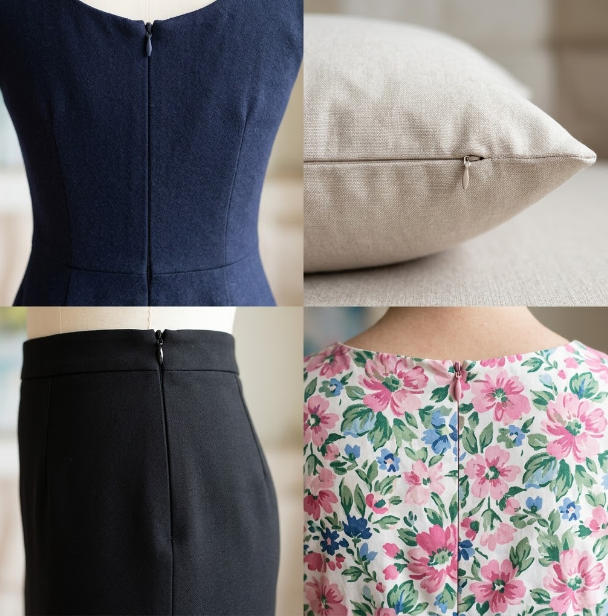
In fashion applications, especially for dresses, skirts, evening wear and formal clothing, designers often lean toward invisible zippers because they give that smooth, refined look. The hidden zipper structure helps a garment land a more professional finish, and that is especially useful when you’re aiming at premium and luxury markets.
2. Growing Demand for Minimalist Fashion Designs
Current fashion moves more toward simplicity, elegance, and clean silhouettes. People are paying more attention to clothes that have refined, deliberate details and an uncluttered overall design. Invisible zippers support this shift since they remove unnecessary visible pieces, so the fabric keeps its natural flow.
Minimalist fashion asks for each element to really contribute to the final composition. When the zipper stays discreet, invisible zippers let designers maintain visual equilibrium without sacrificing everyday performance.
3. Increased Use in Luxury and Custom Apparel
The growth of luxury fashion, along with tailored clothing that feels personal, has helped invisible zippers grow a lot. In practice, high-end designers and professional tailoring specialists often need fastening solutions that stay dependable while keeping the elegance of the finished piece, you know, intact.
Invisible zippers are commonly found in wedding dresses, evening gowns, designer clothing, and tailored garments that are made to order. This is largely because they give a polished appearance. Their ability to merge with many fabric types makes them good for creating sophisticated layouts, and they also support designs that feel thoughtfully assembled.
4. Improved Comfort and Lightweight Construction
Another reason invisible zippers are so popular is the lightweight yet comfortable structure. When compared with certain metal zippers or heavier plastic ones, invisible zippers usually rely on flexible coil teeth that add less volume, while also preserving the softness of the fabric.
This advantage is especially important for lightweight garments made from things like silk, satin, chiffon, and lace. When the zipper is invisible, it helps keep that natural drape and the easy movement of these fabrics, while still giving you a firm closure system that works.
5. Greater Design Flexibility for Manufacturers
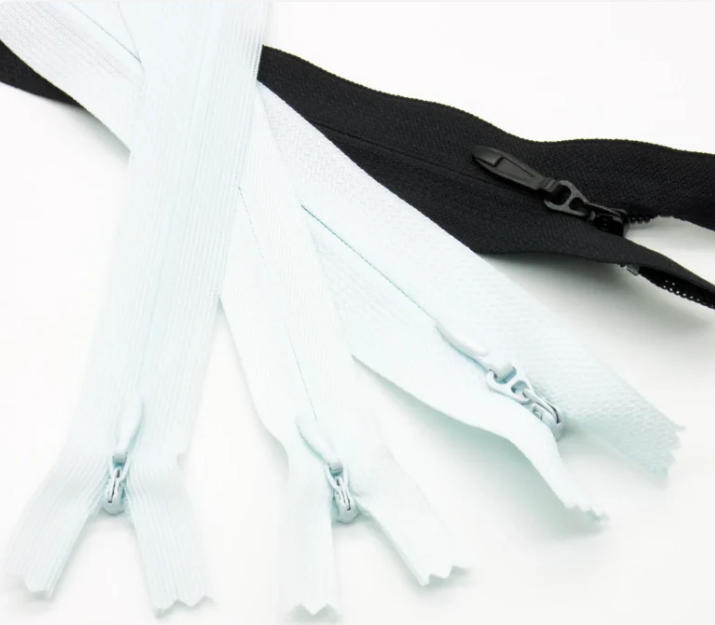
Invisible zippers give designers and manufacturers more creative reach. Since the fastener stays hidden, it does not interfere with where patterns sit, where colors land, or how decorative parts are arranged. Because the zipper remains out of sight, creators can concentrate on building standout looks without stressing about visible zipper pieces ruining the finished feel.
That flexibility has pushed invisible zippers into many different items, apparel included, accessories too, and even interior textiles. As a result, zipper manufacturers can put together products that feel practical in everyday use while still looking appealing.
6. Expansion into Home Textile Applications
Even if invisible zippers are strongly connected to clothing, their role has grown beyond the wardrobe and into home decoration and fabric goods. You will often see them in cushion covers, pillowcases, upholstery covers, and various removable textile pieces.
In home furnishings, invisible zippers give this nice clean look, while still making it easier to take things off for washing or swapping out later. That mix of practical convenience and visual order seems to be getting more attention lately from furniture makers and interior designers
7. Advances in Zipper Manufacturing Technology
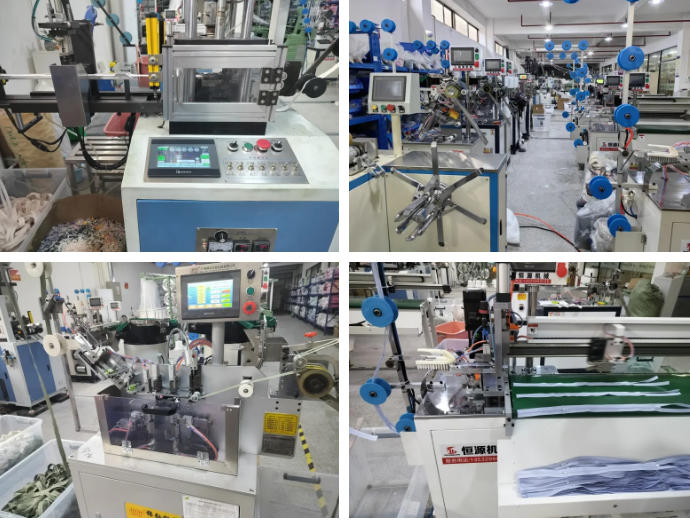
Technological improvements really have played a role in making invisible zippers more popular. In modern zipper manufacturing processes, strength is better, durability is higher, the operation is smoother and color matching capabilities are more consistent.
New materials and production techniques, have helped companies craft invisible zippers that stay reliable with repeated use. There have also been upgrades in slider design and coil quality, and even the sewing compatibility is more predictable, so installation feels easier and less finicky.
8. Rising Interest in Sustainable Textile Components
Sustainability matters a lot in the textile industry now, and it affects both manufacturers and consumers. Many zipper producers are working on more eco-minded invisible zipper options, made from recycled materials and produced with more sustainable methods.
And when fashion brands try to reduce their environmental footprint, sustainable invisible zippers give a practical way to keep the design looking high-quality while backing up eco-conscious production practices.
9. Consumer Preference for Premium Product Quality
Nowadays consumers seem to put more weight on how a product looks, how it is made, and how much detail is actually noticed. A clean, smooth look is usually linked with greater quality, and often with a more thoughtful design too. Invisible zippers, in a way, help makers reach those expectations because they make the final pieces look more unified. While people keep asking for items that are both well-designed and able to last, these zippers act as a practical answer, balancing visual appeal along with everyday performance.
Versatile Applications of Invisible Zippers
Although invisible zippers are widely associated with clothing, their applications extend beyond fashion. Their versatility has helped expand their market presence across multiple industries.
| Application Area | How Invisible Zippers Are Used | Benefits |
| Fashion Apparel | Used in dresses, skirts, blouses, trousers, and tailored clothing to create hidden closures | Provides a clean appearance, improves garment aesthetics, and maintains smooth fabric lines |
| Wedding & Formal Wear | Applied in wedding gowns, evening dresses, and luxury garments where appearance is critical | Enhances elegance, supports sophisticated designs, and keeps attention on the fabric and silhouette |
| Home Decoration | Used in pillow covers, cushions, curtains, and decorative textile products | Creates a seamless look, allows easy removal for cleaning, and improves product appearance |
| Handbags & Accessories | Integrated into wallets, handbags, purses, and small textile accessories | Offers discreet fastening while maintaining a stylish and refined design |
| Sportswear & Performance Clothing | Used in lightweight jackets, athletic apparel, and specialized clothing | Provides a low-profile closure, reduces bulk, and supports comfortable movement |
| Custom Textile Products | Applied in customized garments, interior textiles, and designer creations | Provides design flexibility and helps achieve unique, high-quality finishes |
| Upholstery Products | Used in furniture covers and removable fabric components | Enables easy maintenance while keeping a professional and attractive appearance |
| Lightweight Fabrics | Suitable for silk, satin, lace, chiffon, and other delicate materials | Prevents bulky details and preserves the natural drape of fabrics |
| Costume & Stage Clothing | Used in theater costumes, dancewear, and performance outfits | Allows quick changes while maintaining visual appeal during performances |
| Children’s Clothing | Applied in selected garments requiring comfortable and attractive closures | Provides a smooth finish and reduces visible hardware on clothing designs |
Challenges and Potential Solutions in the Growing Popularity of Invisible Zippers
The following sheet provides the challenges and solutions for the growing market of invisible zippers.
| Challenge | Description | Potential Solutions |
| Precise Installation Requirements | Invisible zippers must be installed with high accuracy because the zipper coil is designed to remain hidden. Improper sewing can cause uneven alignment, exposed zipper edges, or difficulty in opening and closing. | Provide specialized sewing tools, improved installation guides, and professional training to help manufacturers achieve better accuracy and consistency. |
| Higher Sewing Complexity | Compared with traditional zippers, invisible zippers require more careful handling and specialized sewing techniques, which can increase production difficulty and labor requirements. | Develop easier-to-install zipper structures, improve sewing machine compatibility, and introduce automation technologies to simplify production. |
| Limited Heavy-Duty Applications | Invisible zippers are mainly designed for lightweight and medium-duty products. Their structure may not withstand extremely high loads or harsh operating conditions required in industrial applications. | Improve zipper materials, strengthen coil designs, and develop reinforced invisible zipper models for more demanding uses. |
| Durability and Wear Resistance Concerns | The fine coil structure of invisible zippers may experience wear or damage when exposed to frequent pulling, rough handling, or excessive stress. | Use stronger synthetic materials, enhance zipper construction, and apply advanced manufacturing techniques to increase service life. |
| Higher Production Costs | Premium invisible zippers and the additional precision required during manufacturing may increase production expenses compared with standard zipper options. | Optimize production processes, increase manufacturing automation, and develop cost-efficient materials while maintaining quality. |
| Fabric Compatibility Limitations | Some thick, stiff, or heavy fabrics may not work effectively with invisible zippers because the zipper requires proper flexibility and alignment. | Create specialized invisible zipper designs for different fabric types, including heavy-duty and structured textiles. |
| Quality Control Requirements | Small manufacturing errors, such as incorrect stitching distance or poor alignment, can affect the appearance and performance of invisible zippers. | Use automated inspection systems, precision manufacturing equipment, and strict quality management processes. |
| Limited Consumer Awareness | Some consumers may not understand the advantages of invisible zippers or recognize their value compared with traditional fastening solutions. | Increase product education, promote design benefits, and highlight applications in fashion, home textiles, and accessories. |
| Sustainability Requirements | The textile industry is increasingly demanding environmentally friendly materials and production methods, creating challenges for traditional zipper manufacturing. | Develop recycled materials, eco-friendly coatings, and sustainable manufacturing processes to meet environmental standards. |
| Adapting to Changing Fashion Trends | Fashion preferences change quickly, requiring zipper designs that can support new styles, fabrics, and garment structures. | Invest in flexible designs, custom zipper options, and innovative zipper technologies to respond to market trends. |
Future Development Trends of Invisible Zippers
Looking ahead, the whole future of invisible zippers will probably be nudged by a few big influences, like smarter manufacturing, greener material choices, and designs that feel more tailored to each customer or space.
Manufacturers will likely try to move toward solutions that are slimmer but tougher, while also being more environmentally considerate. At the same time, progress in textile technology may bring zipper systems with better performance. Think added durability, improved water resistance, and compatibility with newer advanced fabrics that are used in modern upholstery
Since many consumers keep leaning toward minimalist aesthetics and higher-end quality goods, invisible zippers should keep seeing steady demand. They will show up across fashion, home textiles, and also more specialty uses where appearance and function both matter
Final Words
The growing popularity of invisible zippers reflects is tied to the way modern design, and manufacturing, keep shifting. When functionality is paired with a neat and refined surface, these zippers become a strong choice for products where looks really matter. From high end clothing to everyday textile goods, invisible zippers let designers and manufacturers create designs that feel seamless without giving up real usefulness.