Fabric Printing MOQ: Why 100–300 Yards Is the Industry Standard
Ask around for fabric printing quotes and you’ll keep hearing the same figure: somewhere between 100 and 300 yards per design. There’s a reason for that, and it has nothing to do with suppliers trying to upsell you. Running a print job means setting up the dye bath, calibrating the machine, and cleaning everything before the next order goes on, costs that stay roughly fixed no matter how much fabric comes off the line.
Below, we’ll get into where that number actually comes from, how it shifts depending on the printing method, and what to do if your order falls short of it.
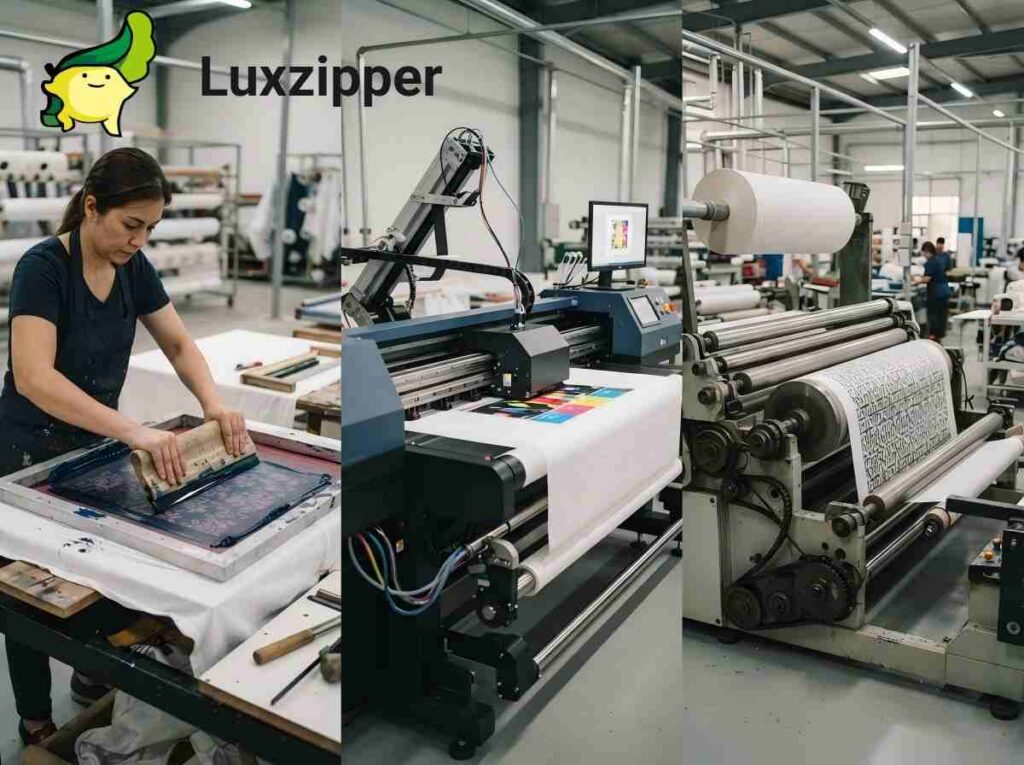
Table of Contents
What Is MOQ in Fabric Printing?
MOQ stands for minimum order quantity, which is simply the smallest amount of fabric a supplier will print for one design or colorway. Most industries treat this number loosely, but printing works differently, a run still needs the same setup steps whether you’re ordering 20 yards or 2,000, so suppliers draw a line where the order actually becomes worth running.
A common mistake buyers make is treating MOQ as one fixed number across the board, when in reality it moves quite a bit depending on which printing method you go with.
Why Is Fabric Printing MOQ Set at 100–300 Yards?
For reactive printing, the method typically used on cotton, linen, and other natural fibers, that 100 to 300 yard range comes down to three cost pressures that mills deal with on every run.
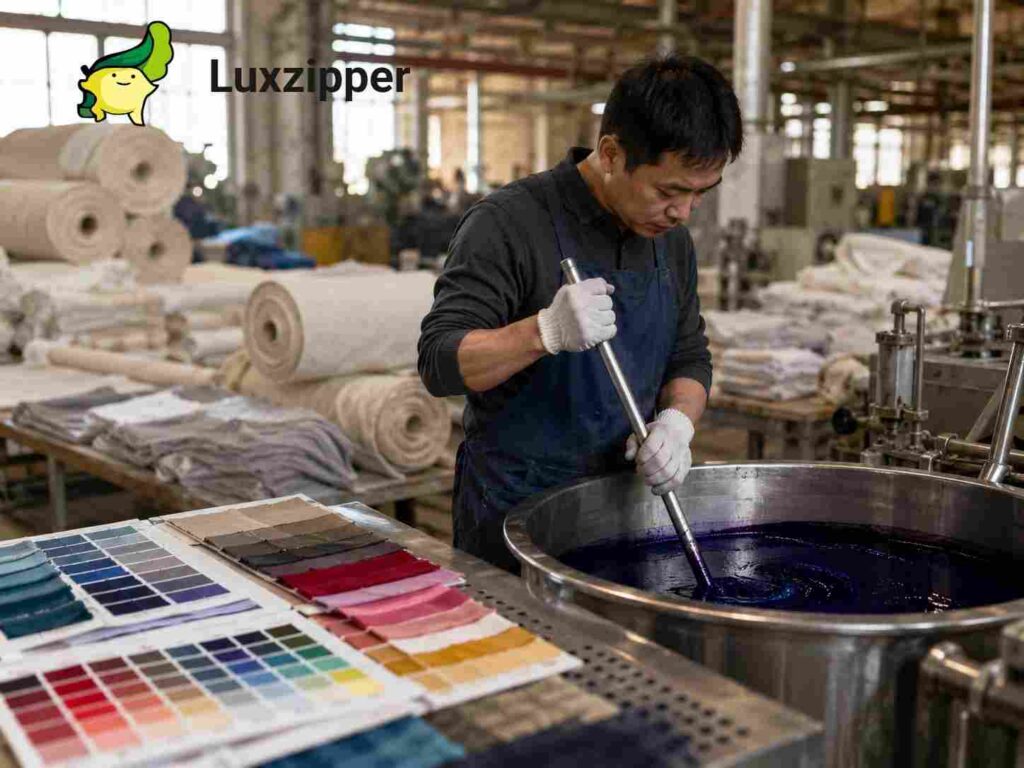
The dye batch itself is the biggest one. Reactive printing calls for mixing dye to your exact color spec, usually matched against a Pantone reference, and that batch has to be used within a limited window once it’s ready. Mills need enough yardage moving through the line to make that batch worth mixing in the first place — fall short, and the cost of the dye starts outweighing what the order brings in.
Then there’s the machine changeover. Every design requires recalibrating for fabric width, color sequence, and pattern alignment before a single yard gets printed. That setup eats into labor and machine time regardless of order size, so a 300-yard run spreads the cost far more comfortably than a 30-yard one does.
The third piece is color approval. Before bulk production starts, mills run test strips and adjust the formula until it matches your reference exactly. That step takes the same amount of work no matter how much fabric follows it, which is part of why a minimum gets built in to begin with.
This isn’t a number suppliers pulled out of thin air. Textile sourcing guides describe minimum order quantity as the point where a supplier’s setup costs meet the buyer’s demand, and that’s exactly what’s happening here — below that point, the mill is losing money just to run your job.
MOQ by Different Printing Method: Why It’s Not One-Size-Fits-All
Here’s where a lot of buyers get confused searching for “fabric printing MOQ” online, the answer depends heavily on which technique you’re asking about.
| Printing Method | Typical MOQ | What Drives It |
| Reactive Printing | 100–300 yards per design | Dye bath setup, natural fiber compatibility, color matching |
| Screen Printing | 300–500+ yards per color | Physical screen engraving, one screen per color used |
| Digital Printing | As low as 5–50 yards | No screens or dye batching required; ink is applied on demand |
Screen printing usually carries the highest minimums, and the reason is straightforward, every color in your design needs its own physical screen, and engraving screens isn’t cheap. A four-color design means covering four screens’ worth of setup before you’ve printed a single yard, which is why small runs rarely make sense with this method.
Digital printing works the opposite way. There’s no screen to engrave and no dye batch to mix ahead of time, the printer lays down ink directly, color by color, as the fabric runs through. So minimums can drop into the double digits, sometimes lower. You do pay for that flexibility though, since per-yard costs run higher without the efficiency that comes from dyeing in bulk.
Reactive printing lands somewhere between the two. It skips the screen-engraving overhead of screen printing, but the dye still has to be batched, which is exactly why most suppliers settle around 100 to 300 yards as their working minimum.
What Are Your Options If Your Order Is Below MOQ?
Falling short of the minimum doesn’t usually mean getting turned away, suppliers tend to have a workaround, even if it’s not the cheapest one.
The most common fix is a below-minimum surcharge. Some suppliers charge a flat fee, others add a percentage to your per-yard price, but either way it’s covering the same fixed costs the MOQ exists to protect, just spread across a smaller run.
You can also combine designs or colorways into one order rather than treating each as its own minimum. Say you’re testing three colorways of the same pattern — a supplier will often run that as a single combined order instead of requiring each colorway to hit MOQ on its own.
For early-stage brands or anyone just sampling, though, the easier move is often skipping reactive printing altogether at first. Digital printing lets you get a workable quantity in hand, see how the design performs, and switch to reactive printing later once the order size justifies the better economics.
How to Reduce or Meet Fabric Printing MOQ as a Buyer
A handful of adjustments can bring your MOQ down without touching the actual design.
Cutting your color count helps the most if you’re working with screen printing specifically. Fewer colors means fewer screens to engrave, and that lowers both cost and minimum order size in one move.
It’s also worth asking your supplier directly about consolidating SKUs or colorways into one production run. Plenty of suppliers will count a multi-color order as a single batch for MOQ purposes, even if you wouldn’t guess that from their standard pricing sheet.
If your design isn’t locked in yet, digital printing is the safer bet for prototyping you’re not committing to a large batch before knowing whether the design actually works. Once you’ve confirmed it, moving to reactive printing for the bulk run gets you better durability and a lower cost per yard at volume.
Choosing between reactive and digital printing for your next order really depends on your batch size, budget, and how close your design is to being finalized. Our custom fabric printing and embroidery walks through both processes side by side if you want a closer look, or you can send us your specs directly and we’ll help you figure out what fits.
FAQs
Is fabric printing MOQ negotiable?
Often, yes. Suppliers may waive or reduce the minimum for a surcharge, or adjust it if you’re combining several designs into one order. It’s always worth asking directly rather than assuming the number is fixed.
Does MOQ apply per design or per color?
This varies by supplier and method. In screen printing, MOQ is frequently calculated per color since each one needs its own screen. In reactive and digital printing, it’s more commonly applied per design or per dye batch.
Can I combine multiple colorways to meet the minimum?
In many cases, yes. If your total yardage across colorways adds up to the required minimum, suppliers will often run it as a single order rather than requiring each colorway to individually meet MOQ.