
How to Match Plastic Zipper Colors With Garment Designs
Plastic zippers do more than close fabric. They also show up in the look of a garment. The right zipper color can blend seamlessly into a garment, create a deliberate contrast, or become an important part of the overall visual identity. When apparel manufacturers and designers plan plastic zipper colors with care, understanding how to match plastic zipper colors with garment designs can improve appearance and create a more consistent collection.
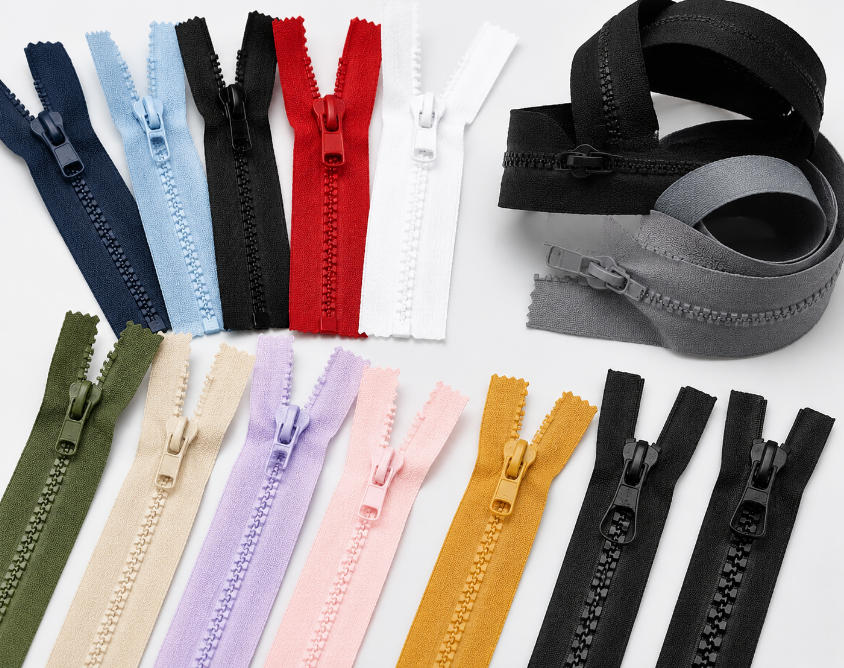
Table of Contents
Why Plastic Zipper Color is Critical in Garment Design
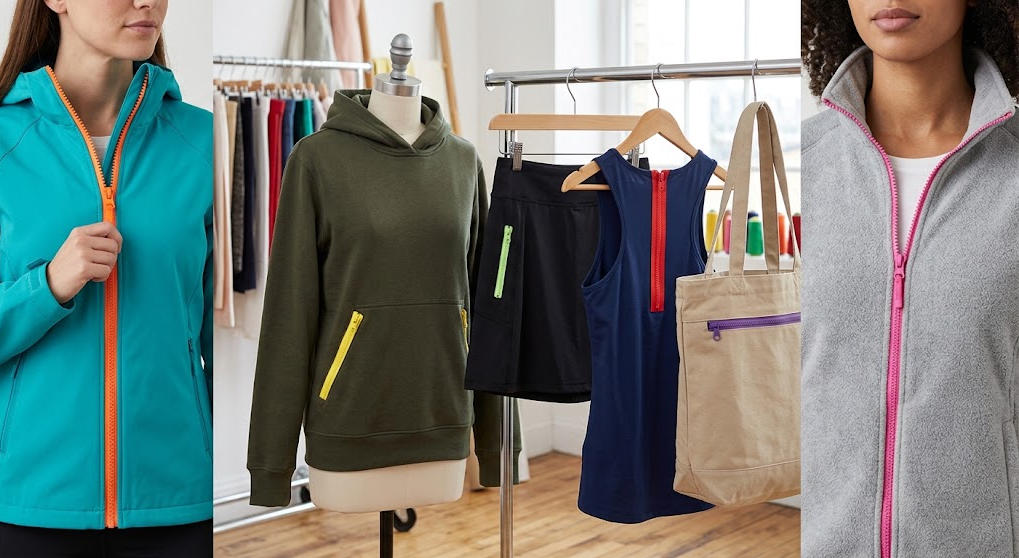
A zipper sits where people will notice it fast. Common spots include the front of a jacket, a pocket opening, a sleeve seam, or any cut edge on a garment. So the zipper color can either stay quiet or act like a design cue.
If the zipper matches the fabric, the result can feel neat and smooth. If it does not match, the zipper can bring extra visual interest. Brands can also connect zipper color to things like logos, stitching, tags, and other visible details. That link helps the product look like it belongs to the same set.
Key Approaches for Matching Plastic Zipper Colors with Garment Designs
1. Match the Zipper With the Main Garment Color
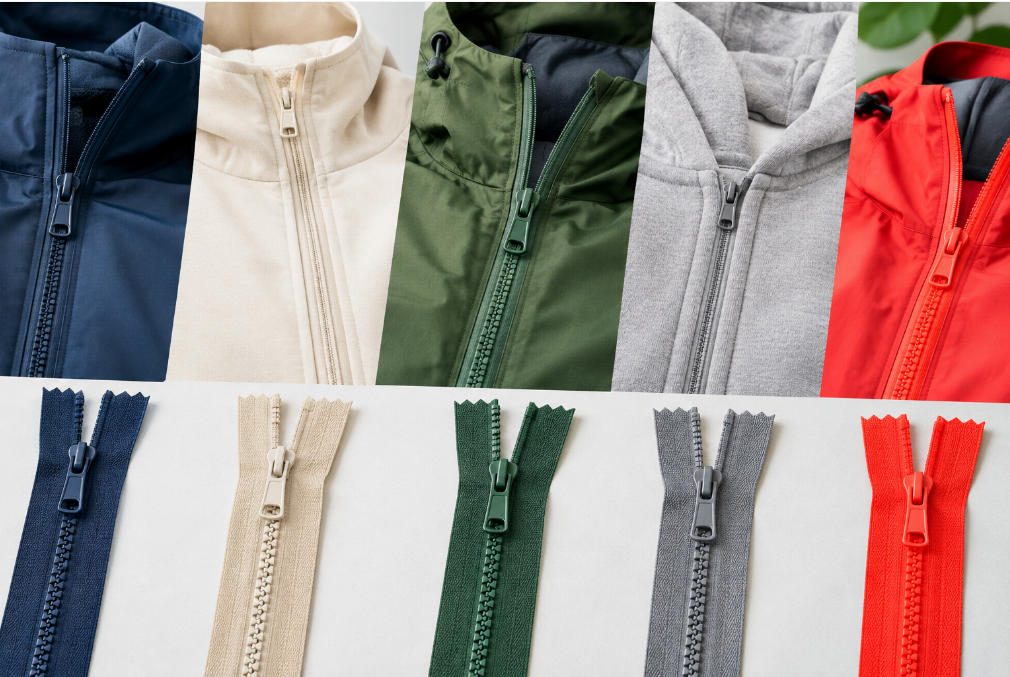
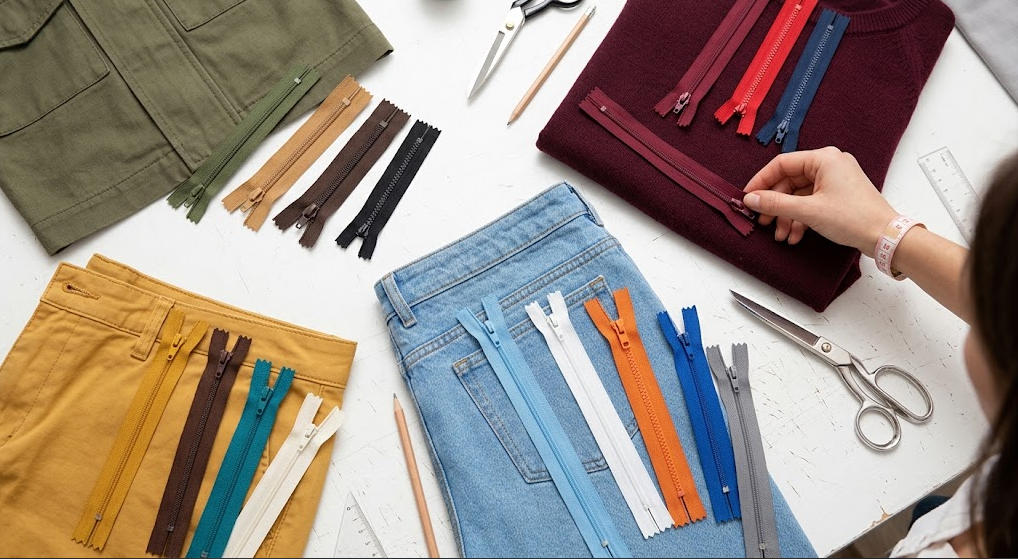
A straightforward option is to pick a plastic zipper that is close to the garment’s main color. A close match keeps things calm and less obvious, which works well when the zipper is meant to blend.
For instance, a black jacket can use a black plastic zipper. A navy sports piece can use a darker blue zipper. This route often fits workwear, uniform styles, minimal looks, and everyday basics.
Also, designers should not only think about the color name. They should look at the color level, brightness, and saturation. Two things that both seem “blue” can still look different once placed side by side.
2. Use Contrast to Create a Stronger Visual Effect
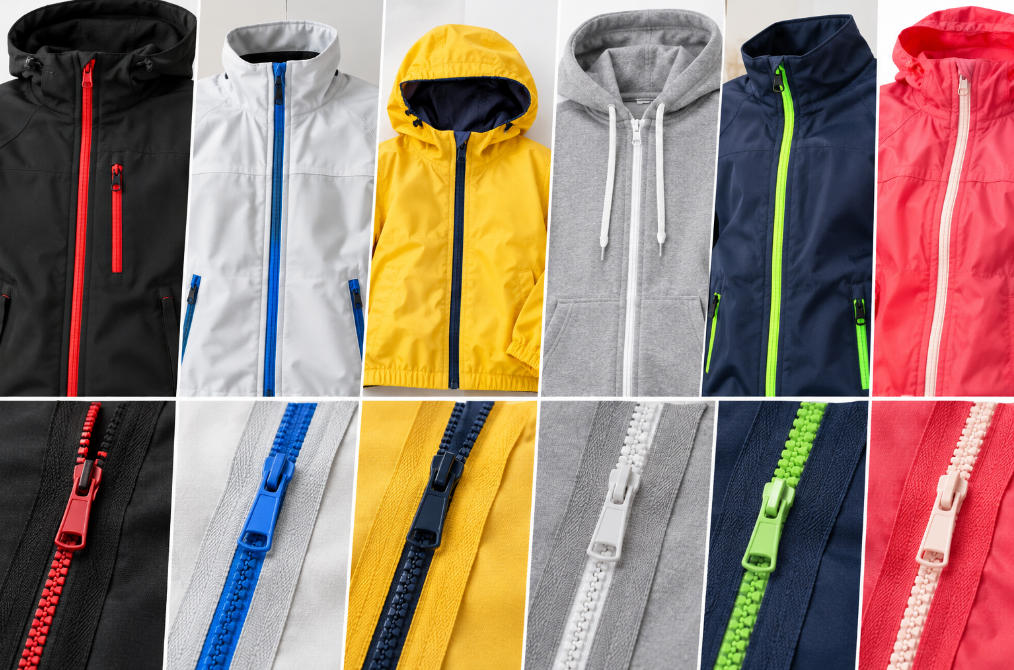
A contrasting zipper can make a garment feel more distinct. Instead of trying to hide it, you can treat the zipper like a small design feature.
A white zipper on a black garment can give a bold, modern effect. A bright zipper on a neutral outfit can feel sporty or more playful. Contrast works well for outdoor items, kids’ clothes, streetwear, and trend-driven collections.
That said, too much contrast can throw off the balance. The zipper color should usually echo another detail, like stitching, logo marks, drawcords, labels, or printed graphics.
3. Coordinate With Accent Colors
The zipper doesn’t have to follow the main fabric color. It can follow one of the accent colors already used in the design.
Say a jacket has a gray body with red details. Picking a red plastic zipper can tie the zipper to those other accents. It also helps the piece look connected instead of random.
This approach works best when the garment uses more than one color. It avoids adding an extra color that does not fit, while still reinforcing the same color set.
The zipper colors can look totally different based on the fabric type, how the item is made, and who it is for.
4. Consider the Garment’s Style and Purpose
Color selection should reflect the overall style and intended use of the garment.
| Garment Type | Suitable Plastic Zipper Colors | Recommended Design Effect |
| Sportswear | Black, white, red, blue, bright green | Dynamic, energetic, and sporty |
| Outdoor Jackets | Black, dark gray, navy, olive green | Technical, durable, and practical |
| Children’s Clothing | Yellow, pink, blue, orange, purple | Playful, bright, and attractive |
| Workwear | Black, dark blue, gray, brown | Professional and functional |
| Casual Wear | Black, white, beige, navy, gray | Simple, versatile, and coordinated |
| Fashion Apparel | Matching, complementary, or contrasting colors | Stylish and distinctive |
| Denim Garments | Blue, dark blue, black, antique colors | Classic and coordinated |
| Winter Jackets | Black, navy, gray, white, dark green | Clean, modern, and functional |
| Activewear | Bright blue, red, orange, yellow, black | Energetic and eye-catching |
| Uniforms | Colors matching the brand or garment | Consistent and professional |
| Bags & Accessories | Matching, metallic-look, or contrasting colors | Decorative and brand-oriented |
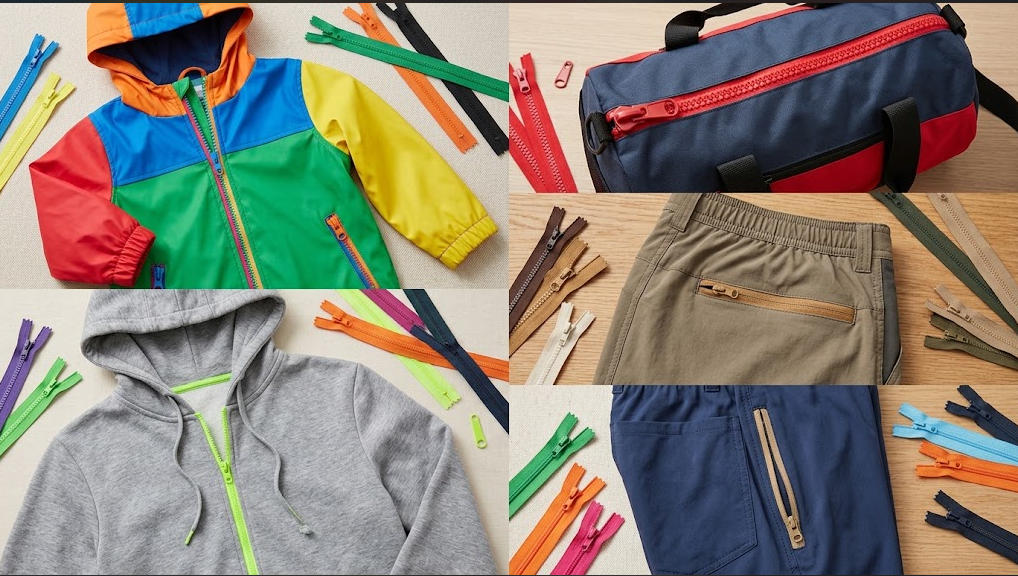
The same zipper color may create very different impressions depending on the garment’s material, construction, and target market.
4. Match the Zipper With Fabric Characteristics
The way a fabric feels and how it finishes can change the zipper’s look. If the fabric is matte, a muted zipper tone often feels right. If the fabric is shiny or more technical, a louder zipper color can look sharper.
Also check the zipper sliders. The tape color and the plastic teeth can read differently than the fabric surface. A small color gap may be fine if the zipper is meant to be a focal point. If you want a smooth, blended finish, closer matching is usually better.
5. Use Color Psychology Carefully
Color affects how people feel about a garment. Black and dark gray can read as clean and more formal. Blue can feel crisp and technical. Bright red, yellow, orange, and green can come across as lively and younger.
These meanings do not apply to every person, so the choice should fit the brand and the audience. The zipper should support the full design. It should not steer the design alone.
7. Consider Brand Colors
For items tied to a brand, zipper colors can be chosen to match the brand’s main colors. When you keep the same zipper tone across jackets, uniforms, bags, or other items, the look stays consistent.
For instance, if a brand is known for one blue color, a similar plastic zipper can help that identity feel stronger. If common zipper colors do not fit well, custom zipper colors can be used.
8. Test Colors Under Different Lighting
A zipper and fabric can shift under different lighting. Daylight, indoor lights, and camera lighting can all change how the colors look. That is why it helps to check color more than once in real conditions.
For production work, compare real zipper samples to the actual garment fabric. Do not rely on screen colors only. This can show differences in color, brightness, and surface feel before you make a full run.
9. Think About Color Consistency During Production
For zipper manufacturers, color matching is not just a style choice. It is also part of quality control. Plastic zipper parts should stay consistent from one production batch to the next.
If you need a specific color, share a physical sample or a clear color reference. An approved color spec can also guide the zipper manufacturer to repeat the right color.
You should also confirm what is available. Some colors can be standard zipper colors. Others need custom work. Custom colors often mean extra steps, more sampling, and longer timing.
How to Choose the Right Level of Contrast Between Plastic Zipper Colors and Garment Designs
Not every garment requires a highly contrasting zipper. The desired visual impact should depend on the overall design.
| Contrast Level | Zipper Color Selection | Suitable Garment Designs | Design Effect | Example |
| Low Contrast | Very similar to the fabric color | Minimalist clothing, uniforms, workwear | Clean, subtle, and seamless | Black garment + black zipper |
| Slight Contrast | Slightly lighter or darker than the fabric | Casual wear, outdoor jackets, denim | Adds depth while remaining understated | Navy garment + dark blue zipper |
| Medium Contrast | Clearly different but coordinated color | Sportswear, activewear, children’s clothing | Balanced and visually interesting | Gray garment + blue zipper |
| High Contrast | Strongly different or complementary color | Fashion apparel, streetwear, sportswear | Eye-catching and energetic | Black garment + red zipper |
| Very High Contrast | Bright or vivid color against a neutral/dark fabric | Promotional apparel, children’s garments, statement fashion | Bold, playful, and highly noticeable | Black garment + yellow zipper |
| Brand Contrast | Brand or signature color that differs from the fabric | Branded apparel, uniforms, promotional garments | Reinforces brand identity | White garment + signature blue zipper |
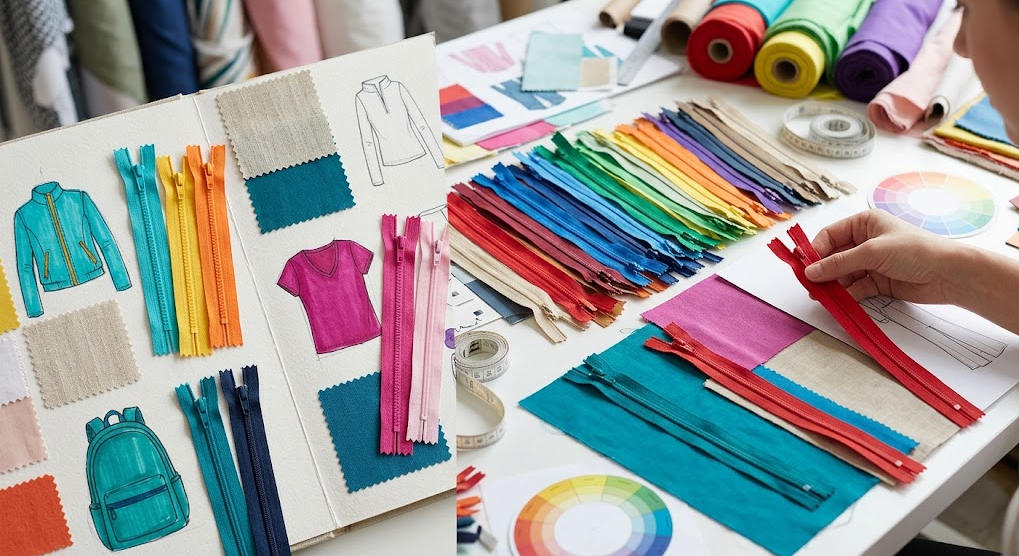
The higher the contrast, the more attention the zipper attracts. For a subtle appearance, choose a zipper close to the garment color; for a stronger design statement, use a complementary or vivid contrasting color.
The key is to ensure that the zipper color contributes to the overall design rather than competing with other important elements.
Final Thoughts
Matching plastic zipper colors with garment designs requires more than choosing a zipper that looks similar to the fabric. Designer should think about the main garment colors, the accent colors, how much contrast you want, and how the fabric looks and feels.
Also consider what the garment is for, the brand style you follow, and what production can handle. A zipper that fits the plan can either fade into the garment or add a clear highlight, based on your goal.
Test with real samples when you can. Set clear color specifications before making the full run. That approach helps apparel brands reduce mix-ups during manufacturing and keeps results more consistent.