
Open-end vs. Closed-end Zippers: Key Differences and How to Choose
Zippers are fastening parts found in clothes, suitcases, bags, footwear, and many other items. Even if many zippers look similar at first glance, they are built in different ways to handle different needs. Two of the most common types are open-end and closed-end zippers. They vary mainly in how their bottom ends are constructed and how they open.
If you are making clothing, designing a product, manufacturing products, or buying for a line, it helps to know the differences. The choice between open-end and close-end zippers depends on opening functionality, durability, material selection, installation requirements and costs.
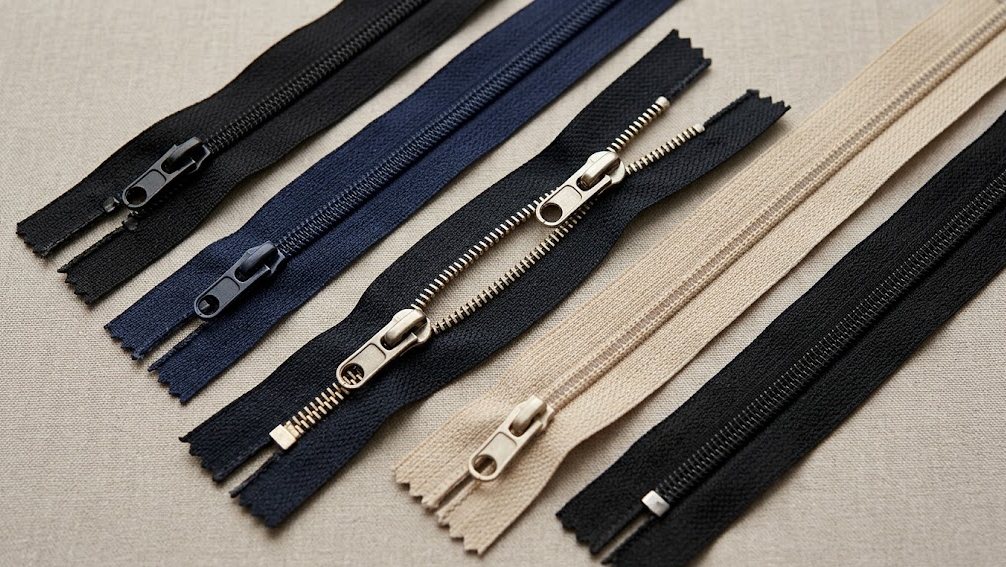
Table of Contents
Overview of Open-end Zippers
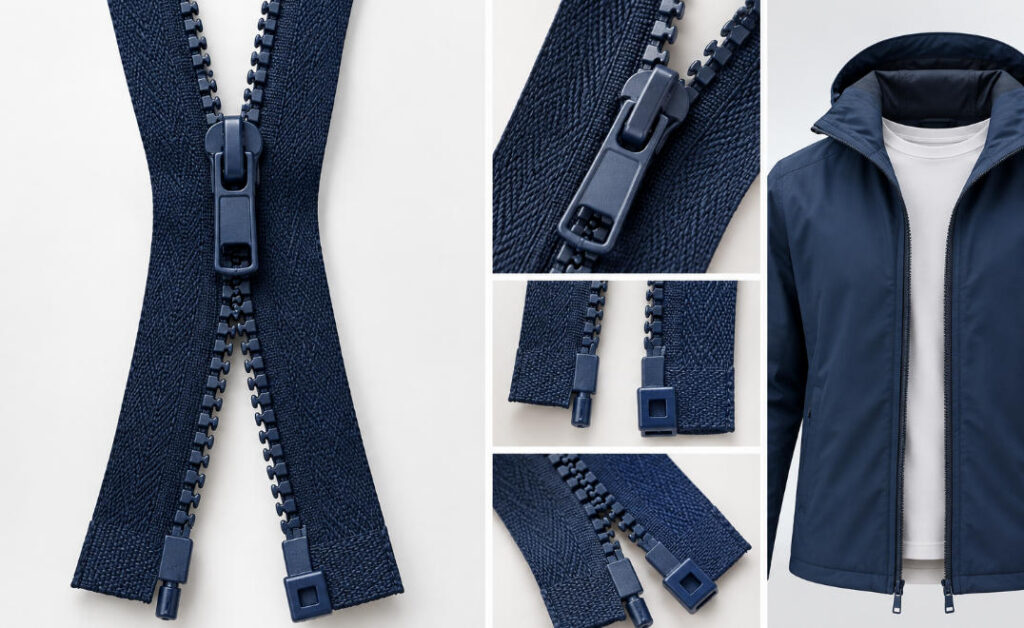
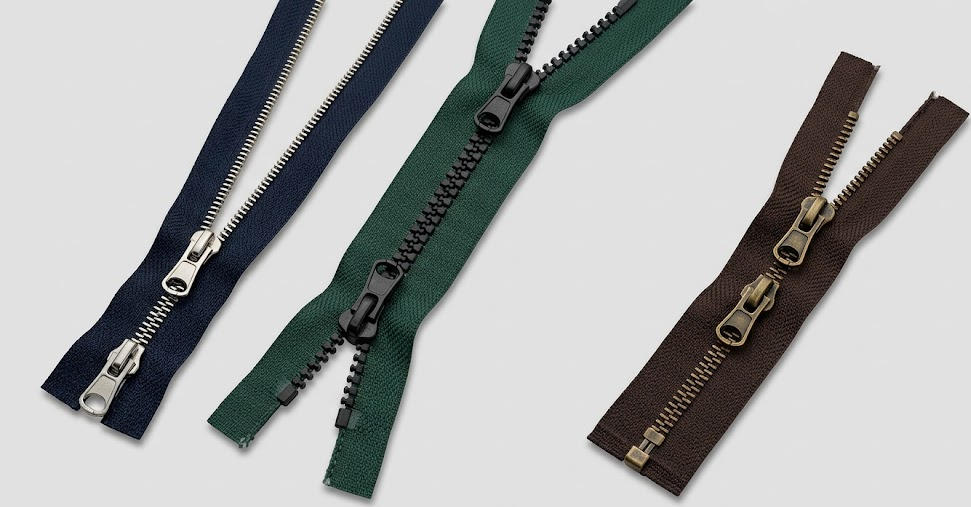
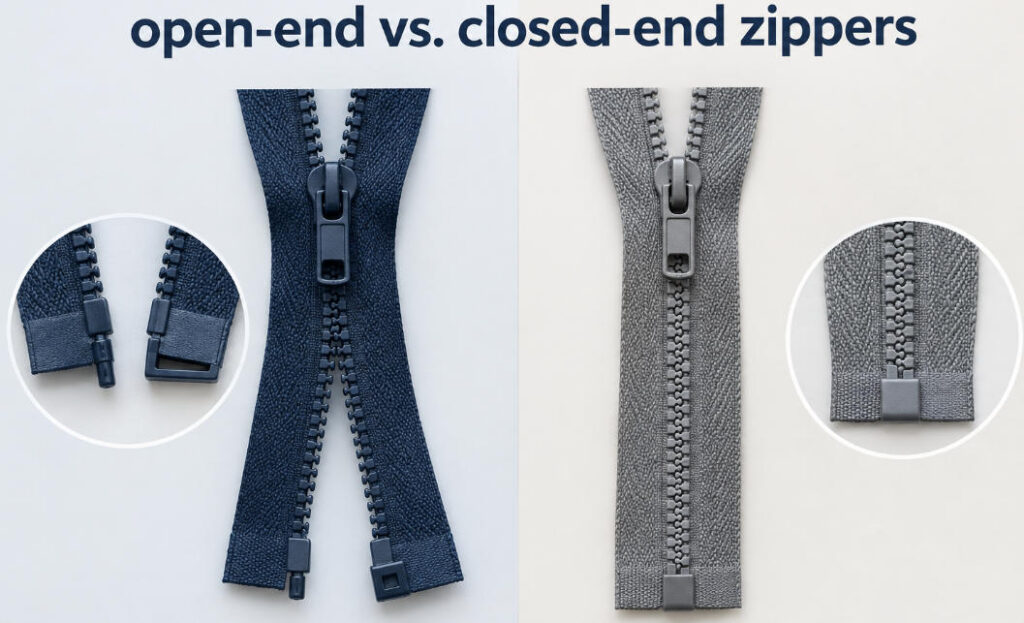
An open-end zipper is often called a separating zipper. When it is fully opened, it splits into two separate halves. One side has an insertion pin, and the other side has a retaining box. Before use, the two sides are meant to be put back together by hand. Then the slider can run as normal.
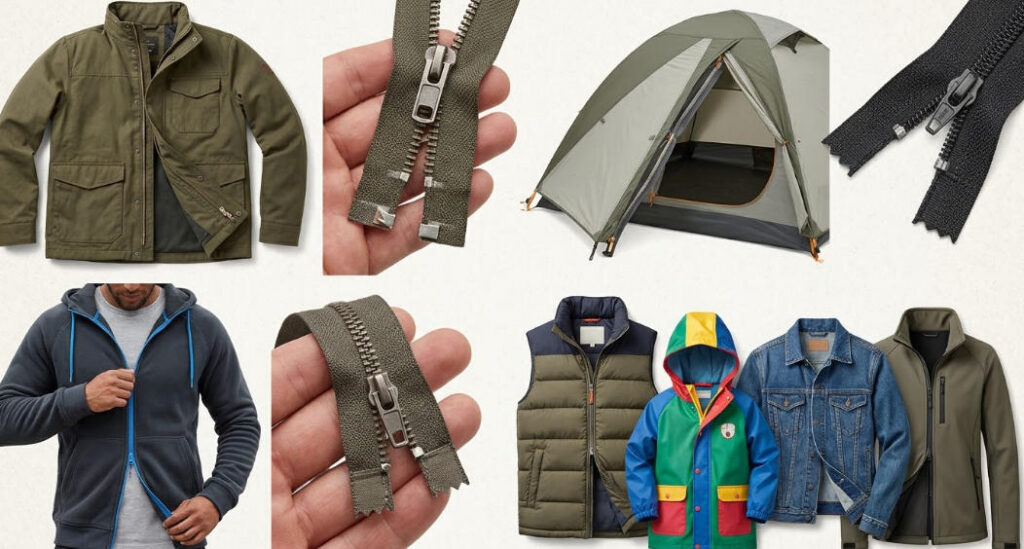
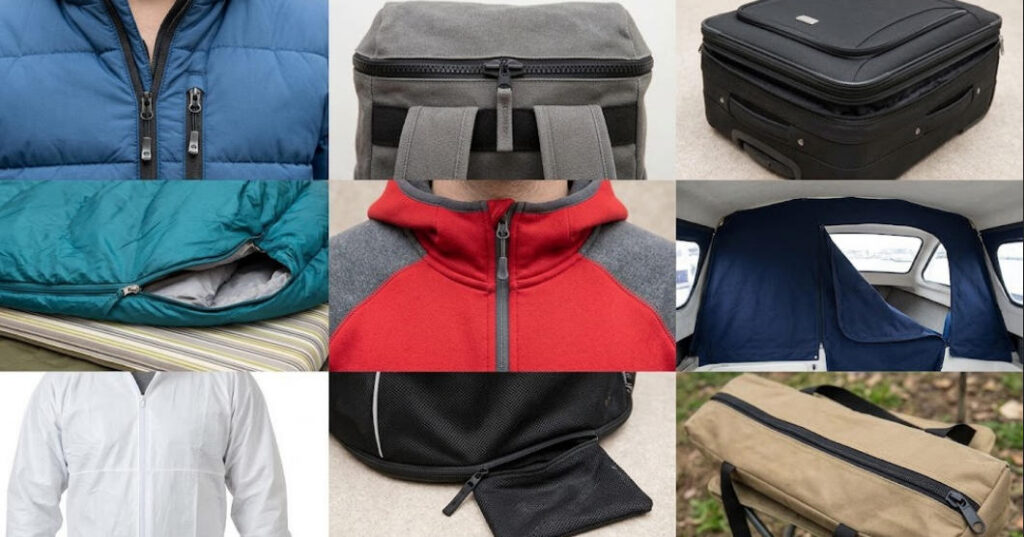
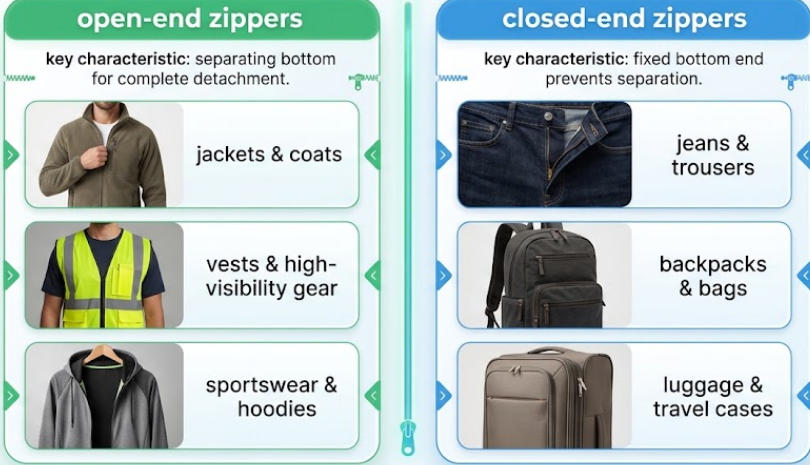
This type works well when the item must open fully. Jackets, coats, hoodies, and cardigans are common examples. With the zipper separated, the garment can open all the way. That makes it easier to put on or take off.
Open-end zippers come in several forms. You can find metal open-end zippers, molded plastic open-end zippers, and nylon coil open-end zippers. Brands can also choose details like zipper length, tape color, slider type, and the puller design.
There is a drawback to this setup. The parts must line up correctly, and the fit must be solid. If the pin does not snap fully into the retaining box, the zipper may not close well. That is why checks during quality control matter for steady use over time.
Overview of Closed-end Zippers
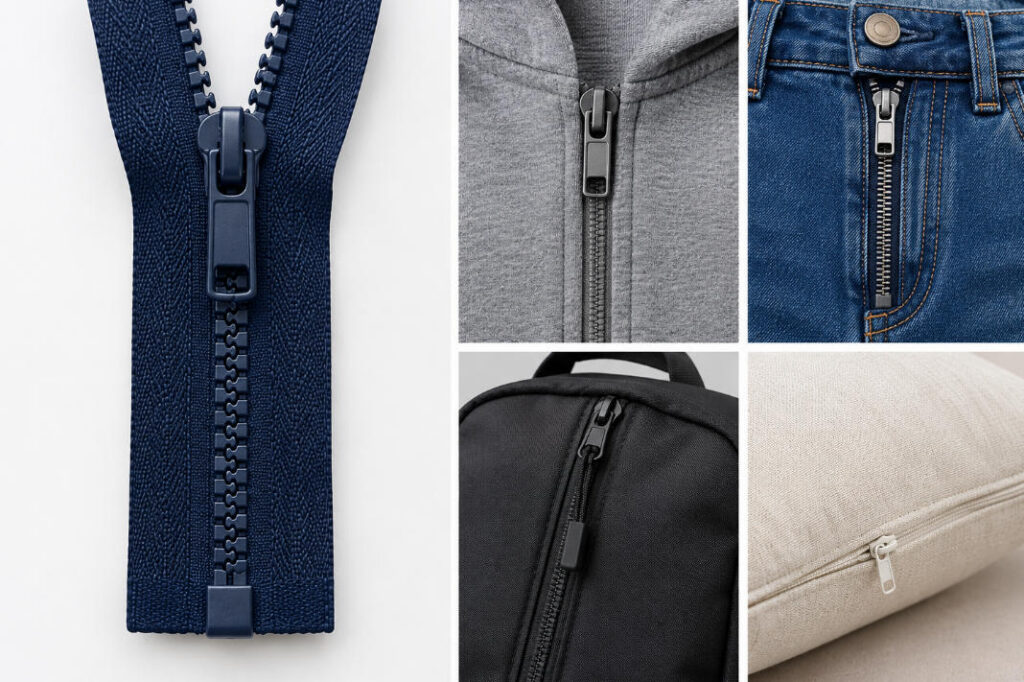
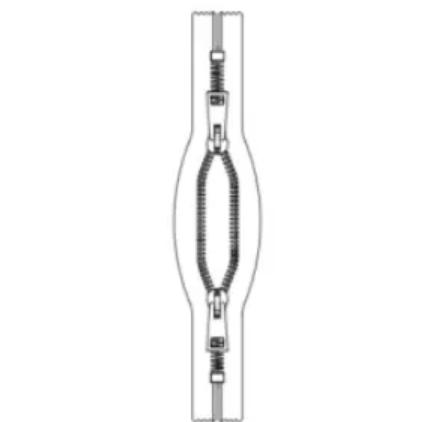
A closed-end zipper keeps the two sides joined at one end. When the slider moves up or down, the teeth connect or disconnect. Still, the bottom stays linked and does not separate.
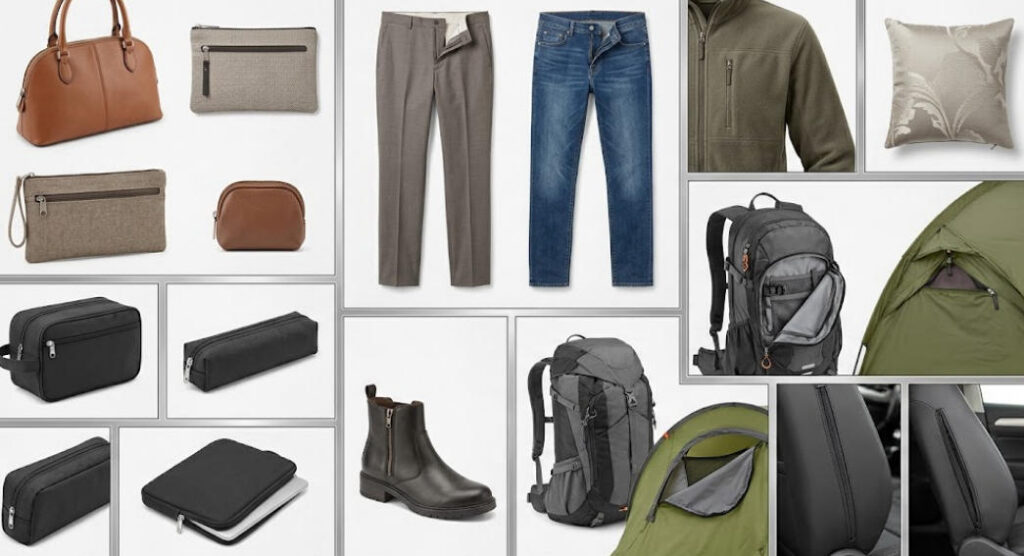
You often see closed-end zippers on trousers, skirts, dresses, handbags, backpacks, wallets, and small pouches. They fit products where you want opening control, but you do not want the two sides to pull apart completely.
In many designs, a closed-end zipper uses a bottom stop or another fixed-end approach. This helps block the slider from going past the intended opening.
Like open-end types, There’re 3 kinds of zippers, including nylon coil closed-end zippers, plastic closed-end zippers and metal close-end zippers. This makes them a common option for clothing makers and accessory brands.
Key Differences Between Open-end and Closed-end Zippers
The most important difference between these two zipper types is whether the bottom ends can be disconnected. This distinction affects their functionality, installation, and suitability for different products.
1. Opening and Closing Functionality
Open-End Zippers Allow Complete Separation
Open-end zippers are built to open from the top down and split into two parts. This is helpful for coats and outerwear since someone can take the garment off without pulling it over the head.
The pin has to sit in the retaining box the right way before the slider can catch the zipper teeth. After it is set, the slider closes the zipper normally. When it is opened all the way, the two sides can be taken apart.
So, open-end zippers fit well for full-length openings on clothing and for other items that need a complete split.
Closed-End Zippers Maintain a Fixed Connection
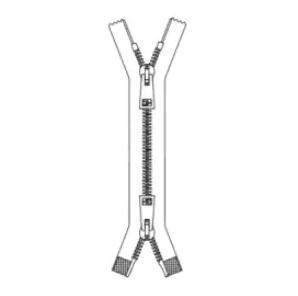
Closed-end zippers also let the slider separate the teeth. Still, the bottom ends stay linked, so the sides cannot be fully detached during normal use.
This setup works well for pockets, bags, and trousers. It also suits items where the zipper should stay in place at one end while still opening.
With a fixed end, closed-end zippers fit products that need access without full separation.
2. Common Applications
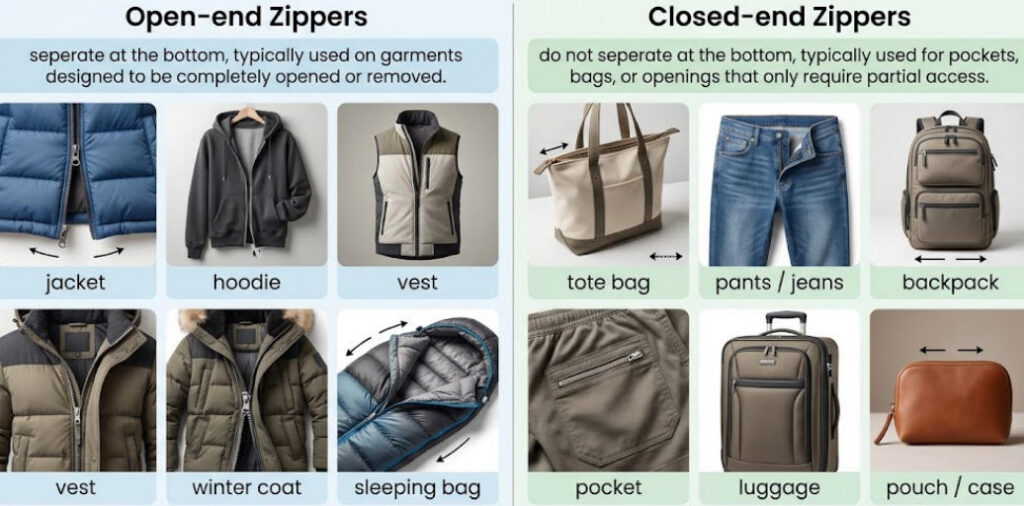
The structural differences between open-end and closed-end zippers determine where each type is most effective.
| Product Application | Recommended Type | Reason |
| Winter jackets | Open-end | Allows complete opening for convenient wearing |
| Hoodies and sweatshirts | Open-end | Supports easy removal and ventilation |
| Cardigans | Open-end | Provides a full-length front opening |
| Outdoor coats | Open-end | Makes layering and removal easier |
| Jeans and trousers | Closed-end | Maintains a fixed bottom connection |
| Skirts and dresses | Usually closed-end | Fits a fixed garment opening |
| Handbags | Usually closed-end | Provides controlled access to the main compartment |
| Backpacks | Usually closed-end | Keeps the zipper attached to the compartment opening |
| Wallets and pouches | Closed-end | Suits compact openings and enclosed storage |
| Cushion covers | Usually closed-end | Keeps the opening connected at one end |
These recommendations are general guidelines. Specialized product designs may require other zipper configurations depending on the desired opening, construction, and performance.
3. Materials and Construction
Open-end and closed-end zippers can use many materials. The best choice depends on what the product must handle, not only on the zipper type.
Metal Zippers
Metal zippers are often picked for jeans, jackets, leather items, and higher-end accessories. Metal teeth can create a strong look and can last well when the zipper is matched to the job.
For open-end types, the separating parts must be made to handle repeated opening and closing. For closed-end types, the bottom stop and the fabric near it should fit the real load.
Nylon Coil Zippers
Nylon coil zippers use linked coils that stay flexible. They are used often in sportswear, light jackets, and bags and other goods that need some give.
That flexibility helps with curved openings and lighter builds. When choosing, buyers should look at coil size, slider fit, and how well it resists wear from rubbing.
Molded Plastic Zippers
Molded plastic zippers have plastic teeth fixed to zipper tape. You can see them in outdoor clothing, casual wear, luggage, and cover gear.
Depending on the plastic used and the tooth shape, they may be light and resistant to rust. For tougher use, buyers should check how heat affects the plastic, how the teeth are shaped, and the expected mechanical force.
4. Installation and Maintenance
Open-end zippers often need careful alignment between the insertion pin and the retaining box. If either part sits wrong or gets damaged, the zipper can be hard to reconnect. It can also fail to lock in place.
In the installation stage, manufacturers should place the separating parts along the garment bottom edge. After that, they should run repeat tests. Each test should confirm a smooth join, smooth opening, and smooth closing.
Closed-end zippers depend on correct placement of the bottom end. They also need the zipper tape to be secured well. If setup is poor, tension may turn uneven. The teeth can end up bent or twisted. Extra stress may also build near the bottom stop.
For both types, routine cleaning helps. Users should avoid pulling too hard. Keeping the zipper channel clear of lint and debris can support longer service life. If the slider starts to feel stuck, check for trapped fabric. Also look for damaged teeth or misalignment rather than forcing it.
Summary Comparison Table of Open-end and Closed-end Zippers
| Comparison Factor | Open-End Zippers | Closed-End Zippers |
| Bottom Construction | Separates completely into two halves | Remains connected at one end |
| Opening Function | Allows full separation | Opens while keeping the bottom connected |
| Main Purpose | Convenient full opening and removal | Controlled access to an opening |
| Common Applications | Jackets, coats, hoodies, cardigans | Trousers, skirts, handbags, backpacks, wallets |
| Bottom Components | Insertion pin and retaining box | Bottom stop or fixed-end construction |
| Ease of Use | Makes garments easier to put on and take off | Provides convenient access without complete separation |
| Installation | Requires accurate alignment of separating components | Requires correct positioning of the fixed bottom end |
| Customization | Length, tape color, slider, puller, separating components | Length, tape color, slider, puller, end-stop design |
| Durability Considerations | Strength of teeth and reliability of separating components | Strength of teeth and security of the fixed end |
| Maintenance | Keep the insertion pin and retaining box clean and aligned | Keep teeth, slider, and bottom stop clean and functional |
| Key Advantage | Full opening and easy removal | Secure, practical fastening for fixed openings |
| Main Limitation | Requires correct reconnection before closing | Cannot fully separate into two independent halves |
| Best Selection Criteria | Products requiring complete separation | Products requiring a permanently connected bottom end |
How to Choose Between Open-end and Closed-end Zippers
Consider the Product’s Function
Decide how the item should open and close. When the two sides must fully separate, an open-end zipper is often the best fit. If the bottom needs to stay attached, a closed-end zipper is usually the better choice.
Evaluate Durability Requirements
Think about how often the zipper will be used and what kind of stress it will face. For heavier items such as jackets, luggage, or workwear, focus on tooth strength and tape quality. Also review slider feel and the way the end components are held.
With open-end zippers, alignment matters a lot for the insertion pin and retaining box. Those parts must meet in the right way for reliable reconnection. For closed-end zippers, the bottom stop and the fabric area around it must handle the forces that come up in normal use.
Select the Right Material
Material choice should match how the product will be used.
Metal zippers give a clear look. They also can fasten strongly when the choice is correct. Nylon coil zippers move well and work for curved openings and lighter items. Molded plastic zippers keep weight down. They can also resist moisture and corrosion, based on the specific material and design.
Determine the Correct Length
Check the opening size before ordering. The needed length should match the product pattern and seam allowance. It should also reflect where the zipper’s functional parts will sit.
For open-end zippers, make sure the split mechanism matches the garment build. For closed-end zippers, confirm the fixed bottom end will land in the right position inside the finished product.
Work With a Reliable Zipper Manufacturer
For clothing brands and product makers, a skilled zipper manufacturer can improve consistency. Buyers should review material specs, tooth contact, and how smoothly the slider moves. They should also confirm color match, production timing, and the steps used for quality checks.
Custom zipper requirements can cover length, tape color, tooth finish, slider style, puller design, and packaging. Test samples for the exact product use case before you start mass production. This matters a lot when the zipper affects safety, how well the item works, or how convenient it feels for customers.
Common Mistakes When Comparing Open-End and Closed-End Zippers
| Common Mistake | Description | Potential Problems | How to Avoid It |
| Confusing Zipper Types | Treating open-end and closed-end zippers as interchangeable | Incorrect product functionality and installation difficulties | Confirm whether the zipper needs to separate completely or remain connected at one end |
| Choosing Based on Price Alone | Selecting the cheapest option without evaluating performance | Premature wear, zipper failure, and higher replacement costs | Compare quality, durability, specifications, and total cost |
| Ignoring Product Application | Choosing a zipper without considering the intended product | Poor usability and unsuitable opening functionality | Match open-end zippers to products requiring full separation and closed-end zippers to fixed openings |
| Selecting the Wrong Length | Using a zipper that does not fit the product’s opening | Difficult installation and an unattractive finish | Measure the opening and account for end components and seam allowances |
| Overlooking Material Quality | Ignoring the differences between metal, nylon coil, and molded plastic zippers | Reduced durability or unsuitable performance in the intended environment | Choose materials according to product weight, usage frequency, and environmental conditions |
| Neglecting Bottom Components | Failing to check the insertion pin, retaining box, or bottom stop | Poor alignment, separation problems, or end failure | Inspect the components and verify that they match the required zipper construction |
| Ignoring Slider Compatibility | Pairing an incompatible slider with the zipper teeth | Sticking, poor engagement, or tooth damage | Confirm compatibility among the slider, tooth size, and zipper chain |
| Overlooking Installation Requirements | Installing the zipper without proper alignment or secure stitching | Uneven operation, fabric distortion, and premature failure | Follow installation specifications and test the zipper after sewing |
| Skipping Quality Testing | Approving samples without repeated opening and closing tests | Defects may appear during production or customer use | Test smoothness, tooth engagement, end security, and repeated operation |
| Neglecting Maintenance | Allowing dirt, trapped fabric, or debris to accumulate | Increased friction and difficulty operating the zipper | Clean the zipper regularly and avoid forcing a stuck slider |
| Ignoring Customization Needs | Selecting standard colors, pullers, or finishes without checking design requirements | Inconsistent branding and poor visual coordination | Confirm tape colors, tooth finishes, slider styles, and puller designs before ordering |
| Failing to Verify Supplier Reliability | Purchasing without reviewing quality control and production consistency | Uneven quality between batches and delivery issues | Evaluate supplier experience, sample quality, specifications, and inspection procedures |
Final Thoughts
Open-end and closed-end zippers have clear differences in bottom-end construction and how the opening behaves. With open-end zippers, the two sides can separate all the way. That is why they fit jackets, coats and hoodies. Closed-end zippers keep the bottom connected. So they are a better match for trousers, handbags, backpacks, and pockets.
For the final choice, manufacturers and buyers should weigh what the product needs. Think about function, material, zipper length, installation requirements, expected wear, and customization options. When the zipper structure matches the use case, and you run the right zipper quality testing, zipper products tend to work better and last longer.