
Metal vs. Plastic vs. Nylon Zippers: How to Make a Choice
Zippers are widely used for their durability, look, and how well things function in clothing, bags, outdoor gear, and a bunch of industrial products. There are three types you see all the time: metal, plastic, and nylon zippers, and each one brings a different set of benefits depending on what you’re putting it on.
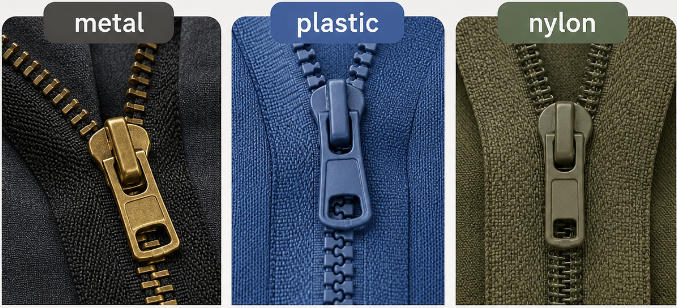
Table of Contents
Understanding Metal Zippers
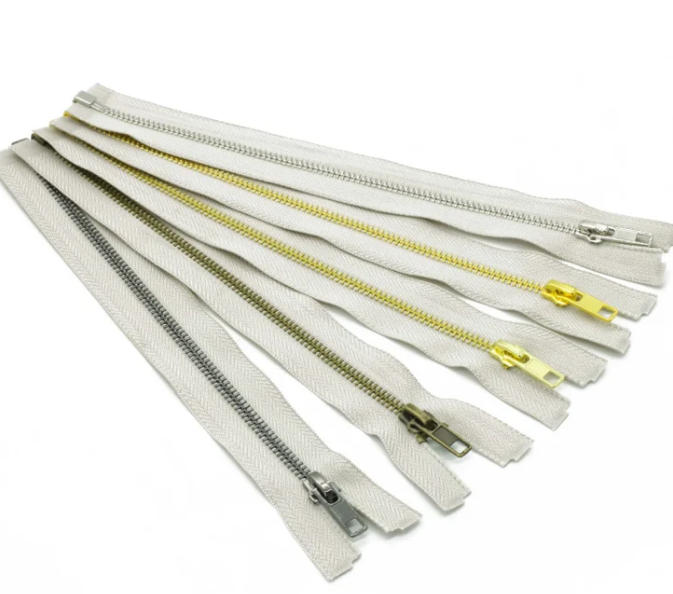
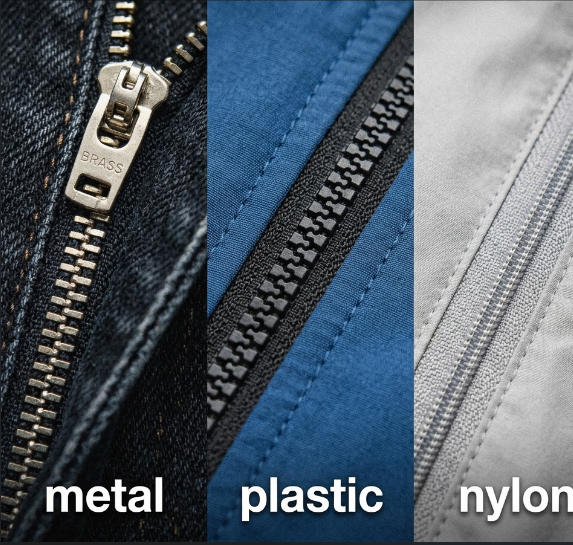
Metal zippers, in particular, are a traditional option and they’re known for staying tough. You can spot them in apparel, luggage, footwear, and also in industrial products. They’re built using metal parts, usually brass, aluminum, nickel, or zinc alloys. Then individual teeth get shaped with care and attached to a fabric tape. When the slider moves, those teeth meet and lock together tightly, giving you a closure that feels secure. Because they’re strong and they have that noticeable appearance, metal zippers are often chosen for heavy-duty needs and for premium fashion uses, too.
How they work
A metal zipper works because the teeth are set up to mechanically interlock. Each tooth is mounted on the tape with a steady spacing, so when the slider glides along the chain it has a choice, it forces the teeth to mesh (closing) or to come apart (opening). The stiff nature of metal teeth gives that reliable lock, which cuts down on accidental separation when there is stress. Because of that, metal zippers fit well in situations where secure fastening is not negotiable.
Advantages
- High Strength and Durability: Metal teeth resist repeated use and high tension, without quickly deforming. That is why they are common on rugged items like jeans, leather jackets, and workwear.
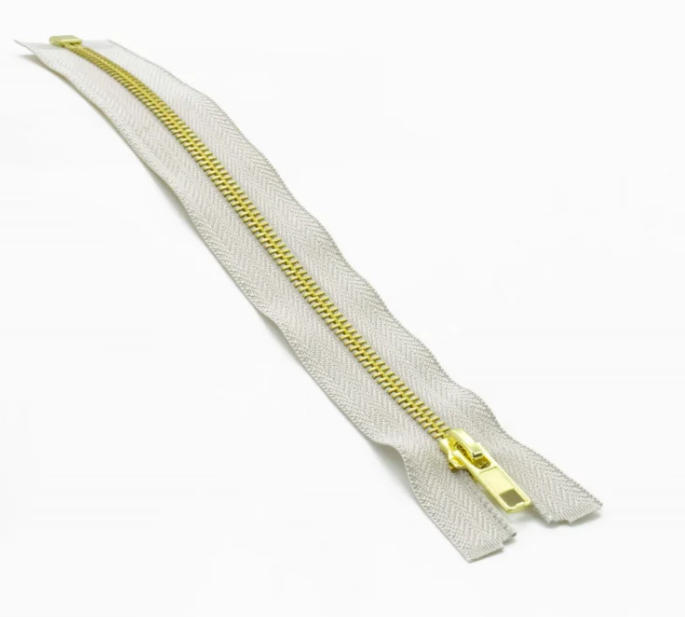
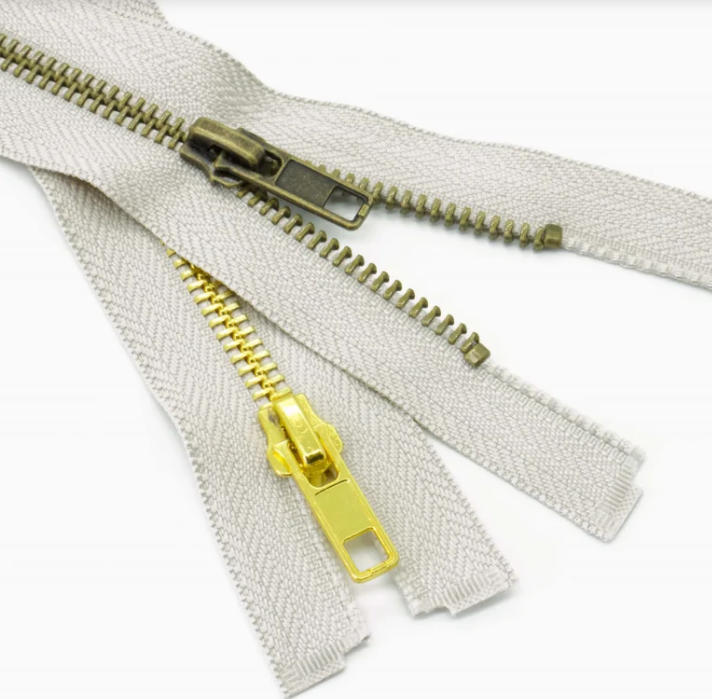
- Premium Aesthetic Appeal: Metal zippers bring a classic , industrial, or more luxurious look. Finishes like brass, antique bronze, or nickel are often chosen in fashion design to boost the overall appearance.
- Heat Resistance: Metal materials can handle higher temperatures without melting or warping too much, so they tend to be more suitable than plastic-based zippers when things get demanding.
- Strong Holding Power: Because the teeth are rigid in structure, the closure feels more secure, it resists bursting or coming apart when pressure increases.
- Long Service Life: With the right maintenance, metal zippers stay usable for many years, even with constant, everyday handling.
Limitations
- Heavier Weight: Metal parts add a noticeable amount of weight, which can be a downside for lightweight garments or travel items.
- Corrosion Risk: If there is no protective coating, a metal zipper may rust or tarnish, especially around humid, salty, or seaside conditions.
- Reduced Flexibility: Metal zippers are fairly rigid, so they do not work as well on curved seams or with softer, flexible textiles.
- Higher Cost: Compared with plastic and nylon options, metal zippers usually cost more to produce and to buy.
- Potential for Jamming: If teeth end up misaligned, or damaged in a real-world way, metal zippers can jam, and then the repairs are often harder than what you would see with coil zippers. Sometimes the action stops mid pull, and it gets frustrating, faster than expected.
Understanding Plastic Zippers
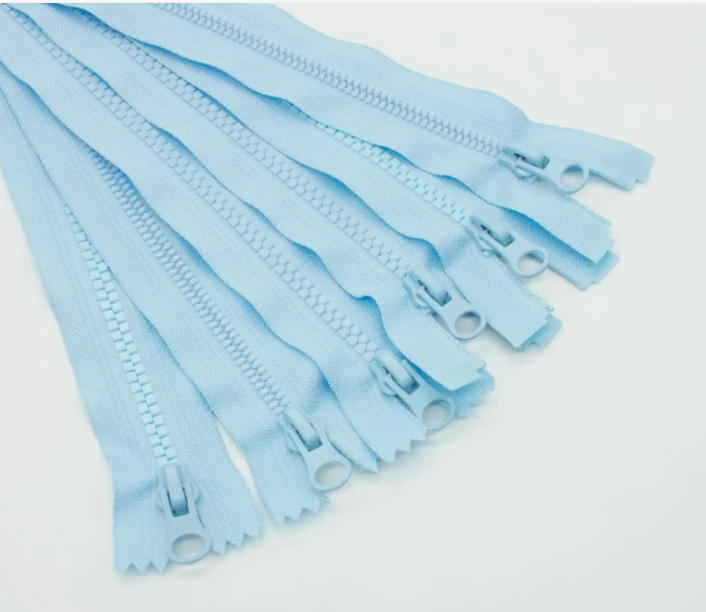
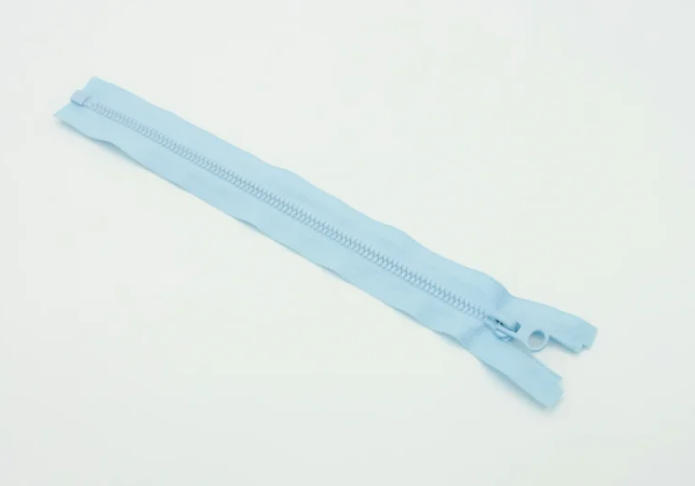
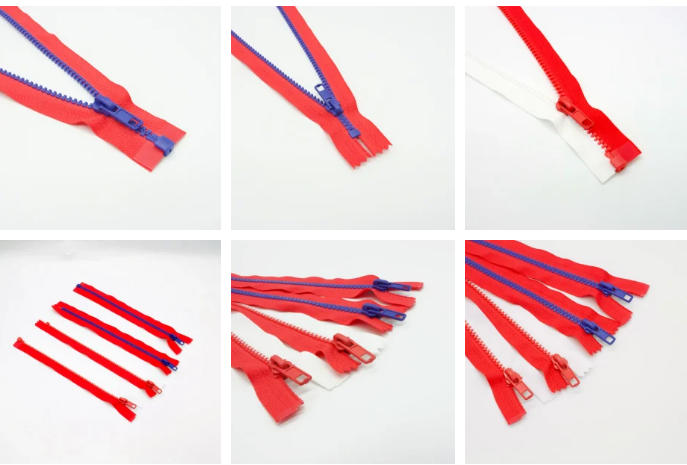
Plastic zippers are used a lot in clothing, bags, outdoor gear, and different consumer products because they stay light, they resist corrosion, and they cost less. Instead of metal teeth, they rely on molded plastic elements, usually from polyacetal (POM) or comparable engineered polymers, then they get fixed onto a polyester tape. These zippers are built to run smoothly, to support high volume manufacturing efficiency and flexibility in color and style, so they end up being one of the most common zipper types you see in everyday items.
How They Work
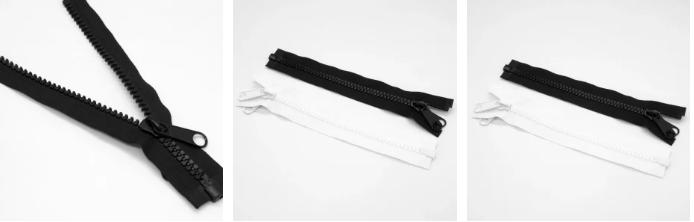
Plastic zippers function through interlocking molded teeth. Each tooth is shaped during injection molding, ensuring uniform size and spacing. When the slider moves, it aligns and meshes the teeth to close the zipper or separates them to open it. Because the teeth are molded rather than cut or stamped, plastic zippers can be produced in large quantities with high consistency and minimal variation.
Advantages
- Lightweight Construction: Plastic materials significantly reduce overall weight, making these zippers ideal for garments, backpacks, and travel gear where weight reduction matters.
- Corrosion and Rust Resistance: plastic zippers do not rust or oxidize. This makes them especially useful in humid, wet, or coastal environments.
- Cost-Effective Production: Plastic zippers are generally cheaper to manufacture, especially in large volumes. This makes them popular in mass-market clothing and accessories.
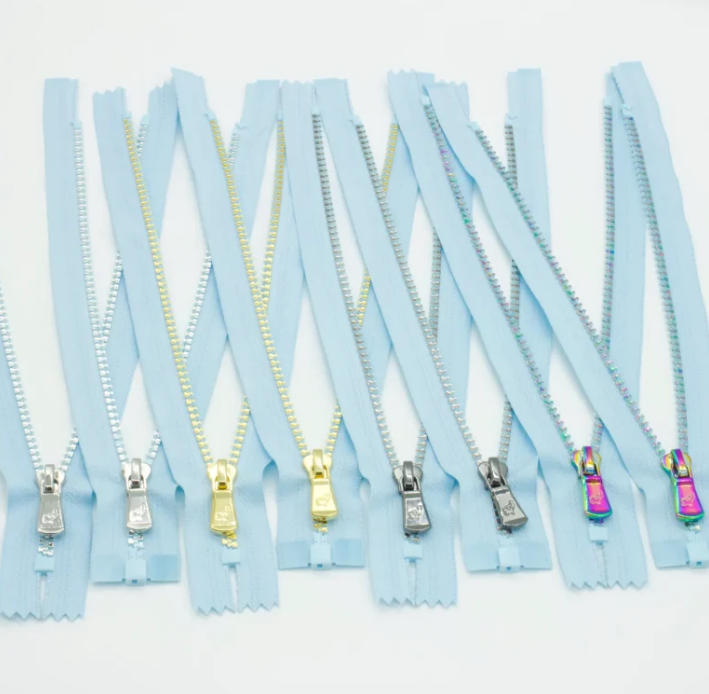
- Design Flexibility and Color Variety: Plastic can be colored, then pressed or formed into a bunch of different hues and shapes, which helps designers line up zippers with fabrics and also build decorative little effects in the process.
- Smooth Operation: A well-made plastic zipper usually moves with a steady glide, and it is less likely to catch on fabric during daily use.
Limitations
- Lower Strength Compared to Metal: Plastic teeth tend to be less durable than metal, so they are not ideal for heavy work, or closures that face high pull-force all the time.
- Heat Sensitivity: When temperatures climb, the plastic teeth can deform or twist out of form, which limits their use in hot environments.
- Wear Over Time: With frequent use, the plastic teeth may grind down, or they may drift out of alignment, particularly when there is constant stress.
- Less Premium Appearance: Even if plastic zippers work well, they might not deliver the same rugged, premium look as metal zippers. That can matter for fashion items or showpieces.
- Potential Tooth Breakage: Individual teeth can crack or break when there’s too much force, and the damage is usually more easy to spot, but also more stubborn to repair, you know.
Understanding Nylon Zippers
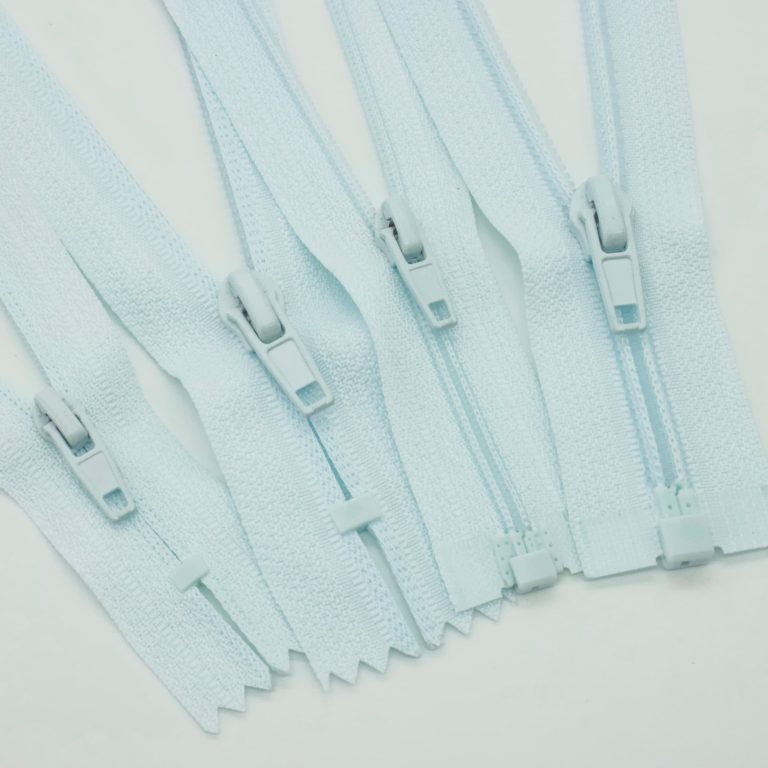
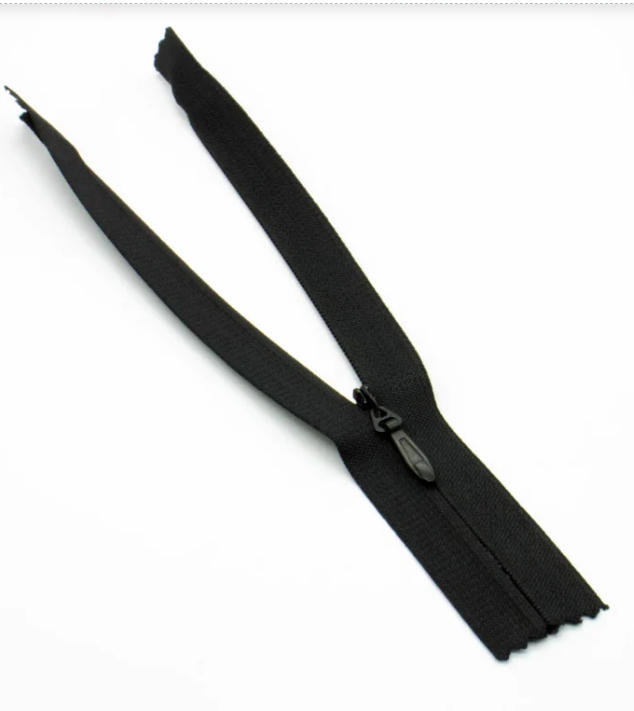
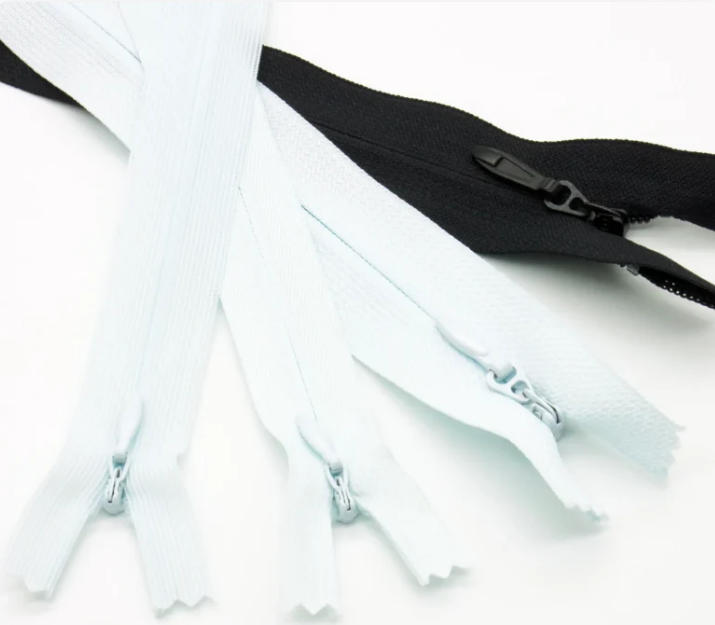
Nylon zippers, also called coil zippers, are among the most used zipper styles in clothing, luggage, outdoor equipment, and soft goods. Instead of separated, rigid teeth like metal zippers, or molded plastic ones, nylon zippers are built with a continuous spiral coil. The coil is made from polyester or nylon filament, and it is sewn onto zipper tape. This layout gives a smooth feel, a flexible body, and a light weight build that works well across a big range of uses.
How They Work
Nylon zippers operate through a coiled filament that forms the “teeth” of the zipper. When the slider moves along the chain, it presses the coils together to interlock them or separates them to open the zipper. Because the structure is continuous rather than segmented, the zipper bends easily and distributes stress more evenly along the entire length. This continuous coil design is what gives nylon zippers their signature flexibility and smooth movement.
Advantages
- High Flexibility: Nylon zippers are extremely flexible, making them ideal for curved seams, tight spaces, and soft fabric applications. They can bend without losing function, which is a major advantage in garment and gear design.
- Lightweight Structure: Because the coil is made from thin synthetic fibers, nylon zippers add minimal weight to the final product. This makes them especially suitable for travel gear, sportswear, and outdoor equipment.
- Smooth and Quiet Operation: Nylon zippers usually slide a bit more smoothly and, yes quieter than metal ones. Theres a comfort gain in clothing for example, and in functional gear like tents, or sleeping bags, the reduced noise feels noticeable. It just works better when you dont want extra sounds.
- Good Resistance to Corrosion and Moisture: Nylon materials do not rust, and they handle humid or wet settings pretty well. Because of that, they fit outdoor use, and also things tied to marine activities.
- Cost Efficiency and Versatility: Nylon zippers are relatively affordable to produce. They can be made in many shades, lengths and setups, so they support both practical design requirements and visual preferences.
Limitations
- Lower Structural Strength Compared to Metal: Even if they’re durable for everyday routines, nylon zippers can fall short when the load is heavy, or the stress is high. They might not be the best choice for heavy-duty industrial use, where metal tends to win.
- Wear Over Time: With prolonged use the coil might end up looking a bit flattened, somewhat deformed, or just not aligned the way it used to, mainly in lower-quality variants or when it is under constant strain
- Heat Sensitivity: Even if nylon is usually stable in normal situations, the material can deform when exposed to high heat, so its usefulness drops in places that stay hot for long stretches
- Potential for Slippage Under Extreme Stress: In cases where there is excessive tension, nylon coils can end up separating or not re-engaging correctly, specially if the zipper is pushed beyond what it can handle
- Aesthetic Limitations in Premium Applications: Even though nylon zippers are flexible and reliable, they often do not deliver the same premium visual impact you get from metal zippers, which may matter for high-end fashion products
Key Comparison of Metal vs. Plastic vs. Nylon Zippers
The following chart provides a comparison of the three most common zipper types based on performance, durability, cost, and usage suitability.
| Feature | Metal Zippers | Plastic Zippers | Nylon Zippers |
| Material Composition | Brass, aluminum, or nickel teeth | Molded polymer (often polyacetal or resin) | Polyester coil (continuous nylon filament) |
| Strength & Durability | Very high strength, long-lasting under heavy use | Moderate strength, good for light to medium use | High flexibility, good durability for daily use |
| Flexibility | Low flexibility, more rigid | Moderate flexibility | Very high flexibility, smooth bending |
| Weight | Heaviest among the three | Lightweight | Lightest and most flexible |
| Appearance | Premium, metallic, decorative | Clean, colorful, casual | Smooth, discreet, less visible teeth |
| Corrosion Resistance | Can corrode if not coated | Highly resistant to moisture and corrosion | Highly resistant to moisture, no rust |
| Smoothness of Operation | Can be less smooth over time if worn | Generally smooth but may wear under stress | Very smooth and quiet operation |
| Cost | Highest cost | Moderate cost | Lowest cost |
| Common Applications | Jeans, jackets, bags, boots | Sportswear, outdoor gear, luggage | Clothing, dresses, tents, upholstery |
| Best Use Case | Heavy-duty or decorative applications | Functional everyday items with color variety | Lightweight, flexible, and concealed applications |
Key Considerations for Choosing among Metal, Plastic and Nylon Zippers
Choosing the suitable type of zipper among metal, plastic and nylon usually comes down to a bit of guesswork depending on how the item gets used, what kind of weather or exposure it will face, and how you want the balance to feel between durability, comfort and cost efficiency.
1. Application Environment and Exposure Conditions
A big factor is the surroundings where the zipper will operate. If everything stays relatively dry and stable, metal zippers often hold up well and keep their structure for long stretches. Still, if you expect moisture, humidity, or even salt exposure, plastic and nylon zippers are usually more dependable because they resist corrosion and other environmental damage better. Nylon zippers in particular tend to work well for outdoor items and shifting climates, since they stay flexible and handle environmental stress more smoothly.
2. Mechanical Strength and Load Requirements
The amount of mechanical stress that hits the zipper is another big factor. Metal zipper types are usually picked for high-stress jobs because their firm tooth framework gives strong locking behavior and good resistance to bursting, in general. Plastic zipper systems provide moderate durability for daily consumer products, and nylon versions can deliver dependable function for light to medium loads. They are especially useful when flexibility matters, since it can lower stress concentration near the seam line.
3. Flexibility and Design Compatibility
Design requirements often end up steering zipper choice as much as performance does, if not more. Nylon zippers are quite flexible, so they can trail along curved seams and still blend in cleanly with softer fabrics. Plastic zippers hit that middle ground between firm structure and real adaptability, whereas metal zippers feel more rigid and are usually the better fit for straight-line work where stiffness is not a problem. When garment comfort and fabric movement matter most, flexibility becomes the key deciding factor, pretty fast.
4. Weight and Product Comfort
Weight is playing a bigger role in modern product design, especially for apparel, travel gear, and outdoor tools. Metal zippers bring extra mass because of the dense material makeup, which can be useful in heavy-duty products but not so friendly for lightweight builds. Plastic and nylon zippers cut down total weight a lot, so they work better when portability is expected and comfort needs to stay high.
5. Cost Efficiency and Production Scale
The manufacturing expense and the ability to ramp up production really affect the zipper choice too. Plastic zippers tend to be the cheapest option for big runs because the molding workflow is efficient. Nylon zippers sit in the middle between cost and performance, so they’re frequently picked for mass-market clothing and outdoor gear. Metal zippers cost more, but they’re often worth it for higher-end products where toughness, and even the look, bring extra perceived value.
6. Aesthetic and Brand Positioning
How a zipper looks can shape what people assume about the overall quality. Metal zippers often signal durability and premium craftsmanship, so you’ll see them a lot in fashion items, like denim or leather goods. Plastic zippers make it easier to do color tuning, and keep the design consistent which can support either practical styling or playful themes. Nylon zippers usually stay understated, so they are often selected when the zipper should disappear into the rest of the design.
7. Maintenance and Long-Term Performance
The long-run usability is pretty much tied to how well a zipper resists wear and keeps gliding without sticking. Metal zippers sometimes need attention in corrosive settings, especially if you want them to keep moving freely, yet they can last a long time when they are cleaned and cared for properly. Plastic zippers usually work well in normal conditions, but under repeated heavy use they may lose their alignment, and then the teeth feel a bit rough. Nylon zippers often keep smooth operation for longer stretches thanks to their flexible coil structure, it helps spread the load more evenly across the zipper line.
Summary
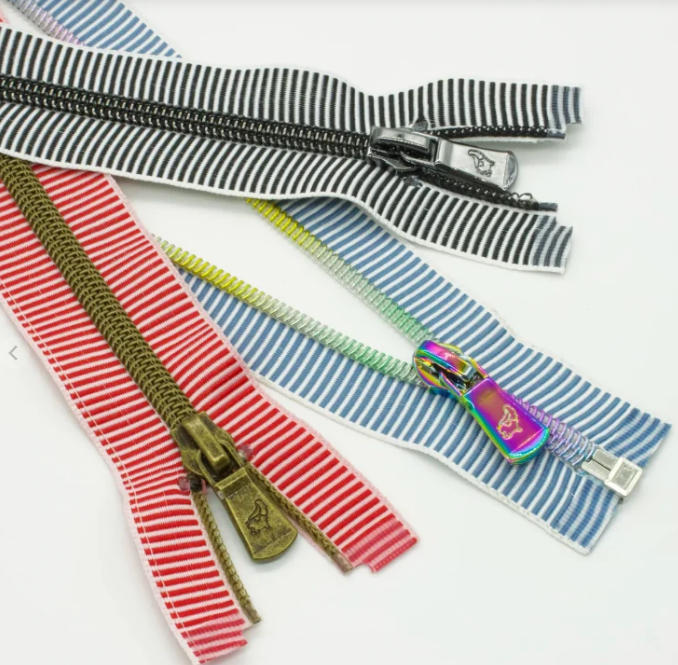
- Metal zippers are ideal when strength and aesthetics are priorities, especially in rugged fashion or industrial applications.
- Plastic zippers are better when cost efficiency and weather resistance matter most.
- Nylon zippers are most suitable for flexibility, comfort, and lightweight performance.
- In many cases, manufacturers combine zipper types strategically, for example, using nylon coil zippers for internal compartments and plastic or metal zippers for exterior closures.
Final Thoughts
Metal, plastic, and nylon zippers each serve distinct functional roles rather than competing as direct substitutes. Understanding their material properties helps designers and manufacturers select the right zipper for durability, performance, and user experience.