
Reactive Printing vs Digital Printing for Bulk Fabric Orders
Picking the wrong printing method for a bulk fabric order can be an expensive lesson. A large cotton run ordered with the wrong ink type may come back with colors that wash out within weeks. Polyester fabric printed with reactive dye which doesn’t bond to synthetic fibers produces weak, inconsistent color that no finishing process can fix.
This guide covers reactive printing and digital printing from a buyer’s standpoint including fabric compatibility, color fastness, MOQ, cost, and lead time, so you know what to confirm before the order goes into production.
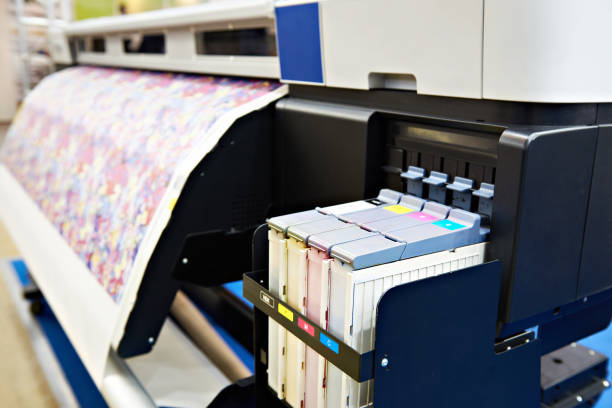
Table of Contents
What is Digital Printing and Reactive Printing
Before comparing the two methods, it helps to clarify something that trips up a lot of buyers: “digital” and “reactive” are not the same type of term.
Digital printing refers to the printing method — designs are applied using inkjet technology, directly from a digital file, without screens or plates.
Reactive refers to the ink/dye type — reactive dyes bond chemically with natural fibers, producing permanent, colorfast results.
The two are not mutually exclusive. Digital reactive printing combines inkjet equipment with reactive dyes, and for custom cotton fabric, this is now the most common production setup. So when a supplier quotes “digital printing,” the follow-up question is: which ink type? Reactive dye, disperse (for polyester), or pigment each produce different results on fabric, and that single detail determines how the finished product holds up.
How Reactive Printing Works
Reactive printing is the standard choice for natural fabrics — cotton, rayon, linen, and silk. The process works in four stages:
- Pretreatment — the fabric is washed and coated with a chemical solution that prepares the fibers to accept the dye
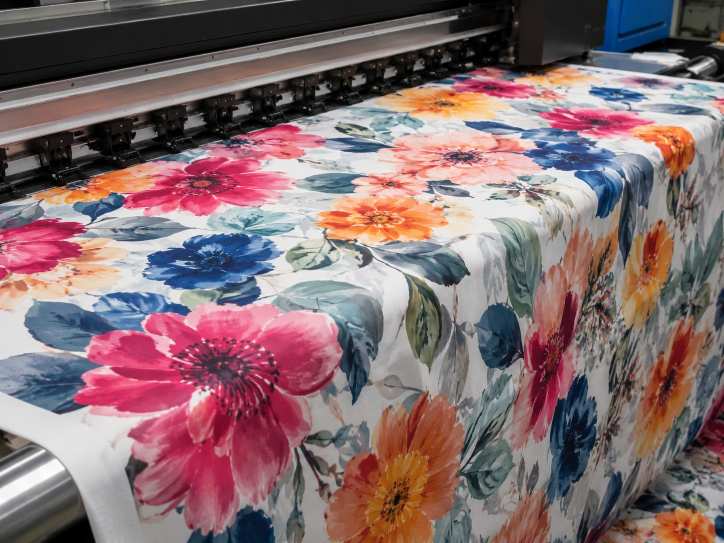
- Printing — reactive dye is applied to the fabric via inkjet
- Steaming — high-temperature steam activates a chemical reaction, permanently bonding the dye to the fiber
- Washing — excess dye and pretreatment chemicals are removed, leaving a clean, vibrant print
Reactive dye bonds with the fiber at a chemical level, which is why the color holds up well over time. Wash fastness typically reaches ISO 105-C06 Grade 4 to 5 — a standard worth specifying when you request supplier test data.
The downside is process complexity. Reactive printing requires pretreatment, steaming, and a wash stage, which adds to lead time. The wash stage also produces wastewater, so it’s worth confirming how your supplier handles effluent. GOTS and OEKO-TEX certifications are a practical way to verify this without auditing the factory yourself.
How Digital Printing Works on Fabric
Digital printing covers a broader range of fabric types depending on which ink is used:
- Reactive dye — for cotton, rayon, and other natural fibers (as described above)
- Disperse ink — for polyester and synthetic fabrics, applied via sublimation (heat transfer)
- Pigment ink — works on most fabric types but sits on the surface rather than bonding with fibers, resulting in lower wash fastness
The main commercial advantage of digital printing is flexibility. There are no screens to prepare and no setup charges, which means you can run small quantities without absorbing a high fixed cost. Complex designs such as gradients, photographic-quality artwork, multi-color patterns are handled as easily as simple ones.
For buyers who need pre-production samples or want to test a design before committing to bulk, digital printing makes the sampling process straightforward and relatively low-cost.
Reactive Printing vs Digital Printing: Side-by-Side Comparison
| Reactive Printing | Digital Printing | |
| Best fabric | Cotton, rayon, linen, silk | Polyester, cotton blends |
| Color fastness | ISO 105 Grade 4–5 | Grade 3–4 (pigment) / 4–5 (reactive dye) |
| Design complexity | High | Very high — gradients, photography-level detail |
| Typical MOQ | 100–300 yards per design | Low — some suppliers accept under 50 yards |
| Unit cost at scale | Decreases significantly with volume | Relatively stable across quantities |
| Lead time | Longer (steaming and washing add time) | Shorter |
| Setup/screen fee | None | None |
| Hand feel | Soft, natural — does not alter fabric texture | Depends on ink type used |
One number worth knowing: industry experience suggests that below roughly 300–500 yards per design, digital printing is generally more economical. Above that threshold, reactive printing at scale becomes more cost-competitive, particularly for cotton orders where wash durability is a requirement.
Which Method Is Right for Your Order?
The answer usually comes down to three things: what fabric you’re using, how large your order is, and how complex your design is.
Large-volume orders in cotton or natural fiber (300+ yards)
Reactive printing is the better fit. The per-meter cost drops as volume increases, and the wash fastness meets the standard expected for apparel and home textiles. If your products go through repeated washing — workwear, bedding, garments — reactive dye is worth the longer lead time.
Small-batch orders or complex artwork
Digital printing removes the minimum quantity pressure and handles gradients or photographic designs without color limitations. It’s also the practical choice when you’re still in the development stage and need to approve a sample before committing to production.
Polyester or performance fabric
Reactive printing does not work on polyester. For synthetic fabrics used in sportswear, activewear, or outdoor products, digital printing with disperse ink (sublimation) is the correct method. Make sure your supplier confirms the ink type, not all digital printing setups are configured for polyester.
What to Ask Your Supplier Before Placing a Bulk Order
Supplier claims are easy to make. These six questions will help you verify what you’re actually getting:
1. What ink type do you use — reactive dye, disperse, or pigment? This is the most important question. Pigment ink is cheaper but less durable. Reactive dye and disperse ink produce far better wash fastness for most end-use applications.
2. What wash fastness rating can you guarantee, and do you have test data? Ask for ISO 105-C06 test results. A reputable supplier should be able to provide Grade 4 or above for garment-grade fabric.
3. What pretreatment process do you use for the fabric? Inconsistent pretreatment leads to uneven color across a roll. This is a common quality issue that shows up after bulk production, not during sampling.
4. How is MOQ calculated — by yardage, by weight, or per design? MOQ structures vary between suppliers. Some set minimums per colorway, others per design. Knowing this upfront avoids surprises when you have multiple designs in one order.
5. What file format and color profile do you require? Screen color and printed fabric color are different. Ask whether they work with Pantone references, and confirm the accepted file formats (AI, PDF, high-resolution PNG at 300 DPI are standard for most print-ready artwork).
6. Can you provide a pre-production strike-off sample before bulk production starts? A strike-off is a small print run on the actual production fabric, used to confirm color accuracy and print quality before committing to the full order. Not every supplier offers this as standard but for first orders, it’s worth requesting.
Luxzipper’s Custom Fabric Printing Options
At Luxzipper, we offer both reactive printing and digital printing for wholesale and OEM buyers. Reactive printing covers cotton, rayon, and natural fiber fabrics with Pantone color matching and strong wash fastness performance. Digital printing is available for small-batch runs, complex artwork, and orders where fast turnaround is a priority.
Both methods support full OEM and ODM production, from sample confirmation through to finished goods delivery. You can find full details on our Custom Fabric Printing & Embroidery page, or contact us directly to discuss your specific fabric and order requirements.
Conclusion
The right printing method depends on your fabric, your order volume, and your design. Reactive printing is the reliable choice for natural fiber fabrics in bulk, where wash durability matters. Digital printing gives you more flexibility on quantity and design complexity, and is the only viable option for polyester.
Before placing any bulk order, confirm the ink type, ask for wash fastness data, and request a pre-production sample. Those three steps alone will prevent most of the quality issues that come up after production is complete.
Ready to discuss your order? Contact Luxzipper for a quote or fabric consultation.