
Standard vs. Heavy-duty Zippers: How to Choose the Right Solution
Zippers get used a lot; they are fastening components that bring convenience and security across many industries. Still, not every zipper is made with the same purpose. Selecting between standard and heavy-duty zippers depends on factors like the thickness of the material, how often the item gets used, where it will live, and what kind of performance is needed. If you understand the distinctions, manufacturers and consumers can choose the more fitting zipper solution for their own specific applications.
Understanding Standard Zippers
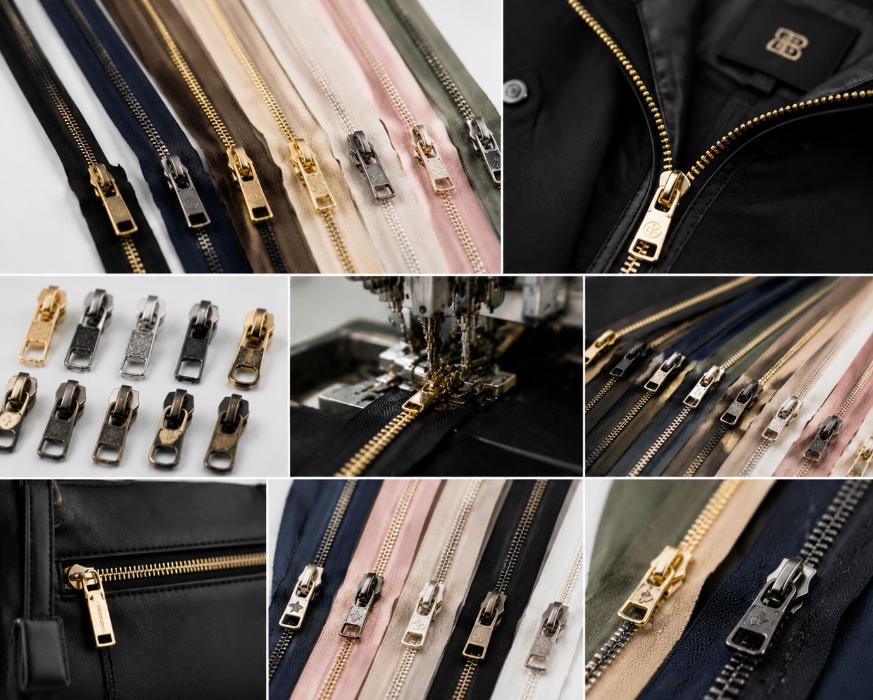
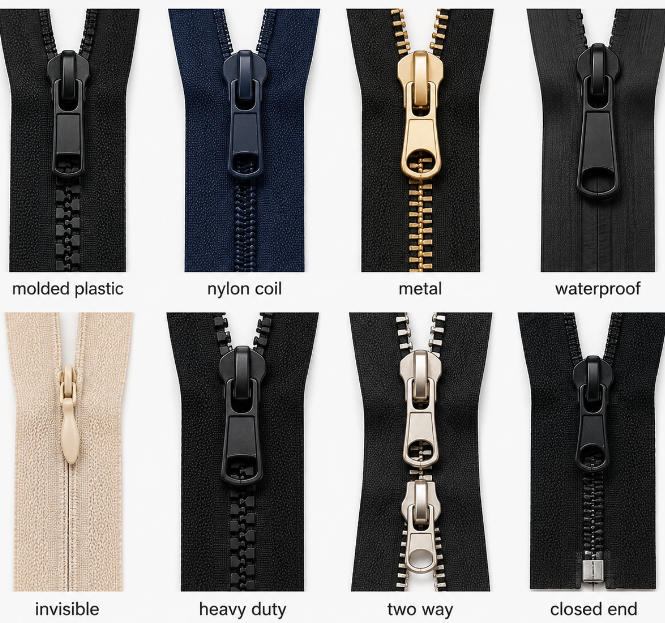
Standard zippers are general-purpose fasteners, made for products that see normal stress levels and everyday handling. Usually, they are produced with lighter components, for example, polyester tape, nylon coils, plastic teeth, or metal teeth, based on the job.
Standard zippers are crafted for heavy-load places, while standard zippers also focus on flexibility, smooth movement, a lighter build, and keeping costs reasonable. Their layout helps makers fit them into a lot of products without too much effort, and still keep a nice look and comfortable handling.
Standard zippers come in many sizes, shades, material options, and surface finishes, so they fit different sectors. Whether it’s for daily clothing, or fashion add-ons, these zippers give a dependable fastening method that is also budget-friendly.
Structure and Working Principle
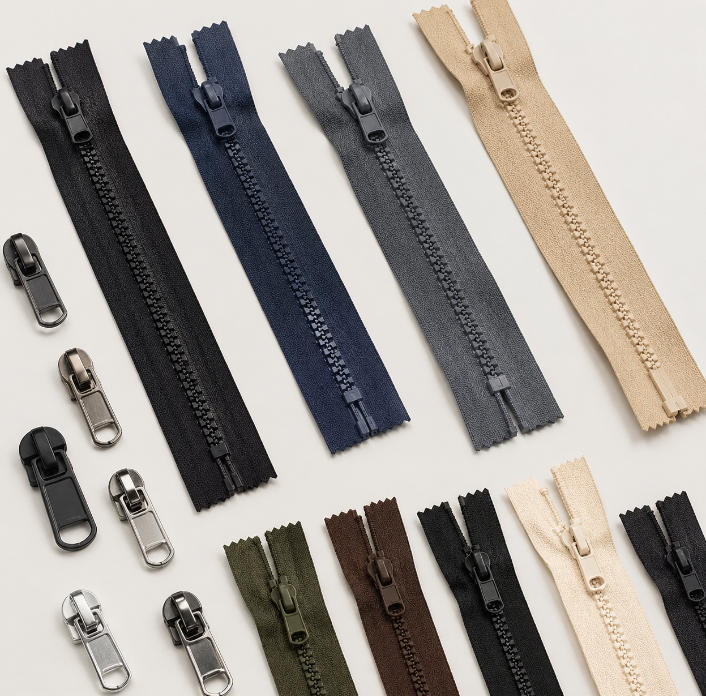
A standard zipper uses a set of key parts that cooperate to form a strong closure. The zipper tape acts as the base, because it connects the zipper to the fabric or other product surface. Usually produced from polyester or other synthetic fibers, the tape brings flexibility and enough strength for normal daily use.
The zipper parts, including coils, molded teeth, or sometimes metal teeth are what handle the job of bringing together and then separating the two sides of the zipper. When the slider glides along the zipper rail, it either lines up these pieces or nudges them apart, so the closure can open or shut.
The zipper slider controls movement, while the puller lets a person work it in a comfortable way. The upper and lower stops keep the slider from running past the zipper track and they also support steady operation.
Different material mixes and structural choices let standard zippers satisfy a range of product needs, from lightweight clothing to medium-duty bags.
Types
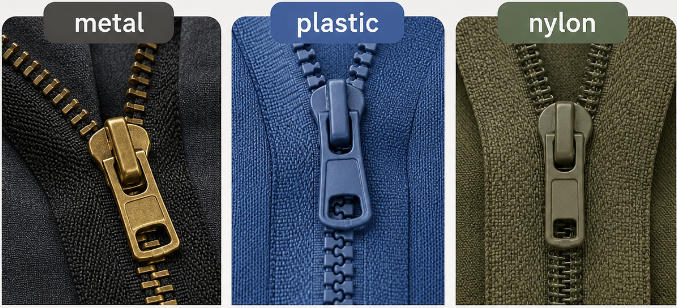
Standard zippers are available in various designs to meet different product requirements.
| Type of Standard Zipper | Main Features | Advantages | Common Applications |
| Nylon Coil Zippers | Made with spiral-shaped nylon or polyester coils attached to zipper tape; lightweight and flexible design | Smooth operation, excellent flexibility, lightweight, resistant to bending | Clothing, jackets, backpacks, handbags, sportswear, accessories |
| Plastic Molded Zippers | Uses individual plastic teeth molded onto the zipper tape; stronger structure than coil zippers | Higher strength, good durability, corrosion resistance, suitable for outdoor use | Outerwear, luggage, bags, sports products, casual apparel |
| Metal Zippers | Features metal teeth made from materials such as brass, aluminum, or zinc alloys | Classic appearance, good durability, strong fastening performance | Jeans, leather products, fashion bags, jackets, premium garments |
| Invisible Zippers | Designed with teeth hidden behind the zipper tape to create a seamless appearance | Clean and elegant look, enhances product aesthetics | Dresses, skirts, cushions, formal clothing, home textiles |
| Water-Resistant Standard Zippers | Uses coated tapes or special designs to reduce water penetration | Provides improved protection against moisture while maintaining flexibility | Outdoor clothing, rainwear, bags, travel accessories |
| Two-Way Zippers | Includes two sliders that can open from either end | Provides greater convenience and flexibility during use | Coats, jackets, luggage, sleeping bags, outdoor equipment |
| Open-End Zippers | Bottom stop can separate completely, allowing both sides of the zipper to open apart | Easy wearing and removal, convenient for full-length openings | Jackets, coats, uniforms, sportswear |
| Closed-End Zippers | Both ends are fixed and cannot be completely separated | Reliable closure and simple design | Pants, pockets, handbags, wallets, cushions |
Understanding Heavy-duty Zippers
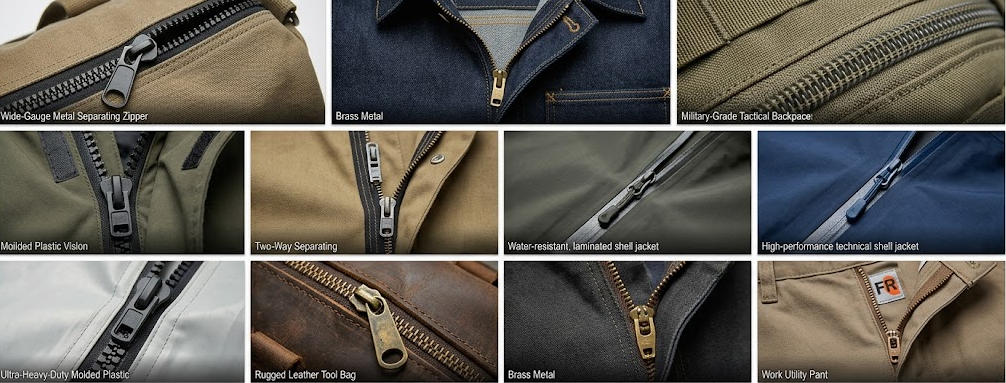
Heavy-duty zippers are high-strength fastening systems made to take on more mechanical stress than regular zipper styles, and sometimes that difference really matters. They use reinforced parts, sturdier materials, and a more robust construction so they can handle pulling forces, abrasion, and lots of repeated use without slipping or wearing down too fast.
In practice, heavy-duty zippers usually include bigger teeth, thicker zipper tapes, firmer sliders, and reinforced stitching patterns. With those elements in place, the zipper can keep doing its job with steady, dependable action even if it is used in tough conditions.
Also, heavy-duty zippers are built not only for strength but for reliable operation in challenging settings, like outdoor use, industrial workplaces, and high-frequency applications where the movement happens again and again.
Structure and Components
The design of heavy-duty zippers is built around durability and resistance. Every individual part is reinforced, aiming to support the overall performance.
The zipper tape used in heavy-duty applications is typically made with thicker, tougher polyester or other synthetic materials. This kind of reinforced strip gives a better barrier against rips, unwanted stretching, and surface rubbing, particularly when the zipper is stitched onto heavy fabrics or stiff panels
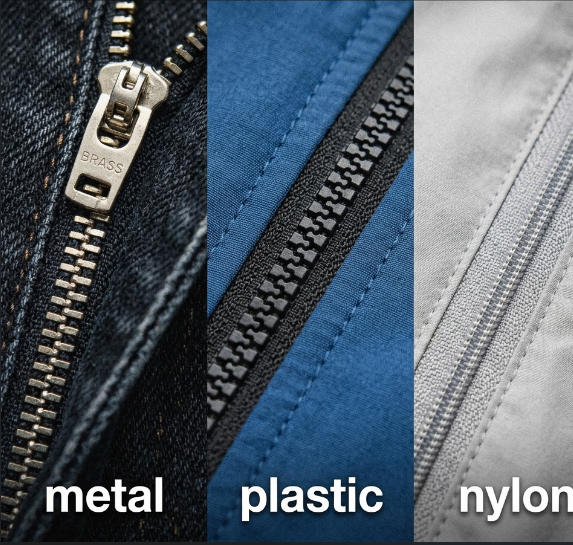
The zipper teeth are also a big difference between normal and heavy-duty options. Heavy-duty zippers often include larger molded plastic teeth, strong metal teeth, or reworked coil structures. These parts are made to tolerate higher pulling forces and to lessen the chance of the zipper separating
Then there is the slider and puller, both built for extra staying power. Heavy-duty zipper sliders are usually larger and more rugged, so they can be moved more easily, even when someone is wearing gloves, or when equipment handling is messy or difficult
On top of that, extra elements like reinforced seam work, protective surface coatings, and water-resistant designs can be added to support performance in specific settings.
Types
| Type of Heavy-Duty Zipper | Main Features | Advantages | Common Applications |
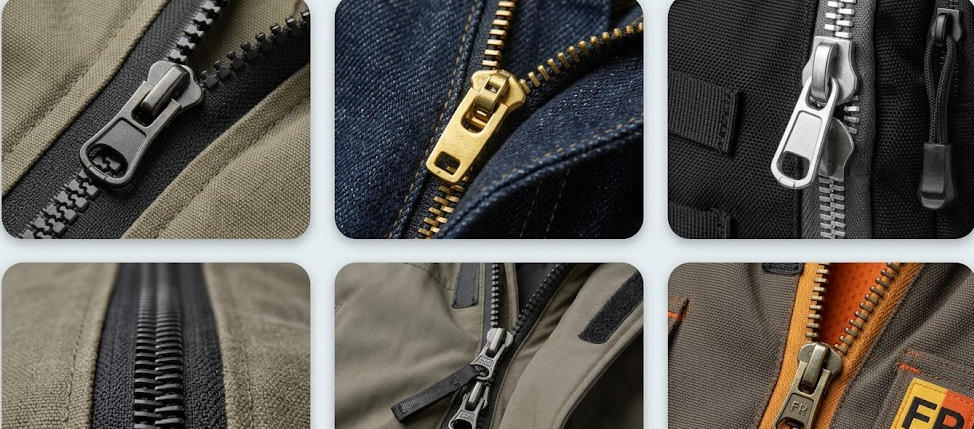
| Heavy-Duty Metal Zippers | Uses large metal teeth made from materials such as brass, aluminum, or zinc alloys; reinforced zipper tape and stronger sliders | Excellent mechanical strength, high durability, classic appearance, suitable for high-stress applications | Workwear, leather products, heavy luggage, military gear, industrial bags |
| Heavy-Duty Molded Plastic Zippers | Features large plastic teeth molded onto thick, reinforced zipper tapes | Strong, lightweight, corrosion-resistant, performs well in outdoor environments | Outdoor equipment, backpacks, protective covers, sports bags, camping gear |
| Reinforced Coil Zippers | Uses thicker synthetic coils with strengthened tape and slider structures | Flexible, abrasion-resistant, smooth operation, suitable for curved designs | Outdoor clothing, technical apparel, luggage, equipment bags |
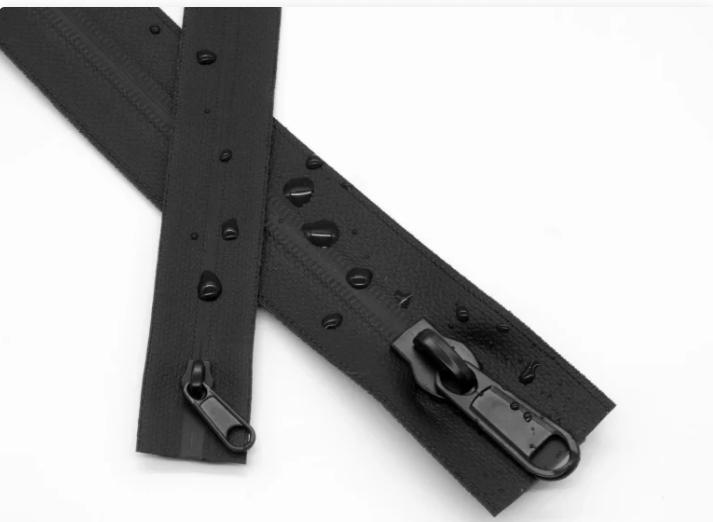
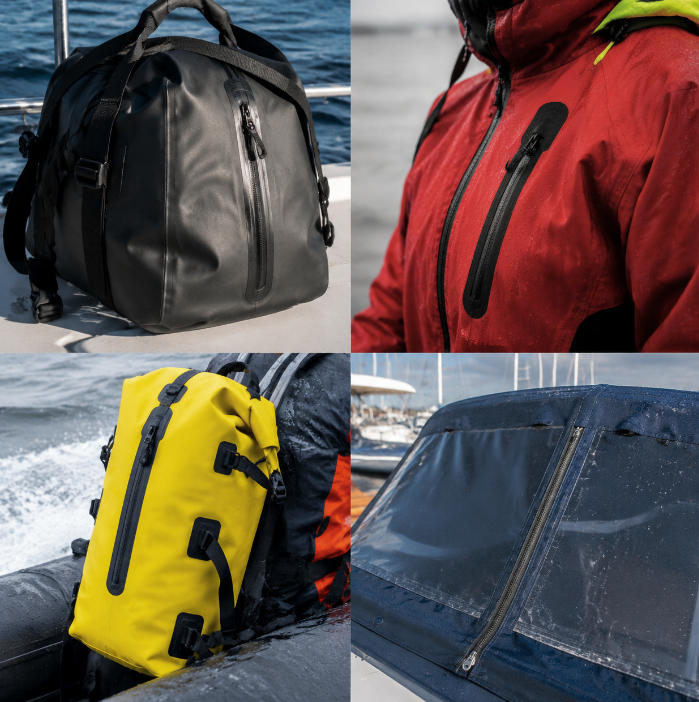
| Water-Resistant Heavy-Duty Zippers | Includes coated zipper tapes, protective layers, or special designs that reduce water penetration | Improved moisture resistance, protects contents from rain and humidity, suitable for outdoor use | Waterproof jackets, marine equipment covers, tents, dry bags |
| Waterproof Heavy-Duty Zippers | Uses sealed structures with waterproof coatings or laminated designs to prevent water entry | Provides high-level protection against water exposure and harsh weather conditions | Diving equipment, marine products, outdoor protective gear, technical clothing |
| Two-Way Heavy-Duty Zippers | Equipped with two sliders that can move independently from both ends | Allows flexible opening options, improves convenience for large products | Sleeping bags, heavy jackets, tents, large travel bags |
| Separating Heavy-Duty Zippers | Designed with an open-end structure that allows both sides to separate completely | Easy access, convenient installation and removal, suitable for full-opening products | Coats, tactical clothing, work uniforms, protective garments |
| Industrial Heavy-Duty Zippers | Built with extra-thick tapes, oversized teeth, reinforced sliders, and high-strength materials | Maximum durability, high load resistance, long service life under demanding conditions | Industrial covers, machinery protection, heavy equipment bags, specialized containers |
Key Differences Between Standard and Heavy-duty Zippers
| Comparison Factor | Standard Zippers | Heavy-Duty Zippers |
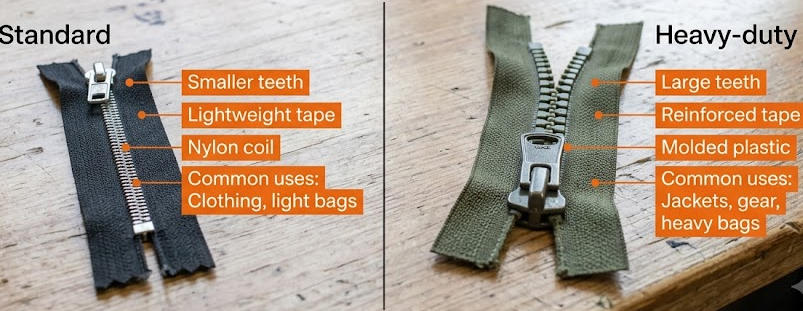
| Primary Purpose | Designed for everyday fastening applications that require moderate strength and smooth operation | Designed for demanding applications requiring high strength, durability, and reliability |
| Construction | Uses lightweight materials and standard components for general-purpose use | Uses reinforced materials, stronger components, and robust construction for high-stress environments |
| Zipper Teeth | Usually features smaller nylon coils, plastic teeth, or lightweight metal teeth | Uses larger molded teeth, stronger metal teeth, or reinforced coils for improved strength |
| Zipper Tape | Made with standard polyester or synthetic fabric tapes suitable for normal use | Uses thicker, reinforced tapes with better resistance to tearing and abrasion |
| Slider and Puller | Lightweight sliders designed for regular opening and closing cycles | Larger and stronger sliders designed to withstand frequent and heavy operation |
| Strength Level | Provides moderate strength suitable for clothing, accessories, and lightweight products | Provides higher tensile strength for heavy loads and harsh working conditions |
| Durability | Suitable for normal daily use but may wear faster under heavy stress | Offers longer service life under repeated use, heavy loads, and challenging conditions |
| Flexibility | More flexible and lightweight, making it comfortable for garments and soft products | Generally stiffer due to reinforced construction and stronger components |
| Weight | Lightweight design helps maintain product comfort and reduce overall weight | Heavier due to larger teeth, thicker tapes, and reinforced components |
| Environmental Resistance | Provides basic resistance to normal conditions; specialized versions may offer limited water resistance | Often designed with improved resistance to moisture, abrasion, chemicals, and extreme environments |
| Load-Bearing Capability | Suitable for products with low to moderate tension on the zipper | Suitable for products exposed to higher pulling forces and heavier loads |
| Operating Frequency | Designed for regular everyday opening and closing | Designed for frequent, intensive use with higher cycle requirements |
| Cost | More affordable and suitable for large-scale consumer products | Higher cost due to stronger materials and more complex manufacturing processes |
| Customization Options | Available in various colors, sizes, finishes, and designs for fashion and consumer products | Offers customization for specialized applications, including reinforced structures and protective features |
| Common Applications | Clothing, handbags, wallets, backpacks, home textiles, fashion accessories | Outdoor equipment, military gear, industrial bags, heavy luggage, protective covers, workwear |
Key Factors to Consider for Choosing Between Standard and Heavy-Duty Zippers
1. Product Application and Usage Requirements
The intended use really is one of the biggest factors when deciding between standard and heavy-duty zippers. Different products put different kinds of demands on how well the zipper performs, and if you pick the wrong category, it may lead to early wear, or you end up paying for more durability than you actually need, sometimes both.
Standard zippers are typically found in clothing, fashion accessories, small bags, and household textiles. In these situations, the zipper usually sees moderate everyday use and only a limited amount of stress. For example, a zipper on a jacket pocket or a cushion cover does not have to tolerate major pulling forces.
Heavy-duty zippers fit better when the item gets higher stress, frequent interaction, or harsher conditions. Outdoor backpacks, camping gear, military equipment, industrial covers, and heavier luggage frequently call for robust zipper systems because they face larger loads and more demanding environments during operation.
Before you pick a zipper, manufacturers need to look at how the product is actually going to be used, how often the zipper will be opened and closed, and what kinds of stresses it will face across its service life.
2. Strength and Load-Bearing Requirements
The strength requirement for the job is another big consideration. Zippers are not only closure pieces, but they can also end up affecting the product’s structural integrity.
For light-weight and medium-duty use, standard zippers usually work fine. They have smaller teeth, lighter tapes, and lightweight sliders meant for steady, quiet motion, without bringing in extra bulk or unnecessary mass.
For heavy-duty situations, heavy-duty zippers are built with reinforced parts. You will typically see larger teeth, thicker tapes, and more robust sliders. With that setup, they can tolerate higher tension and help prevent zipper separation, tooth impairment, or tape tearing.
For products that carry heavy loads, or get pulling pressure when you open and close them, or when people expect long-term reliability, heavy-duty zippers usually end up being the better choice. If you use a standard zipper in a high-stress application, it may cause performance issues and also push up maintenance costs over time, which nobody really wants.
3. Material Compatibility
The material of the product matters a lot, too, in the zipper selection process. A zipper has to function well alongside the fabric, leather, plastic, or any other material that the product actually uses.
In many cases, standard zippers fit lightweight textiles like cotton, polyester, and thin synthetic materials. Their flexibility helps them follow fabric movement without affecting comfort or the look.
Heavy-duty zippers match better with thicker and more robust materials, including canvas, leather, reinforced fabrics, and industrial textiles. Because the construction is sturdier, they offer better support when they are attached to heavier materials, and they tend to hold up under demand.
Manufacturers should think about zipper strength, but also about how the zipper plays together with the product material. A zipper that is too strong for a light fabric can lead to annoying stiffness, and a zipper that is too weak, attached to a heavier textile, may end up failing when pressure builds up.
4. Environmental Conditions
The place where the zipper is used matters a lot for performance. When products get moisture, dust, high and low temperatures, or general outdoor wear, they often need sturdier zipper solutions.
Standard zippers tend to work well in typical inside and outside settings. They usually deliver dependable results during daily use, particularly when the materials are chosen properly.
Extra heavy-duty zippers are built for harder situations. Certain models use water-resistant coatings, corrosion-resistant metal parts, or protective construction that boosts performance in rain, humidity, saltwater contact, and tough handling situations.
For marine equipment, outdoor gear, or industrial products, environmental resistance should be carefully checked before choosing a zipper type, because it can affect performance later on.
5. Frequency of Use
The expected number of opening and closing cycles is also a key factor. Products that are used only now and then might not need the extra resilience of a heavy-duty zipper. Meanwhile, frequently used products can benefit from more solid construction, and that usually matters.
Standard zippers work well for everyday consumer products with normal operating frequency. They deliver consistent performance when installed and used within their intended conditions, without surprises.
Heavy duty zippers are meant for intensive use and repeat operation. They are often found in professional equipment, travel products, and work-related applications where a zipper failure could compromise product functionality.
Considering the expected usage frequency helps zipper manufacturers balance performance requirements with production costs.
6. Weight and Flexibility Requirements
Weight and flexibility matter a lot when picking zipper types, or at least that’s what most designers end up caring about later. Ideally, the zipper works with the product design, not distracting from comfort, or making usability worse.
Standard zippers usually stay light and flexible, so they’re great for clothing and accessories where ease of motion and comfort come first. They can track along curved shapes and they tend to move with fabric naturally.
Heavy-duty zippers are tougher though they are usually heavier and less flexible, mostly because the build is reinforced. That helps them in rigid bags, protective gear, and other heavy-duty products, but they are often less suitable for lighter fashion items where drape and movement need to stay easy.
Manufacturers should decide if durability or pliability is the main priority based on what the product is supposed to do.
7. Appearance and Design Considerations
A zipper is not just a practical part but also something people can see, especially in many everyday products. So the appearance requirements can push the decision toward either standard or heavy-duty options.
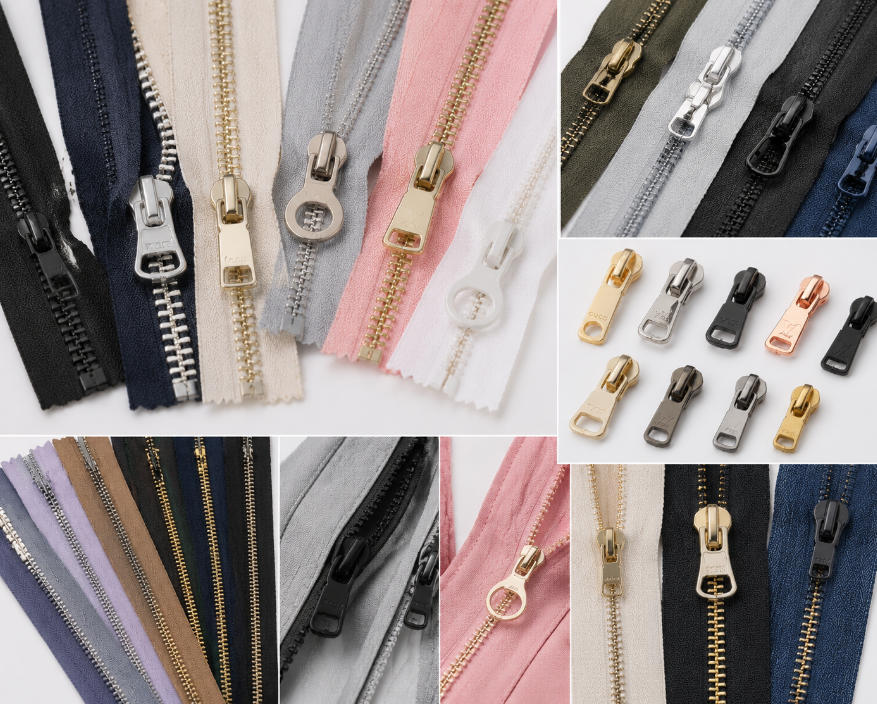
Standard zippers provide a pretty wide range of design options, like assorted colors, different surface finishes, various tooth types and decorative pullers. Because of that they get used a lot for fashion items where the look matters.
Heavy-duty zippers usually lean more toward performance, though you can still find them in multiple designs and finishes. They can be tuned to match the visual style of outdoor gear, high-end carry cases and specific specialty products.
The zipper that you pick should blend with the whole product design, while also satisfying the required performance targets.
8. Cost and Budget Considerations
Cost is a major consideration when choosing a zipper, especially in large-volume manufacturing. Standard versus heavy-duty zippers often have a big price gap, mainly because of differences in materials, the way they’re designed, and how they’re manufactured.
Regular zippers are usually more budget-friendly and a good fit when you do not need extreme durability. They allow manufacturers to keep pricing competitive while still giving dependable, day-to-day function.
Heavy-duty zippers often cost more because they use tougher materials and need more advanced production methods. Even so, that bigger up-front expense might be worth it for products where resilience matters and where you expect a long service life.
Instead of centering everything on the purchase price at the start, manufacturers should think about the full value of the zipper over time.
9. Customization and Supplier Support
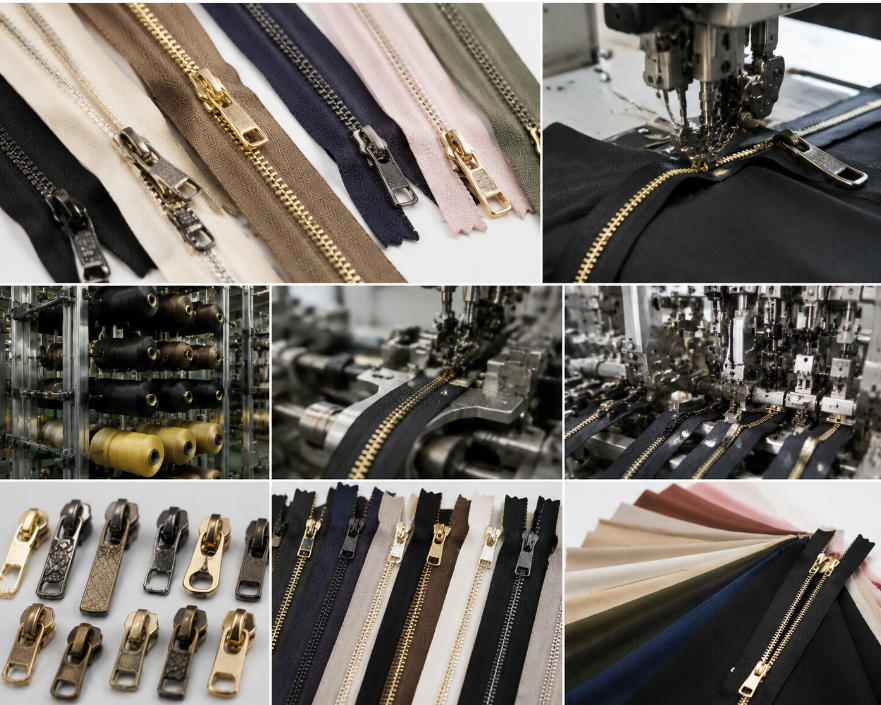
Partnering with a professional zipper manufacturer can make the whole choosing process less stressful and more effective. A knowledgeable supplier can propose tailored options that match your product needs, covering zipper dimensions, material choice, slider design, coating alternatives, plus performance verification.
For regular zipper applications, manufacturers can help balance cost, visual impact, and everyday performance. For heavy-duty situations, suppliers may bring reinforced systems and extra features to handle tougher needs more reliably.
With trustworthy supplier backing, the chosen zipper can match both technical requirements and real-world market expectations.
Summary
- Standard zippers are ideal for everyday products that require lightweight construction, flexibility, and cost efficiency.
- Heavy-duty zippers are better suited for demanding applications where strength, durability, and environmental resistance are essential.
Final Thoughts
Standard and heavy-duty zippers end up doing different jobs, and neither option is automatically better than the other. When manufacturers understand the differences in materials, build style, operating feel, and typical uses, they are able to select the most suitable zipper solution for their products. Whether it’s for fashion, outdoor equipment, industrial use, or specialized gear, picking the correct zipper matters and can strongly improve product performance and customer satisfaction.