
How to Choose Safe Zippers for Baby and Children’s Clothing: Key Safety Standards and Buying Tips
When discussing children’s clothing safety, most people focus on the fabric. However, zippers are another essential component that should not be overlooked. They come into direct contact with the wearer, are opened and closed repeatedly, and need to withstand frequent washing and everyday use. If a zipper has sharp edges, contains restricted chemicals, or lacks durability, it can compromise both the safety and overall quality of the garment.
For apparel brands, manufacturers, and sourcing professionals, choosing the right zipper involves more than matching the design. It also means ensuring product safety, meeting regulatory requirements, and delivering consistent quality. A reliable zipper helps reduce product defects, supports compliance in different markets, and protects brand reputation.
This guide outlines the main safety requirements for baby and children’s clothing zippers, introduces the regulations buyers should understand, and shares practical tips for selecting safe, compliant, and dependable zipper solutions.
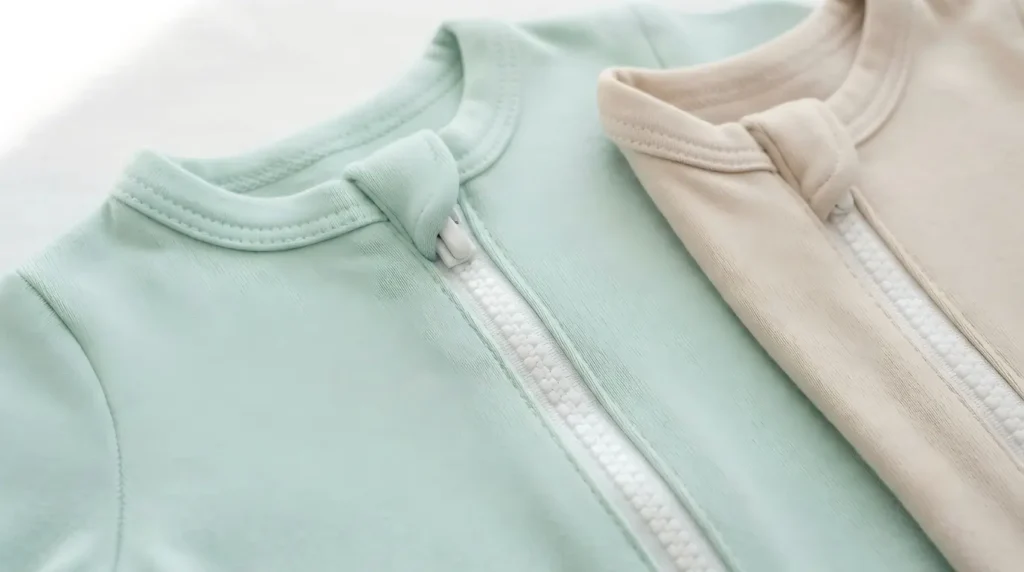
Why Do Baby and Children’s Clothing Require Safer Zippers?
Baby and children’s clothing is exposed to much more demanding daily use than most adult garments. It is washed frequently, worn during constant movement, and often comes into close contact with delicate skin. As a result, every garment component including the zipper must meet higher standards for safety, durability, and comfort.
For babies and toddlers, safety is the primary concern. Young children naturally explore objects by touching and putting them in their mouths, so zippers should feature smooth surfaces, rounded edges, and securely attached components that are less likely to become detached during normal use.
Material safety is equally important. Metal zippers and other components that may touch the skin should comply with relevant regulations on restricted substances, such as limits on nickel release and hazardous chemicals. Meeting these requirements is particularly important for brands exporting to markets with strict product safety standards.
The zipper should also operate smoothly without snagging or scratching the fabric. Poor finishing, sharp edges, or rough movement can affect comfort, especially on lightweight garments such as baby bodysuits, rompers, pajamas, and sleepwear.
From a manufacturing perspective, zipper quality has a direct impact on the overall product. Problems such as broken sliders, detached pullers, or poor chemical compliance can lead to customer complaints, product returns, or even recalls. Selecting high-quality, compliant zippers at the sourcing stage helps reduce these risks and supports consistent product quality.
Key Safety Requirements for Children’s Clothing Zippers
When selecting zippers for baby and children’s apparel, appearance is only one part of the decision. Chemical compliance, product safety, and long-term durability are equally important, especially for brands supplying regulated markets.
Chemical Safety Requirements
Nickel Release
Metal zippers are widely used on children’s jackets, jeans, coats, and other outerwear because they offer excellent strength and durability. If these metal components come into prolonged contact with the skin, nickel release becomes an important compliance consideration.
Under REACH Annex XVII, products intended for prolonged skin contact must not exceed a nickel release limit of 0.5 μg/cm²/week. This requirement applies to apparel and accessories sold in the European Union and is one of the key chemical safety standards for metal garment components.
To meet these requirements, many apparel brands specify nickel-free or low-nickel finishes for children’s clothing. Besides supporting regulatory compliance, these finishes also reduce the risk of nickel-related skin irritation for sensitive wearers.
Heavy Metals
Nickel is only one aspect of chemical compliance. Heavy metals such as lead and cadmium are also tightly regulated in many export markets.
In the United States, children’s products must meet the requirements of the Consumer Product Safety Improvement Act (CPSIA). In Europe, buyers typically assess products against REACH and other applicable regulations covering restricted substances.
Restricted Chemicals
Chemical safety is not limited to metal parts. Zipper tapes, plastic elements, coatings, paints, and decorative finishes should also comply with the chemical restrictions required by the target market.
Common substances evaluated during product testing include:
- Phthalates
- Azo dyes
- Other restricted substances specified by local regulations or brand RSLs (Restricted Substance Lists)
Although these substances cannot be identified by visual inspection, they are routinely tested in baby and children’s apparel to verify product safety and regulatory compliance.
OEKO-TEX® STANDARD 100
Many brands go beyond mandatory legal requirements by specifying OEKO-TEX® STANDARD 100 certified accessories. This internationally recognized certification confirms that textile materials and accessories have been tested for a wide range of harmful substances.
For baby and children’s apparel, OEKO-TEX® certified zippers provide additional confidence for brands, retailers, and consumers while making it easier to satisfy customer sourcing requirements.
Luxzipper supplies OEKO-TEX® STANDARD 100 certified zipper solutions for children’s garments. Nickel-free and low-nickel finishing options are also available for metal zippers to support compliance with different international market requirements.
Physical Safety Design
The zipper’s design and construction also influence comfort, durability, and overall product performance throughout the garment’s service life.
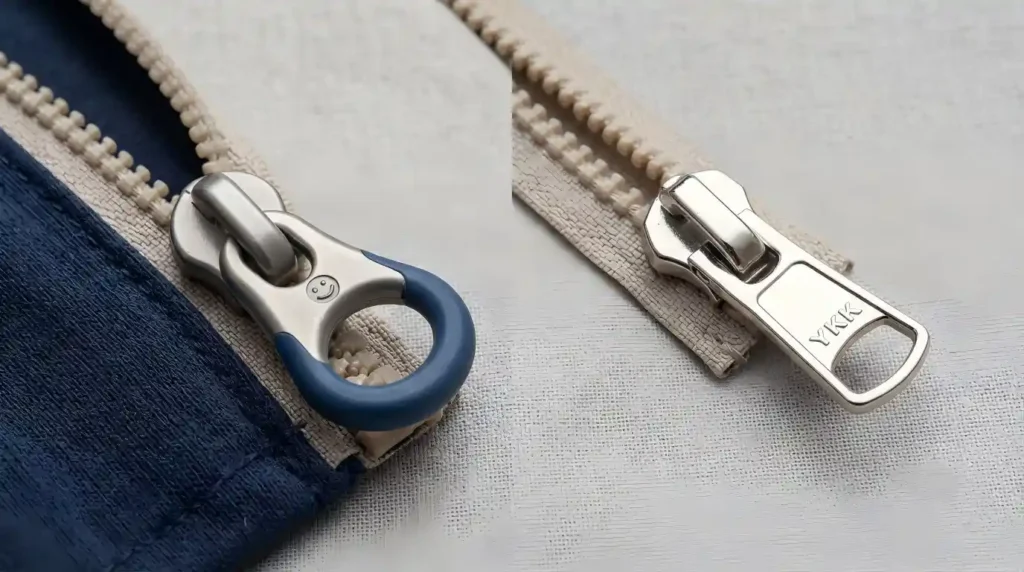
Rounded Pullers
The puller is the part of the zipper that users handle every day. On baby and children’s garments, rounded pullers are generally preferred because they eliminate sharp corners that could scratch sensitive skin or snag delicate fabrics.
Many children’s garments also use slightly larger pullers, making the zipper easier for both parents and young children to grip during dressing.
Smooth, Burr-Free Construction
Every metal component including the teeth, slider, puller, and top and bottom stops should have a smooth, well-finished surface free from burrs or sharp edges.
High-quality finishing improves comfort, protects lightweight fabrics from abrasion, and reduces the risk of scratches during everyday wear. It is also a clear indicator of consistent manufacturing quality and should be checked during sample evaluation and quality inspections.
Secure Puller Attachment
Children often pull, twist, or tug at zippers with much greater force than adults. A secure connection between the slider and puller helps prevent loosening or accidental detachment after repeated use and washing. For children’s apparel, reliable puller attachment is an important part of overall product durability and safety.
Anti-Pinch Design
Many jackets, hoodies, and baby outerwear include a zipper guard or fabric chin cover at the top of the zipper. This simple feature helps prevent the zipper from catching the wearer’s skin when closing the garment and makes dressing more comfortable, particularly for younger children.
While not required for every garment, anti-pinch designs have become a common feature on children’s outerwear because they improve both comfort and everyday usability.
Performance and Comfort Considerations
Safety is essential, but everyday performance is just as important. A zipper that operates smoothly, matches the garment, and withstands repeated washing contributes to a better user experience and fewer quality issues after products reach the market.
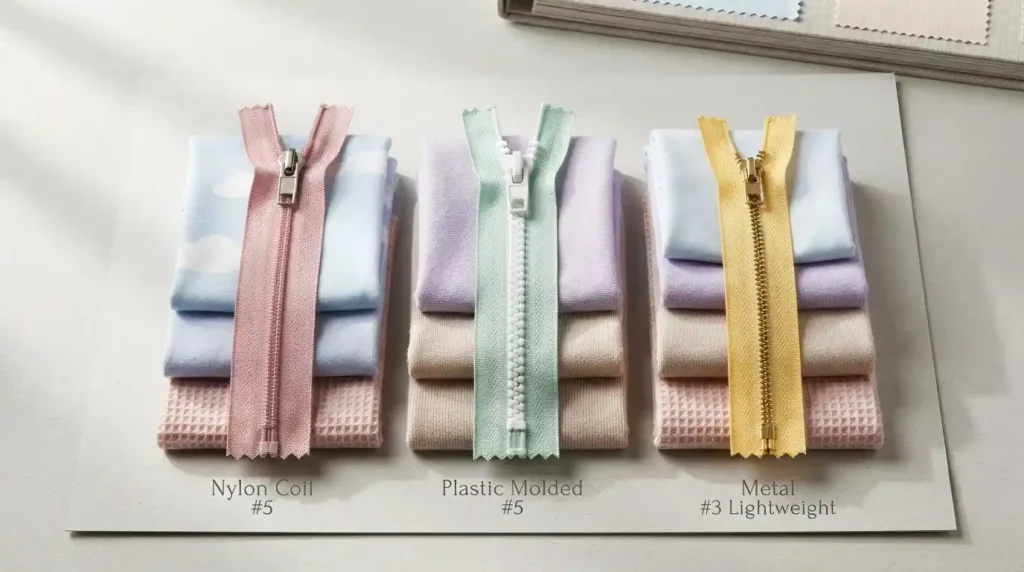
Choosing the Right Zipper Size
The zipper size should match both the garment type and its intended use. An oversized zipper can add unnecessary weight to lightweight clothing, while a zipper that is too small may wear out more quickly on heavier garments.
| Garment Type | Recommended Zipper |
| Baby bodysuits | #3 Nylon Zipper |
| Baby pajamas | #3 Nylon Zipper |
| Children’s dresses | #3 Nylon or Invisible Zipper |
| Children’s hoodies | #5 Plastic Zipper |
| Children’s jackets | #5 Plastic or Lightweight Metal Zipper |
Selecting an appropriate size helps balance appearance, comfort, and long-term durability.
Color Fastness
Children’s garments are washed more frequently than most adult clothing, so zipper tapes should maintain a consistent color after repeated laundering and everyday wear. Good color fastness helps the zipper continue to match the garment over time, reducing the risk of fading or visible color differences after washing.
Durability
A children’s garment zipper should continue to open and close smoothly after repeated use without sticking, separating, or showing excessive wear.
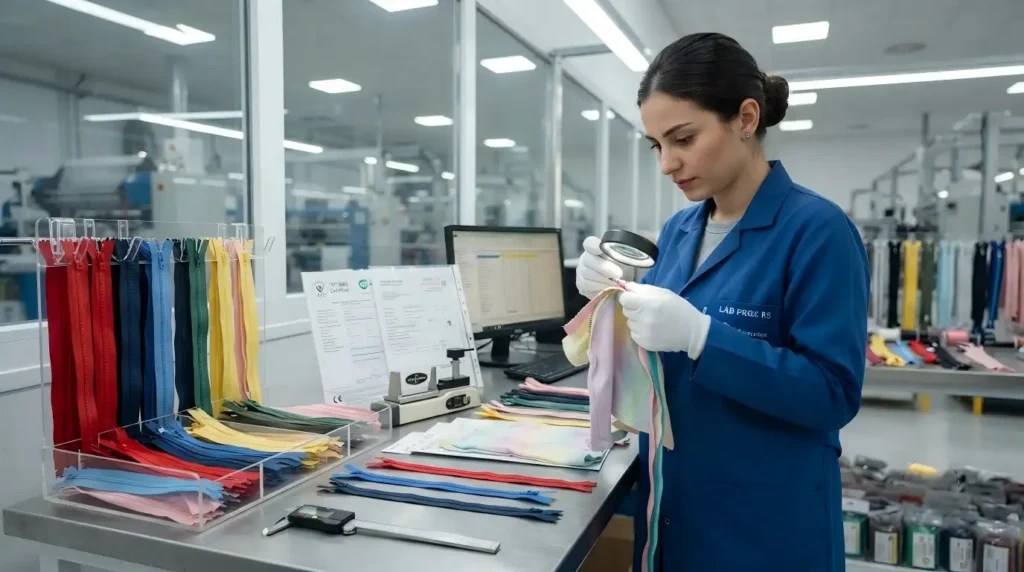
During quality evaluation, manufacturers often assess zipper performance through tests such as operating cycles, pull strength, and slider retention. Verifying these characteristics before production helps reduce quality problems and supports more consistent product performance.
Safety Standards by Market
Children’s apparel is often distributed across multiple countries, and zipper requirements vary from one market to another. Understanding the applicable standards early in product development helps reduce compliance risks, avoid unnecessary testing, and streamline market entry.
European Union
The European Union primarily regulates zipper safety through REACH, which restricts hazardous substances used in apparel accessories. For metal zippers with prolonged skin contact, REACH Annex XVII limits nickel release. Many European brands also require OEKO-TEX® STANDARD 100 certified accessories as part of their sourcing specifications.
United States
In the United States, children’s apparel must comply with the Consumer Product Safety Improvement Act (CPSIA), which establishes limits for lead and other regulated substances in children’s products. Buyers often request compliance documentation from zipper suppliers to support product certification.
China
China’s GB 31701 – Safety Technical Code for Infants and Children’s Textile Products specifies safety requirements for children’s textiles, including chemical safety, product classification, and labeling. Garment manufacturers are responsible for compliance, but zipper suppliers should provide materials that meet the applicable standards.
For brands serving multiple international markets, selecting zippers that comply with widely recognized safety requirements from the outset can simplify sourcing, testing, and global product launches.
Practical Tips for Choosing Children’s Clothing Zippers
When sourcing zippers for baby and children’s apparel, a few practical checks can help reduce quality risks and ensure the finished garment meets both safety and market requirements.
1. Define the Target Age Group
Start by identifying the intended age group for the garment. For infant clothing (0–36 months), nickel-free metal zippers or plastic zippers with rounded pullers are generally preferred to improve safety and comfort. For older children’s apparel, zipper selection should be based on the garment’s construction, durability requirements, and intended use.
2. Request Compliance Documents
Ask suppliers to provide the certifications and test reports required for your target market. Common documents include:
- OEKO-TEX® STANDARD 100 certification
- Nickel release test reports
- Heavy metal test reports
- Other applicable chemical compliance documentation
3. Inspect Samples Carefully
Before approving production samples, check that:
- The puller has smooth, rounded edges.
- Metal parts are free from burrs or sharp edges.
- The zipper opens and closes smoothly without sticking.
- The zipper tape is securely attached and matches the garment.
Identifying small issues at the sampling stage is far easier than making corrections during production.
4. Match the Zipper to the Garment
Different garments require different zipper constructions. Soft nylon zippers are commonly used for baby bodysuits, rompers, and sleepwear because they are lightweight and flexible. Hoodies and jackets usually benefit from stronger plastic or lightweight metal zippers that offer greater durability while maintaining a comfortable weight.
5. Consider Customization Requirements
Many children’s clothing brands customize zipper pullers, colors, logos, or finishes to strengthen product identity. When developing custom designs, make sure decorative elements remain securely attached and continue to meet the safety and chemical compliance requirements of the destination market.
Why Choose Luxzipper for Children’s Clothing Zippers?
Selecting the right zipper supplier is just as important as choosing the right zipper. For children’s apparel, manufacturers need products that meet safety requirements, deliver consistent quality, and perform reliably throughout production.
Luxzipper works with apparel brands, garment manufacturers, and OEM customers worldwide, supplying zipper solutions for a wide range of baby and children’s clothing applications. Our product range includes:
- Nylon, plastic, and metal zippers for different garment types
- Nickel-free and low-nickel finishes for selected metal zippers
- OEKO-TEX® STANDARD 100 certified zipper solutions
- Rounded pullers designed for children’s apparel
- Custom colors, branded pullers, logo engraving, and OEM & ODM services
- Third-party testing support upon request
- Stable production capacity with global export experience
Whether you’re producing baby bodysuits, rompers, school uniforms, hoodies, jackets, or children’s fashion, Luxzipper can help you source zipper solutions that combine safety, durability, and consistent quality.
Explore our Nylon Zippers, Plastic Zippers, Metal Zippers, and Custom Zipper Pullers to find the right solution for your next children’s apparel project.