
Color Customization in Zipper Design: How it Works and Key Trends
Color customization is now a key part of modern zipper design. In the past, people chose zippers mainly for how long they last and how well they work. Now, zippers also shape the look of many items, like coats, handbags, shoes, travel bags, and other fabric goods. When zipper colors are customized, designers can match colors more easily, create clearer contrast, and make products feel more unique.
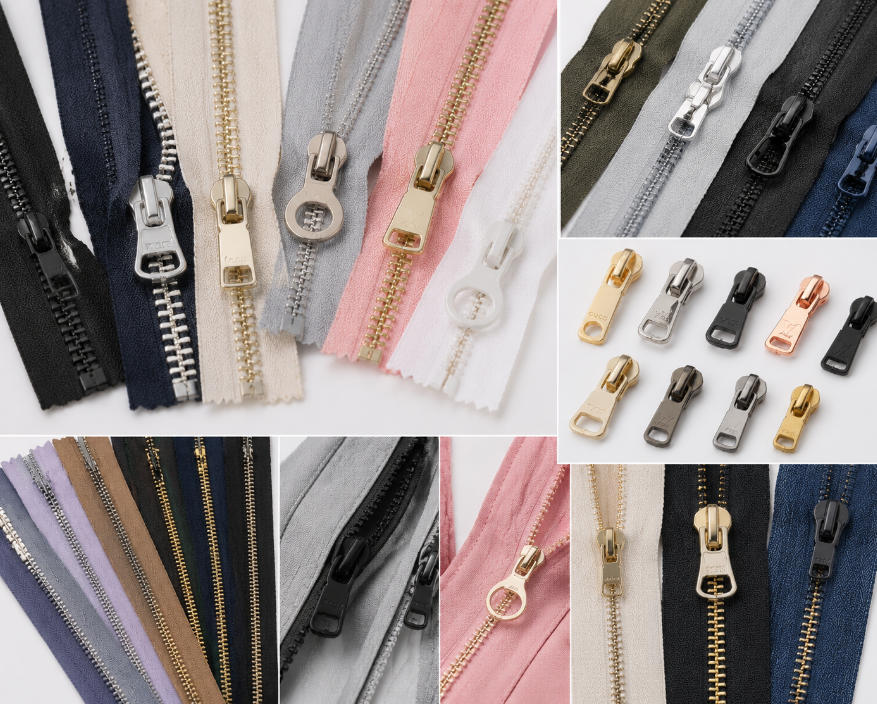
Table of Contents
Why Color Customization is Important in Zipper Design
A zipper shows up a lot once a product is finished. You can see it on jackets, handbags, backpacks, dresses, and other style pieces. The right color can let the zipper sit quietly next to the fabric, or it can pop and act as a design detail.
For zipper manufacturers, color customization help when they produce items for different brands and seasons. A supplier with many colors can handle custom needs and private-label work with less hassle.
How Color Customization Works for Zipper Design
The process involves several stages, from selecting a target color to producing samples and controlling color consistency during mass production.
1. Define the Color Requirements
First, the team decides the zipper color that is needed. Designers might use a set standard shade, share a small fabric piece, or send a digital color reference.
This color goal can cover more than one part. It can be for the tape, the teeth, the slider, the pull tab, and other parts that customers notice. When the parts are named clearly, the manufacturer can plan the right method for each one.
2. Select the Zipper Material
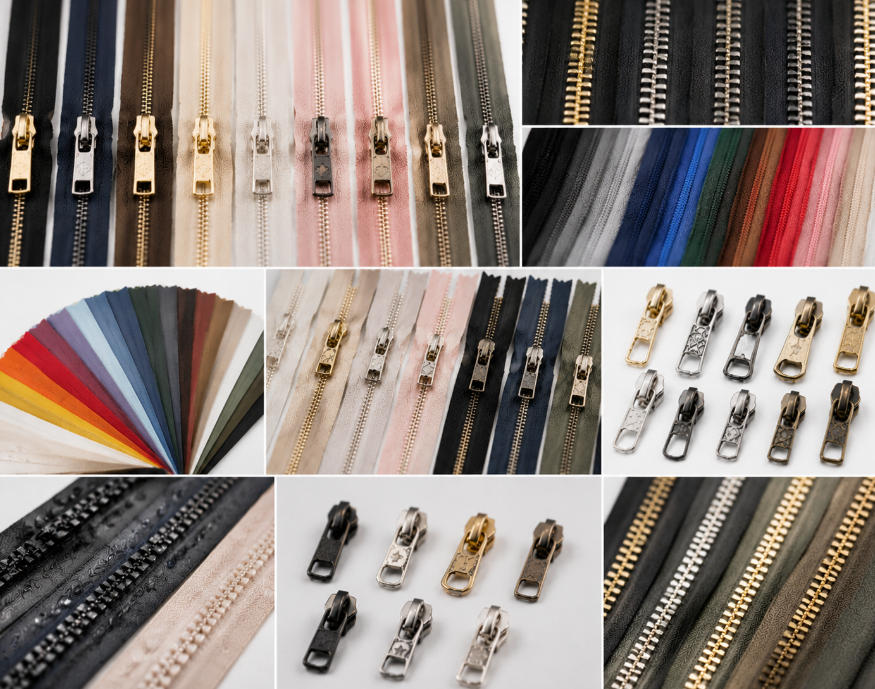
The zipper material changes what color options are practical. Nylon coil, plastic, and metal zippers each use their own coloring and finishing methods.
For instance, zipper tape can often be dyed to reach a chosen shade. Plastic teeth usually get colored by the base material or by specific surface steps. Metal parts tend to rely more on plating, coating, polishing, or similar finishing work.
3. Develop the Color
Once the target shade is set, the maker works out the best color mix or finishing method. For dyed zipper tape, the dye has to land on the right tone while still keeping the tape strong and usable.
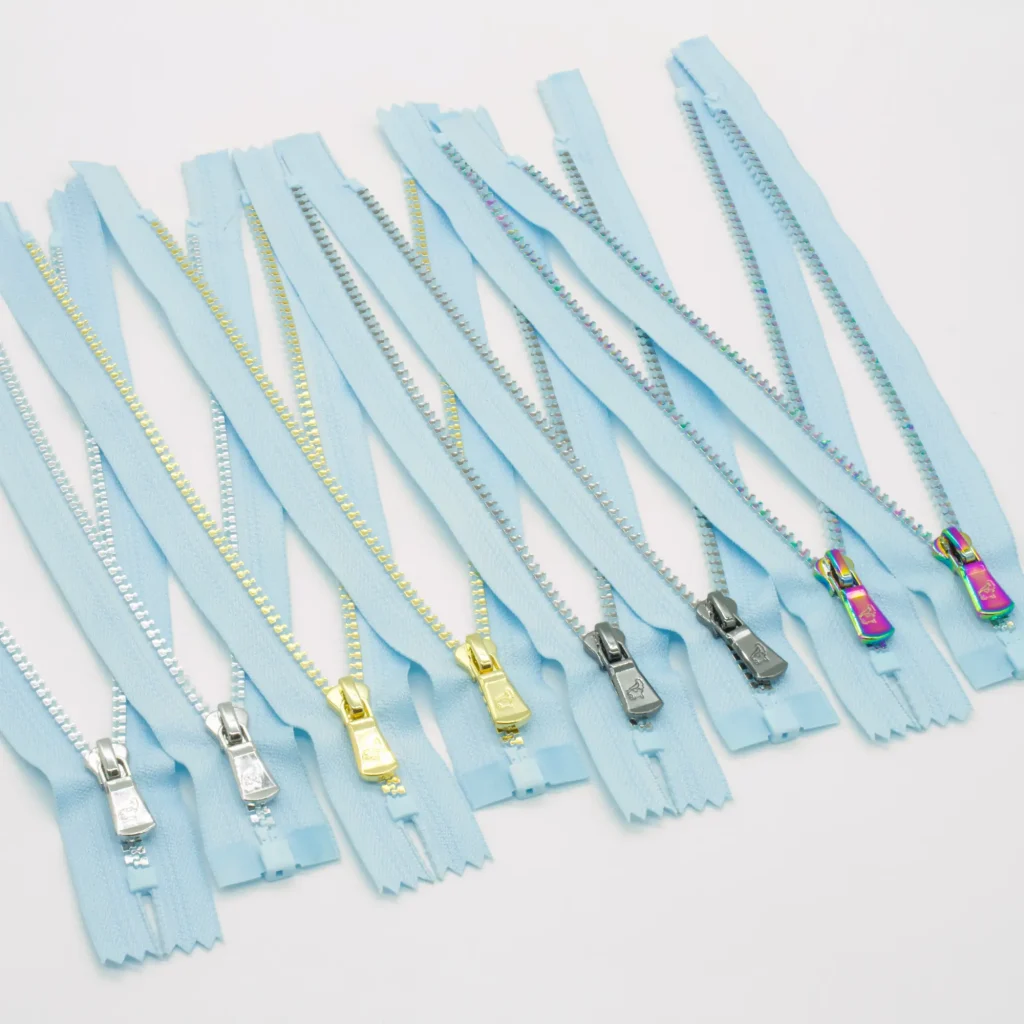
For plastic parts, colorants may be built into the material during making. Metal parts can use different finishes to reach shades like silver, gold, gunmetal, or antique brass.
4. Produce a Color Sample
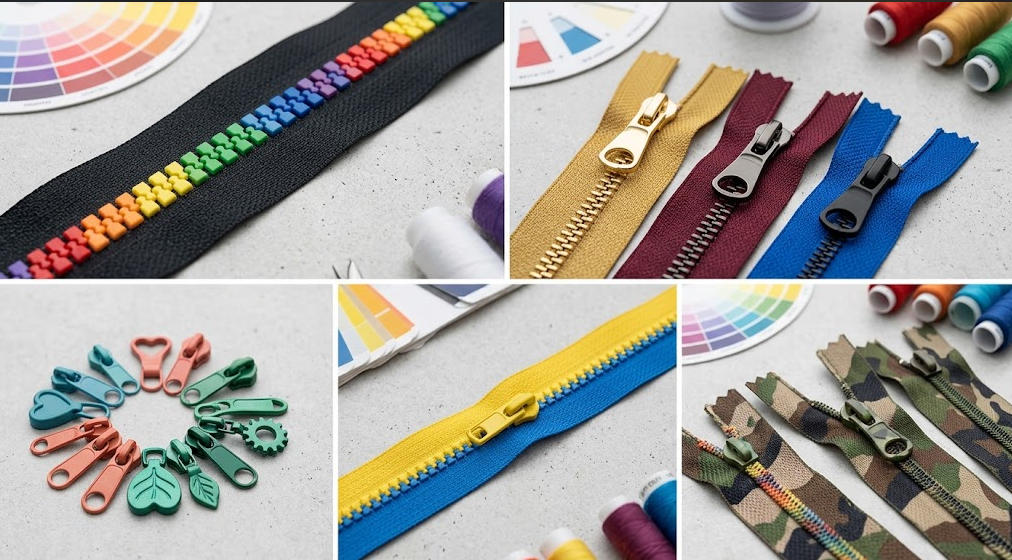
Before larger production begin, a sample is usually made for review. This lets the designer or the buyer see if the zipper color looks like the plan, before everything goes into bulk production.
Color matching matters most when the zipper has to work with one specific fabric. Even small differences can change the final look. The material itself, the surface texture, the lighting during viewing, and the way the parts are finished can all shift the color.
5. Confirm the Color and Design
After the sample check, the chosen shade moves to the production plan. If the color does not fit, the supplier can change the mix or the finishing steps. Then they make a new sample to review again.
This step lowers the chance of making many zippers in the wrong color.
6. Apply the Color During Production
Once approval is done, the set color is added in the main manufacturing steps. The method depends on the zipper type. It can include dyeing fabric parts, coloring plastic, printing patterns, applying coating, plating, or using other finishing work.
Choose the process based on the zipper material and the look that is needed.
7. Control Color Consistency
Color customization requires strict zipper quality control. A zipper color that looks correct on a sample must remain consistent during mass production.
Factors such as dyeing conditions, the raw inputs, the finishing steps, and the production batch can shift the final color. That is why zipper manufacturers should use clear matching and inspection checks to limit mismatches between samples and large orders.
8. Inspect the Finished Zipper
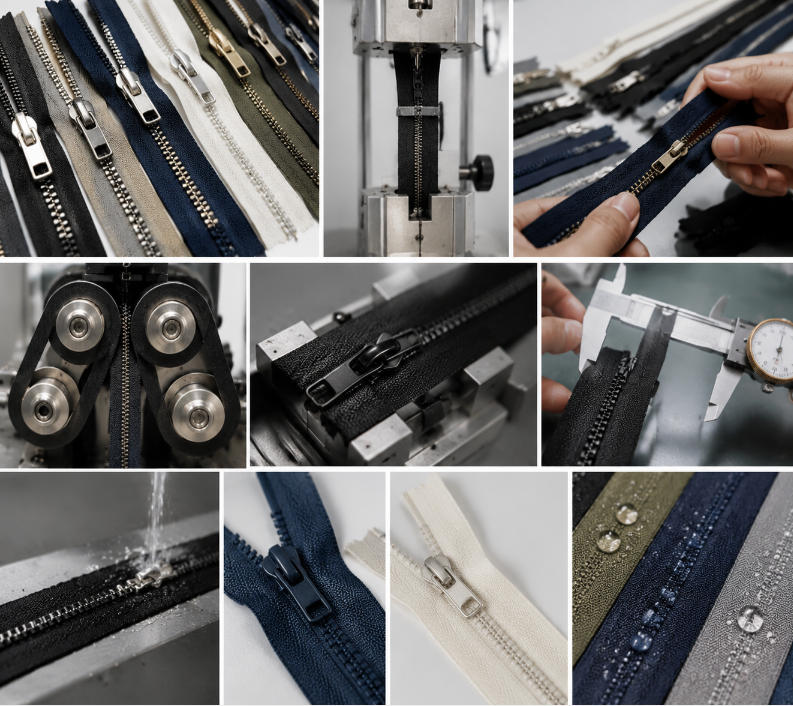
Color inspection usually come with other quality reviews. The maker can look at the zipper for even color, the surface look, tooth line up, how the slider runs, tape quality, and the overall build.
A made-to-order zipper should keep both the right appearance and the needed function for the final item.
9. Match the Zipper with the Finished Product
The final step is to evaluate the customized zipper together with the actual fabric or product. A color that appears accurate on an individual zipper may look different when placed beside another material.
When designers test the zipper on the final product, they can confirm the full color pairing gives the intended visual result.
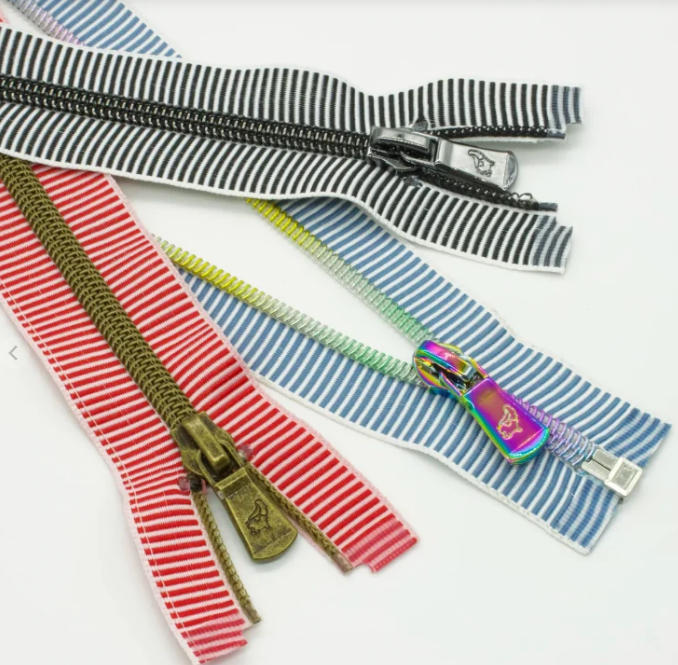
Color Customization for Different Zipper Types
Different zipper constructions provide different opportunities for color customization.
| Zipper Type | Common Color Customization Options | Suitable Applications | Design Benefits |
| Nylon Coil Zipper | Custom tape colors, matching or contrasting colors | Jackets, bags, sportswear, backpacks | Lightweight appearance and flexible color matching |
| Plastic Zipper | Colored teeth, tape, sliders, and pullers | Children’s clothing, bags, outdoor products | Creates bold, modern, and playful designs |
| Metal Zipper | Gold, silver, gunmetal, antique brass, custom tape colors | Jeans, leather jackets, handbags, fashion accessories | Provides a premium and distinctive appearance |
| Invisible Zipper | Custom tape colors that closely match fabric | Dresses, skirts, cushions, home textiles | Creates a discreet and seamless appearance |
| Waterproof Zipper | Customized tape and coating colors | Outdoor clothing, waterproof bags, sports equipment | Combines functional protection with coordinated design |
| Reverse Zipper | Custom tape, teeth, and slider combinations | Sportswear, fashion garments, backpacks | Offers a clean and contemporary visual effect |
| Coil Zipper | Wide range of tape colors and decorative combinations | Apparel, luggage, footwear, bags | Supports versatile designs and precise fabric matching |
Color customization allows designers to choose between seamless color matching, eye-catching contrast, or branded color schemes according to the requirements of each product.
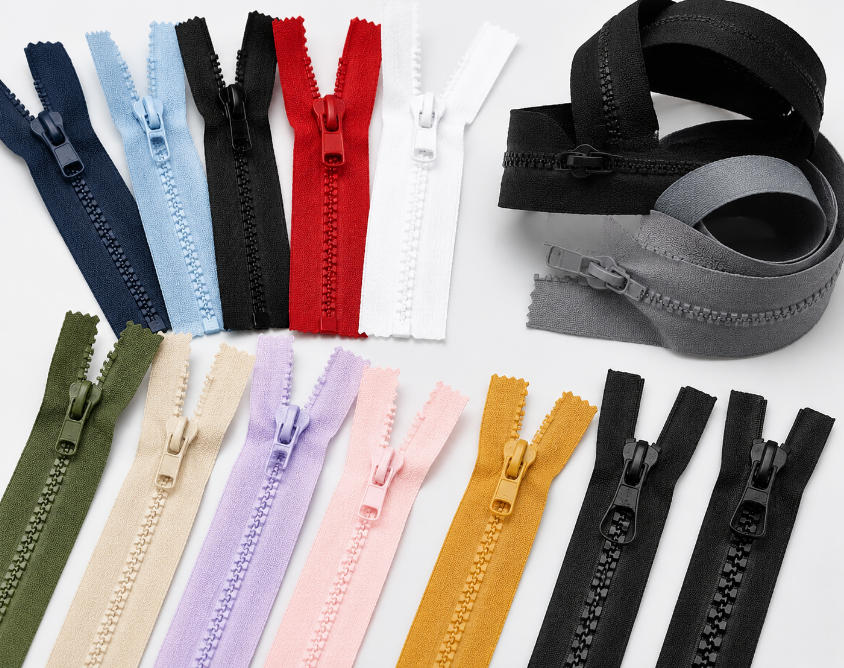
Color Customization Trends in Zipper Design
1. Matching Zipper Colors with Fabrics
One of the most common trends is to match zipper colors with the main fabric. This can help create a neat, blended look. You see this often on jackets, trousers, dresses, backpacks, and other fashion items. Makers can adjust zipper tape, teeth, and other visible parts so they fit different fabric colors and textures.
2. Contrast Colors for a Stronger Visual Effect
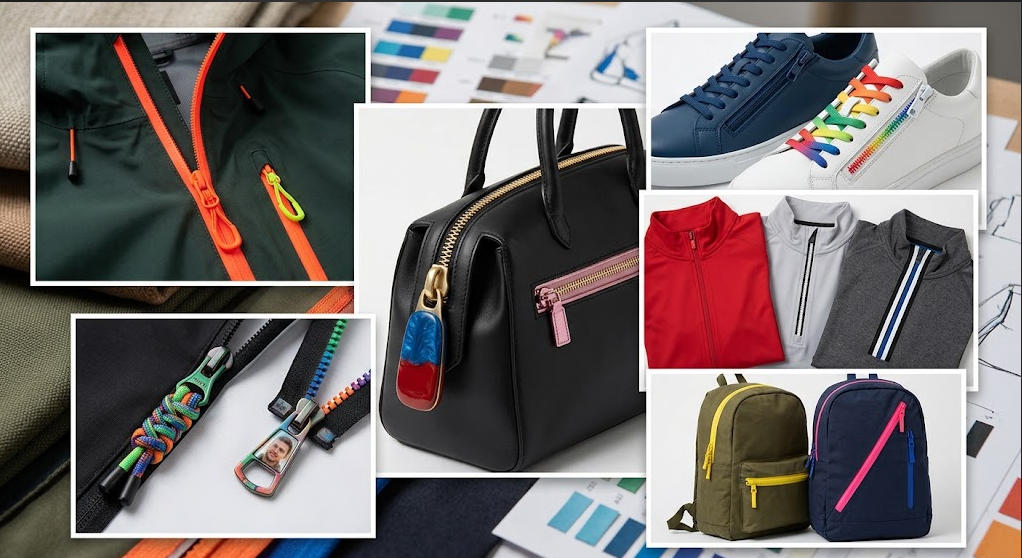
Another popular approach is using contrast zipper colors. A bright zipper next to a plain or neutral fabric can stand out right away. For instance, black, white, metallic, or bold colored zippers can add a clear contrast to clothing and bags.
This option works well for sports outfits, everyday street styles, kids’ items, and clothing lines that need a lively look.
3. Brand-Specific Color Customization
More brands are choosing zipper colors that match their identity. A zipper can be made in a brand’s own color. This keeps the look steady across clothing, bags, shoes, wrap and inserts, and other branded add-ons or promo items.
For manufacturers and private-label companies, custom zipper colors can support the brand plan. It is not only a decoration choice.
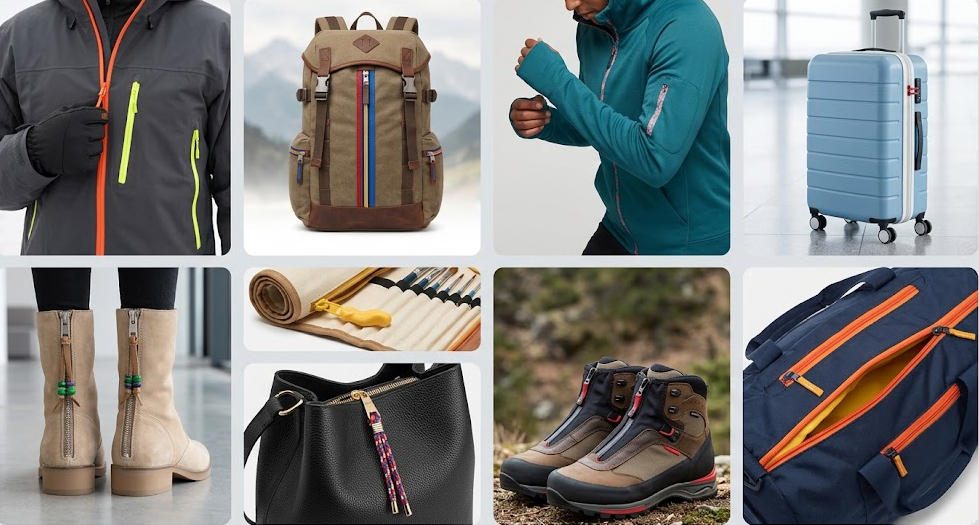
4. Popularity of Metallic and Special-Effect Colors
Metallic color styles stay popular because they look high-end. Gold, silver, gunmetal, antique brass, and similar shades show up often on metal zippers and fashion accessories.
Manufacturers are also trying other surface looks. These special finishes can give a more noticeable visual effect. They can help upscale items get attention, while the zipper still works well in daily use.
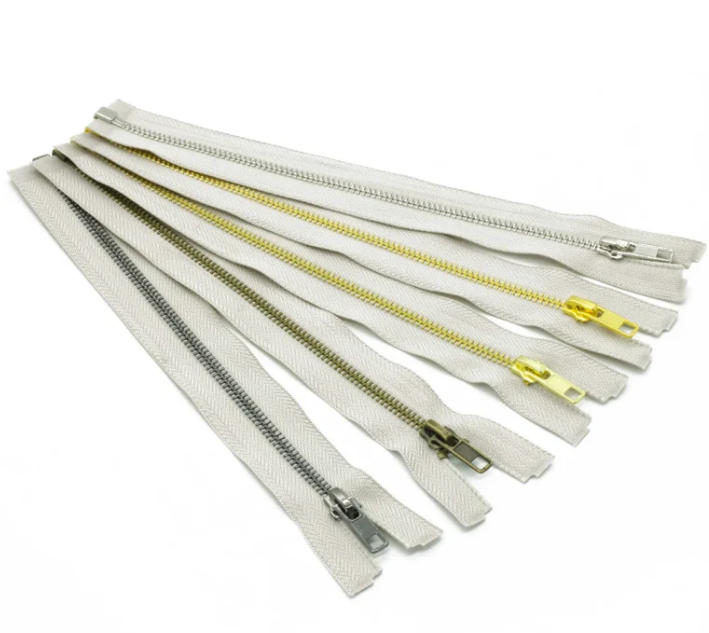
5. Personalized Colors for Small-Batch Production
Custom colors are not only for big fashion houses anymore. New zipper production methods make it easier for smaller brands and businesses to order custom colors for niche collections.
Smaller-run color work helps independent designers, custom apparel makers, promo teams, and limited releases. It lets these businesses make products that feel less like standard stock. They do not have to rely on common zipper shades only.
6. Seasonal and Fashion-Driven Color Trends
Zipper colors are now tied to general style trends. Spring and fall palettes can push demand for soft pastels, natural earth tones, bright neons, muted neutrals, or bold saturated colors.
So fashion makers may pick zipper colors for a coming line. They may skip the idea of only using fixed standard colors. Flexible options also help teams adjust faster when customer tastes change.
7. Customizing Different Zipper Components
Color customization can involve more than the zipper tape. Depending on the zipper type and manufacturing process, brands may customize the tape, teeth, slider, puller, and other visible components.
Coordinating several components can create a more unified appearance. Alternatively, designers can intentionally combine different colors to create a distinctive design effect.
8. Eco-Friendly and Sustainable Color Development
Sustainability is affecting how zipper colors are developed. Suppliers are focusing more on dye steps, material choices, production efficiency, and how much harm the process may cause.
If a brand is aiming for greener fashion, zipper partners may need to offer color customization. At the same time, they must meet goals for safer materials, less waste, and steady color results.
9. Digital Color Matching
Digital tools are improving how color is set and checked. Designers can share color references on screen. Makers can also use matching tools to produce zipper parts that fit the target look.
Getting the color right matters a lot. This is true when zippers must match certain fabrics or meet brand colors. When control is stronger, it can lower the chances of differences between early samples and later bulk runs.
Final Thoughts
Color customization allows zippers to do more than connect two pieces of material. A zipper can match fabrics. It can also draw attention to design features. It may strengthen brand recognition too. In the end, it helps the finished products look more put together.