
Why Do Wetsuits Have Zippers Up the Back?
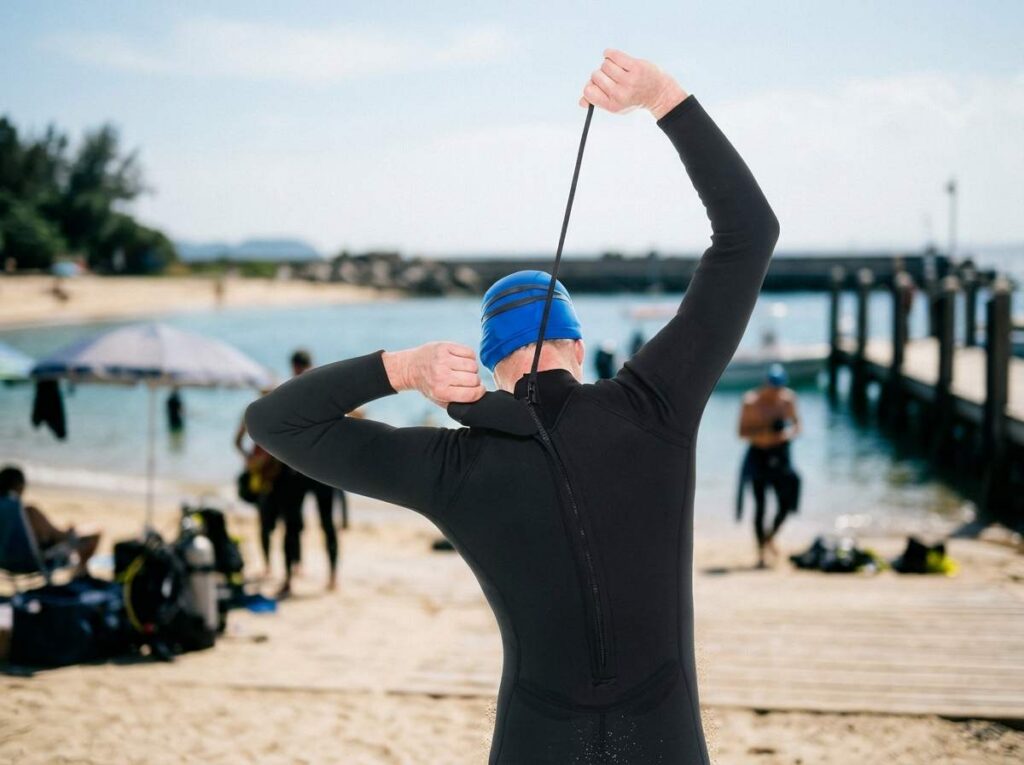
Have you ever wondered why so many wetsuits have a zipper running down the back when reaching it can be such a struggle? It might seem like an odd design choice, especially when you have to twist your arm around just to pull it closed.
After all, wouldn’t a zipper at the front be easier to reach? Surprisingly, there are a few practical reasons why wetsuit manufacturers still put zippers on the back. To understand why, it helps to look at how a wetsuit fits and moves with your body.

Table of Contents
The Zippper On The Back Of The Wetsuit
The main reason comes down to how a wetsuit fits and moves with your body. The zipper is one of the places where water can get into the suit, so putting it on the back leaves more room for stretchy neoprene across the chest and shoulders. These areas move a lot when you paddle, reach forward, or turn your upper body. With fewer zippers and interruptions across the front, you can move more freely and feel less restricted.
Another reason is that back-zip wetsuits are generally easier to put on. You simply step into the suit, pull it up, and use the long opening at the back to get your shoulders and upper body in. This is especially helpful when the wetsuit fits tightly.
Of course, there is one drawback. Once the suit is on, reaching behind your back to pull the zipper all the way up can be tricky. Still, this design has remained popular because it makes getting into a tight wetsuit much easier.
Then Why Doesn’t the Zipper Go in Front?
At first, a front zipper seems like the better choice. You can see it, reach it easily, and zip up your wetsuit without needing help or struggling with a cord behind your back. This can be especially convenient when you’re getting ready alone or putting on your wetsuit in cold weather.
But putting a zipper at the front isn’t as simple as it sounds. The chest and shoulder areas need to stretch as you paddle, reach forward, and move your arms. A zipper running across the front can make these movements feel more restricted. It also takes extra work to keep water from getting in, which makes the design more complicated.
Front-entry designs are available too, but they often use a different zipper layout to balance easy entry, flexibility, and a good fit.
Is a Back Zip Easier or Harder to Put On?
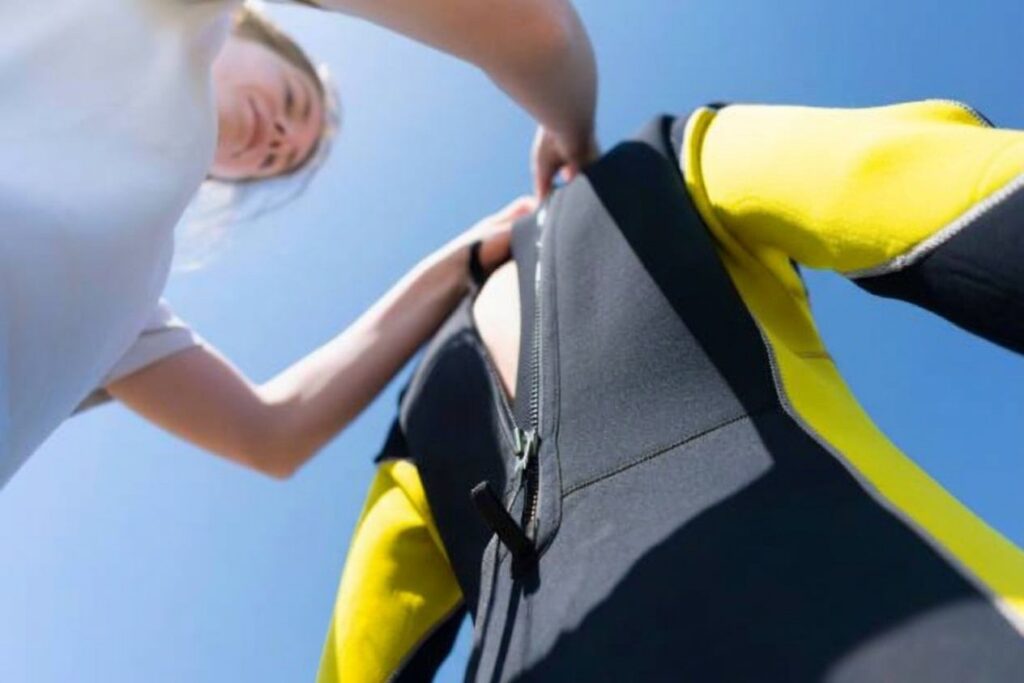
A back-zip wetsuit is usually easier to get into, but zipping it up can be another story. The long opening at the back gives you more room to step in and pull the suit over your shoulders, even when it fits snugly.
The tricky part comes once the suit is on. Reaching behind your back to find the zipper pull and pull it all the way up can be difficult, especially if your hands are cold or wet. It can be even harder if you have trouble moving your shoulders or reaching behind you.
This can be frustrating when you’re getting ready on your own. Older surfers and people with limited flexibility may find it particularly inconvenient. That’s one reason other wetsuit entry designs have become popular. Once the zipper is closed, however, a back-zip wetsuit is generally comfortable to wear.
So Why Are There Front-Zip Wetsuits at All?
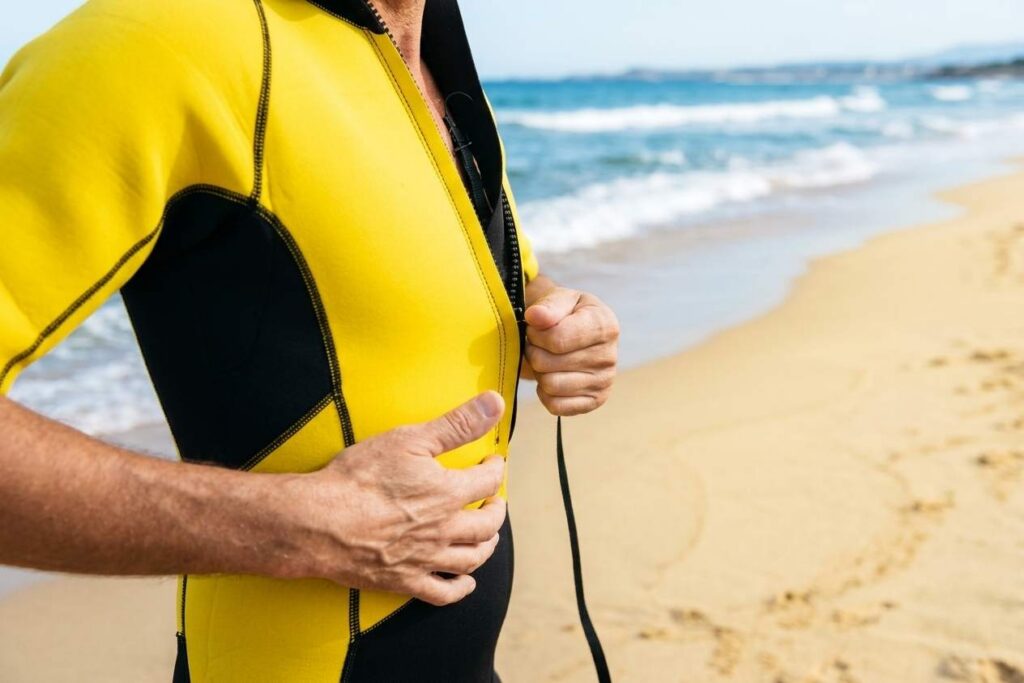
Many front-zip wetsuits sold for surfing are actually chest-zip models. Instead of a long zipper running down the front, they have a short zipper across the upper chest, either straight or at an angle. To put one on, you pull the suit over your legs and body, slip your head through the neck opening, and then close the zipper at the front.
With no long zipper running down the back, your shoulders have more room to move when paddling. Chest-zip wetsuits also tend to let in less water than back-zip models, especially when you duck-dive under waves. This helps keep cold water from getting inside and makes it easier to stay warm.
However, the opening is smaller, so getting in and out of the suit can take a little more effort. The zipper is easier to reach, but putting the suit on is not always as simple.
Some brands also offer U-shaped entry designs, which create a wider opening and make the suit easier to put on. The exact design varies between brands, so it’s worth checking how each model opens and closes.
It’s also important not to confuse a chest-zip surfing wetsuit with a full-length front-zip suit used for some diving or warm-water activities. Although both have zippers at the front, their designs are different and suit different needs.
How to Choose?
For Common Wetsuit Buyers: The right wetsuit depends on how you plan to use it, how often you’ll wear it, and what matters most to you when putting it on and taking it off.
| Your situation | Good place to start | Why |
| Casual use, beginners, or a tighter budget | Back zip | Easy to put on, with plenty of affordable options |
| Limited shoulder movement | Back zip or a design with a wider opening | Check which style is easier for you to put on and take off |
| Often getting changed on your own | Compare back zip, chest zip, and U-shaped entry designs | The easiest option depends on your body shape and the suit’s opening |
| Frequent surfing or colder water | Chest zip | Usually keeps more water out and allows greater freedom of movement when paddling |
| Scuba diving | Back zip or a front-zip design made for diving | Consider warmth, water protection, and how easy the suit is to remove |
For wetsuit manufacturers, however, back zippers tend to offer greater market reach, while chest zippers provide more room for product differentiation and price premiums. The right combination depends on your customers and the type of wetsuits you want to bring to market.
Looking for reliable zipper solutions for your wetsuit collection?
Contact us to discuss your product requirements and find the right zipper options for your designs.