
How to Improve the Durability of Nylon Zippers
Nylon zippers show up a lot in clothing, bags, shoes, and home textiles. They bend well, weigh little, resist rust, and are priced in a way many manufacturers can manage. Still, people want them to last, mainly when items get used every day or face rough conditions. If zipper manufacturers select good inputs, tighten up how they produce zippers, and then use sensible care, nylon zippers can keep working longer.
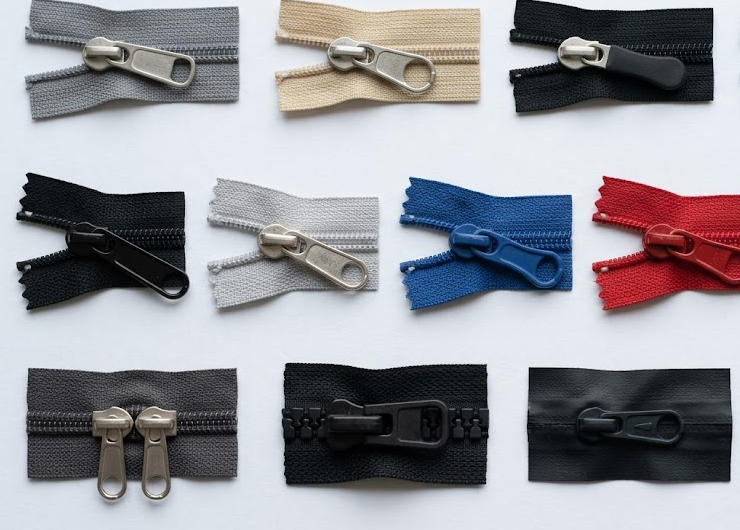
Key Factors Affecting the Durability of Nylon Zippers
Durability of nylon zippers is influenced by multiple factors, including material quality, manufacturing precision, product design, installation methods,etc.
| Factor | Impact on Durability |
| Nylon Material Quality | Determines the strength, flexibility, and wear resistance of the zipper coil. |
| Zipper Tape Strength | Affects resistance to tearing, stretching, and deformation. |
| Coil Construction | Influences tooth engagement, flexibility, and resistance to repeated use. |
| Slider Quality | Directly affects operating smoothness and resistance to mechanical wear. |
| Manufacturing Precision | Prevents misalignment, jamming, and uneven stress. |
| Zipper Size | Determines the zipper’s ability to withstand the load of the application. |
| End Stop Strength | Prevents slider separation and protects the zipper ends from excessive stress. |
| Surface Treatment | Improves resistance to moisture, UV exposure, dirt, and corrosion of applicable components. |
| Sewing and Installation | Poor installation can create excessive tension and misalignment. |
| Operating Conditions | Heat, humidity, dirt, chemicals, and frequent use can accelerate wear. |
| Maintenance | Regular cleaning and appropriate lubrication can reduce friction and premature wear. |
| Quality Testing | Identifies weaknesses before the zipper is used in finished products. |
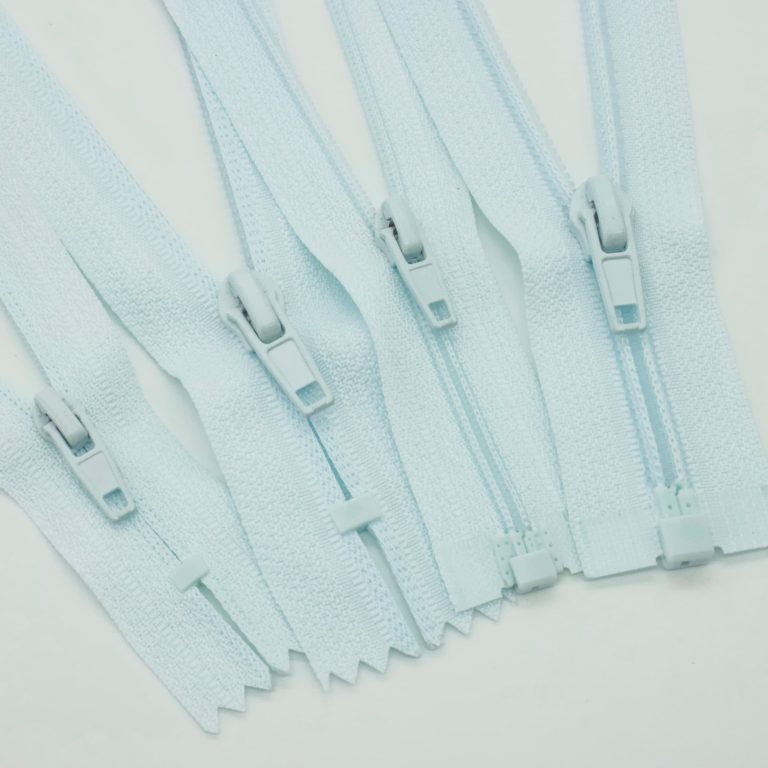
Effective Strategies for Improving the the Durability of Nylon Zippers
1. Select High-Quality Nylon Materials
A nylon zipper depends on what goes into it. A higher-grade nylon monofilament can hold up better under strain. It also tends to flex more and withstand rubbing. If the nylon batch is steady and processed right, the coil is less likely to warp or snap after many cycles.
The tape matters too. It carries the coil and spreads pulling force onto the fabric or material around it. When the tape is woven tightly and is solid, it is less prone to stretch, fray, or rip. Using good materials for both coil and tape gives a steadier base for long-term use.
2. Improve Zipper Coil Manufacturing
How the nylon coil is constructed shows in how long it lasts. In the shop, the coil should keep the same size and spacing. That helps the slider lock in the right way. If coils form unevenly, friction can rise. That adds extra stress when the zipper runs.
Careful production also helps the coil stay put on the tape. It should not drift or shift after repeated opening and closing. Tight control in manufacturing can cut down issues like deformation, poor alignment, and early wear.
3. Choose a Durable Slider
The zipper slider takes a lot of stress. Each open and close cycle makes it travel along the coil and push force into the zipper body. If the slider is made loosely or imprecisely, it can raise drag, stick, or even harm the coil.
A slider with correct fit and the right surface finish can run smoother. That also helps limit unwanted wear. For luggage, backpacks, and outdoor gear, a tougher slider design can add extra life.
4. Strengthen the Zipper Tape
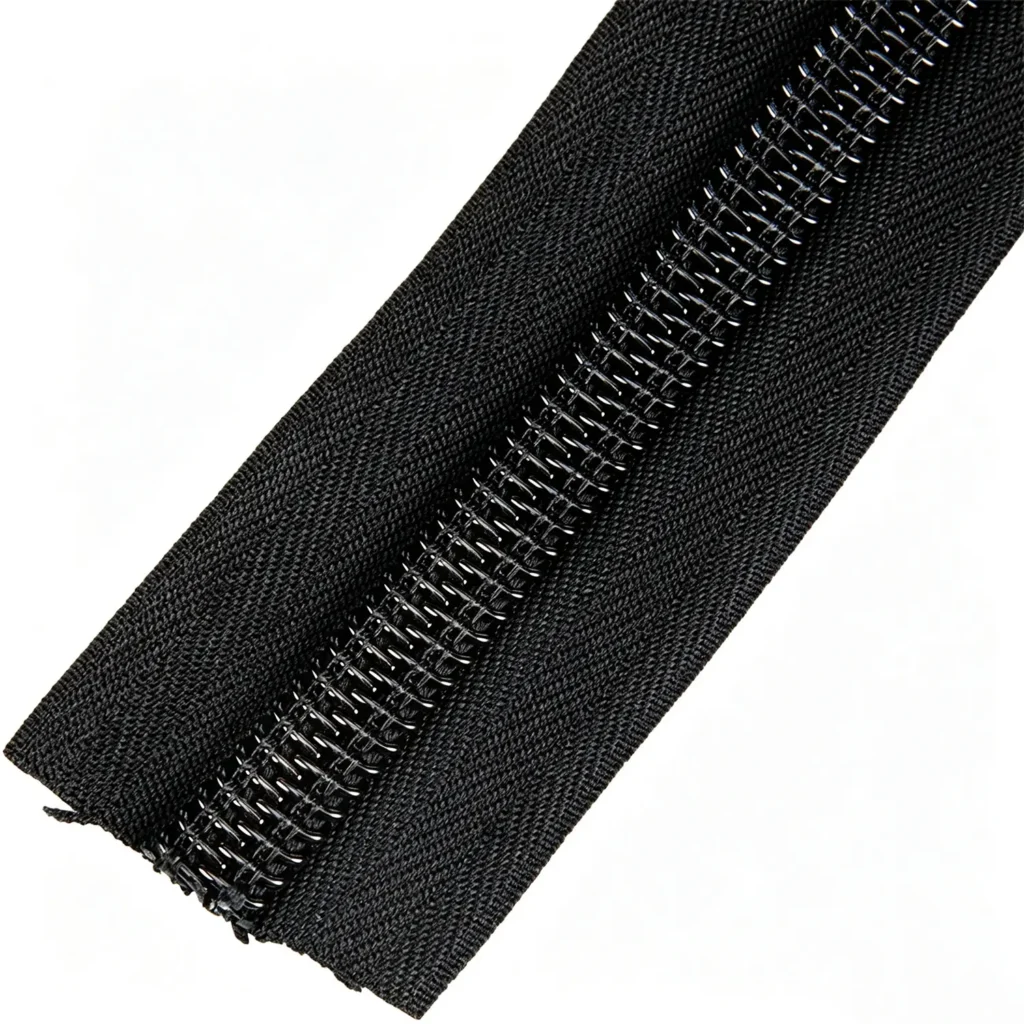
A strong zipper tape keeps the coil lined up. It also supports the zipper structure as a whole. If the tape stretches too much or gets damaged, the coil may not sit where the slider expects it to be. Then jamming becomes more likely, and separation can happen sooner.
Manufacturers can make tape last longer by using dense woven fabric and the right finishing. The tape also needs to fit what the product will do. Light clothing usually calls for a tape that feels soft and bends easily. Bags and outdoor items often need a tougher tape. That tougher tape should handle stronger pulling.
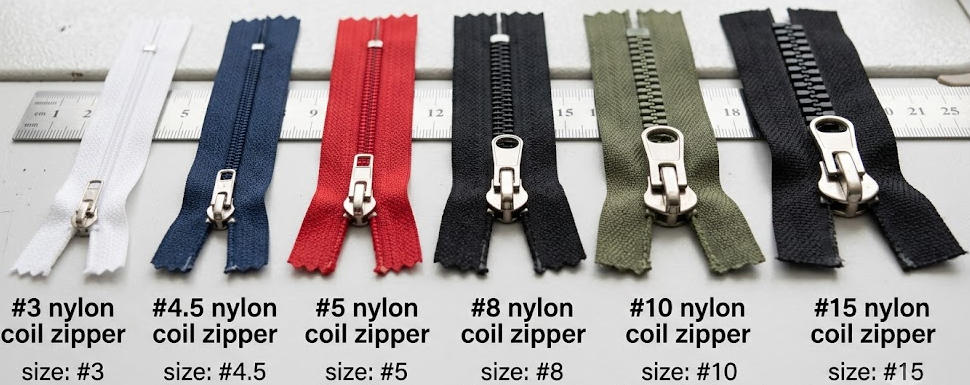
5. Use Appropriate Zipper Size
Zipper size affects how long it stays reliable. If the zipper is too small for the load, stress builds fast. If the zipper is larger than needed, it can add bulk and limit movement.
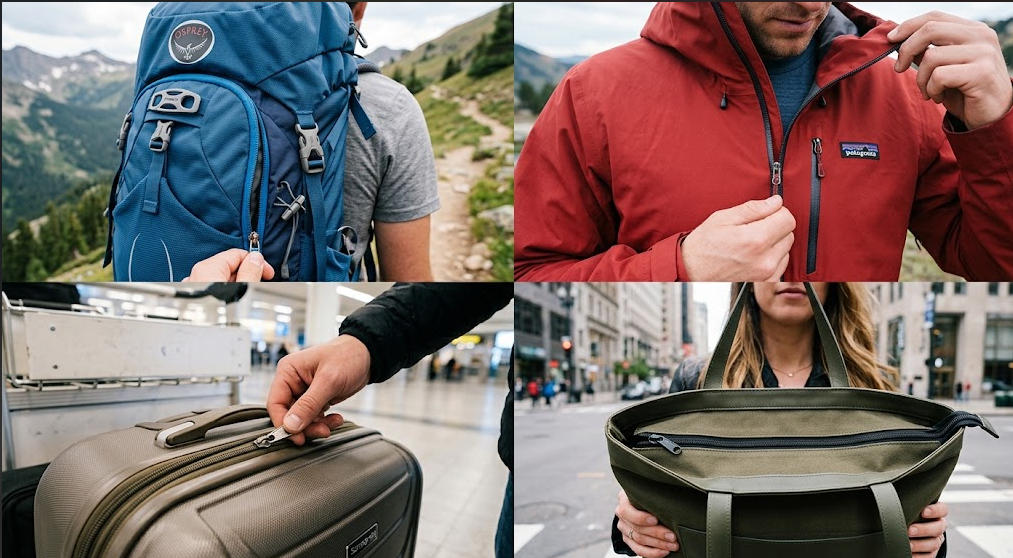
Many light garments use smaller nylon zippers. Backpacks, luggage, and outdoor gear tend to use larger, sturdier zipper parts. Match the zipper size to the expected load and how often the product gets opened and closed.
6. Improve End Stop Construction
The top and bottom areas of a zipper take a lot of wear. End stops keep the slider from going past the zipper track. Because of this, end stop strength matters.
When end stops are fixed well, the slider is less likely to slip off the track. That helps lower the chance of damage from hard pulling. For items that see frequent or heavy use, reinforced end construction offers extra protection.
7. Maintain Accurate Installation
Proper installation is key for nylon zipper performance. Even a good zipper can wear out early if it is sewn too tight or put in with poor alignment.
During production, place the zipper where it belongs. Sew it in place without added twist or bending. The nearby fabric should also support the zipper. This is especially true in spots that take repeated pulls. When installed right, the slider moves with less strain and stress spreads more evenly across the zipper.
8. Perform Durability Testing
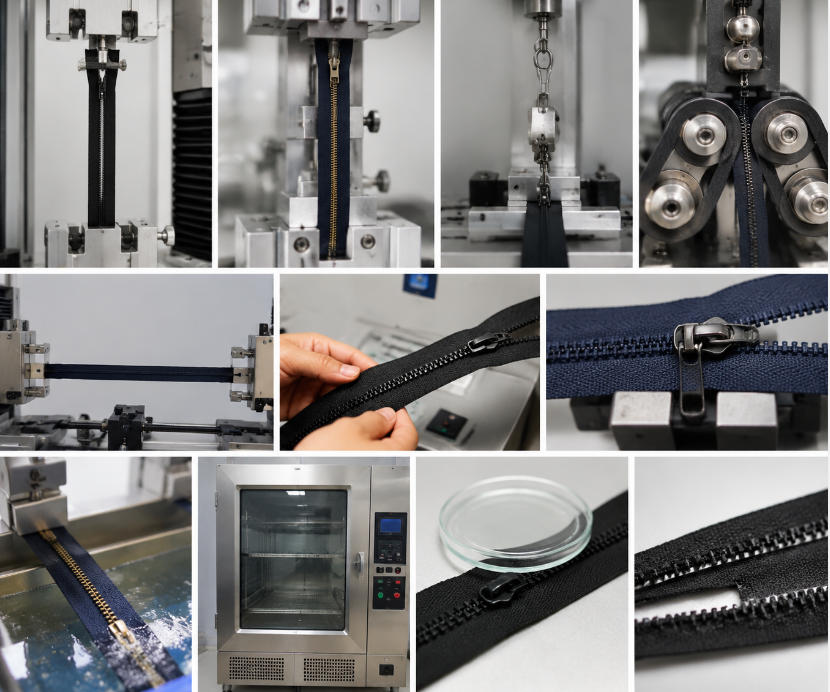
Testing helps spot weak points before a zipper goes into a finished item. Manufacturers can run repeated open and close checks. They can also test tensile strength, slider behavior, washing effects, and resistance to different conditions.
Pick the test plan based on the use case. A zipper for everyday clothing needs different targets than a zipper meant for luggage or outdoor equipment. Use checks that match the real conditions the zipper will face.
9. Improve Regular Maintenance
Routine care can help a nylon zipper last longer. Dirt, sand, fibers, and other debris can collect around the zipper coil. That buildup raises friction. Regular cleaning helps the slider move in a smooth way.
Don’t try to force the slider if it jams. If you keep pulling, you can end up hurting the coil or the slider. When you really need help, use a zipper lubricant made for this purpose. It can cut friction and let the zipper move more easily. For clothes and fabric items, close the zipper first before you wash them. That simple step can lower wear from handling and machine action.
10. Choose the Right Zipper for the Application
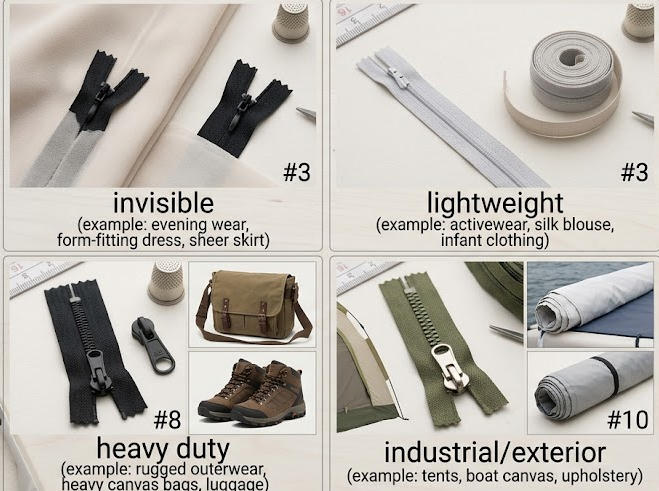
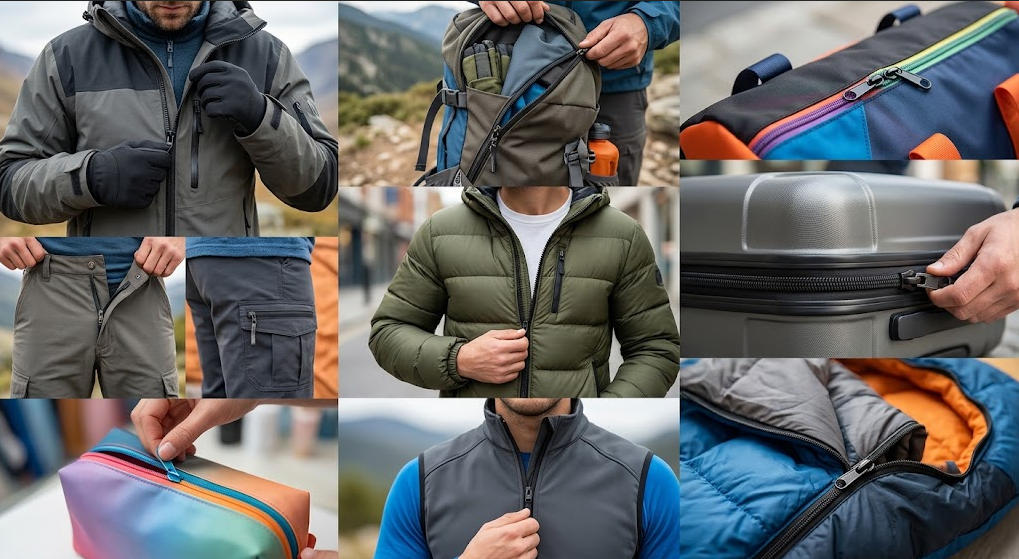
Not all nylon zippers are designed for the same purpose. Selecting the correct nylon zipper for specific application, ensures optimal performance.
| Application | Recommended Nylon Zipper Type | Typical Size | Important Features |
| Lightweight Clothing | Lightweight coil zipper | #3 | Flexible, lightweight, smooth operation |
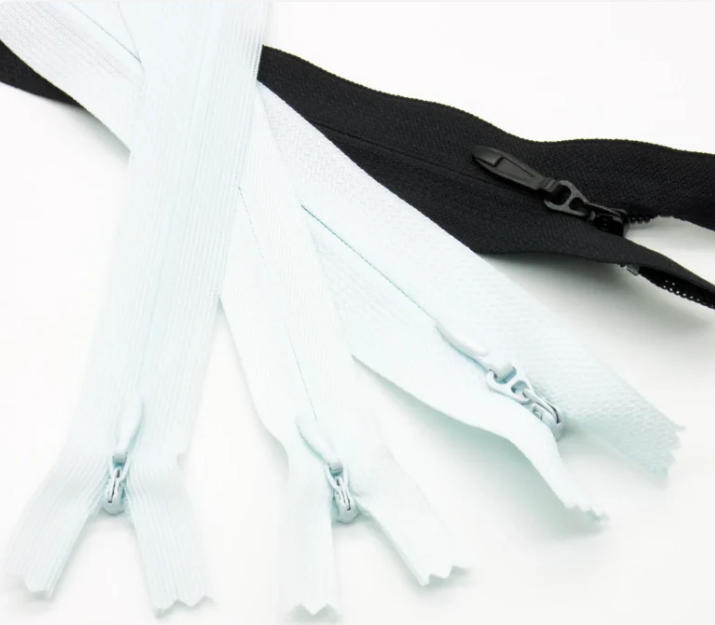
| Dresses & Skirts | Invisible nylon zipper | #3 | Discreet appearance, fine coil, soft tape |
| Jackets & Sportswear | Standard nylon coil zipper | #5 | Good strength, flexibility, and wear resistance |
| Backpacks | Heavy-duty nylon zipper | #5–#8 | Strong coil, durable tape, reliable slider |
| Handbags | Standard or reverse nylon zipper | #3–#5 | Smooth movement, attractive appearance, good abrasion resistance |
| Luggage & Travel Bags | Heavy-duty nylon zipper | #8–#10 | High tensile strength, reinforced tape, durable slider |
| Outdoor Equipment | Water-resistant nylon zipper | #5–#10 | Moisture resistance, strong construction, weather protection |
| Tents & Camping Gear | Heavy-duty nylon zipper | #5–#10 | Flexible, abrasion-resistant, suitable for repeated use |
| Footwear | Flexible nylon zipper | #3–#5 | Compact design, smooth operation, good flexibility |
| Home Textiles | Standard nylon zipper | #3–#5 | Easy operation, washable, cost-effective |
| Industrial Products | Reinforced heavy-duty nylon zipper | #8–#10 | High strength, excellent wear resistance, durable components |
Choosing the correct nylon zipper size, construction, and features for the intended application helps prevent premature wear and ensures reliable long-term performance.
Partner with an Experienced Zipper Manufacturer
A reputable zipper manufacturer combines premium materials, advanced production technology, rigorous quality control, and continuous innovation to produce durable, high-performance products. Working with a seasoned supplier helps keep results steady, allows custom work, and gives dependable technical help for many uses.
Luxzipper is an experienced zipper manufacturer that supplies dependable zipper options for different needs. The company stays focused on quality, clean production, and service that puts the customer first. Luxzipper offers nylon zippers, invisible zippers, waterproof zippers, and other zipper types made to fit orders. With strong production tools and strict inspection steps, Luxzipper tries to ship zippers that run smoothly and last, based on what each product needs. These products are used in clothing, bags, shoes, outdoor items, and other fields.
Summary
Improving the durability of nylon zippers requires attention to every stage of the product lifecycle. It starts with selecting the right material, then uses precise production. After that, good installation matters, and regular care also helps. High-quality components, reinforced construction, rigorous testing, and correct usage all support longer life. Nylon zippers that hold up well are used in clothes, luggage, outdoor gear, and also in work items. When zippers last, products are more dependable, fixes happen less often, and customers feel more satisfied. If manufacturers follow these steps, they can produce zippers that stay steady for a long time, and consumers can expect smooth use for years.