
How to Choose the Right Plastic Zipper for Your Product
Plastic zippers are widely used in clothes, bags, travel cases, packaging, outdoor gear, and factory items. People choose them because they bend well, do not rust, stay light, and cost less than some other options. Still, selecting the right plastic zipper means you need to look at materials, size, application requirements, and durability. When matched correctly, a suitable zipper can help the product work better and feel easier to use.
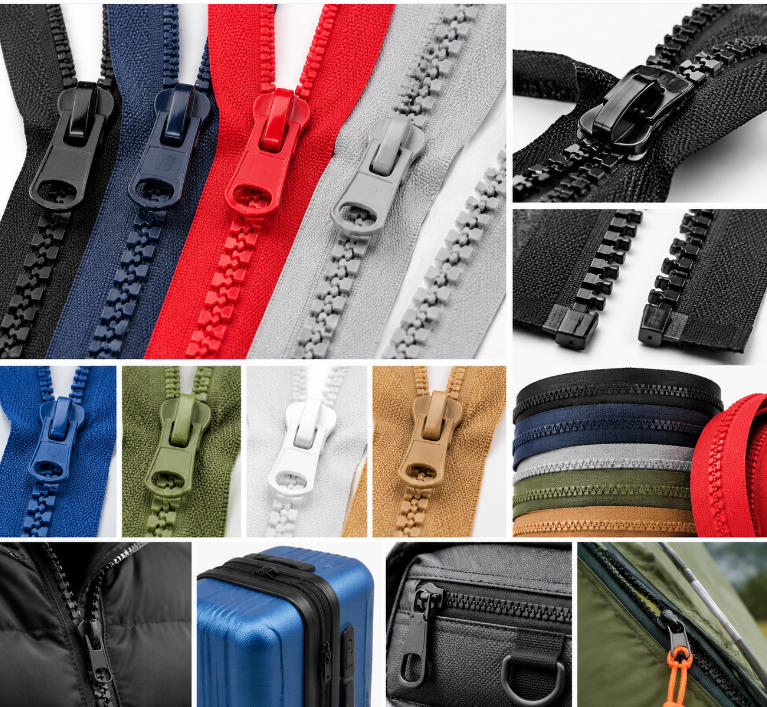
Table of Contents
Understanding Different Types of Plastic Zippers
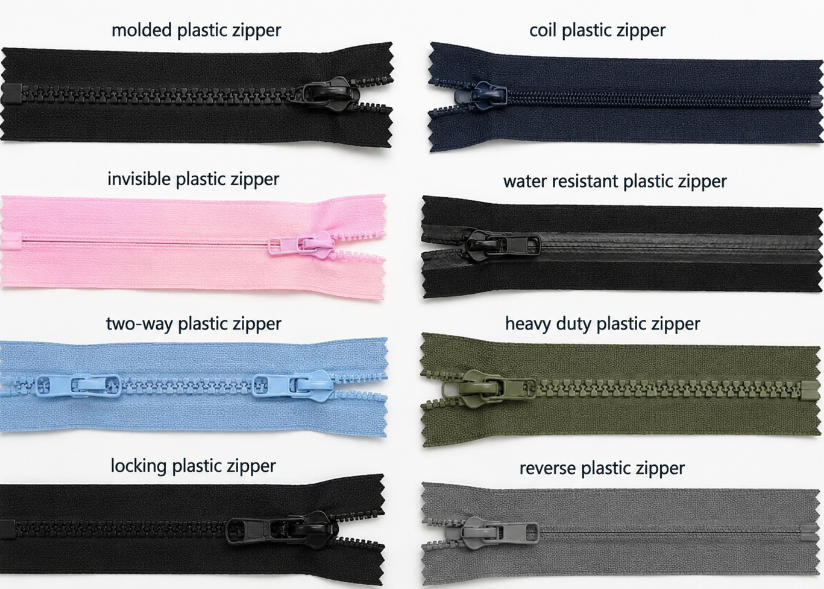
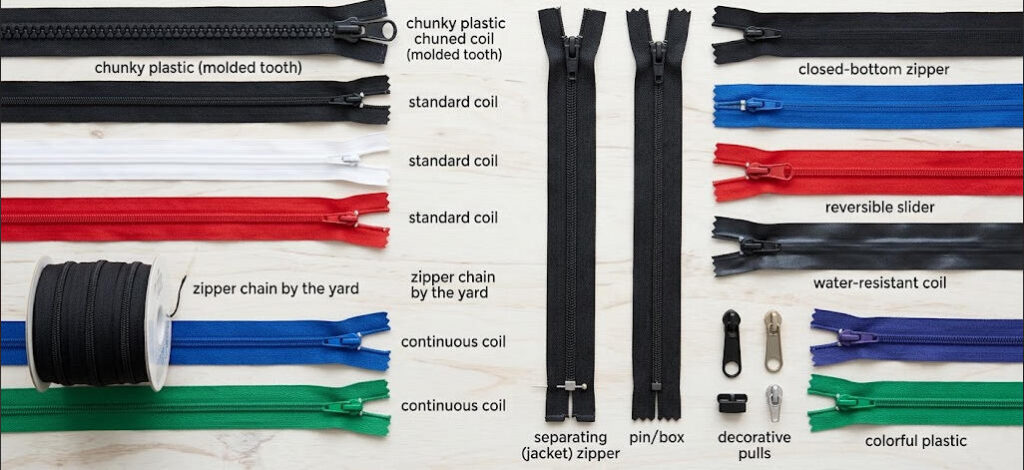
Plastic zippers are available in several designs, each serving different purposes.
| Type of Plastic Zipper | Main Features | Advantages | Applications |
| Molded Plastic Zipper | Made with individual plastic teeth molded directly onto the zipper tape | Strong, durable, wear-resistant, and provides a secure closure | Jackets, backpacks, luggage, outdoor equipment, sports bags |
| Coil Plastic Zipper | Uses spiral-shaped plastic elements, usually made from nylon or polyester | Lightweight, flexible, smooth operation, and easy to bend | Clothing, handbags, wallets, accessories, cushions |
| Invisible Plastic Zipper | Zipper teeth are hidden behind the fabric when closed | Provides a clean and seamless appearance | Dresses, skirts, pillows, decorative products |
| Waterproof Plastic Zipper | Designed with coated tapes or special structures to reduce water penetration | Improves protection against moisture and outdoor conditions | Rainwear, tents, camping gear, waterproof bags |
| Heavy-Duty Plastic Zipper | Uses larger teeth and reinforced components for higher strength | High load capacity, durable, suitable for frequent use | Large luggage, industrial bags, protective covers |
| Two-Way Plastic Zipper | Features two sliders that can move independently from both ends | Allows flexible opening and improved convenience | Jackets, sleeping bags, travel bags |
| Locking Plastic Zipper | Equipped with a slider that prevents accidental movement | Enhances security and keeps items closed | Backpacks, luggage, tool bags |
| Reverse Plastic Zipper | Teeth are positioned on the back side for a special appearance | Provides a unique look and smoother exterior surface | Fashion clothing, specialty bags, premium products |
| Plastic Packaging Zipper | Designed for flexible packaging materials with reusable closure functions | Easy to open and close, improves product protection | Food bags, storage bags, cosmetic packaging |
| Reflective Plastic Zipper | Includes reflective materials on zipper tapes or components | Improves visibility in low-light environments | Outdoor clothing, safety gear, sports products |
Key Factors to Consider for Choosing the Right Plastic Zipper
1. Material Quality and Performance
The quality of the plastic material directly affects how the zipper runs and how long it keeps working. You often see nylon, polyester, and other engineering plastics used for plastic zippers.
Better plastic usually means the zipper handles scrapes, drops, water exposure, and heat or cold without failing early. Nylon zippers often slide smoothly and stay flexible. Polyester types tend to resist the effects of weather and can last through daily handling.
If the plastic is poor, the zipper may crack, warp, or lose teeth. The slider can also move in a rough way. That is why it helps to use zippers made from solid materials, mainly when the item is opened and closed often.
2. Zipper Size Selection
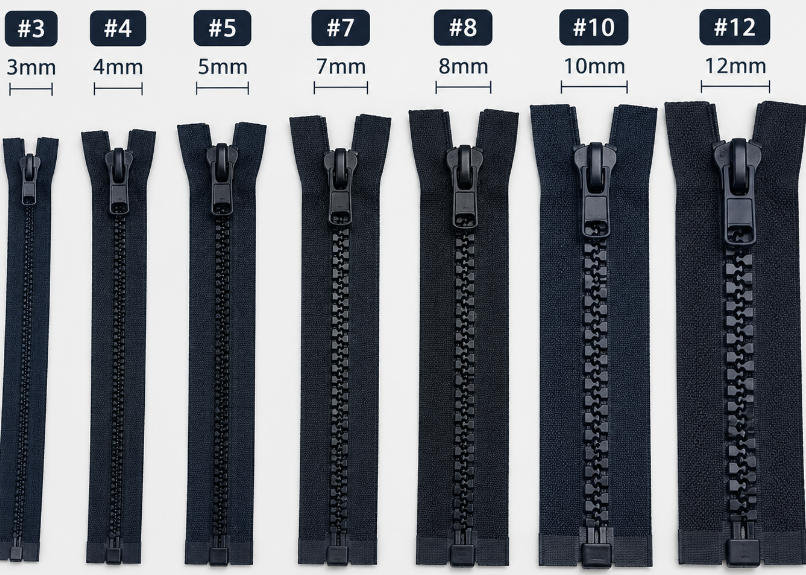
Choosing the correct zipper size is another important consideration. Plastic zippers are usually categorized by size numbers based on the width of the closed zipper teeth.
The following chart provides common plastic zipper sizes, together with their features and applications
| Plastic Zipper Size | Approximate Tooth Width (Closed) | Features | Common Applications |
| #1 Plastic Zipper | About 1–2 mm | Ultra-lightweight, small and flexible | Small accessories, cosmetic bags, thin fabrics |
| #3 Plastic Zipper | About 3 mm | Lightweight, smooth operation, suitable for everyday use | Clothing, skirts, dresses, small bags, pillow covers |
| #4 Plastic Zipper | About 4 mm | Provides a balance between flexibility and strength | Jackets, handbags, backpacks, medium-weight garments |
| #5 Plastic Zipper | About 5 mm | One of the most commonly used sizes, offering good durability | Jackets, sportswear, backpacks, luggage, outdoor clothing |
| #7 Plastic Zipper | About 7 mm | Stronger construction for higher stress applications | Travel bags, camping gear, workwear, equipment covers |
| #8 Plastic Zipper | About 8 mm | Heavy-duty performance with increased tooth strength | Large backpacks, luggage, protective cases, outdoor products |
| #10 Plastic Zipper | About 10 mm | Maximum strength and durability among common sizes | Heavy-duty luggage, industrial bags, marine products, large covers |
The actual dimensions of plastic zippers may vary slightly depending on the manufacturer, zipper structure, and tooth design. The size should be selected based on the product weight, expected usage frequency, and required durability.
3. Strength and Durability Requirements
You need to match zipper strength to the job. If a product is used again and again, carries heavier loads, or sits outside, it will need a tougher zipper system.
Key points include how well the teeth lock, how strong the zipper tape is, how well the slider stays in shape, and how it handles many open close cycles. For luggage, sports gear, and industrial bags, heavy duty molded plastic zippers are often a good choice. They cope with higher strain.
For lighter clothing or items meant mainly for looks, you may not need maximum strength. Flex and look can matter more in those cases. Using the real use case to guide the choice helps you land on a fair balance between cost and performance.
4. Slider Quality and Function
The slider affects the zipper every time it moves. A good slider should glide over the teeth without snagging. It should also avoid pulling parts apart or causing wear to the teeth.
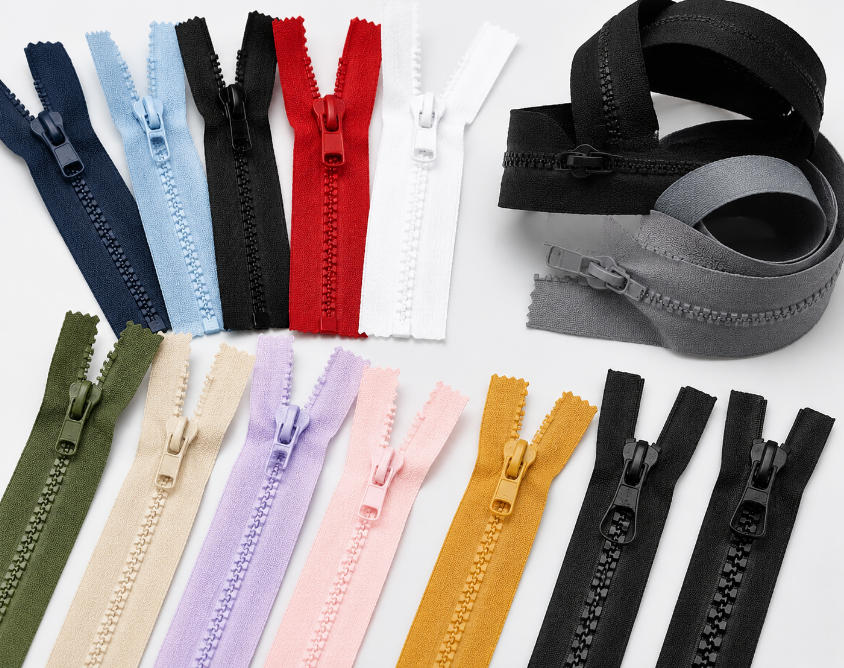
Some uses call for different slider designs. A standard slider works for everyday items. A locking slider can help stop accidental opening on bags and luggage. Two-way sliders add extra ease for jackets, travel items, and cover flaps.
How the slider is made shows up in daily comfort. A strong zipper body can still act up if the slider is weak. So both parts should be checked as a pair.
5. Environmental Resistance
The setting where the zipper will work is a big deal. Outdoor use and tough conditions mean you want protection from moisture, sun exposure, chemicals, and shifts in temperature.
Plastic zippers are picked a lot for outdoor gear. They do not rust the way metal zippers can. Because of that, water-resistant plastic zippers are used on rain jackets, tents, camping items, and waterproof bags.
Some jobs need more than simple water resistance. For example, chemical resistance, exposure to cleaning products, or very hot and very cold settings can matter too. Looking at the real surroundings is useful. It helps you decide which zipper material and design will work best.
6. Appearance and Design Compatibility
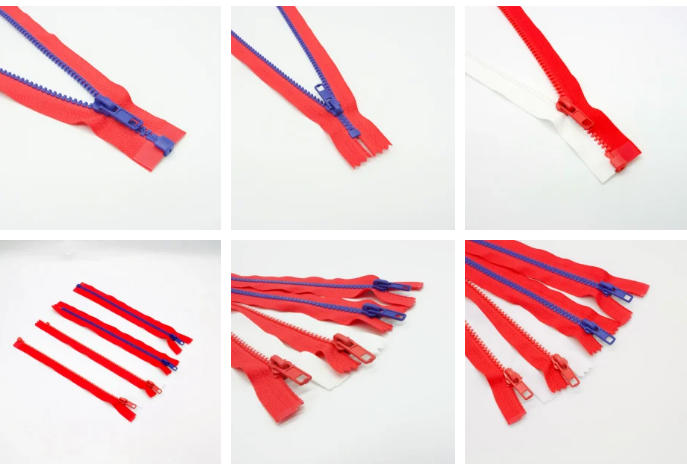
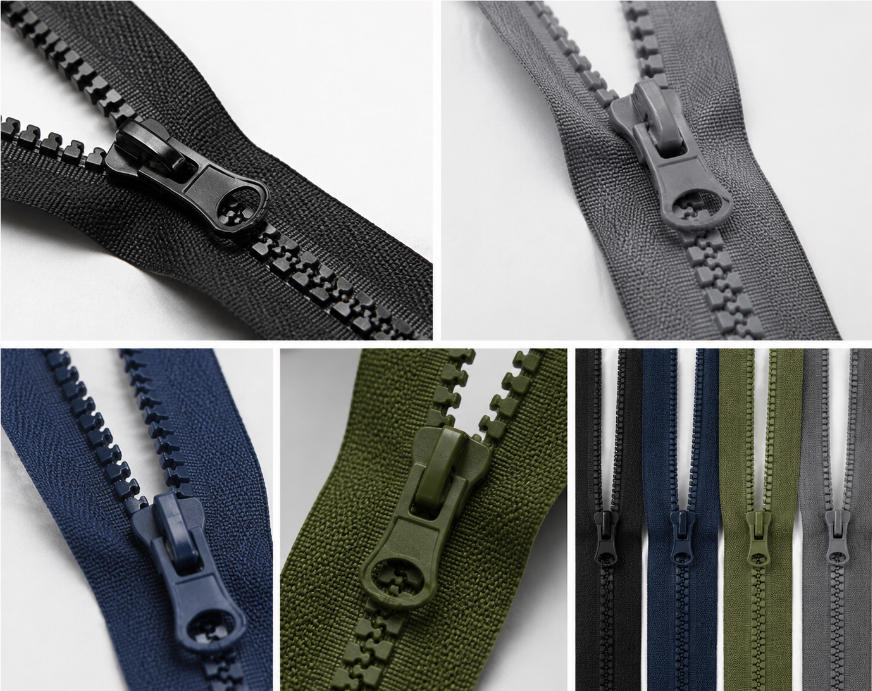
In many consumer products, zippers are visible. So they are part of the look, not only the function. Color, shape, surface finish, and how the zipper is put in should fit the product style.
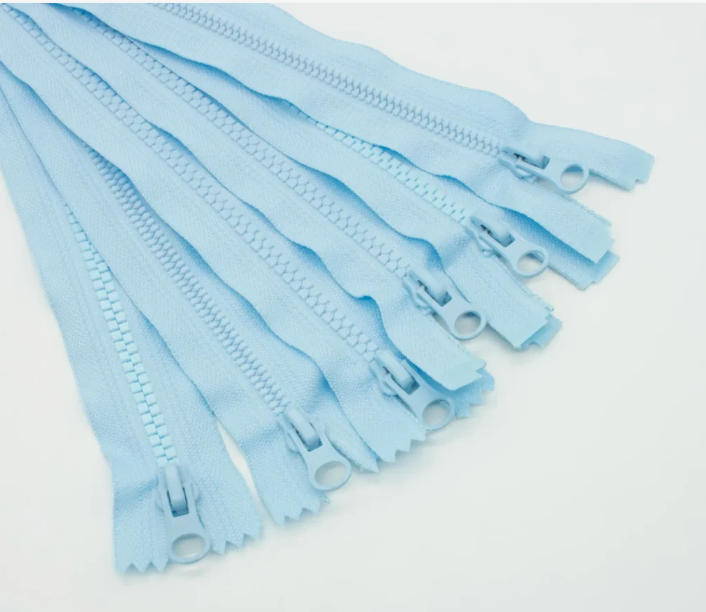
Plastic zippers come in many shades and layouts. This gives makers a way to keep the visual theme steady across batches. Some styles stay hidden for a neat look. Other styles add decoration to match the overall design.
The zipper tape width and thickness should also fit the fabric. If the parts do not match, installation can look sloppy. It can also affect how well the zipper sits in place.
7. Cost and Overall Value
Cost matters, but it should not be the only guide. A cheap zipper can lower the first bill. Still, it may wear out faster, which can mean more swaps later.
A smarter goal is to match the zipper to the needed use. It should offer the right function, good life span, and a suitable look without overspending. Looking at total value gives better results over time, not just the upfront price.
How to Choose A Reliable Zipper Supplier
For large-scale production, supplier strength is key. You also need stable quality and the ability to customize. A dependable zipper manufacturer can handle requests such as specific colors, sizes, pullers, and zipper structures.
Before you commit to mass production, test zipper samples first. Check tear strength, how smoothly it moves, and how long it holds up. Also confirm it fits the final product build.
With solid manufacturing and strict zipper quality control, Luxzipper delivers zippers that run smoothly and last. They also offer options for customization. You can choose different zipper sizes and colors, and request customized sliders and designs. The aim of Luxzipper is to give customers dependable products that support better product quality and useful features.
Final Words
To select a plastic zipper, look at the zipper type, the material quality, the size, the strength and how the slider works. Don’t forget environmental resistance and how it fits the product design. When the choice is right, the product can last longer and work better. It also helps the user experience.