
Brass Zippers vs. Aluminum Zippers: What are the Differences
Zippers are important fastening parts used in clothing, bags, outdoor gear, footwear, and lots of industrial products. When you look at the options of metal zippers, brass and aluminum stand out as common choices because they tend to last, they look nice, and they tend to work well in everyday situations. Even though both metals can be a strong alternative to plastic zippers, they do not behave exactly the same way, so they fit different uses better.
If you understand the differences between brass zippers and aluminum zippers, then manufacturers, designers, and consumers can select the better zipper type based on strength, weight, corrosion behavior, visual style and cost.
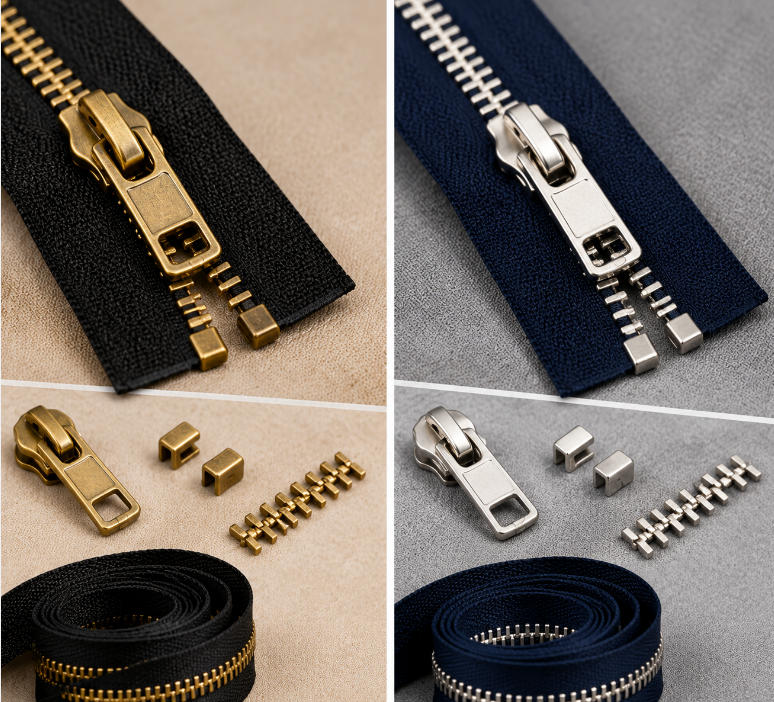
Overview of Brass Zippers
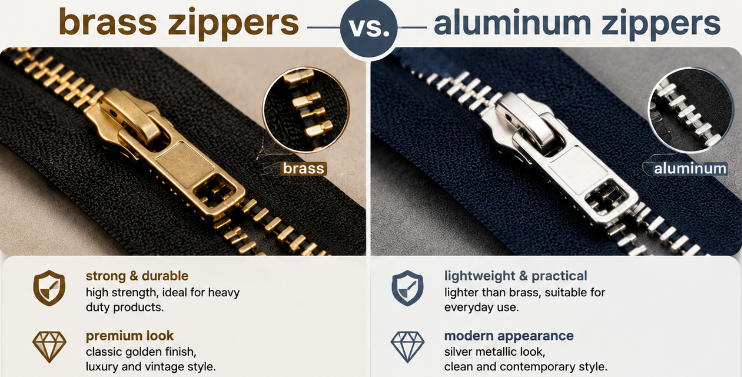
Brass zippers are made with a copper-zinc alloy called brass. This metal has been used a long time for zipper manufacturing because it offers strong tensile performance, good wear resistance, and that classic shiny metallic look.
The teeth on brass zippers are usually made by careful stamping processes, so they end up with a sturdy and dependable build. Also that natural golden tone of brass gives the final item a premium and classic look, which is why these zippers are often chosen for leather goods, fashion pieces, and high-end accessories.
One of the biggest benefits of brass zippers is that they handle repeated use well. They keep working reliably even when they get a lot of strain, so they tend to fit products that need long-term resistance and dependable performance.
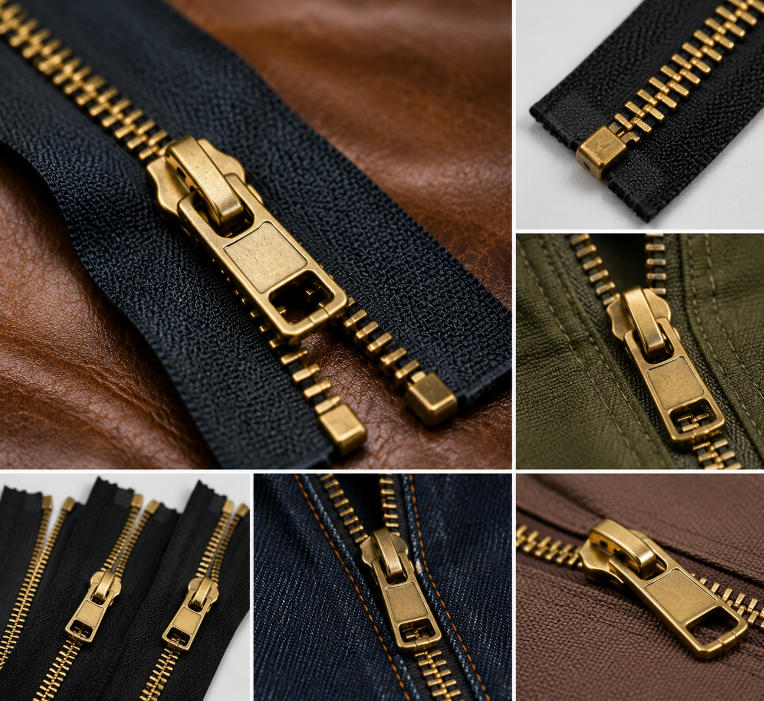
Overview of Aluminum Zippers
Aluminum zippers come from light aluminum alloys and they are meant for situations where lowering the total product weight really matters. Aluminum offers a solid mix of strength, flexibility, and resistance to corrosion, while still giving a much lighter structure than brass does.
Because of their relatively lightweight characteristics, aluminum zippers get used a lot in outdoor clothing, sportswear, backpacks, and travel products. They are also pretty common in modern fashion designs, mainly because of that clean metallic look and because they can take on different surface finishes.
Aluminium zippers can deliver smooth operation, practical daily performance and, at the same time, they let manufacturers produce products that feel more comfortable and lighter to wear.
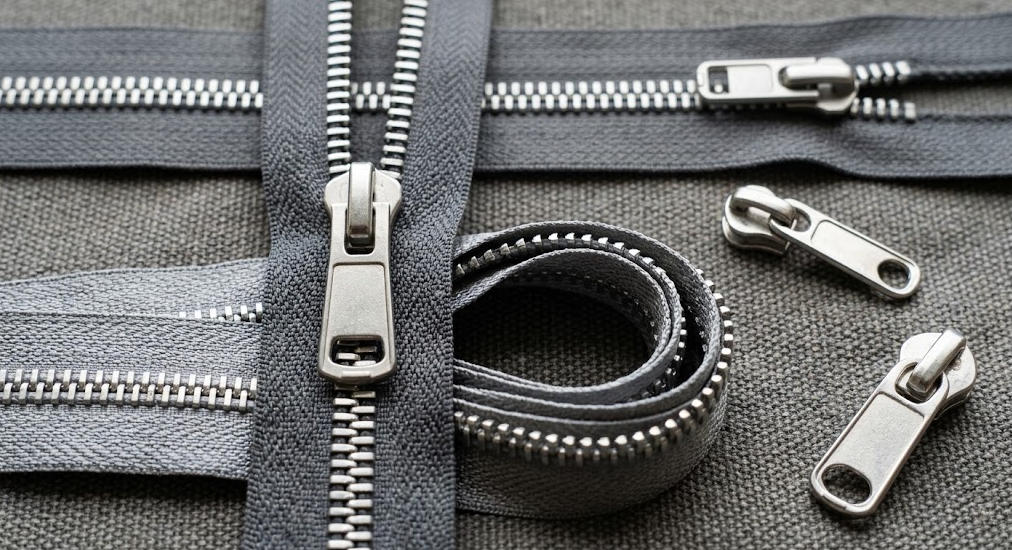
Key Differences Between Brass Zippers and Aluminum Zippers
1. Material Composition
The main difference between brass zippers and aluminium zippers is mostly about the material itself.
Brass zippers are built from a copper-zinc alloy. That pairing forms a tough and steady metal, with strong wear resistance and a distinct golden color. Brass has been used in zipper manufacturing for decades, because it provides steady mechanical behavior and a more premium visual impression.
Aluminum zippers are made from lightweight aluminum alloy mixes, not just plain aluminum. Aluminum tends to have a lower density compared with brass, so it becomes a good fit for cases where cutting down overall weight really matters. Its natural metallic look, plus a bit of flexibility, also makes it common in modern fashion and outdoor items.
How the metal compositions are set up, that part changes the way each zipper behaves in real conditions.
2. Strength and Durability
Strength is one of the most important aspects to look at when choosing a zipper material.
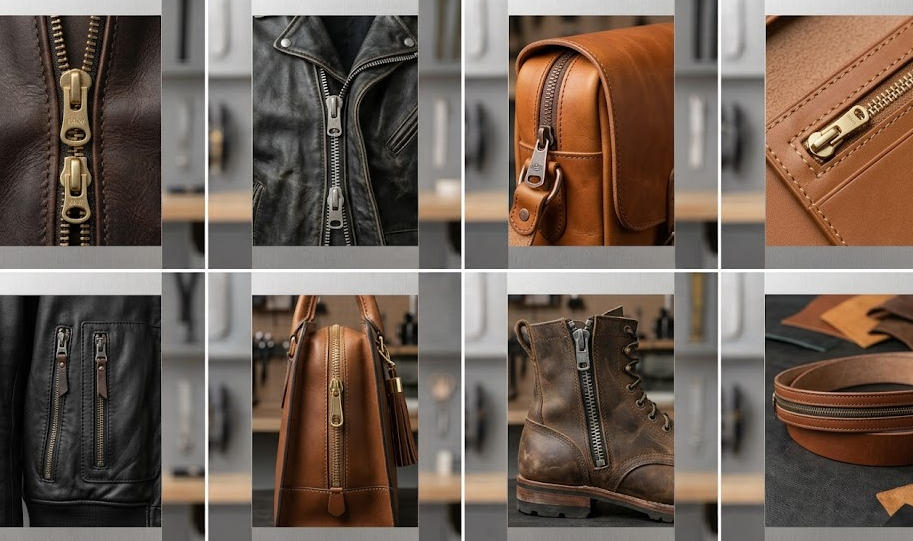
Brass zippers usually deliver higher mechanical strength, plus better resistance when there is heavy stress. The solid, structured shape of brass zipper teeth helps them hold up to repeated opening and closing, pulling pressure, and tough daily use. Because of this, brass zippers are often seen on leather jackets, workwear, luggage, and heavy-duty bags.
Aluminum zippers have good endurance but they are softer than brass. They seem to be made for those situations where moderate strength is enough. In normal daily use aluminum zippers can work pretty well, but they might not be the top choice if a product faces severe pressure or heavy loads, you know.
When a product needs maximum durability, brass zippers tend to be the better pick. For lightweight items with typical usage conditions, aluminum zippers can still deliver dependable performance.
3. Weight
One big benefit of aluminum zippers is their weight.
Since aluminium is much lighter than brass, an aluminum zipper can cut down the total weight of finished goods quite noticeably. That advantage matters especially for backpacks, sportswear, outdoor clothes, and travel accessories, where ease of wearing and portability are key.
Brass zippers tend to feel heavier because the alloy is denser. That added mass can give a firm, solid sensation which some people really like, but it may not fit when a product has strict lightweight requirements, or the design is meant to stay light.
If the zipper manufacturer is aiming for a featherweight product, aluminum type usually offers a better compromise between sturdiness and overall weight.
4. Appearance and Surface Finishes
Brass zippers show a warm golden tone, so they often deliver a classic, vintage, high-end vibe. You will see them on premium fashion pieces and leather goods where the zipper is part of the visual theme. Brass zippers can be finished in several ways, like antique brass, polished brass, and dark brass, to match varying styles.
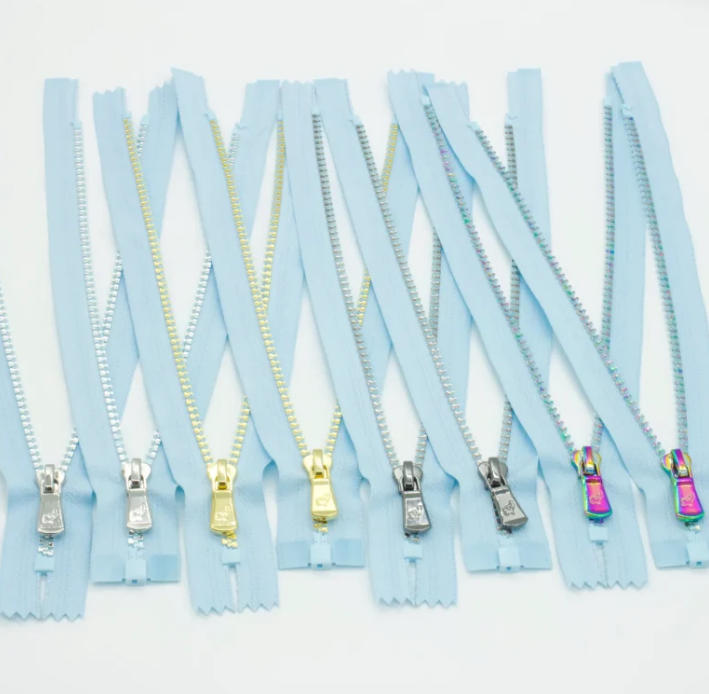
Aluminum zippers usually show a silver metallic appearance and it looks clean, modern. You see them all over contemporary clothing, outdoor gear, and sports products. By using anodizing plus other surface treatments, aluminum zippers can be finished in a range of colors too, so designers can match different concepts.
Choosing between brass and aluminum often comes down to whether the item needs a traditional luxury vibe or a more modern lightweight direction.
5. Corrosion Resistance
Environmental conditions can mess with zipper performance, especially if it is for outdoors, or humid spaces.
Brass offers solid corrosion resistance. But if it stays too long with moisture, salt, or certain chemicals, it can oxidize, and the surface can end up looking discolored. Using proper plating, plus protective coatings helps strengthen that resistance and keeps it looking neat and consistent.
Aluminum naturally creates an oxide skin that helps guard the material from rust and general corrosion issues. Because of that, aluminum zippers tend to work well outside, for sports gear, and for items that are constantly in touch with wet conditions.
That said, both categories of zippers still need the right surface conditioning, otherwise the long-term results in harsh environments, can drop faster than expected.
6. Cost Differences
The costs for brass vs aluminum zippers depends on raw material costs, the way the units are manufactured, and what kind of final finishing is required.
Brass zippers are usually pricier. This happens because brass is denser and tends to deliver a stronger more premium type of appearance. They are often chosen for higher end products where longevity and the overall look are important advantage points.
Aluminum zippers tend to be more budget-friendly. Aluminum is light in weight and it is easier to process. That makes them a practical, cost driven option for factories that are making high volumes of light mass products.
When selecting zipper materials, manufacturers need to weigh the upfront costs along with how the zipper performs over time , not just at the beginning.
7. Application Differences
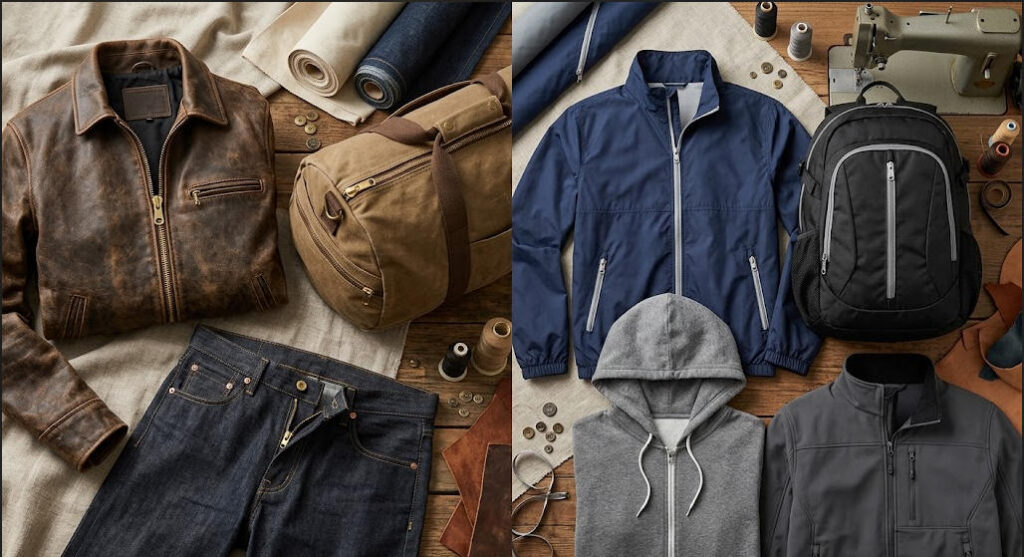
The different characteristics of brass and aluminum zippers make them suitable for different applications.
| Product Application | Suitable Zipper Type | Main Advantages |
| Leather jackets | Brass zipper | Strong structure and premium appearance |
| Workwear | Brass zipper | Excellent durability under frequent use |
| Luxury handbags | Brass zipper | Elegant finish and long service life |
| Outdoor jackets | Aluminum zipper | Lightweight and corrosion-resistant |
| Backpacks | Aluminum zipper | Reduces overall product weight |
| Sportswear | Aluminum zipper | Comfortable and easy to carry |
| Casual clothing | Brass or aluminum zipper | Depends on design requirements |
8. Maintenance and Service Life
If the zipper gets the right kind of care, the usable lifespan of brass and aluminum zippers can be extended noticeably.
For brass zippers, keep them clean and dry, because oxidation shows up when moisture stays around. From time to time, a little lubrication helps keep the action flowing, and it can lower friction between the zipper parts, so it does not feel stiff.
Aluminum zippers, on the other hand, need extra protection from frequent harsh impacts, since aluminum is the softer metal compared with brass. Regular cleaning matters too, it helps clear away grit and small debris that can interfere with zipper movement.
With right use and steady maintenance, both metal zipper types can deliver strong service performance.
Summary Comparison Chart
| Comparison Factor | Brass Zippers | Aluminum Zippers |
| Material Composition | Made from a copper and zinc alloy, providing a strong and stable structure | Made from lightweight aluminum alloy, offering reduced weight and flexibility |
| Strength | Higher strength and better resistance to pulling forces and heavy loads | Good strength but softer than brass and more suitable for moderate-use applications |
| Durability | Excellent durability with long service life, especially for heavy-duty products | Durable for everyday use but may wear faster under extreme stress |
| Weight | Heavier due to the higher density of brass | Much lighter, helping reduce the overall product weight |
| Appearance | Features a classic golden metallic look with a premium and vintage style | Provides a modern silver metallic appearance with a clean and lightweight design |
| Surface Finishes | Available in antique brass, polished brass, dark brass, and other decorative finishes | Can be anodized or coated in various colors for customized designs |
| Corrosion Resistance | Good corrosion resistance but may oxidize or discolor over time without proper treatment | Naturally forms an oxide layer that provides good corrosion protection |
| Wear Resistance | Excellent resistance to friction and repeated use | Good wear resistance but less resistant than brass under heavy conditions |
| Maintenance Requirements | Requires occasional cleaning and protection to maintain appearance | Requires cleaning and careful handling to prevent scratches or deformation |
| Cost | Generally more expensive due to material weight and premium appearance | Usually more cost-effective because of lower material weight and production efficiency |
| Design Style | Suitable for luxury, classic, and traditional product designs | Suitable for modern, sporty, and lightweight product designs |
| Ideal Choice For | Products requiring premium appearance and long-term durability | Products requiring lightweight construction and comfortable use |
How to Choose Between Brass and Aluminum Zippers
Choosing the right zipper material depends on the product’s purpose, design requirements, and expected usage conditions.
- Brass zippers are the better choice when manufacturers need strong fastening performance, long-lasting durability, and a premium appearance. They are commonly selected for products where quality and style are major selling points.
- Aluminum zippers are more suitable when lightweight construction, modern design, and corrosion resistance are priorities. They are widely used in outdoor, sports, and everyday products that require comfort and portability.
- In some cases, designers may choose both materials across different product lines to meet different market needs. Premium collections may use brass zippers for their durability and appearance, while lightweight outdoor collections may use aluminum zippers for better mobility and comfort.
When you look at the specific needs of the final product, manufacturers can select the zipper material that gives the best blend of performance, appearance, and cost efficiency.
Final Thoughts
Both brass zippers and aluminum zippers provide worthwhile benefits depending on what’s meant to be used for that particular application. Through understanding the contrasts between these two metal zipper options, manufacturers can select the better choice to improve overall quality, functionality and customer satisfaction.