
What Zipper Should You Use for Outdoor Gear? A Complete Guide
A zipper is a small part of outdoor gear, but it can have a big impact on how well the product performs. A tent door that becomes difficult to close, a backpack zipper that jams with sand, or a sleeping bag zipper that starts separating under tension can quickly turn a minor component problem into a real inconvenience.
Outdoor zippers have to deal with conditions that ordinary garment zippers may rarely encounter. Rain, snow, dust, UV exposure, low temperatures, repeated opening and closing, and tension from tightly packed or stretched fabrics can all affect zipper performance.
This is why choosing a zipper for outdoor equipment should not be based on size or appearance alone. The zipper structure, tooth size, materials, water resistance, slider design, and intended application all need to work together.
This guide explains the main factors to consider when selecting zippers for tents, sleeping bags, backpacks, outdoor cushions, jackets, storage bags, and similar products.
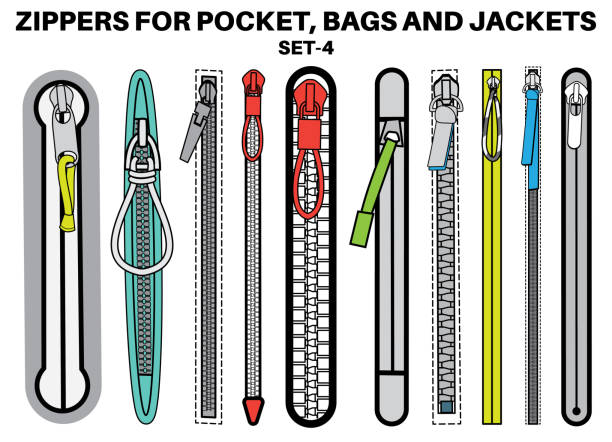
Choose the Right Zipper Types
The first decision is usually the zipper construction. Coil, molded-tooth, and metal zippers have different characteristics, and none is automatically the best choice for every outdoor product.
Coil Zippers
Coil zippers use a continuous spiral element, usually made from nylon or polyester-based materials. They are flexible and can follow curved seams more easily than rigid tooth zippers.
This makes them a common choice for tent doors, sleeping bags, backpack compartments, and other applications where the zipper needs to bend during use.
They also tend to provide smooth operation when properly matched with the slider. However, their flexibility does not mean they should be used for every high-load application. The zipper size and construction still need to match the tension placed on the product.
Molded-Tooth Zippers
Molded zippers use individual teeth formed from engineered plastic. They generally offer greater rigidity and can be a good choice for applications where the zipper needs to handle higher loads or maintain a more stable tooth structure.
They are often suitable for outdoor jackets, heavier backpacks, equipment bags, and outdoor cushions, particularly where the zipper is installed along a relatively straight seam.
Metal Zippers
Metal zippers can provide good mechanical strength and a distinctive appearance, but they are less common in equipment that is regularly exposed to moisture, salt, or harsh weather.
Without appropriate corrosion protection, metal components can eventually develop oxidation or corrosion. For many outdoor applications, a well-designed synthetic zipper provides a more practical balance of weight, flexibility, and environmental resistance.
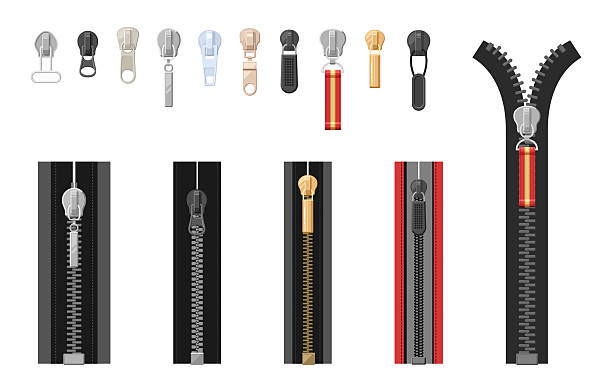
Water-Resistant vs. Waterproof Zippers
One of the most common mistakes is treating every zipper described as “water-resistant” or “waterproof” as if it provides the same level of protection.
A water-resistant zipper may use a coated tape, a durable water-repellent treatment, or a reverse-coil construction to reduce water penetration. This can be sufficient for everyday rain, splashes, and general outdoor use.
A waterproof or watertight zipper is designed for more demanding applications. Its construction is intended to limit water penetration under specified test conditions and is normally used when the zipper itself forms part of a more complete barrier against water.
For most tents, backpacks, sleeping bags, and outdoor clothing, a highly water-resistant construction may be sufficient. Fully waterproof zipper systems can add cost, weight, and stiffness, so they are usually selected when the application genuinely requires them.
It is also important to remember that zipper performance depends on the complete product. Stitching, seam construction, fabric, zipper installation, and surrounding materials can all affect the final water resistance.
Select the Right Zipper Size
Zipper size is normally identified by numbers such as #3, #5, #8, or #10. The number generally relates to the approximate width of the closed zipper chain, although exact dimensions vary by zipper construction and manufacturer.
For outdoor equipment, a simple rule is useful: do not choose a smaller zipper simply because it is lighter.
#3
#3 zippers are lightweight and are commonly used for small pockets, inner compartments, mesh panels, and lightweight equipment.
They are useful when weight reduction is important and the zipper is not exposed to significant tension.
#5
#5 is one of the most versatile sizes for outdoor equipment. It provides a practical balance between weight, flexibility, and strength.
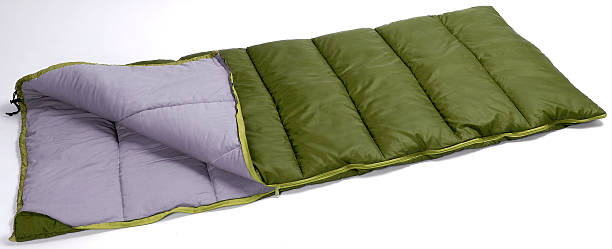
It can be suitable for sleeping bags, tent doors, jackets, backpacks, and many storage compartments, depending on the design and expected load.
#8 and #10
Larger zippers are generally better suited to heavier applications where greater chain strength and durability are required.
They can be considered for large tent doors, heavy-duty backpacks, equipment bags, outdoor cushions, and other areas exposed to higher tension or repeated loading.
The important point is that zipper size should be determined by the application rather than by a general “bigger is better” approach. An oversized zipper can add unnecessary weight and stiffness, while an undersized zipper may wear more quickly when installed in a high-tension area.
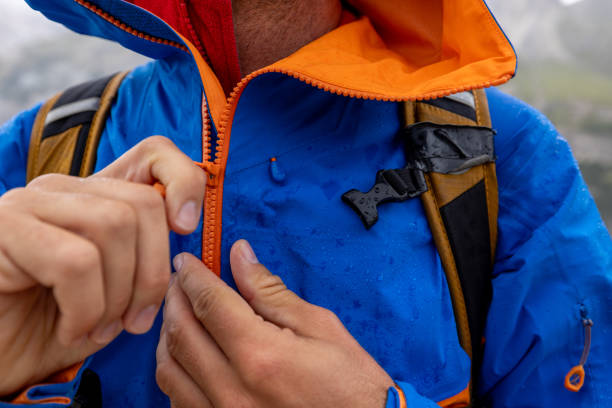
Pay Attention to Materials and Durability
The zipper element is only one part of the system. The tape, slider, puller, and other components also affect outdoor performance.
For the zipper chain, synthetic materials such as nylon and engineered plastics are widely used because they are lightweight and resistant to moisture. Molded plastic elements can also provide good resistance to corrosion and are suitable for environments where salt and water exposure are concerns.
The zipper tape deserves equal attention. Polyester is often considered for outdoor applications because of its good dimensional stability and resistance to UV exposure. However, actual performance depends on the fiber specification, construction, coating, and finishing process.
There is also no single cycle-life figure that applies to every outdoor zipper. High-quality products may be tested for thousands of opening and closing cycles, but laboratory results should not be treated as a guaranteed service life. ASTM D2061, for example, covers several zipper strength tests, including chain and element strength, slider lock strength, and pull-off resistance. ASTM also notes that no single test can determine whether a zipper is suitable for every end use.
Repeated-cycle testing is another useful way to compare products. ISO 10751:2016, for example, specifies a method for evaluating resistance to repeated opening and closing for slide fasteners used in footwear.
For outdoor applications, UV resistance, corrosion resistance, low-temperature performance, and mechanical strength should all be considered together.
Consider the Slider and Puller
The zipper chain often gets most of the attention, but the slider can determine how the zipper feels in daily use.
A self-locking slider can help prevent unwanted movement on applications such as jackets and bags. A two-way slider can be useful for sleeping bags or larger equipment where the zipper needs to open from either end.
For camping and hiking equipment, the puller should also be easy to grip when the user is wearing gloves. Larger pull tabs, textured surfaces, or extended pulls can make a noticeable difference in cold or wet conditions.
Reverse-coil construction can also help reduce direct exposure of the zipper elements to dust and moisture. It is not the same as a fully waterproof zipper, but it can be useful when combined with appropriate tape and coating treatments.
Recommended Zippers for Different Outdoor Gear
| Outdoor Gear | Typical Choice | Main Requirement | Key Consideration |
| Tent | Coil #5; smaller sizes for inner mesh | Flexibility, strength, water resistance | High-tension areas need adequate zipper size |
| Sleeping bag | Two-way coil #5–#8 | Smooth operation, anti-snag design | Check slider direction and bottom closure |
| Outdoor cushion / mat | Molded #5–#8 | Durability, UV and moisture resistance | Straight, high-load seams may benefit from molded teeth |
| Outdoor jacket / shell | Water-resistant coil or molded #5 | Smooth operation, weather resistance | Waterproof construction is not always necessary |
| Backpack / hiking pack | Coil or molded #5–#8 | Strength, abrasion and dirt resistance | Use larger sizes for heavily loaded compartments |
| Storage / tool bag | Coil #5 or lightweight molded zipper | Easy opening, durability | Focus on reliability rather than full waterproofing |
These are general starting points rather than universal specifications. The final choice should also consider the fabric weight, seam design, zipper length, expected load, and construction method.
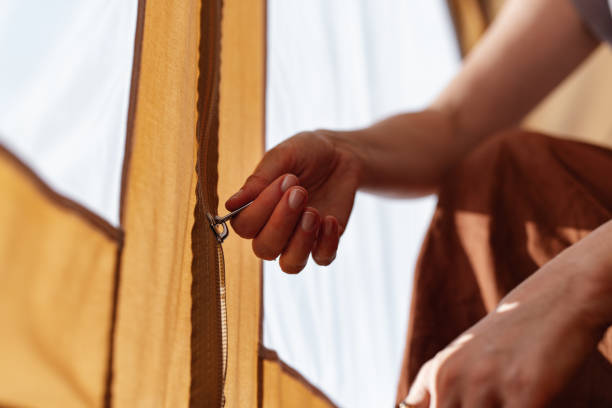
A Simple Way to Choose an Outdoor Zipper
If you are selecting a zipper for a new outdoor product, start with four questions:
Where will the equipment be used?
Consider rain, snow, sand, salt water, UV exposure, and temperature.
How much tension will the zipper handle?
A lightly loaded pocket does not require the same zipper as a heavily packed backpack or tent door.
Does the product need flexibility or rigidity?
Coil zippers are generally better suited to curved and flexible constructions, while molded zippers can be useful for straighter, heavier-duty applications.
How much water protection is actually required?
Choose water-resistant construction for general outdoor exposure and a more specialized waterproof design when the application genuinely requires it.
The best outdoor zipper is not necessarily the largest, thickest, or most expensive option. It is the one whose construction, size, materials, and protective features match the actual conditions of use.
For manufacturers, testing should also be part of the selection process. Rather than relying only on a supplier’s general durability claim, compare relevant performance data such as chain strength, slider performance, repeated opening and closing, and environmental resistance. Standards such as ASTM D2061 can provide useful reference points when evaluating zipper strength.
Final Thoughts
Outdoor equipment places more demands on zippers than everyday clothing does. Rain, dust, UV exposure, temperature changes, repeated use, and fabric tension can all affect performance.
For most applications, the decision comes down to matching three things: zipper structure, zipper size, and environmental requirements.
Coil zippers are a practical choice when flexibility and smooth operation are important. Molded zippers are often better suited to heavier or more rigid applications. A #5 zipper provides a useful balance for many outdoor products, while #8 and #10 sizes can be considered for higher-load applications.
Most importantly, do not select a zipper based on a single specification. A zipper that performs well in a laboratory test may still be unsuitable if it is installed incorrectly or used in an environment beyond its intended design.Choosing the right zipper from the beginning, followed by regular cleaning and inspection, can improve both the reliability of outdoor equipment and its overall service life.